Contact us
New to Clearway?
It's quicker and easier than calling, to send us a message via the website.
Send a messageWe're in the office
Send us a message or call us and we'll get back to you shortly.
We're currently away
Send us a message and we'll get back to you shortly.
Find the team you're looking for below if you need to speak to us.
To reach our Trespass Response Team out of hours:
01405 455 018Vacant Property Services
01322 332211Temporary & Mobile CCTV
0370 770 6811Alarm Receiving Centre
0370 770 6811Fire & Security Systems
0121 561 1214Commercial Financial Recovery & Commercial Eviction Services
0800 002 9049To reach our Trespass Response Team out of hours:
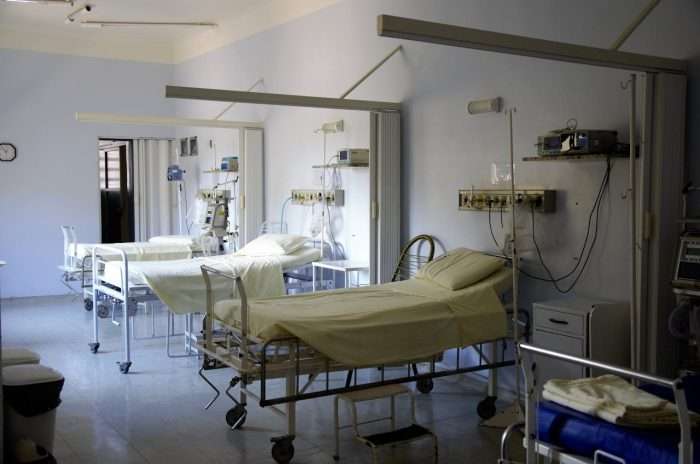
01405 455 018Clearway installs hospital alarm systems that integrate intruder alarms, CCTV, and fire detection to protect patients, staff, and sensitive medical areas. Hospital alarm systems are integrated security solutions designed to protect healthcare facilities by combining intruder alarms, CCTV surveillance, and fire detection to ensure the safety of patients, staff, and sensitive medical areas.
Always-on alarm systems are essential for hospitals, health centres, and clinics of every size. They safeguard vulnerable patients, protect controlled medical substances, and ensure that your security teams are quickly alerted when suspicious movement is detected.
Clearway’s healthcare sector specialists can advise on the ideal hospital alarm systems, placements, and technology to ensure hospital settings are safe, well-managed environments that adhere to all applicable regulations and represent the highest standards of personnel and patient protection.


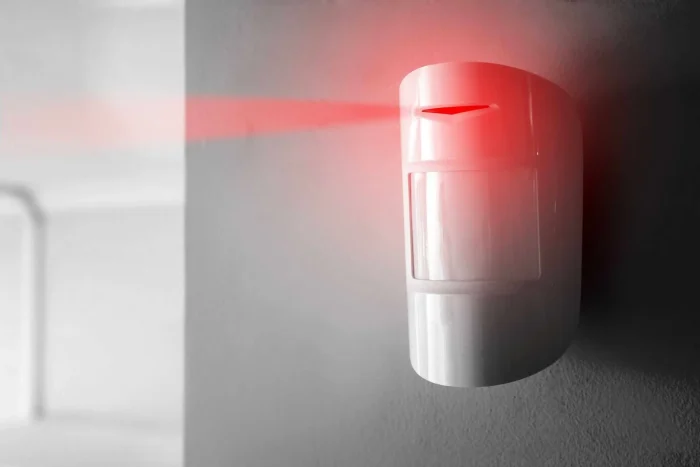
Intruder alarms are a necessity around zones used for medical equipment, drugs, and patient information storage, which are also prime targets for vandals and thieves. Visible alarms deter opportunist thefts while ensuring organised criminals cannot access high-value medical devices or substances without immediate detection.

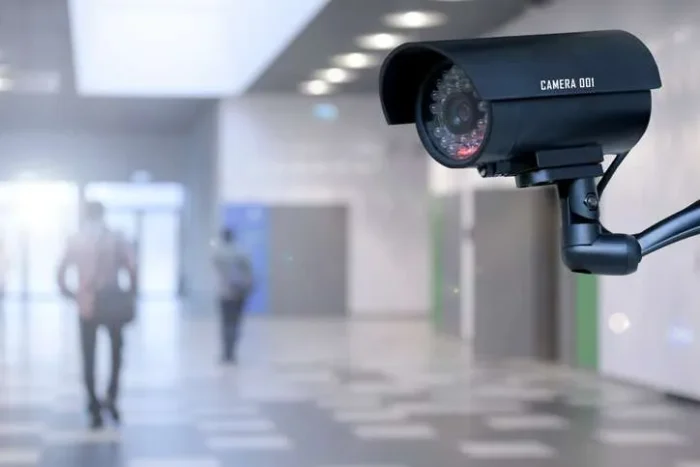
Rather than passively collating footage, advanced hospital CCTV surveillance systems act as real-time alarms, raising alerts when suspicious behaviours, such as loitering, aggression, or repeat visitors, are outside the norm. Cutting-edge analytical CCTV can also trace identities, patterns, and movements to preempt issues and concerns and facilitate rapid security responsiveness.

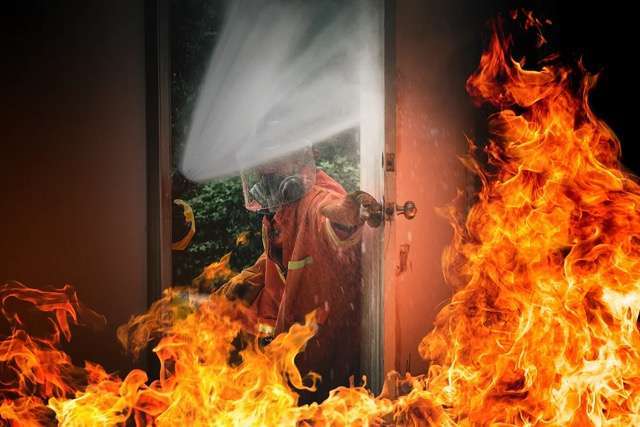
Hospital fire alarms safeguard patients, staff and visitors and focus on fast evacuation protocols to protect those vulnerable from risk. Integrating fire and security alarms can expedite evacuations in a real-time emergency and incorporate leading-edge heat, smoke and ash detection to raise the alert at the earliest sign of a fire hazard.

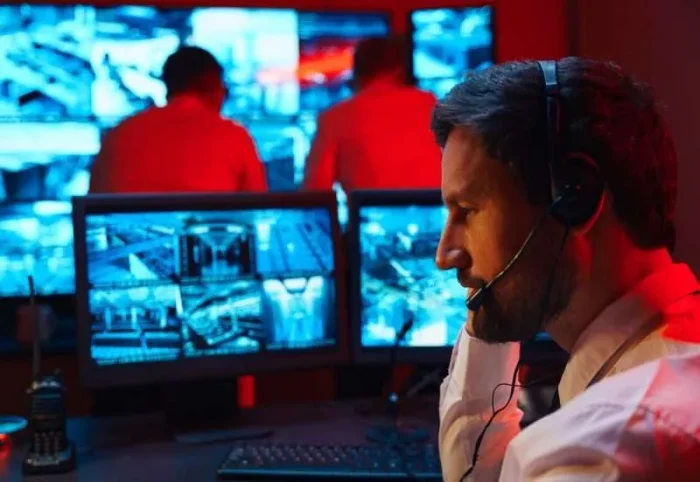
Continual monitoring through our Alarm Receiving Centre (ARC) reinforces the effectiveness of all hospital alarms, making patient safety and staff protection a primary objective. Our accredited centre and experienced response teams log and investigate every alarm signal, liaising with on-site security and emergency responders, or eliminating the need for an urgent callout if an alarm is found to be false.

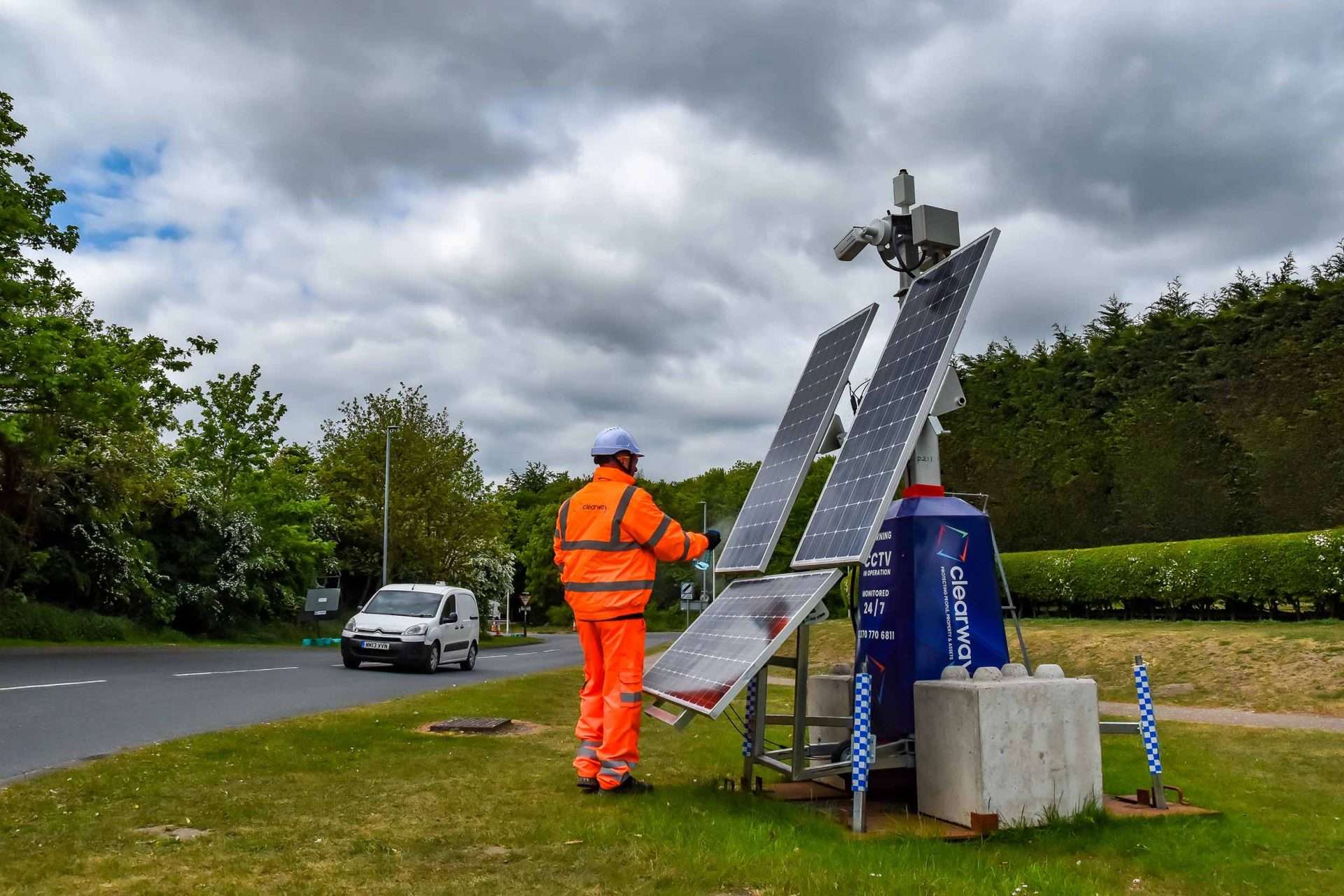
Alarm systems designed for vacant outbuildings, standalone clinics and treatment rooms have an advantage over wired systems because they operate independently and via commercial-grade battery packs. This enables hospital management to introduce immediate alarm monitoring around construction and improvement works, outbuildings with limited connectivity, or around consignments of medications or devices at an elevated risk of theft.
Each hospital environment may have specific risks and concerns, and our role as your consultant is to provide independent recommendations to mitigate those threats and ensure your security and alarm responsiveness is as effective as possible.
We’ve summarised below some of the most critical risks that hospitals encounter and how a next-gen alarm system can reduce the facility’s risk profile.
Trespassing and Unauthorised Access
Hospital grounds can be extensive, and are often overlooked, but incorporating alarm surveillance around perimeters, car parks, and boundary lines can eradicate vulnerabilities, ensuring any activity, including far away from main entrances, is monitored around the clock.
Drug and Medicine Theft
High-value and controlled substances like oxycodone, morphine, and methadone require robust protection and can be exposed to opportunist and targeted thefts. Secure alarms, access points, and entry protocols mitigate the potential for any unverified user to access these substances.
Non-PPE Compliance
Issues around PPE can be catastrophic, endangering the lives and well-being of vulnerable and immunocompromised patients. Real-time PPE monitoring not only provides the assurance of instant alerts when compliance problems are detected, but also enhances adherence from staff, delivery drivers and other non-medical visitors.
Inadvertent Staff Error
Busy hospitals during peak periods are more exposed to critical risks, and introducing automated access controls and alarms that incorporate AI-enabled scanning mitigates the potential for mistakes, such as enabling unknown individuals to enter protected zones by shadowing a staff member.
Violence and Aggression
Many hospitals encounter patients experiencing crises and mental health issues or disgruntled patients angry at waiting times or the prioritisation of more critical patients. Advanced CCTV and alarms can detect early signs of tension and aggression to safeguard frontline staff and patients from harm.
Further information about any of the hospital alarm systems, services and devices we offer is available by contacting the Clearway security consultancy team directly.

Clearway’s alarm security teams have years of sector-specific expertise and work with hospitals of every size, from smaller private facilities to larger-scale NHS hospitals, looking to upgrade their alarm coverage and implement best-practice security.
We offer a comprehensive level of service, from initial risk appraisals to systems design, configuration, and installation. Ongoing security monitoring, maintenance, and servicing ensure that hospital alarms remain in excellent condition and are updated to react to changing security needs, risk profiles, and areas of concern.
Hospitals have a duty of care to safeguard patients, staff and visitors, but they also need to be conscious of confidentiality and data protection.
There are various ways to achieve best practice compliance and present a secure, safe and controlled hospital site. However, many look at audible and visual alarms to ensure that individuals with hearing or sight impairments are properly protected.
Email us at enquiries@clearway.co.uk
It looks like you’ve submitted your information in the wrong section of our website. No problem—if you’re looking to apply for a job, you can do so by viewing our current vacancies. Click below to find and apply for roles through the proper channel.
View our current vacancies