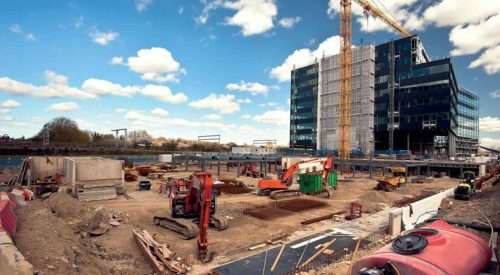


The nature of construction and development sites has long meant that safety is a fundamental concern. Evolving regulations and health and safety reporting requirements have put greater pressure on site managers and supervisors to enforce safeguards to prevent accidents, injuries, and fatalities.
One of the most important advancements in construction safety in many decades is the development of AI-enabled systems and monitoring. These systems can predict risks or potential accidents before they happen, notify supervisors when a member of personnel disregards PPE policies, and help with risk management and analytics.
Today, we’re talking about the relevance and applications of AI in construction safety, its potential impacts in the coming years, and some of the resources available now that can mitigate hazards and augment safety across the construction space.
Construction Safety and AI: Key Insights
- Modern construction sites face myriad possible hazards and safety risks, from heavy machinery and sharp tooling to working at heights, deep excavations and live electrical wiring.
- Regulatory standards have changed rapidly in recent years, where supervisors are directly responsible for preventable, avoidable incidents and putting protections in place to ensure that serious injuries and deaths do not occur.
- AI plays a vital role in furthering those safeguards, introducing automation, real-time monitoring, and deep learning that can be customised to the specific parameters, work phases, and perimeters of construction sites of any size.
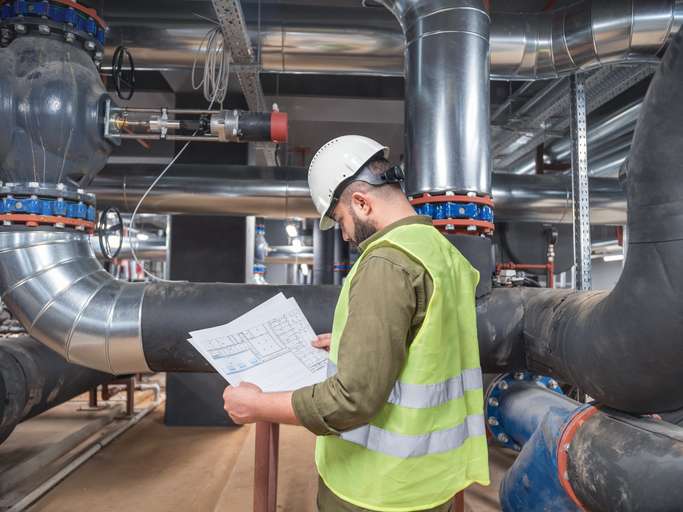
How Can AI Help Construction Managers Address Challenges?
The prevalent safety issues impacting construction sites remain fairly consistent across development projects. These include risks of accidents, including falls from height, inefficiencies in access controls and safety monitoring, and the lack of real-time oversight.
In many cases, a manager might be made aware of an injury or near-miss only after the fact or be unable to keep pace with the exact movements of every member of personnel – meaning that failure to wear a hard hat, high-visibility vest or protective gloves and footwear may be missed.
AI is a broad-scope term but refers to a huge range of technologies that can be used to mitigate or remove these risks.
Automation in Construction
AI facilitates automation, which can manage administrative and scheduling tasks, such as ensuring a maximum number of HGVs or delivery vehicles are on-site at all times or checking that electrical specialists or contractors licensed to operate a particular piece of machinery are expected to be on-site during the work phases where their skills are required.
Real-Time Monitoring of threats
Sensors with AI capabilities can detect a whole host of anomalies or safety issues, such as elevated temperatures, unusual activity, movement outside of the expected norms, or non-compliance with PPE policies.
A crucial aspect of AI is that it uses data and metrics to introduce site-wide, real-time data analytics. This notifies the appropriate personnel when there is something of concern and formulates strategies built around risk mitigation – from predictive modelling to improve site safety standards to assist in the enforcement of protocols.
Practical Applications of AI in Construction Safety
We’ve already summarised some of the potential uses of AI in construction site safety, but many may find it useful to see how this might work in a real-world scenario, given that there is much misunderstanding about how AI operates and the tangible benefits available. We’ve compiled a list of prevalent threats on construction sites and how AI is typically being used:
Common Construction Site Issues and How AI Can Solve Them
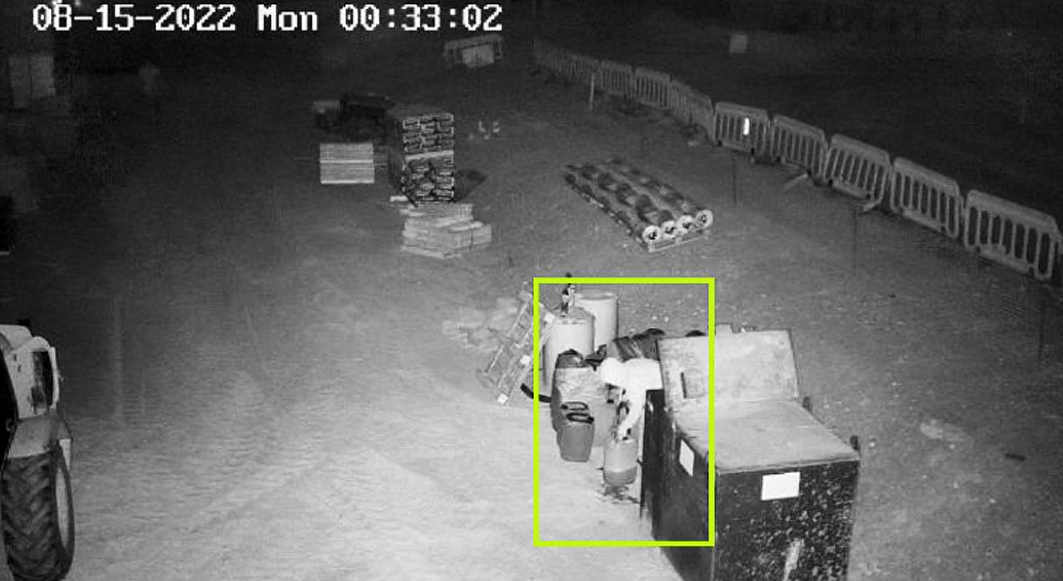
Issue: Plant Theft
Expensive machinery and equipment are common targets for theft, particularly outside working hours. Such incidents can lead to significant financial losses and project delays.
AI Solution:
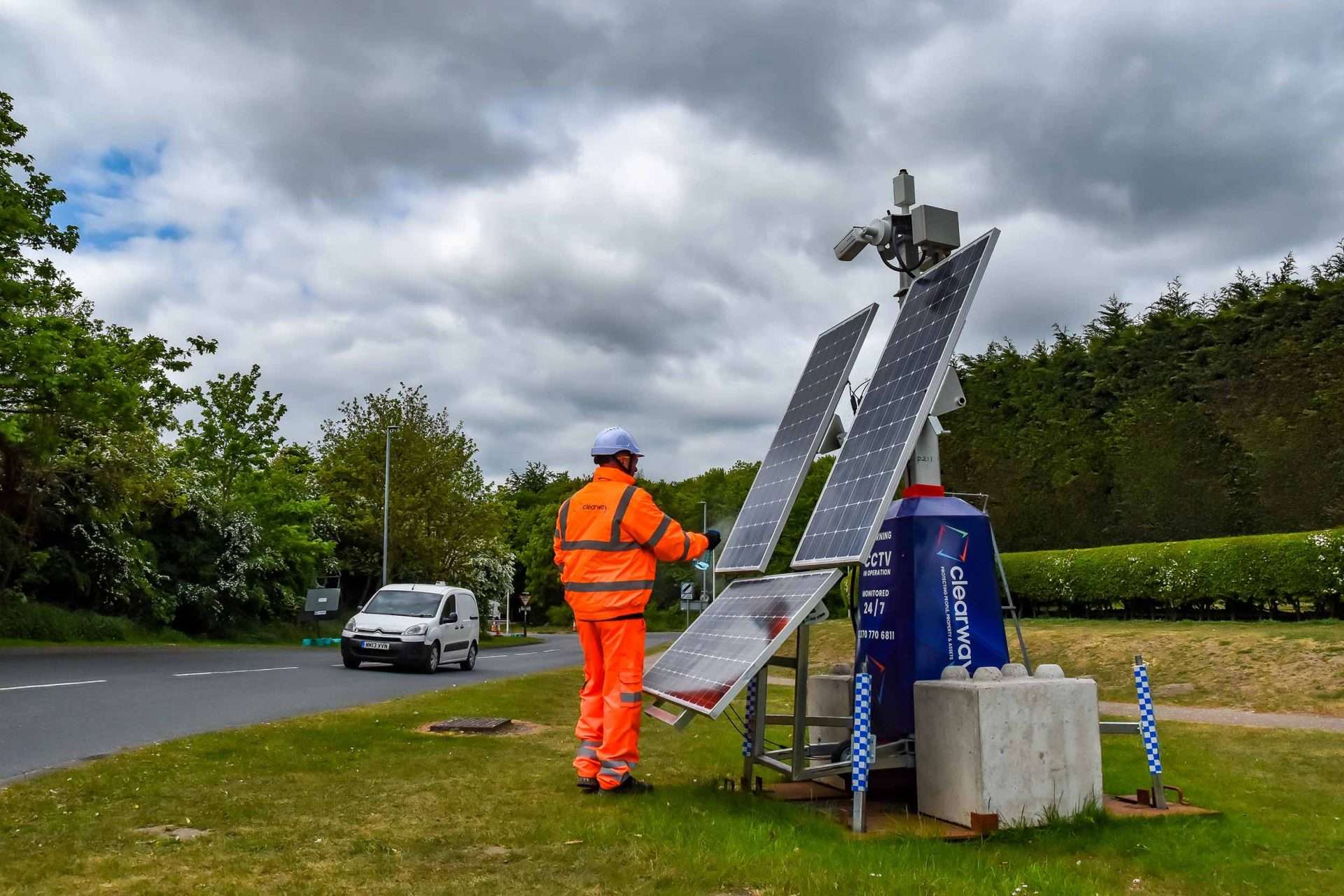
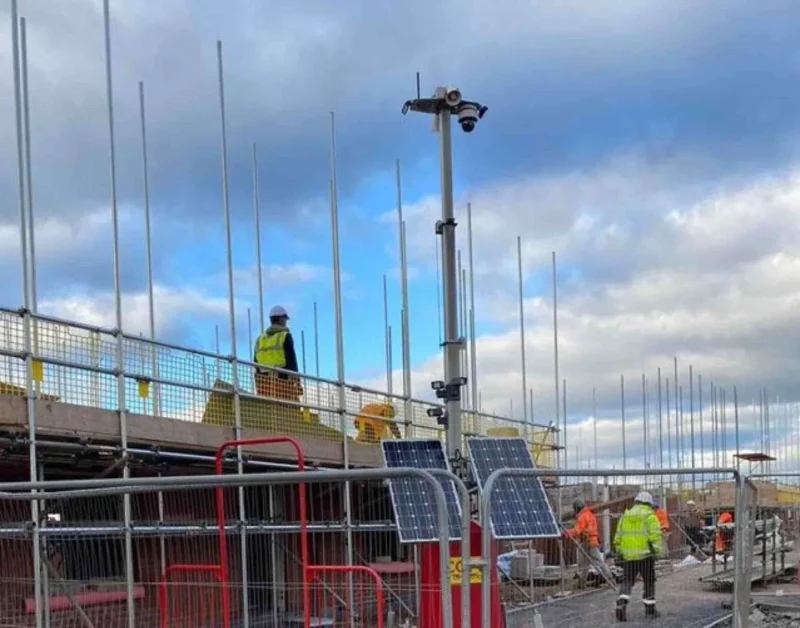
- Automated Perimeter Surveillance: AI-powered cameras monitor the site perimeter, detecting unauthorised activity, even in low-light conditions.
- Object Recognition: AI tracks the location of specific machinery, flagging any unauthorised movement or tampering.
- Real-Time Alerts: Immediate notifications are sent to site managers or security personnel when suspicious activity is identified, enabling swift action.
Issue: Unauthorised Access
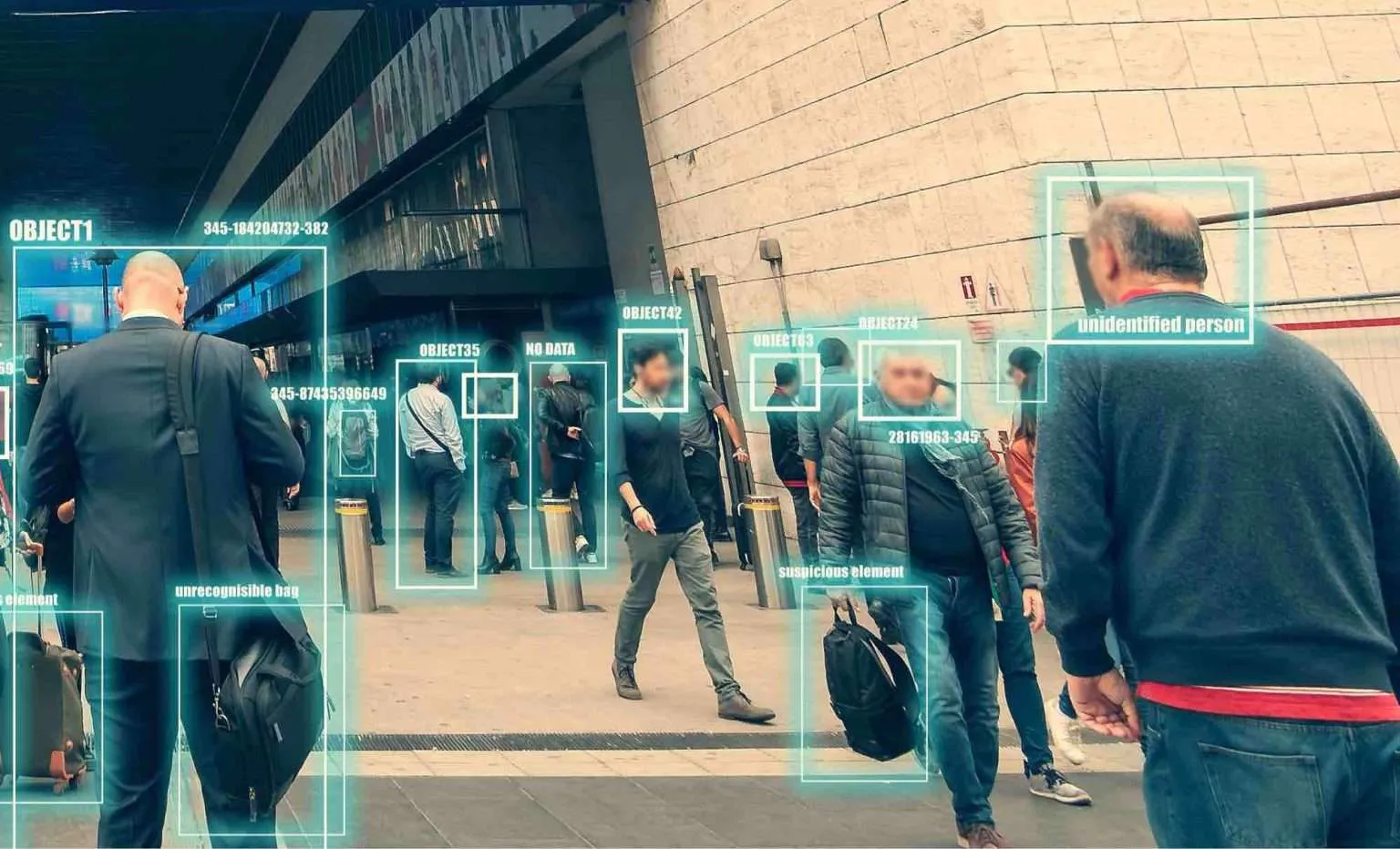
Construction sites often face trespassers or vandals, risking damage, theft, or injury.
AI Solution:
- Access Control Integration: AI monitors site entrances, using facial recognition or ID verification to ensure only authorised personnel are granted access.
- Behaviour Analysis: AI identifies unusual behaviour, such as loitering near restricted areas, and triggers alerts.
- Predictive Analytics: AI learns access patterns over time, predicting and preventing potential breaches.
Issue: Safety Hazards
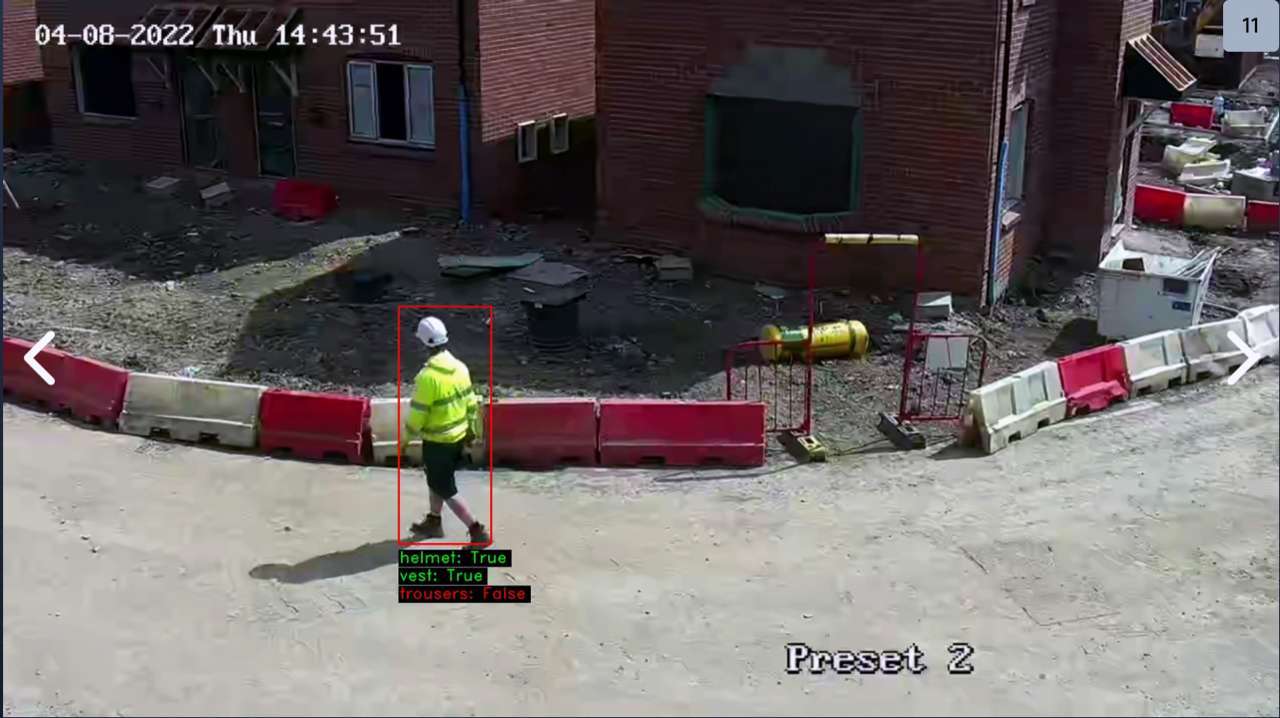
Construction environments are inherently risky, with potential accidents arising from workers entering restricted or hazardous zones.
AI Solution:
- Hazard Detection: AI-powered cameras can detect workers without proper PPE or in unsafe areas.
- Proactive Alerts: AI sends immediate notifications to supervisors to address unsafe behaviour before accidents occur.
- Data Collection: AI analyses incidents and near-misses to highlight recurring hazards and suggest safety improvements.
By tackling these common issues, AI not only enhances security but also improves safety and efficiency on construction sites, providing a proactive and cost-effective solution tailored to industry challenges.
Issue: Traffic Management and Congestion
Construction sites, especially those near busy roads, can cause traffic bottlenecks, increasing the risk of accidents and delays.
AI Solution:
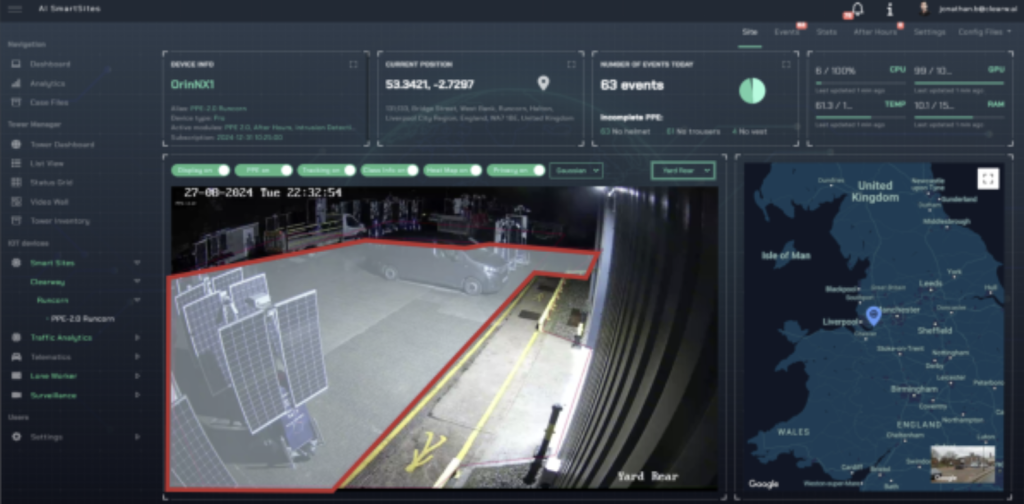
- Traffic Flow Monitoring: AI systems analyse traffic patterns around the site to identify congestion points.
- Dynamic Signalling: AI integrates with smart traffic signals to optimise vehicle flow and minimise disruptions.
- Incident Detection: AI quickly detects road incidents, such as collisions near the site, and alerts relevant authorities.
Using AI to Prevent or Lower the Risk of Accidents in Construction
A large proportion of accidents and near-misses that occur within construction are due to human error or operator mistakes – most commonly where personnel are reaching the end of a shift and are lacking focus, are complacent about their abilities, or are repeating a monotonous task and bypassing safety checks or controls.
As mentioned, AI-enabled monitoring can notify supervisors of non-compliance with PPE policies but can also scan for unusual behaviours or high-risk movement patterns, such as where an individual is showing signs of fatigue or inattention that necessitate an immediate break.
Automated scheduling can also incorporate data to create rotas and work patterns that minimise risks and avoid unnecessary strain or back-to-back shifts.
This depth of monitoring can activate automated reporting, eliminating the potential that an employee might not report a near-miss or operator error.
Construction management tools extract data and monitor patterns, helping with accurate, timely incident reporting and detecting whether multiple near-misses, reported or not, have been linked to the same individual, item of machinery or aspect of the site.
Integrating AI Construction Monitoring for Real-Time Alerts
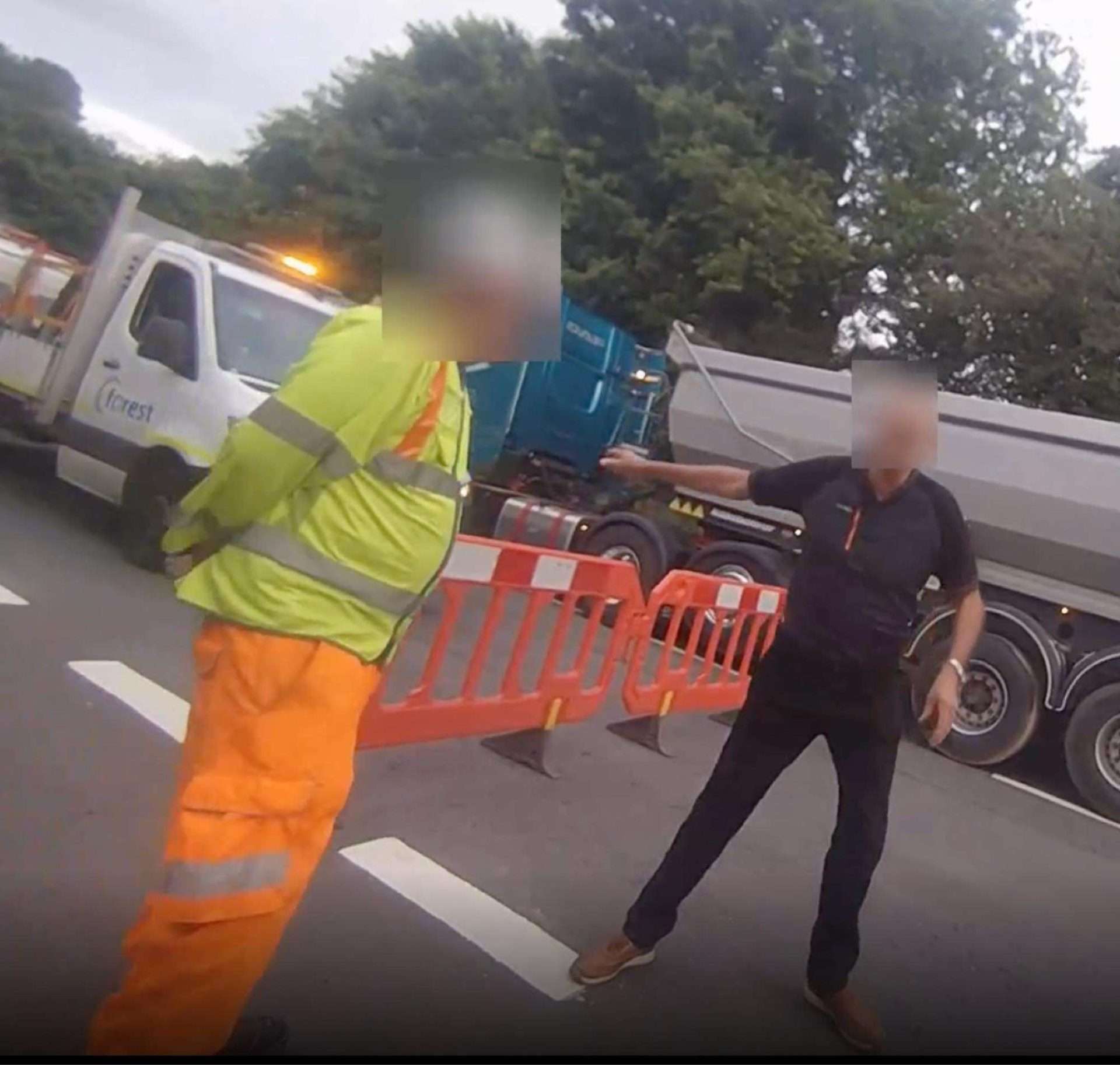
If an accident occurs, speed is a necessity, but AI may also be able to intercept a potential risk and notify the nominated supervisors to step in and take preventative action. AI-enabled cameras might, for instance, raise a flag when an employee enters a high-risk zone or operates equipment incorrectly.
Alerting managers rapidly when unsafe actions or behaviours are taken can be instrumental in preventing accidents or identifying cases where further training is needed.
One of the essential elements of AI that outperforms conventional surveillance is that it uses predictive intelligent analytics. It can continue to learn over time or cross-check near misses or safety scenarios with past data.
This level of insight means construction planners can identify potential safety hazards that may not have been obvious. and introduce better preventative measures to reduce site-wide risks.
Other applications include predictive maintenance, rather than taking any chances that a heavy-use item of machinery or tooling may require servicing or that an older industrial vehicle will remain in working order.
AI-powered systems can create notifications based on data sets to inform supervisors when a blade, battery, engine, or motor needs a preventative service or maintenance check. This reduces the potential for accidents or malfunctions and ensures better operational efficiency thanks to fewer breakdowns.

Future Uses of AI in Construction Safety
While AI has advanced remarkably, it has enormous potential to improve construction safety further, from real-time communications to predictive analytics and AI-powered hazard identification.
The benefits are profound. Site managers can demonstrate best practice compliance that supersedes the regulatory standards, ensure minimal or no reportable accidents or near-misses, and maintain an excellent reputation for protecting worker safety.
If you’d like more information about AI in construction safety and the cameras, surveillance, intelligent site monitoring and sensors available now, you are welcome to contact the Clearway team at any time to schedule a convenient time to talk.
Related content
Tue Aug 5 2025
Wed Jan 8 2025
Sun Aug 11 2024