

Having an empty rental property between tenants or during renovations can cause no end of headaches for tenants who want to be sure their rental unit and any belongings or fittings inside are safe and secure, yet may not be able to physically monitor the property or be close enough to respond to alarms.
Security requirements may depend on how long the property is expected to be vacant, since the security measures we recommend will vary between residential properties that are empty for a week or two pending a moving-in date and a long-term, empty commercial unit awaiting redevelopment.
We explore these and other key considerations, alongside guidance on the most effective security strategies for protecting vacant properties from both targeted and opportunistic threats.

Security for Empty Property Rentals: Quick Facts
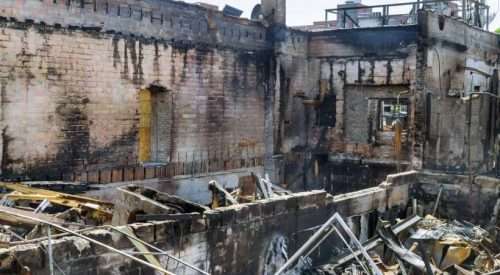
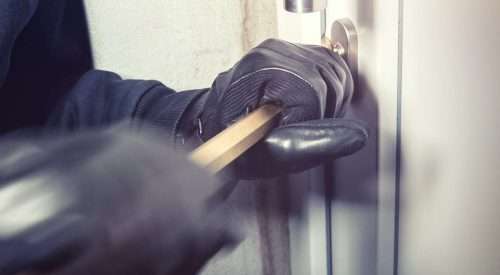
- Empty rental properties are often vulnerable to squatters, break-ins, fly-tipping and vandalism, primarily because it is clear the unit or building isn’t occupied, which attracts criminals and opportunist trespassers looking for an easy target.
- Proactive security measures can deter a large proportion of potential intruders, while regular patrols, high-performance alarms, and surveillance will ensure that any concerted attacks are identified and addressed.
- Tenants and landlords can work together to identify the best solutions, depending on who bears responsibility for insurance coverage and security, and, in some cases, permission may be required to install longer-term physical security deterrents, such as steel security screens and doors.
Considerations When Protecting an Empty Property Rental From Risks
There are endless reasons a rental property could be empty.
In many cases, this relates to redecoration or renovation work, pending planning permission or change-of-use applications, or simply because a tenant has taken on new premises and hasn’t yet moved in, or is waiting for an existing lease to end.
Security measures can be an effective way to control the risks associated with a rental property, but tenants will almost always need to communicate with the landlord, depending on whether they have a full repairing lease, already have permission to make modifications, or are responsible for security.
This may also be influenced by the party responsible for insuring the property, as commercial tenants typically need to purchase insurance and demonstrate the security measures they have in place, whereas this isn’t normally the case for residential tenants.
It is therefore worth reviewing the lease conditions and confirming with the landlord which steps you can take to protect the rental property and which measures are the landlord’s responsibility.
Here’s a list of the most important recommendations we’d make if you’re worried about an empty rental property and the potential for break-ins and criminal damage.
How to protect your empty rental property
1. Make sure All Entry Points and Locks Are Secure
Step one may seem obvious, but it’s often the case that empty properties that have been vacant for some time haven’t been kept in good condition, and windows that don’t close properly, locks that stick, and open rear access points can be a serious security concern.
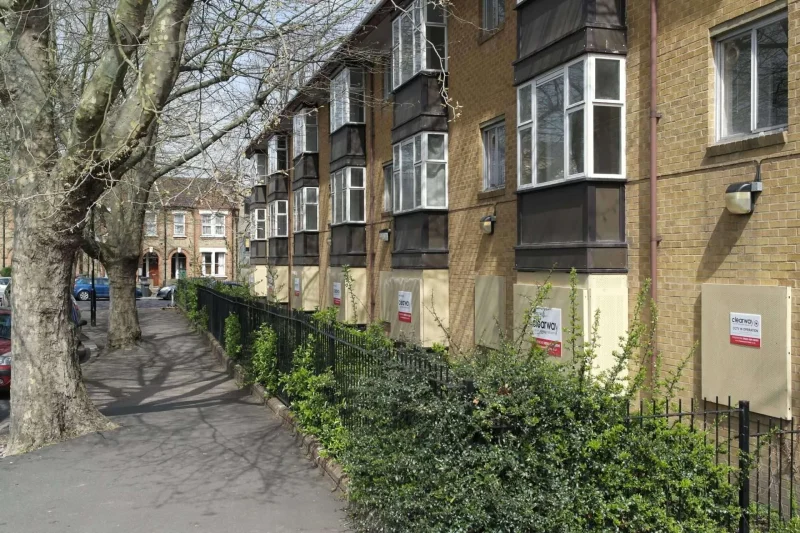
If you’re not going to be moving into or utilising the property in the near future and are worried about how easily an intruder could smash a window or force a door, you could invest in steel security doors and screens, available for short- and long-term hire, or boarding as a temporary resolution.
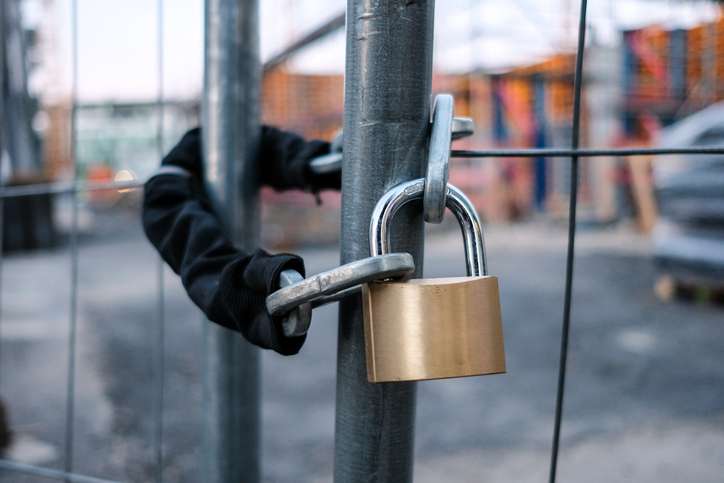
chain and padlock on gate at construction site – lock on closed fence
2. Ensure the Property Isn’t Obviously Empty or in Disrepair
Our next recommendation is to take steps to remove accumulations of junk mail and other debris that indicate the property is empty and also pose an unnecessary fire hazard.
Front entrances that are heavily overgrown or filled with waste can also act as a beacon for squatters, and you can organise waste removal services to ensure fly-tipped items are responsibly and safely disposed of.
3. Install and Maintain Active Wireless Intrusion Alarms
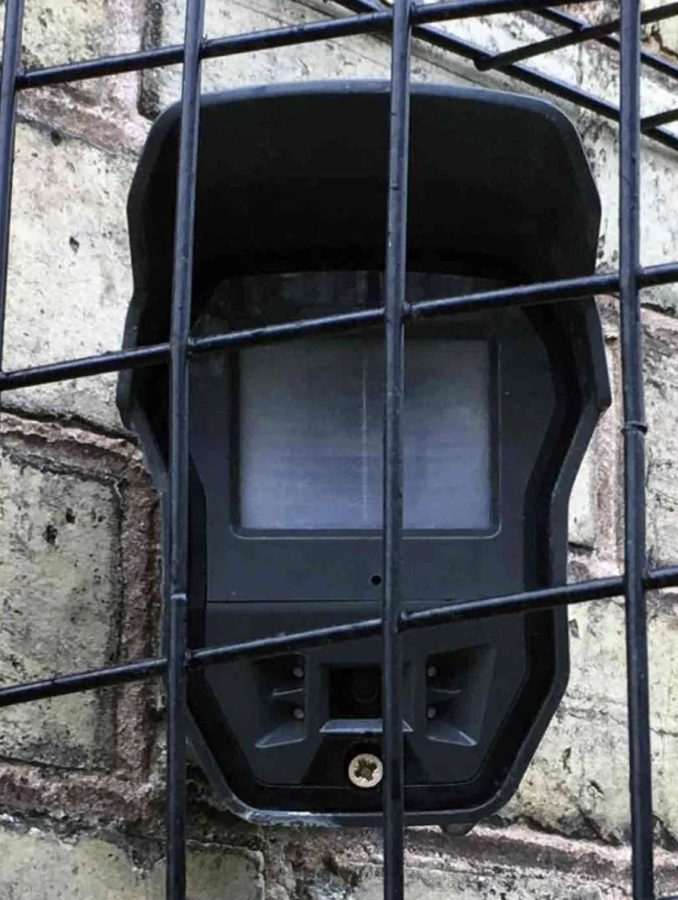
Install an alarm that doesn’t rely on mains power to operate. Wirelss alarms are ideal for vacant rental properties without a live electricity connection and can be upgraded to video-verified alarms. The latter generates an automated short burst of footage when an incident is detected, enabling responders to determine the exact cause and nature of the alert.
Alarm systems connected to an Alarm Response Centre don’t just sound a siren when a contact point is broken; they also trigger an investigation by trained responders who can liaise with appointed parties, including security guards and the local police.
4. Organise Regular Security Patrols and Property Inspections
Regular security patrols help give the impression that a vacant property is under active supervision and ensure that tenants have advance notice if there are any indications that the property has attracted interest or could be a target for an intruder.
Inspectors create detailed logs of the property’s condition, raise issues such as wiring problems that require urgent action, and inspect utilities, alarms, locks, entry points, and signs of tampering that may also need rapid attention.
5. Fit CCTV Surveillance for Higher-Risk Properties
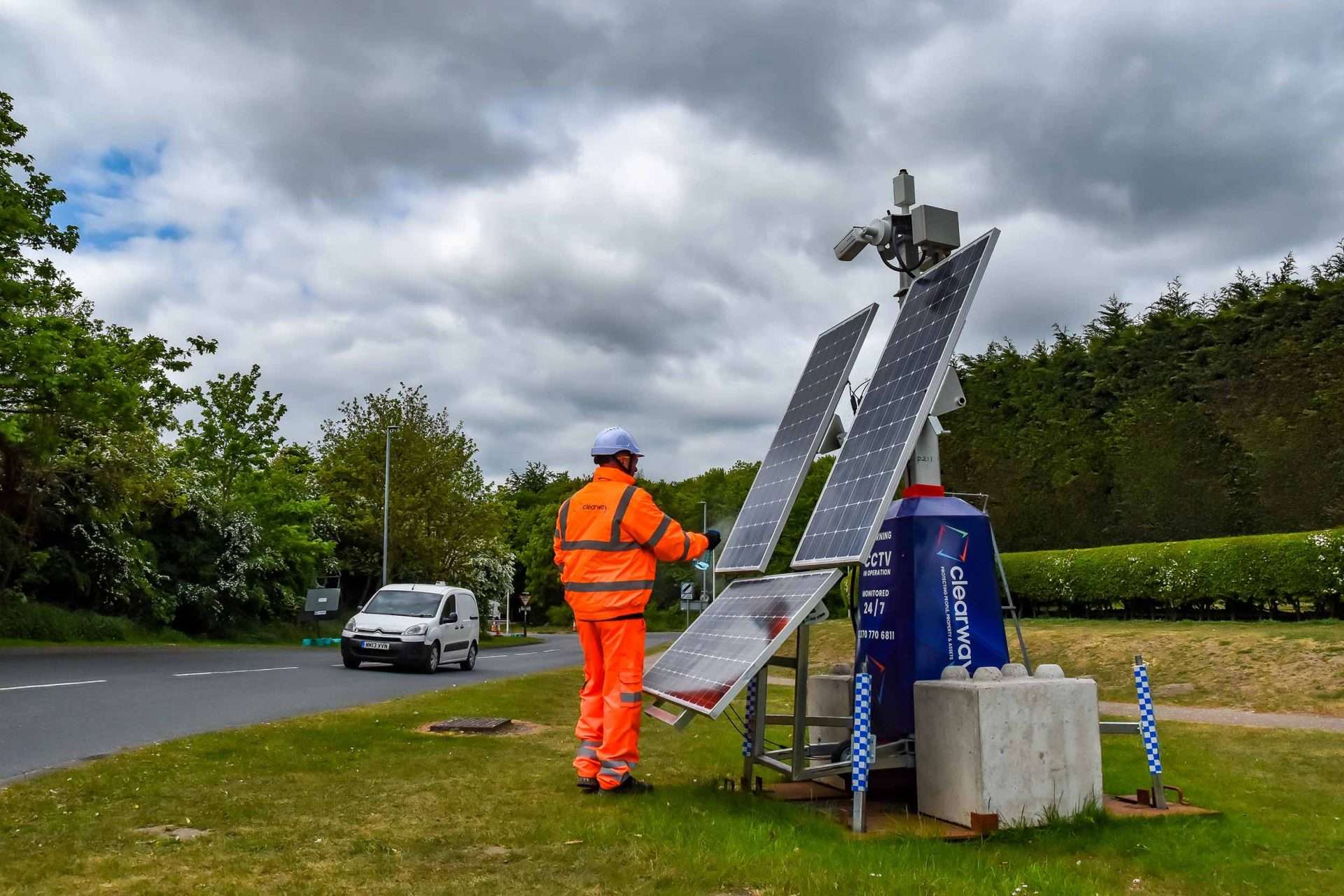
Wireless CCTV operates with solar or battery-powered systems that eliminate reliance on mains electricity and ensure surveillance continues to function even during power outages, and without the risk of wires or cables being cut.
For empty properties that are at elevated risk, such as commercial units within industrial estates that are out of sight and more likely to be targeted, this level of surveillance may be necessary to deter intruders, along with signage warning that the site is under constant supervision.
As with vacant property alarm systems, CCTV can trigger an alert sent to our response teams when anything outside the norm is detected, ensuring it is logged and the appropriate response is activated.

Protect you empty rental units with Clearway
These are just a few of the fastest and most reliable ways to enhance security for empty property rentals, and the best solutions will always depend on a thorough risk assessment that identifies the biggest vulnerabilities.
If you’d like more tailored suggestions about the most effective security solutions for your empty property, you are welcome to contact Clearway’s specialist advisers at any time.

Related content
Mon May 5 2025
Sat Sep 14 2024
Fri Jan 14 2022
Sat Feb 14 2026