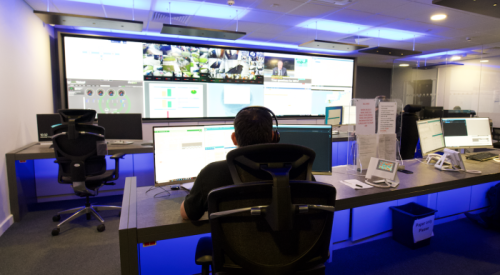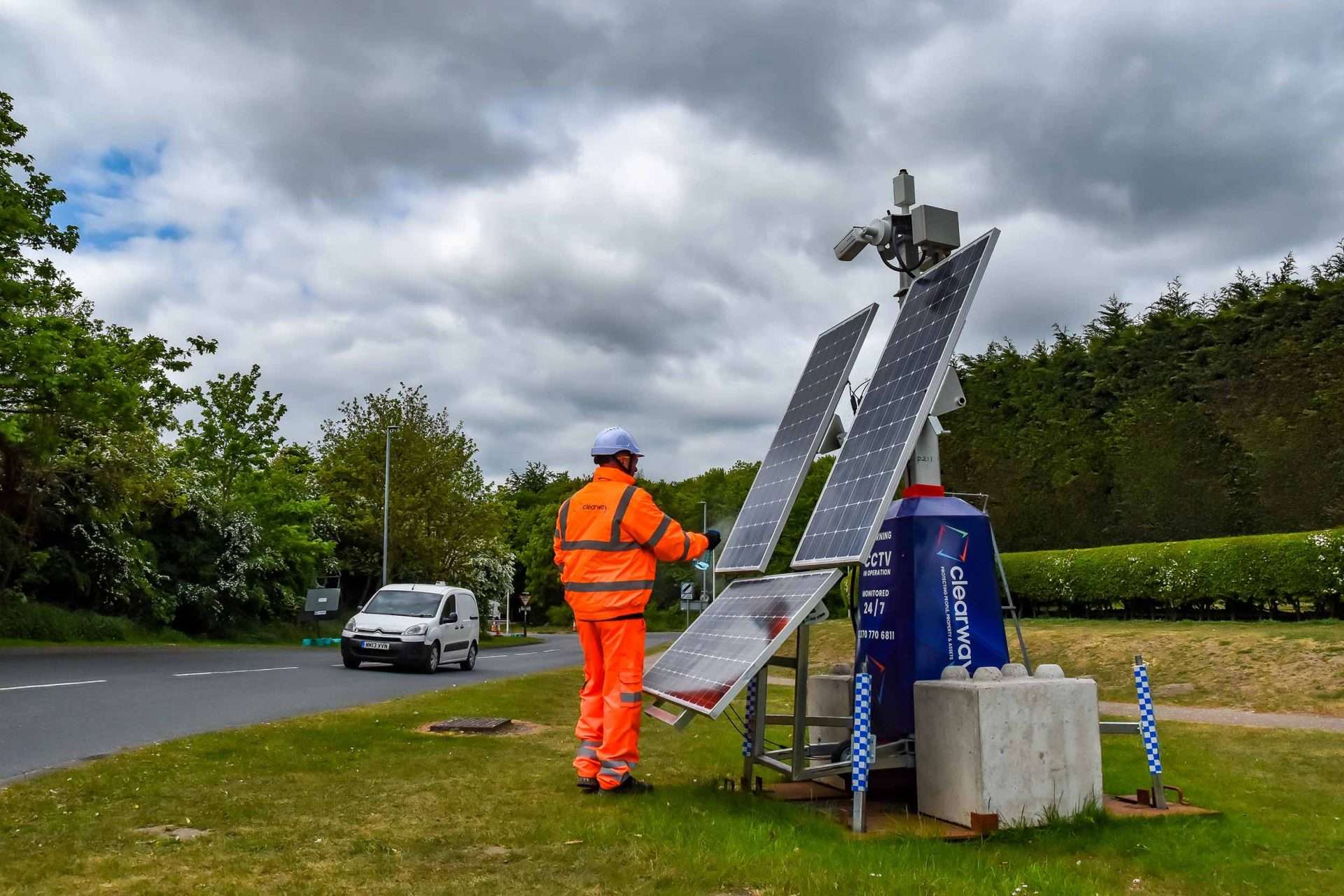



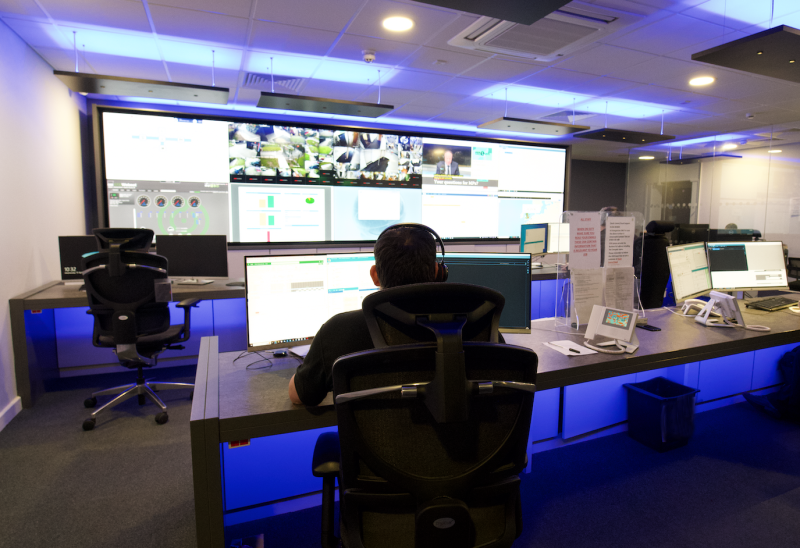
An Alarm Receiving Centre, or ARC, is a professional, controlled facility that manages alarm responses from a variety of security and fire safety systems, ranging from fire and intruder alarms to panic buttons to advanced CCTV surveillance networks.
There is a huge added value for clients, who have the assurance that any alarm or motion detector within their facility or building is under constant supervision.
Any live intrusion or attempted theft can be dealt with immediately, dispatching security responders or the emergency services as necessary.
Key Takeaways
- An Alarm Receiving Centre (ARC) provides continuous, professional monitoring of security and fire systems, verifying alerts in real time, filtering out false alarms and coordinating immediate responses through police, fire services or on-site teams.
- Accredited ARCs, such as Clearway’s NSI Gold Category II and ECHO-connected centre, offer enhanced reliability, faster verified emergency response times and strict data security, making them an essential extension of a robust risk mitigation strategy.
- By monitoring intruder, fire, environmental and personal safety alarms around the clock, an ARC significantly reduces risk, limits damage, improves safety outcomes and ensures businesses receive rapid, accurate assistance in genuine emergencies.

What is the Alarm Receiving Centre Response Proceedure?
While every client or business can tailor their response policies as required, the normal process is as follows:
- The alarm, motion detector or CCTV surveillance system initiates an alarm signal or raises an alert.
- A signal is transmitted securely directly from the client’s control panel or security system to the ARC.
- An operative reviews the signal and determines whether the alarm is a false alert, a real-time event, or an emergency such as a fire.
- Should the alarm have been activated during working hours, they may contact the appropriate staff member to share their findings or ask for on-the-ground verification of the cause of the alarm.
- Otherwise, the responder can review footage through video-verified alarms or CCTV cameras to determine what is happening and how to respond.
If an alarm is found to be legitimate, the operative will react accordingly, whether contacting the police, alerting on-site security teams, liaising with the fire and rescue service, or warning an intruder that they are being live recorded if the site has an audio challenge facility.
NSI Gold Category II status ARC is accredited to the highest possible level. It acts as an integral part of a security response service, augmenting the risk mitigation that security systems and alarms provide.
There are multiple layers of security with strict access controls to ensure all data transmitted to the ARC is only available to approved responders.
What Alarms Can an ARC Monitor?
An ARC can track and respond to a wide range of alarms and signals, covering both security and safety risks. These include:
- If an intruder is detected: This covers intruder alarms, motion sensors and CCTV systems. For example, if a motion sensor triggers at 2am in a warehouse, the ARC operative can immediately check live CCTV, zoom into the area and confirm whether it is an attempted break-in, wildlife activity or a staff member working late. If it is a genuine intrusion, they can issue an audio warning, contact the police or alert on-site security.
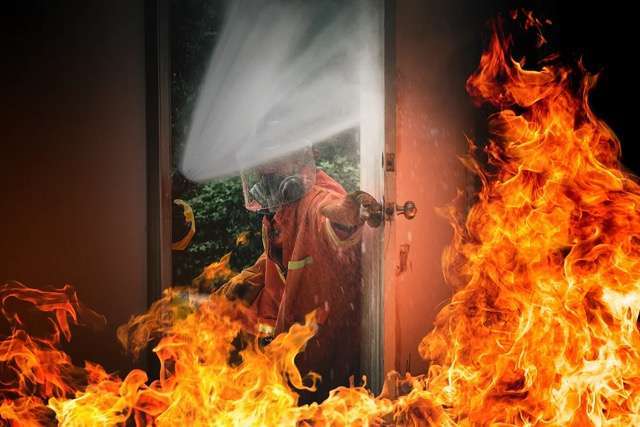
- If a fire or smoke alarm activates: Fire, smoke or environmental sensors may detect early signs of danger. If smoke is picked up in an office block, the ARC quickly verifies the alert by reviewing connected cameras or contacting the nominated staff member. If a real fire is confirmed, they contact the fire service straight away, reducing damage and preventing escalation.
- If someone activates a panic alarm: Personal safety devices, SOS buttons or panic alarms trigger instant notifications. If a retail worker presses a panic button during a threatening situation, the ARC sees the alert immediately, monitors the scene where possible and calls the police while keeping managers informed.
- If a lone worker signals distress: Lone worker devices and safety apps can detect falls, loss of movement or manual SOS activations. If a lone worker becomes unresponsive or triggers an alert, the ARC checks their location, attempts to contact them and dispatches emergency help if needed.
Depending on the security setup, ARC operatives may also:
• Remotely move or zoom CCTV cameras to verify activity
• Use detection or recognition tools to assess who is on site
• Arm or disarm alarms to prevent unnecessary night-time callouts caused by false triggers
This approach ensures every alert is verified and responded to quickly, accurately and in line with the client’s agreed procedures.
Managing Serious Emergencies With Support From an Alarm Receiving Centre
While genuine alarms are much less common than false alerts, often caused by wildlife, having a team of security responders on standby at all times can make a significant difference to your risk exposure, potential losses and the impact of an intrusion.
If a business uses Clearway’s security patrol, guarding or keyholding services, a responder might, in the first instance, communicate with the designated personnel or guarding team, depending on the severity of the alarm or circumstance.
In the worst-case scenarios, they will contact the emergency services directly only if they have verified with on-site staff or through CCTV cameras that there is a live incident underway.
This approach avoids ever calling the police or fire service for a situation that does not warrant an emergency response. ARCs are given specific identification codes called Unique Reference Numbers (URNs), which confirm their status as an approved security services provider and inform the police dispatcher or other service responder that the alert has been verified.
In many cases, the police will react quickly to a request to attend an incident lodged by an ARC with a URN since they know that the situation is serious, authentic and requires a rapid response.
Working With an Alarm Receiving Centre to Improve Fire Safety
While many clients primarily choose to contract their alarm monitoring to our ARC to improve the effectiveness of their security, they also find that there is a great deal of reassurance in having a response service always monitoring environmental alarms.
Fire and smoke detectors, fall alarms, and alarms that monitor other aspects, such as flooding or gas leaks, should always be responded to as quickly as possible – and having an operative call the fire service immediately can prevent extensive damage.
Particularly out of hours, many fire alarms are assumed to be false unless a fire is visible, at which point the flames may have spread and be considerably more difficult to get under control.
Choosing an Established and Accredited Alarm Receiving Centre
Like every aspect of your security services, we recommend using an ARC with a proven track record of high-quality support, sufficient quality controls, and staff training policies to ensure your systems are properly monitored and all actions taken are logged and reported.
A professional ARC is a very different facility from a conventional call centre and should meet rigorous industry standards.
Clearway is a sector-leading provider of nationwide security assistance and works with well-known enterprises in the public and private sectors, ranging from NHS facilities to commercial property development firms, high-security research and business compounds, and specialist construction companies. Our ARC is staffed continually, 24 hours a day and 365 days a year, with skilled responders who are highly trained in emergency response protocols and alarm verification techniques.
Did you know that Clearway’s Alarm Receiving Centre is ECHO-connected?
ECHO is a not-for-profit organisation delivering automated alarm signalling and messaging between ARCs and blue light services, speeding up deployment of blue light responders to emergencies.
Police response times are estimated to be 1-4 minutes quicker for ECHO-connected alarmed sites, this represents a significant increase in effective deployment – delivering better deterrence and outcomes for our clients.

Benefits:
- Accurate and faster alarm passing from machine to machine – reducing response times
- Accurate incident information – reducing the potential for human error by utilising digital information transfer
- Automatic incident acknowledgement – no verbal incident number requirement as this will be passed digitally
- Improved key holder information – ECHO will pass key holder ETAs and details
- False alarm management – ECHO can pass information back to our ARC on whether the alarm was genuine or false
With military-grade security and a secure, tamper and hacking-proof power supply backed by emergency generators, we are always on standby and contactable in an emergency.
We hold National Security Inspectorate Gold Standard approval, awarded to a select number of firms who meet exacting Quality Management Systems standards, alongside British Standard certification requirements related to BS 5979 – the UK standard for remote centres managing security or fire safety alarms.
For more information about the services we provide, our ARC, or how this can add value to your security setup and significantly reduce the potential of a security incident occurring or an attempted intrusion being successful, please get in touch at any time.
Frequently Asked Questions
How does an ARC know if an alarm is genuine?
Operatives verify alerts by reviewing CCTV, checking linked sensors, contacting on-site staff or using video-verified alarms. Only confirmed incidents are escalated to emergency services.
What types of alarms can an ARC monitor?
ARCs can monitor intruder alarms, CCTV, motion sensors, fire and smoke alarms, environmental alarms, panic buttons, SOS devices and lone worker systems.
Why is ARC accreditation important?
Accreditations like NSI Gold Category II show that the centre meets strict industry standards for security, reliability and staff training. They also ensure data is handled safely and response procedures are robust.
What happens when an alarm goes off out of hours?
The ARC receives the signal instantly. The operative verifies the alert using cameras or linked devices and takes action, such as calling emergency services or notifying the nominated keyholder.
Will the ARC contact the police for false alarms?
No. ARCs verify every alert before escalation. Only genuine, confirmed incidents are passed to the police, helping avoid unnecessary police callouts or fines.
How secure is an ARC?
Accredited ARCs use strict access controls, multiple security layers, emergency power supplies and robust data protection measures to ensure all signals and information remain secure.
How quickly does an ARC respond to alarms?
Response is immediate. Signals are received and reviewed within seconds, and escalation decisions are made without delay.
Can an ARC monitor multiple sites?
Yes. ARCs are built to handle high volumes of alarms and can monitor many properties or locations at once, ideal for multi-site businesses or national organisations.
Related content
Tue Jan 4 2022
NSI Gold Alarm Receiving Centre
Tue Jan 4 2022
Bespoke Construction Site Monitoring
Tue Jan 4 2022