


The latest rural crime report makes for surprising reading, the estimated cost of rural crime decreased by 16.5% year-on-year, to £44.1m. However, this encouraging news means little to farmers who have been the victims of costly machine theft and seen severe disruption as a result.
While general crime rates tend to be lower in the countryside, it is essential to consider the unique nature of security issues and threats in rural areas, particularly for farms, residential properties and businesses exposed to multiple risks.
Remote buildings that are not overlooked or in a populated area may be targeted since the absence of surveillance or traffic nearby can make theft, burglary, vehicle theft and trespassing easier, coupled with the complexities of using conventional security systems in these regions.
Counting the cost of rural crime
Figures fluctuated across the UK, with Wales the only area to see a cost increase, up 18% to £2.8m. Northern Ireland and Scotland saw decreases, down 9% and 33% to £1.8m and £1.2m, respectively.
The NFU Mutual Rural Crime Report 2025 indicates that rural crime continues to have a serious impact on farming families, from the financial cost of stolen equipment to the emotional distress caused by livestock attacks.
A survey of 115 NFU Mutual Agents found 92% believed rural crime was disrupting farming activities in their area and 86% knew farmers who had been repeat victims, leaving them feeling vulnerable in both their workplace and home.
NFU Mutual Chairman Jim McLaren wrote in the report: “While we can never be complacent, it’s promising to see that the cost of claims related to this issue fell in 2024, as we continue to work with partners to combat rural crime. The ongoing threat from organised criminals means that it’s vital that farmers, their communities, and the industry continue to unite against this.”
Government statistics show that recorded crimes in rural areas are lower than in urban settings, but in 2022 included 292 vehicle offences per 100,000 people – including thefts of vehicles, parts and belongings.
It is important to assess those crimes, incidents or thefts that pose the highest risk since these may vary between areas. Still, rural zones are more exposed to issues such as theft of farming equipment, machinery, tools, fuel, and residential robberies where remote properties are unsupervised, and criminals can trespass without being spotted.
Agricultural vehicle and GPS theft
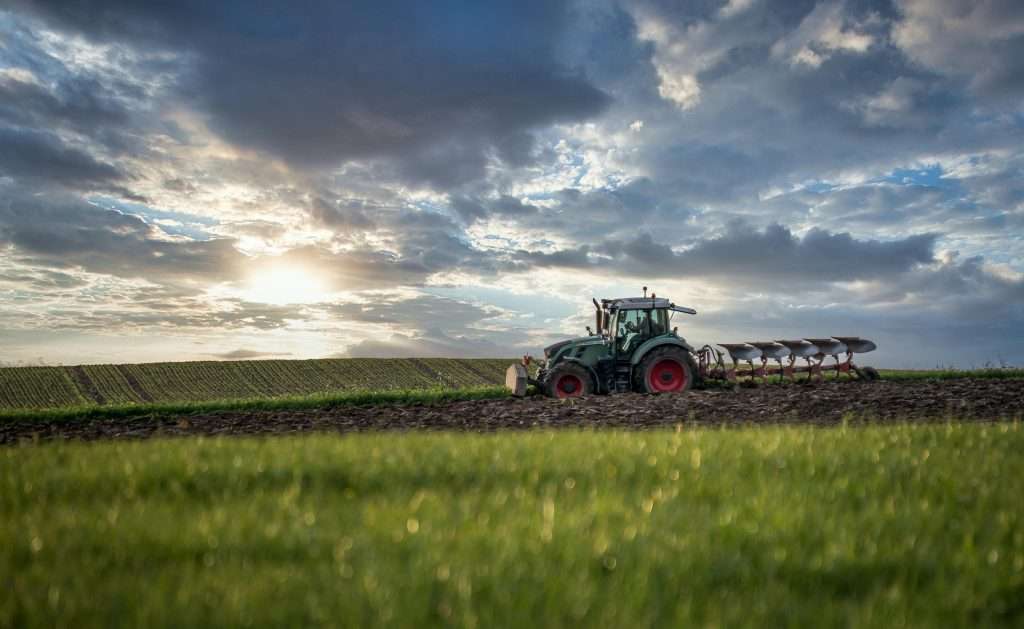
Agricultural vehicle theft claims cost fell 35% to an estimated £7m in 2024. Global positioning system (GPS) units experienced the largest cost decline (following a spike in cost in 2023), down 71% to £1.2m, but remain attractive targets for thieves due to their high value and portability.
The estimated cost of tractor thefts reported to NFU Mutual saw a rise of 17% to £1.5m as criminals sought out machines and their parts. Likewise, trailer theft increased 15% to £1.3m.
Livestock theft
In 2024, the estimated cost of livestock theft rose 3% to £3.4m. These incidents not only have a devastating effect on farming businesses, from disrupting breeding lines to the additional stress of sourcing and purchasing replacement animals, they can also be deeply upsetting for farmers and their families left worrying about the welfare of stolen farm animals.
Other issues
There have also been distressing accounts from farmers who have fallen victim to illegal and anti-social activities such as hare-coursing, trespassing, joyriding, and fly-tipping, and are living in fear of further attacks and retaliation from organised criminals.
In a city, monitoring equipment, pedestrians, and traffic make it more difficult for criminals to carry out robberies without being seen. The likelihood of a passer-by calling the emergency services is considerably higher, as is being captured on CCTV.
Further to this, remote homes may be empty during working hours, and businesses are commonly targeted overnight, particularly where big-ticket items such as farming equipment and tools are stored in yards or outbuildings.
Businesses such as post offices and shops are also more vulnerable in a village or countryside setting, where it is obvious when the unit has been closed overnight, and there is very little surveillance to catch a criminal in the act.
Tackling the Most Significant Security Issues for Rural Areas
Fortunately, advancements in communications and surveillance technology can safeguard people, properties and assets, and visible security measures can be an effective deterrent.
A prospective criminal is less likely to attempt to trespass on a site with CCTV cameras, signage warning of the site or property being alarmed, or where there are physical barriers or access restrictions.
Let’s look at the core issues and the solutions available to address them.
1. Lack of Power Infrastructure
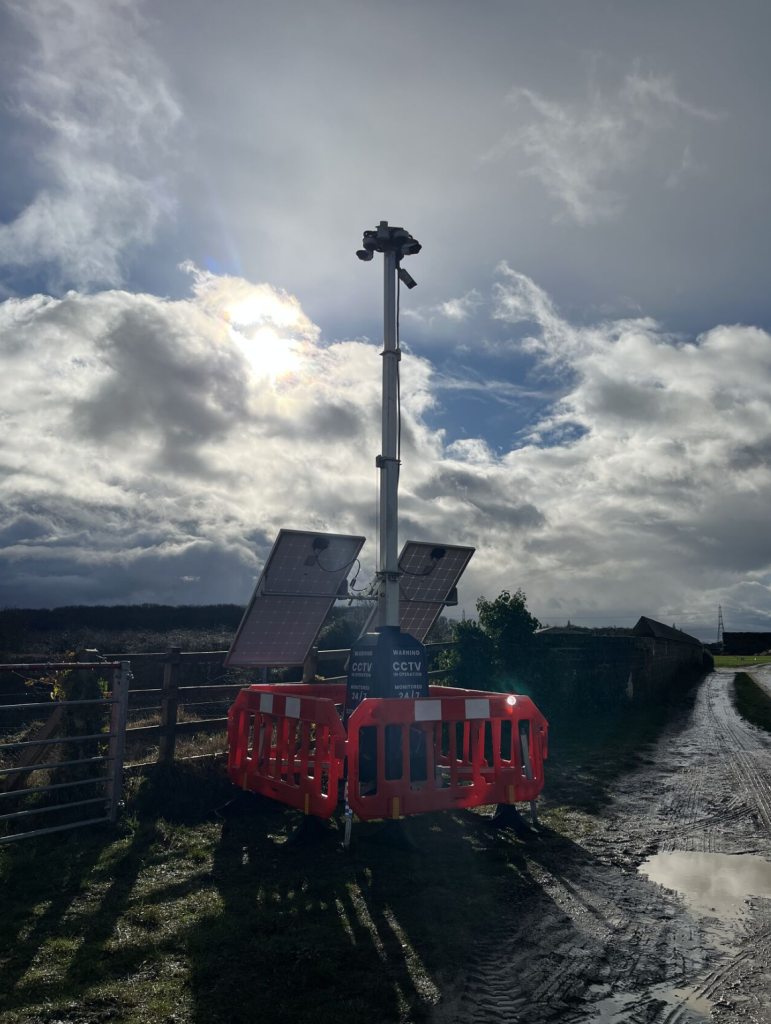
For many people living in small villages, farming communities and remote homes, installing CCTV surveillance or alarm systems may be complex because there isn’t a sufficient mains power supply, or the costs of running cabling across fields may be prohibitive.
The same issue applies to businesses and commercial facilities based in the countryside, where it simply isn’t possible to fit alarm units or high-powered security systems to outbuildings or perimeters spanning broad areas of land.
One of the fastest and most efficient options is to use a wireless security system, including:
- Wireless alarms fitted with commercial-grade battery units and suitable for rural properties, vacant buildings and perimeter security.
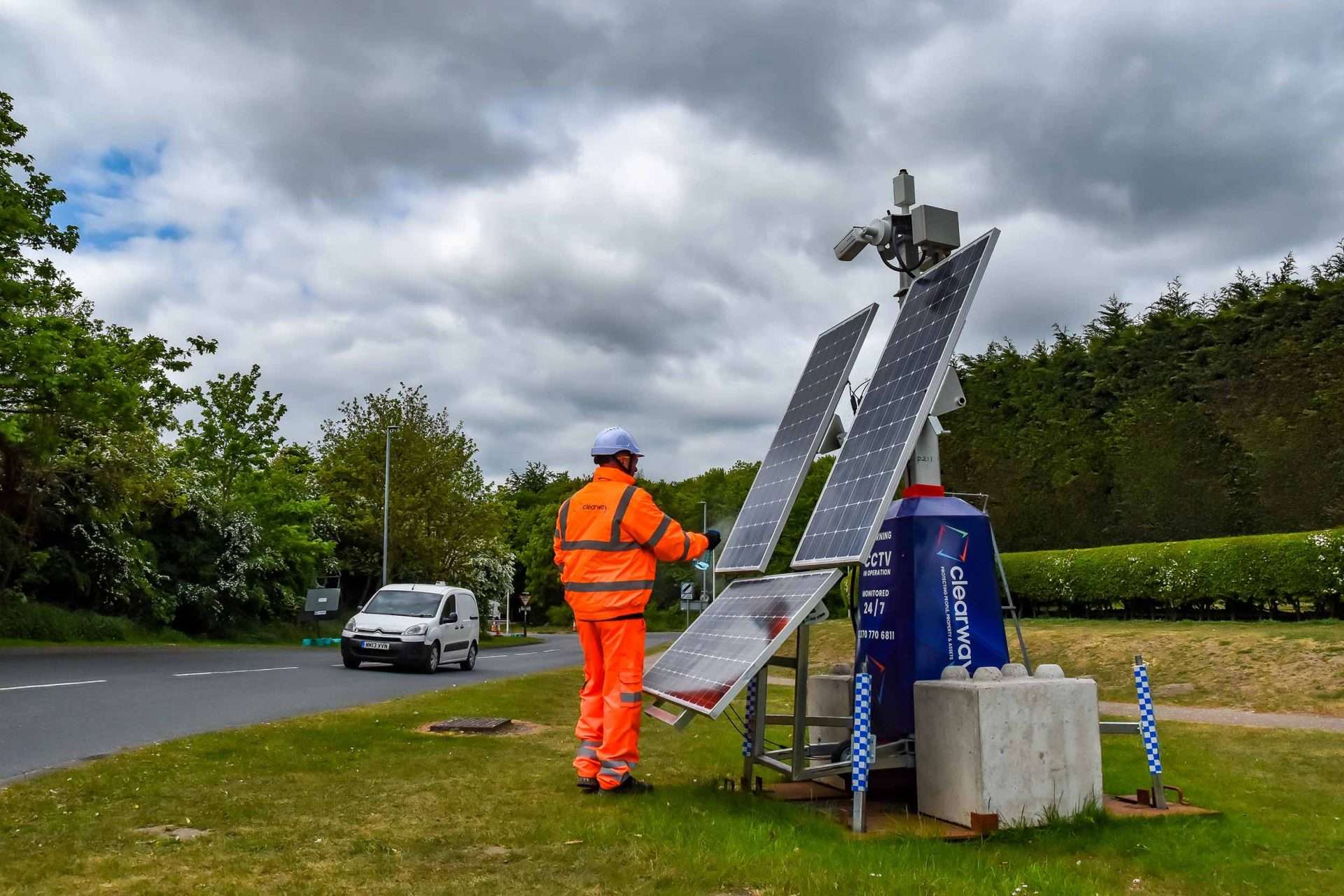
- Solar-powered CCTV towers and mast-mounted cameras, which work autonomously and can be positioned to cover wide zones.
There are also alternatives, such as perimeter fencing with independently powered alarm sensors and physical barriers, including concrete barrier blocks, used to protect rear entrances and routes that would otherwise allow intruders to gain access.
2. Poor Signal Coverage
Most villages and countryside regions have varying mobile coverage, where phones and other communication devices are unreliable or only work correctly on higher ground.
Professionally fitted alarm systems and security devices, including lone worker safety alarms and panic alarms, work anywhere, with always-on reliability, using secure dual-signal transmissions directed straight to our Alarm Receiving Centre.
Alarms without a monitoring procedure can be ineffective since a criminal may stage a false intrusion beforehand and see that although an alarm sounds, there is no rapid security response.
We provide a wide range of security hardware with cutting-edge transmissions to ensure that if your CCTV detects an intruder, an alarm sensor is activated, or your surveillance system identifies suspicious activity, the alert is raised immediately and cannot be interrupted or bypassed.
3. Protecting Large Areas of Land
Rural properties and farmland are attractive for many reasons, with low population density, plenty of outdoor space, and fresh air. However, the landscape within a countryside environment also makes it more exposed to criminal activity.
Alarm systems designed for individual buildings may not have the functionality to monitor every outbuilding, entrance gate or door, and even the most advanced CCTV cameras have a limited scope of vision.
There are several ways to address perimeter security across fields, open land and large areas, including:
- Randomised security dog patrols or K9 patrols, where qualified manned guarding teams can use surveillance equipment and certified guarding dogs to pick up on unwanted behaviour at great distances.
- Alarmed perimeter security, such as vibration sensor fencing or access control gates, which can prevent unauthorised individuals or vehicles from entering.
- AI-enabled cameras and towers, with floodlights, motion-activated sensors, auto-recording and video transmission, and audio warnings to advise intruders that they have been identified, are being recorded, and a security response is en route.
Combining a range of security approaches may be ideal, using wireless cameras and alarms for main entry points, high-scope surveillance for open areas of land, and perimeter and boundary controls to secure the further reaches of your property, business or land.
For more information about the right security systems to defend your rural home or commercial premise or to discuss any of the solutions mentioned here, please get in touch with the Clearway specialists at your convenience.
Related content
Wed Aug 24 2022
Commercial Intruder Alarms for Businesses
Sun Dec 15 2024
Tue Apr 2 2024