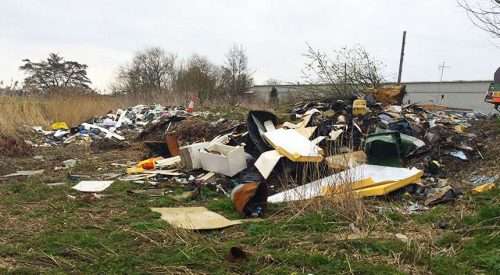


Illegal fly-tipping remains a major issue for councils and private land-owners across the UK, and those responsible will go to any lengths to avoid paying for waste removal services. They will dispose of their unwanted rubbish and possibly hazardous waste, despite the risk of being caught on CCTV.
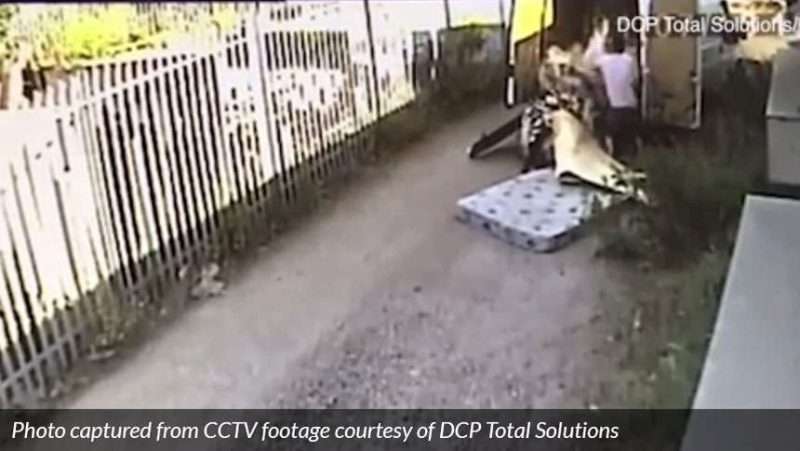
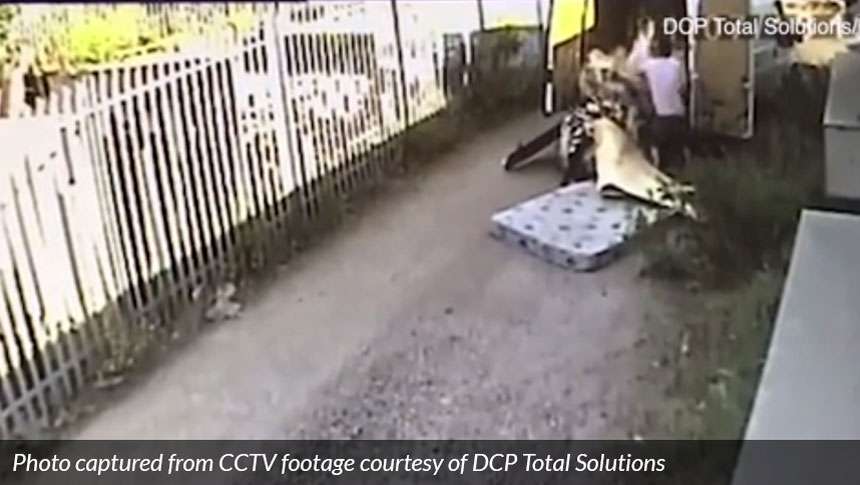
Recently a CCTV installation company in West Yorkshire captured, on their own CCTV security system, clear footage of fly tippers, including the vehicle registration and the identities of those involved, as they off-loaded waste material, mattresses, foam and bedding parts on the road.
In the video footage the driver is seen edging the vehicle forward to allow more and more waste to be dumped onto the road.
Ironically, the camera that caught these fly-tippers was hidden, suggesting the perpetrators were avoiding all the cameras they could see. This highlights the point that having CCTV cameras on full view is, in itself, a highly effective deterrent.
It is frustrating that as the land is privately owned, there is little the authorities can do, but the company posted the camera footage on social media and this has prompted the council to investigate further. Incidents like this can be handled by specialised fly-tipping removal companies.
The state of fly-tipping in 2025
Unfortunately, fly-tipping incidents like this are only becoming more frequent. Here are the latest fly tipping stats:
In England, local authorities dealt with 1.15 million fly‑tipping incidents in the year April 2023–March 2024—up 6% from 1.08 million the previous year.GOV.UK
That amounts to approximately 3,157 incidents per day—or one every 27 seconds. Hippo Waste
Over the last five years, reports have risen by over 20%.
Household waste was involved in 60% of cases (688,000 incidents), rising 5% year-on-year.
The most common incident sizes:
Small van loads (31%)
Car-boot-sized or smaller (28%)
Large-scale incidents (tipper‑lorry loads) rose by 11% to 47,000 incidents and cost £13.1 million to clear.
Most fly‑tips happened on highways (pavements/roads) at 37%; next were footpaths & bridleways (19%), then council land (17%).
The costs of fly tipping are ramping up
Fly-tipping isn’t just an eyesore — it’s expensive. In England alone, clearing large-scale dumps cost councils around £13.1 million last year. Factor in investigations, enforcement, and legal action, and the bill to the public sector climbs to an estimated £84 million.
Councils are trying to clamp down, but the figures show it’s an uphill battle. In 2023/24, they carried out 528,000 enforcement actions — everything from warning letters to legal proceedings. Fixed Penalty Notices (FPNs) remain the most common tool, with 63,000 issued last year, although that’s 5% fewer than the year before.
Court prosecutions are rarer, with just 1,378 cases making it that far — an 8% drop year-on-year. The average fine? Around £530. But here’s the problem: only about 0.1% of incidents result in prosecution, and a significant number of fines go unpaid. It means the financial and legal deterrent for offenders is still limited.
Policy Response & Crackdown
2025 has seen the government step up its response. Councils now have the power to seize and crush vehicles used in fly-tipping, and offenders can be billed for the cost. Technology is also being brought into the fight, with drones and AI CCTV increasingly used to catch perpetrators in the act.
Penalties are getting tougher too. Illegal waste transport and dumping can now lead to prison sentences of up to five years, and anyone handling waste must hold a valid licence — a move aimed at shutting down rogue operators.
Some campaigners are pushing for even more measures, such as adding penalty points to driving licences for littering, introducing packaging levies, and expanding bottle return schemes. Meanwhile, Scotland’s upcoming landfill ban in January 2026 is raising concerns that reduced waste disposal options could drive fly-tipping rates higher if not managed carefully.
Remember Clearway if you’ve been a victim of fly tipping.
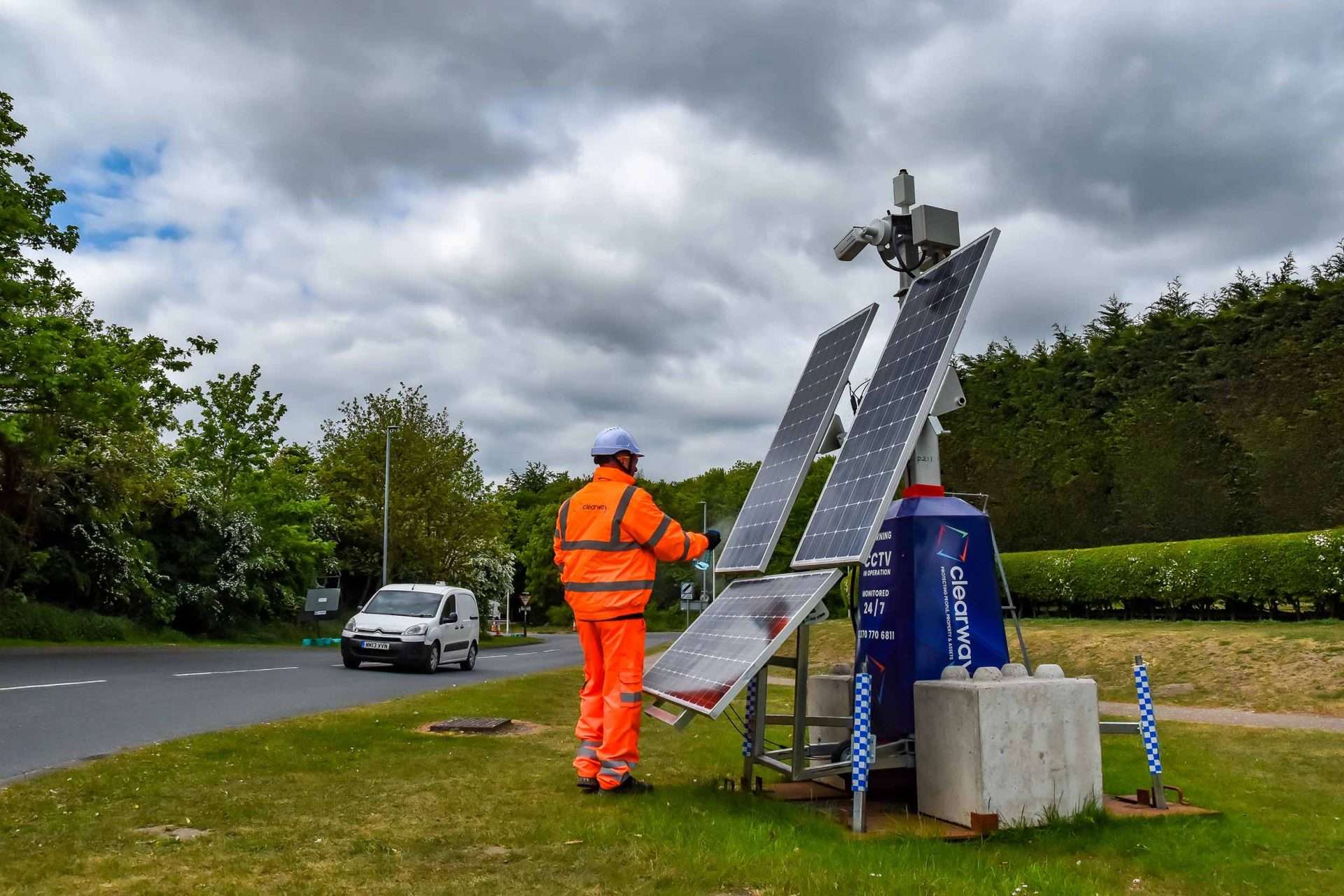
We help tackle fly-tipping head-on with a mix of prevention, detection, and rapid response. Our mobile CCTV towers, fixed surveillance systems, and 24/7 CCTV monitoring services act as a visible deterrent and provide the evidence needed to support enforcement action. From rural land to busy urban sites, we design security solutions that stop waste crime before it starts, protect your property, and reduce the costly impact of illegal dumping.
Related content
Sun Aug 10 2025
Wed Jun 5 2024
Sun Nov 24 2024
Tue Aug 5 2025