

Life safety systems are created to protect the well-being of any users within a building or premises, primarily developed for larger compounds, structures, workplaces or public-access spaces.
Although the specifics of a life safety system will naturally depend on the layout, location, and nature of the building or facility, the overarching aim is to ensure the right solutions are in place, from smoke and fire detectors to evacuation protocols, refuges, and emergency exits, to safeguard the lives of anybody on-site in the event of an emergency.
Designing an effective life safety system always starts with a thorough assessment of all the relevant factors, including the risks and vulnerabilities of each user group, the types of emergencies or threats that could arise, and the applicable mandatory safety regulations.
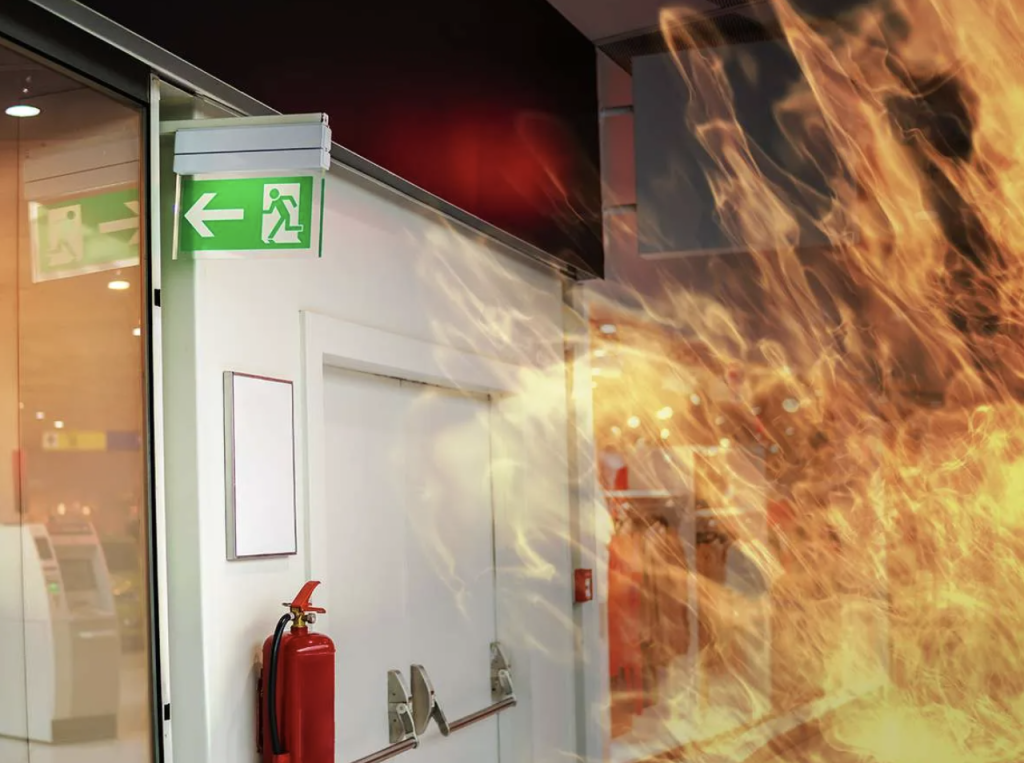
Key Facts Around the Introduction of Life Safety Systems
- Life safety systems are customised approaches that combine varied devices, sensors, alarms, monitoring services, and protocols to make a workplace, facility, building, or structure safer for everybody on-site when an emergency occurs.
- Advanced life safety systems can mitigate a broad range of safety risks, with sophisticated smoke, particle and heat detectors, autonomous alarms and rapid response systems that support immediate evacuations, isolate risks and notify responders once an incident has been verified.
- Organisations install life safety systems to meet their obligations and comply with health and safety legislation, reinforce security and safety provisions to keep visitors, customers, and workforces safe, and optimise their defences against structural damage or asset losses.
Life Safety Systems Explained
Each life safety system must be adapted to the exact risk factors assessed in the specific setting, but at their core, they are designed to detect and protect against emergencies, from fires and floods to security breaches and natural disasters.
The selected technologies are intended to identify risks or evolving emergencies, alert all necessary parties, trigger automated responses such as deploying fire suppression equipment or sprinklers, and minimise the potential that an emergency could result in injury, harm, or a fatality.
For example, some of the most common life safety measures include:
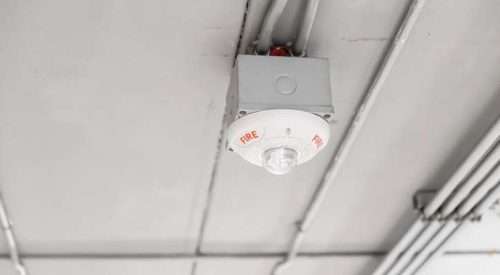
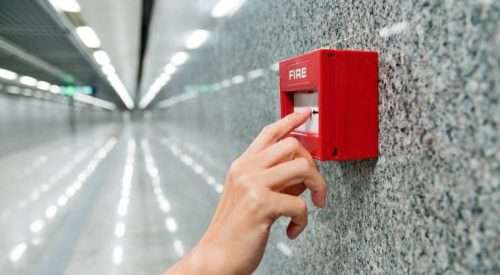
- Fire, smoke and air quality detectors to raise alerts and alarms when a fire or potential blaze is suspected.
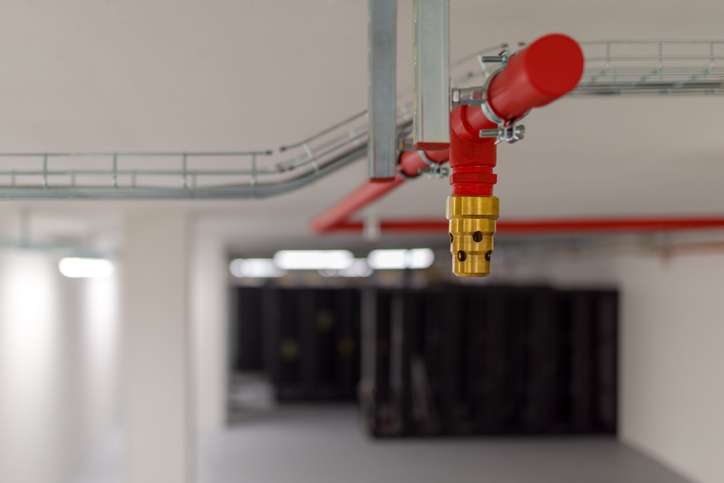
- Fire suppression systems and extinguishers to prevent fires from spreading, protecting lives, business-critical spaces and controlling fires until the emergency services arrive.
- Emergency coordination and evacuation systems that circulate alerts or inform all site users of the correct exit route or action to take.
- Training and signage for visitors and personnel, ensuring there is no uncertainty or ambiguity about how to respond to an evacuation signal.
- Air filtration and smoke control systems, alongside emergency lighting, to prevent smoke from obscuring signs, highlight safe exits, and defend against smoke inhalation.
- Evacuation planning, refuges, and emergency exit devices, used to activate doors, gates, or non-standard exits to guide building occupants to safety as quickly as possible.
Of course, this is not an exhaustive list, but hopefully, it illustrates why life safety systems aren’t one standalone device, unit, or policy but instead multiple moving parts, from technological safety detectors to protocols and lighting, all of which work together to mitigate risks to life.
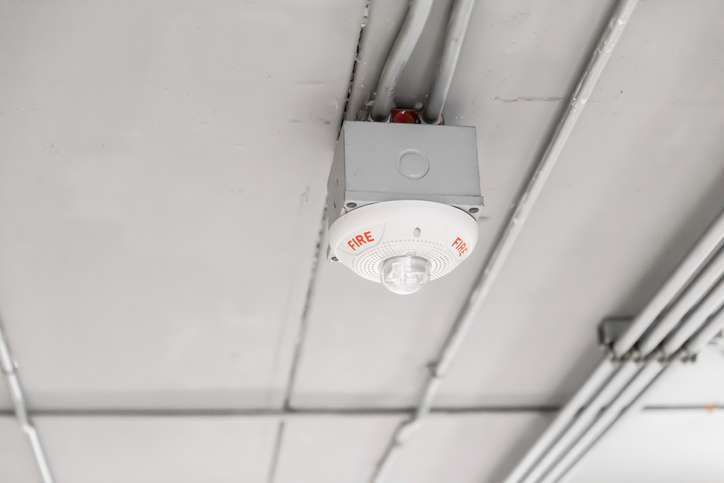
The Rules and Regulations Applicable to Life Safety Systems for UK Organisations
All British companies, office spaces, and public facilities, including schools, hospitals, libraries and public transport vehicles, as a few examples, are bound by the standards laid out in the Regulatory Reform (Fire Safety) Order 2005.
This dictates that sufficient, proportionate, and appropriate fire safety provisions, such as fire extinguishers, must be available and relevant to the size, layout, fire risks, and context of each non-residential building.
Each premise is required to ensure there is a suitable method of detecting a fire, which is reliable enough to provide a high degree of certainty that the fire will be identified quickly, and will result in an emergency alarm and warnings to facilitate building evacuations.
The key to full compliance and best-practice life safety systems is to work with a knowledgeable fire safety advisory team. We can assist with fire risk appraisals, analyses of your current setups, and commission tailored life safety systems to bring risks under control while staying within your budget.
Benefits of Professionally Installed and Designed Life Safety Systems for Businesses
From a commercial perspective, life safety systems can provide compelling benefits which extend beyond compliance with fire safety legislation. These include:
- Ongoing cost savings, with all services delivered by one life safety system provider, without reliance on multiple contractors, monitoring services or maintenance companies to manage individual components of your fire safety assets and provisions.
- Easier adherence to sector or business-specific occupational health and safety requirements, particularly relevant to organisations with elevated fire or health risks impacting personnel or visitors.
- Potential reductions in insurance coverage, with safe working environments protected by robust life safety systems considered less likely to submit a valid insurance claim, and competitive premiums available when fire safety devices and systems are accredited to a recognised standard.
- Minimised business disruptions and reduced risks of serious fire or weather-related damage, supporting ongoing productivity and less exposure to downtime or closures to manage repairs.
Companies that need to take a strident approach to fire safety also opt for an integrated, fully functional, and automated life safety system to ensure they represent excellent standards in terms of employee safety, stakeholder confidence, and the peace of mind each visitor has that they are in a well-managed, controlled space.
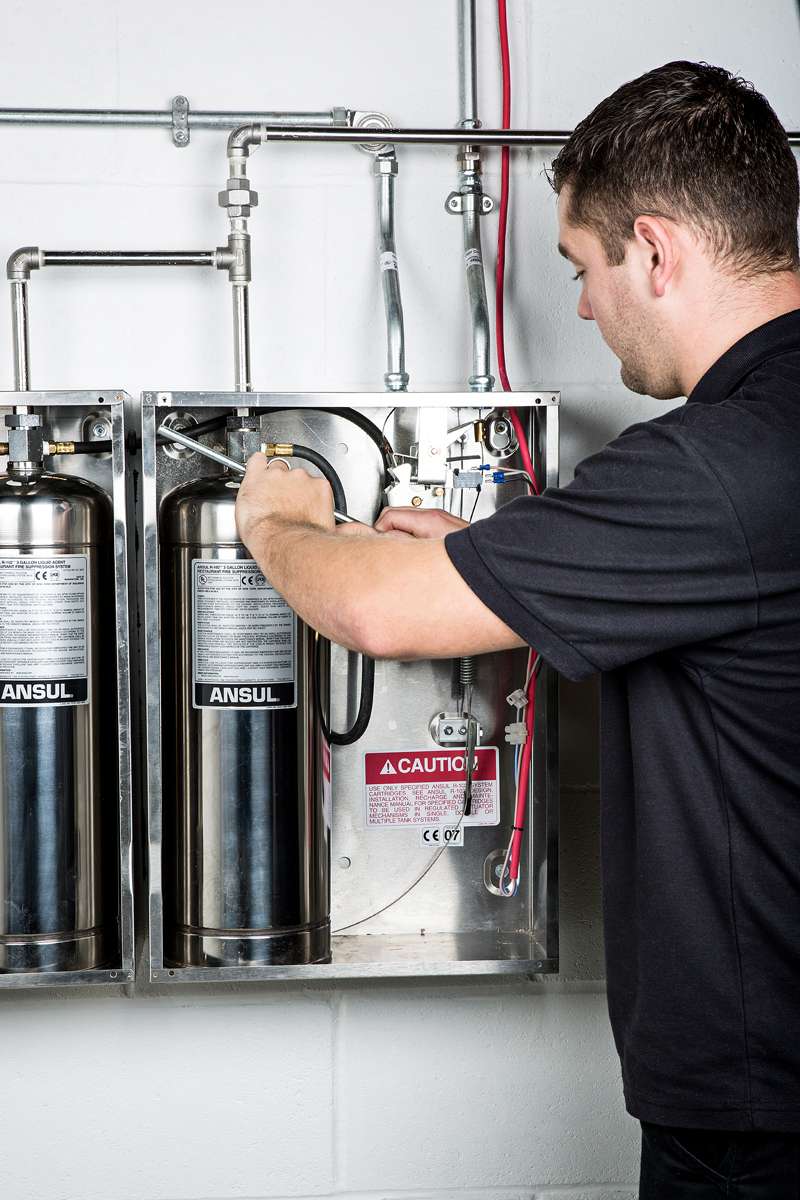
Independent Advice Around Designing a Customised Life Safety System for Your Premise
In this article, we’ve covered the basics of life safety systems to clarify what they are, how they work, and the benefits they offer.
As always, the right approach should be tailored to your organisation and risk profile. This ensures that your systems are validated by thorough risk assessments, properly tested, and mitigate risks to life, health, and safety to the highest degree possible.
If you’d like further information or advice about the best approach to developing a life safety system for your building or company, please don’t hesitate to contact us.
Related content
Mon Jul 18 2022
Fire Alarm Monitoring Services
Mon Jan 8 2024
Commercial Fire Alarm Installation
Mon Jul 25 2022