

Intruder alarms, on the face of it, are relatively simple; they are alarm systems engineered to activate a response when an intrusion is detected.
Standard intruder alarms might, for instance, operate with touchpoints or sensors on either side of a window or door panel and sound an alarm if those sensors move, indicating the window or door has been opened.
The evolution of modern intruder alarms and advanced intrusion detection, however, surpasses conventional functionality by a very long way.
With the prevalence of opportunist break-ins, out-of-hours thefts, and robberies affecting a huge array of businesses, it is little surprise that advanced intruder alarms have become in high demand.
Contemporary intruder alarms might be connected to a 24/7 alarm monitoring centre, incorporate cameras to record the nature of the activation, or transmit immediate notifications to security personnel and guards rather than only emitting an audible noise – something potentially easy to ignore.
Intruder Alarms: The Basics You Need to Know
- Intruder alarms are used in every sector, industry, and residential setting. In their basic form, they act as static, passive sets of sensors and alarms that emit a noise when something triggers the alarm, usually the opening of a window or door.
- Commercial intruder alarms have adapted to the modern security landscape. Today, you might find intruder alarms with automated functionality, instant security notifications, and even cameras integrated into the alarm unit to record the perpetrator or identify if an alarm is genuine.
- While intruder alarms often form a key aspect of security, it’s also important to select the alarm systems with the range and capabilities you require to present a deterrent, choosing alarms that don’t just respond passively to an attempted break-in but actively deter criminal activity.
The Components of a Commercial Intruder Alarm System
Intruder alarms are there to protect premises from unauthorised and illegal entry, and the ideal is to have an alarm system that initially acts as a preventative measure and secondarily can inform the relevant people – be that your on-site security personnel, mobile security patrols, or the emergency services – when an incident is underway.
Depending on your requirements and the placement of your intruder alarm, these devices will usually incorporate:
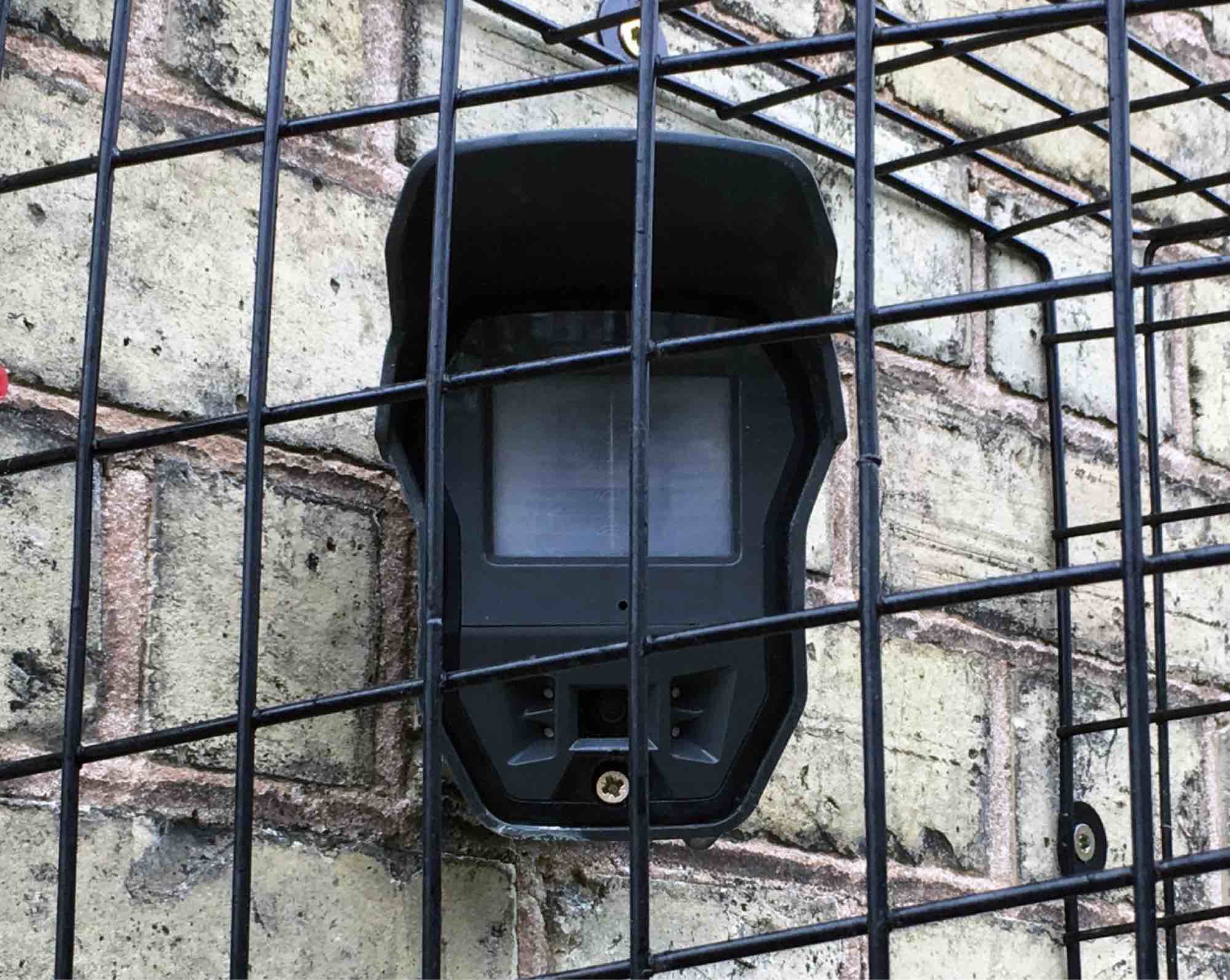
- Sensors that can pick up on movement, ranging from glass break detectors and door and window sensors to microwave detectors and motion-activated alarms.
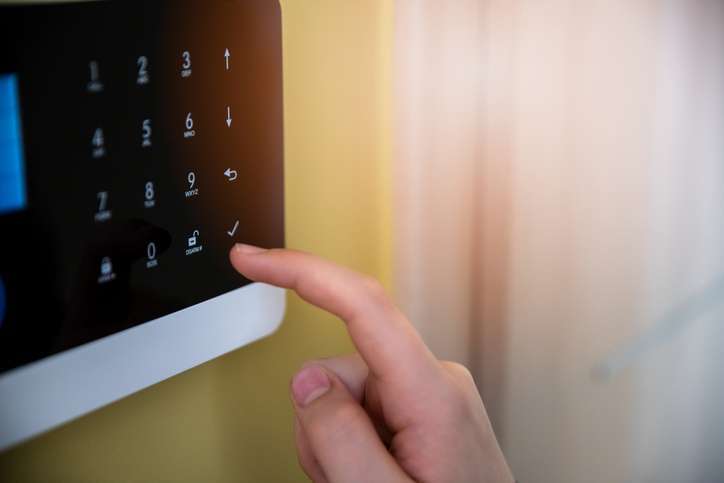
- Control panels that allow you to set or deactivate the alarm and provide the functions used to process signals sent to the control panel from the sensors.
- Alarm or bell boxes that produce the audible siren and often show a flashing light when the alarm has been activated.
- Transmission features, which enable the alarm to send an alert to the relevant people, such as keyholders, security teams or the emergency services. This communication function is also necessary to share alarm activations with our Alarm Receiving Centre (ARC), an essential aspect of monitored intruder alarms.
These alarms can be used in varied settings, from offices and trade counters to warehouses and educational premises – pretty much anywhere there is a risk of a break-in or covert attempts to gain access away from supervision.
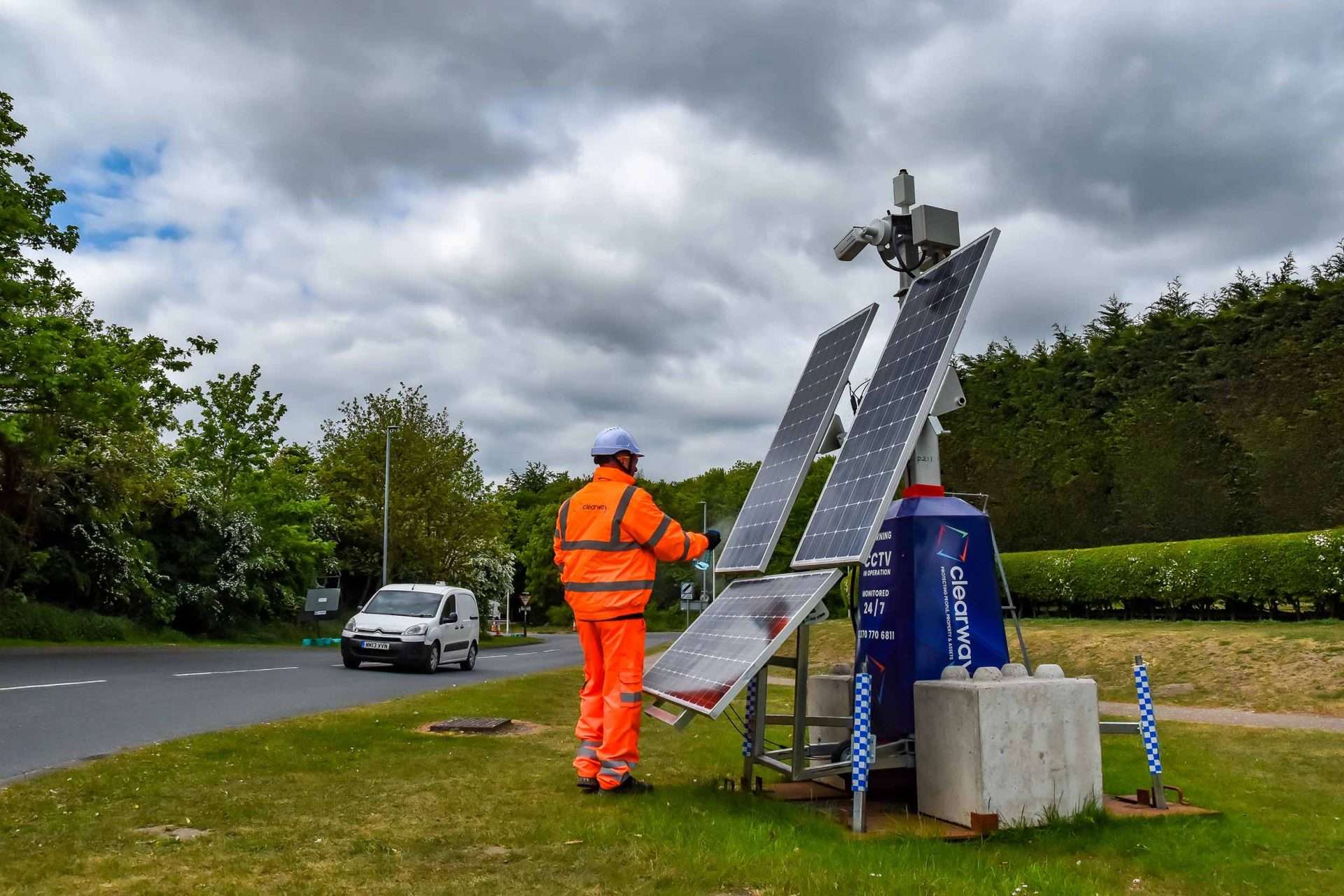
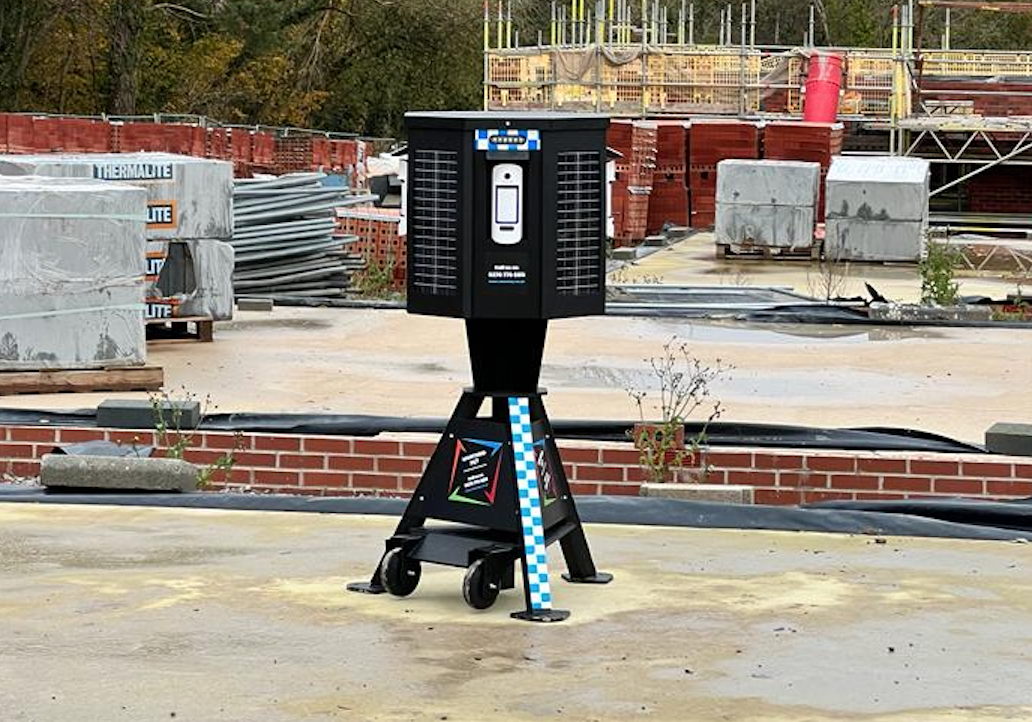
Alternatives include wireless and remote intruder alarms that function autonomously, ideal for vacant properties and commercial units, and perimeter intrusion detection systems (PIDS), designed to detect intrusions across broad areas of land such as agricultural sites and larger commercial compounds.
Understanding the Importance of an Intruder Alarm Within Commercial Alarm Security
For most businesses, the aim is to prevent break-ins or intrusions, deter criminals from targeting a business premise, identify risks like flooding, gas leaks, or fires quickly, and ultimately ensure sufficient security to protect the building as much as possible from damage and danger.
Installing advanced intruder alarms, especially those with real-time security notifications and CCTV integrations, can protect assets, safeguard inventory, and reinforce the protection of sensitive data.
Businesses may also require an intruder alarm as a mandatory condition of their commercial insurance policy, where it is common for insurers to mandate that all eligible clients have an alarm that meets minimum standards or that a more competitive insurance product or price is only available for those with a monitored intruder alarm.
The added features available in modern intruder alarms go further, providing instant notifications when unauthorised entry attempts are detected, alerting keyholders, our trained responders and any other relevant personnel.
These alarm units can be interlinked with other assets and devices within your security setup to augment surveillance and monitoring.
For example, they can integrate with CCTV installation to ensure any alarm activations coincide with live-stream captures or use the video-verified alarm features we’ve mentioned to identify the real-time cause of the alarm.
Advanced Features and Capabilities Within Custom Intruder Alarms
One of the functions we often recommend is a backup power source, particularly for businesses with elevated risk profiles. This ensures that your alarms won’t become redundant if there is a power outage and are not vulnerable to wire tampering, rendering them void.
Tamper alerts are also available, which provide the same quick notifications when there is any interference with the alarm unit itself or its transmissions. This allows a rapid intervention or investigation, often before a crime or intrusion takes place.
Businesses can invest in varied technological intruder alarms, such as thermal imaging to detect human activity or movement within their perimeters, IoT and AI-enabled alarms that track behaviour and patterns to pre-empt potential intrusion attempts, and biometric access controls, where approved staff can bypass the alarm seamlessly.
Finally, if you are using intruder alarms to protect a premise out of hours or overnight, it could well be worth investigating the dual uses of access controls linked with alarm systems.
This kind of set-up can provide automated opening and closing for doors, electronic gates and bollards by tracking the number plate of approaching vehicles or faces of individuals, granting access when the person or car is known, but preventing anybody not included on a pre-approved database from entering.
Your alarm system can then initiate the appropriate intervention, emergency response, or security protocols as soon as the access controls detect anything outside the norm or outside of your programmed parameters.
If you’re looking to install a commercial intruder alarm to protect your business premises, get in touch with Clearway today.

Daniel Meeajane 
Business Development Director, Clearway Fire and Security
Daniel Meeajane is a Business Development Director for Clearway Fire and Security.
Having been involved in some major projects and achieving successful results Daniel uses his knowledge and experience to leverage awareness in Fire Protection. To do this a deep understanding of the BS 5839 PT1 is required along with keeping updated on the latest technology.