

Commercial insurance providers often require businesses to meet specific standards for alarm systems as part of their terms and conditions. These standards outline the minimum level of protection they deem acceptable to maintain coverage.
Failing to install or maintain an approved alarm system can result in claims being rejected, even if all other conditions are met.
For business owners relying on buildings and contents insurance, it is essential to thoroughly review and comply with the alarm system requirements outlined in their policy. This ensures their coverage remains valid in the event of a break-in, fire, or other emergencies.
Alarm system requirements typically address factors such as system type, installation standards, and maintenance frequency, as the cost and reliability of your coverage are closely tied to the effectiveness of your alarm system and its ability to reduce the risk of a claim.
Commercial Insurance and Alarm Requirements
- Business insurance policies include various terms and conditions for alarm systems, many of which refer to the minimum standard of alarm grade, security, locking mechanisms, and systems you have in place – all of which reduce the likelihood of a break-in.
- Using an alarm and an installation provider with a recognised accreditation can improve your business’s eligibility for insurance products and potentially reduce the cost of your policy, since the insurer will know that the protections are robust and meet minimum quality standards.
- Either confirming that you have a compliant alarm when you do not or having an appropriate alarm system and not using it as directed can invalidate your insurance and mean, in the event of a claim, the insurer would reject it.

Understanding the Reasons for Business Alarm Requirements for Insurance Coverage
The world of insurance revolves around risk. When a business purchases a policy or applies for coverage, the insurance provider needs to calculate the risk that the client will make a claim, the potential severity of that claim, and how much it might have to pay out.
It makes sense that if a commercial client is very unlikely to ever claim on their insurance due to excellent security provisions and cutting-edge alarm systems, the insurer is more likely to approve the application and offer a competitive cost for coverage.
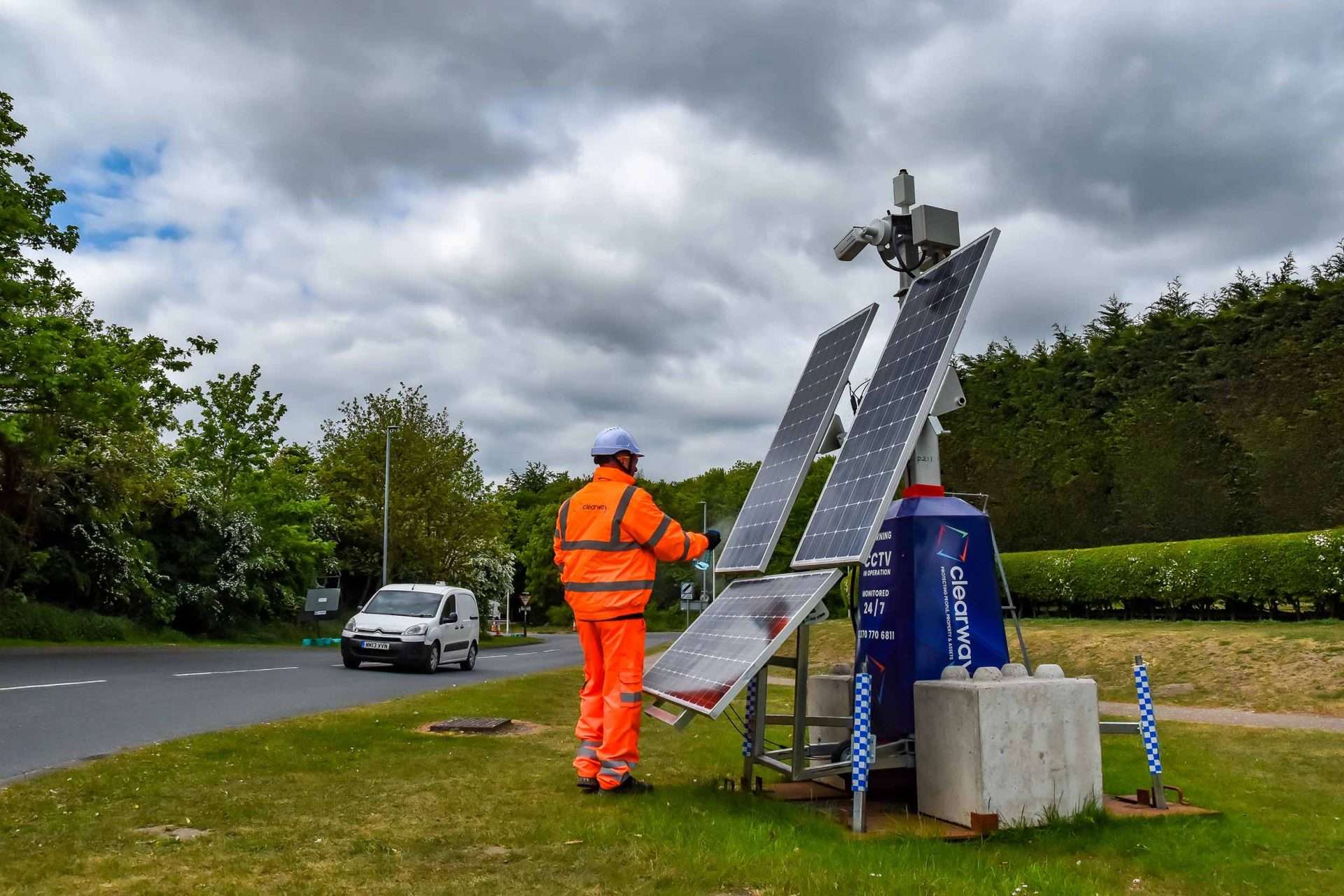
Adding further security can also be beneficial, such as CCTV, 24/7 alarm monitoring, and AI-enabled surveillance and sensors, all of which minimise and mitigate the risk to your business and your insurer.
In short, an insurer wants to know that you have taken adequate measures to safeguard the buildings and all of its content – anything included within the insurance – and that you aren’t using low-grade, unreliable alarms and locks that make a break-in or theft far more likely.
There is an alarm grading system that runs from grades one to four, which may be relevant to the type of insurance products you are eligible for, the cost of that coverage, and the standard of alarm you are expected to have.
Grade 1 is lower-risk insurance for premises that aren’t expected to be a criminal target. Risk and security requirements increase up to grade four alarm standards for businesses with an elevated security threat.
4 Alarm Requirements for Business Buildings and Contents Insurance
Every insurer is different, and much may depend on their assessment of your business, the location and type of commercial premises you have, and the calculated risk, but we’ve summarised below some of the standard requirements across the UK.
Grading and Functionality of Business Alarms
There are thousands of alarm systems on the market, and your insurer will very likely have minimum expectations. Most business clients need fully monitored alarms rather than audible-only alarms, which simply emit a sound when a sensor is activated.
Policies typically state that the alarm itself must be compliant with several standards, including BS 8243:2010, BS 5969, EN 50131 and PD 6662:2010. These relate to the alarm, its installation, ongoing maintenance and signalling transmissions.
Depending on the risk and type of business, you’ll also usually need to offer evidence that you have a professional alarm monitoring system in place provided by an inspectorate-approved business, such as our NSI Gold II Cat Alarm Receiving Centre (ARC).
Professional Alarm Installation
While the standard of your alarm is one aspect, many insurers will ask to see a Certificate of Compliance or other record stating that your alarm has been fitted by a qualified, reputable, and accredited installer with National Security Inspectorate (NSI) membership.
This matters because, even if you were to purchase the most advanced alarm system and install it yourself, there is a strong chance that the position and fitting of the alarm, the field of coverage and the integrations with other security assets will not be close to NSI standards.
Alarm Usage and Maintenance
Insurers will require all commercial clients to carry out regular servicing and alarm maintenance, completed by a provider with either NSI accreditation or an alternative, to offer the assurance that the alarm remains fully functional and is being serviced correctly.
Commercial sites also often have usage requirements, such as committing to setting the alarm every time the premises are empty, regardless of how long. If you were to experience a break-in, the insurer could declare the coverage void if the alarm logs show the alarm had not been set.
Notifiable Changes of Use
Finally, commercial insurance providers will usually request business clients to inform them of any changes, including those that might seem relatively minor.
They will, for instance, need to know whether you make any changes to the maintenance contracts, the alarm system and its functions, the integrations and connections with other alarms and security systems, and the personnel acting as named keyholders.
A summary of insurance and alarm requirements:
| Requirement | Details |
| Alarm Grading | Alarms are graded from 1 to 4. Grade 1 is for lower-risk premises, while Grade 4 is for high-risk businesses. |
| Alarm Type | Most insurers require fully monitored alarm systems rather than audible-only alarms. |
| Compliance Standards | Alarms must meet standards such as BS 8243:2010, BS 5969, EN 50131, and PD 6662:2010. |
| Professional Installation | Alarms must be installed by a qualified, NSI-accredited professional, with a Certificate of Compliance. |
| Maintenance and Servicing | Regular servicing is mandatory, conducted by an NSI-accredited or equivalent provider. |
| Usage Requirements | Alarms must be set whenever the premises are unoccupied; failure to do so may void coverage. |
| Monitoring System | Professional alarm monitoring is often required, provided by an inspectorate-approved Alarm Receiving Centre (ARC). |
| Change Notifications | Insurers must be informed of any changes to the alarm system, its maintenance contract, or keyholders. |
| Additional Security Measures | Additional systems like CCTV, 24/7 monitoring, and AI-enabled sensors may enhance eligibility and reduce premiums. |
| Risk-Based Requirements | Alarm standards and requirements vary based on business type, location, and assessed risk level. |
Ensure Your Business Alarms Are Completely Insurance Compliant with Clearway
Commercial intruder alarms and insurance standards might seem like a minefield. Still, the best solution is to speak to an accredited, NSI-approved, experienced security team who can offer insights, recommendations, and independent advice.
Our knowledgeable consultants can provide end-to-end assistance with sourcing, commissioning and installing full security set-ups or standalone alarms. They will ensure you understand the requirements and expectations of your insurer and have the peace of mind that your alarms are fully within the terms of your coverage. Speak to our commercial alarm experts here.

Daniel Meeajane 
Business Development Director, Clearway Fire and Security
Daniel Meeajane is a Business Development Director for Clearway Fire and Security.
Having been involved in some major projects and achieving successful results Daniel uses his knowledge and experience to leverage awareness in Fire Protection. To do this a deep understanding of the BS 5839 PT1 is required along with keeping updated on the latest technology.
Related content
Tue Jan 4 2022
Commercial Fire Alarm Installation
Mon Jul 25 2022
Commercial Intruder Alarms for Businesses
Sun Dec 15 2024