


When starting out as a commercial property landlord, you’ll quickly find there are several key differences compared to letting residential properties. Commercial properties involve more stringent regulations, a larger number of occupants, and different maintenance requirements. Fully understanding your commercial landlord’s responsibilities and obligations is essential to protecting your investment, maintaining compliance, and ensuring a positive relationship with tenants.
In this article, we explore commercial landlord responsibilities as well as the key areas every commercial landlord must address, offering practical advice and expert insights to help you navigate this rewarding but complex role.
What responsibilities do you have as a commercial landlord?
1. Maintain Health and Safety
Make sure you keep up with health and safety laws. Unlike renting out a residential property where you will be responsible for a small number of people and the rules are quite straightforward, an office building might accommodate several occupants and businesses. This increases the number of people and the potential for accidents, so it must conform to all health and safety regulations, including fire safety.
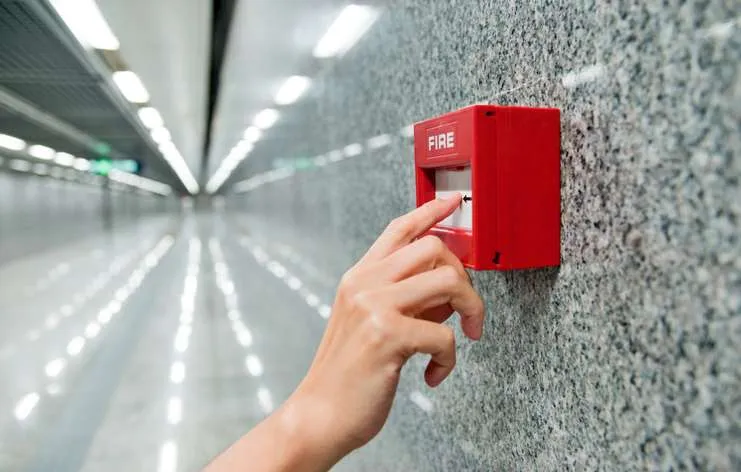
Fire safety in commercial properties requires a higher level of oversight. As a landlord, you must:
- Conduct regular fire risk assessments.
- Install and maintain fire detection and alarm systems.
- Ensure clear and accessible escape routes.
Failure to meet these responsibilities can lead to significant legal penalties, damage to your reputation, and, most importantly, risk to human life.
“Health and safety compliance is one of the cornerstones of commercial property management. Landlords must stay proactive in ensuring their properties meet all safety standards.”
Find out more about our security risk assessments here.
2. Deal With Asbestos Safely
The best advice is to avoid buying commercial properties that contain asbestos, as this can present serious challenges. However, if your building does contain the material, it must be included in your risk assessments.
Landlords are legally required to manage the risk of asbestos by:
- Conducting an asbestos survey and keeping records.
- Monitoring the condition of asbestos-containing materials (ACMs).
- Taking appropriate action to manage or remove ACMs where necessary.
Penalties for failing to manage asbestos risks include fines of up to £20,000 and potential imprisonment. The safety of your tenants and visitors must always come first, making asbestos management a non-negotiable aspect of your obligations.
3. Maintain the Fixtures and fittings provided
Any fixtures and fittings you provide in your commercial property must be safe, regularly tested, and certified. For example, electrical installations and appliances need proper testing, and safety certificates must be made available to tenants.
If a tenant brings their own equipment, such as office furniture or machinery, it is their responsibility to ensure it is safe and maintained. However, clear communication regarding these responsibilities is essential to avoid disputes.
Regular property inspections can help identify any potential risks or issues with fixtures and fittings, ensuring your property remains safe and compliant.
4. Regular Maintenance and Repairs
Like any building, a commercial property will need to be maintained and repaired from time to time to ensure it is safe. Any problem that affects the structure of the building itself, including structural faults, should be repaired by the property owner.
For smaller maintenance tasks, the lease agreement will typically outline whether the landlord or tenant is responsible. It’s important to have a clear understanding of the terms of the lease to avoid confusion or disputes.
“Proactive maintenance is the best way to preserve your property’s value and prevent unexpected expenses. Regular inspections and planned schedules are key,” advises a Clearway expert.
5. Secure Vacant Properties
Vacant properties present unique challenges for commercial landlords. Beyond the financial impact of lost rental income, an empty property is at greater risk of vandalism, theft, and decay.
To mitigate these risks, it’s crucial to:
- Conduct regular inspections of the property.
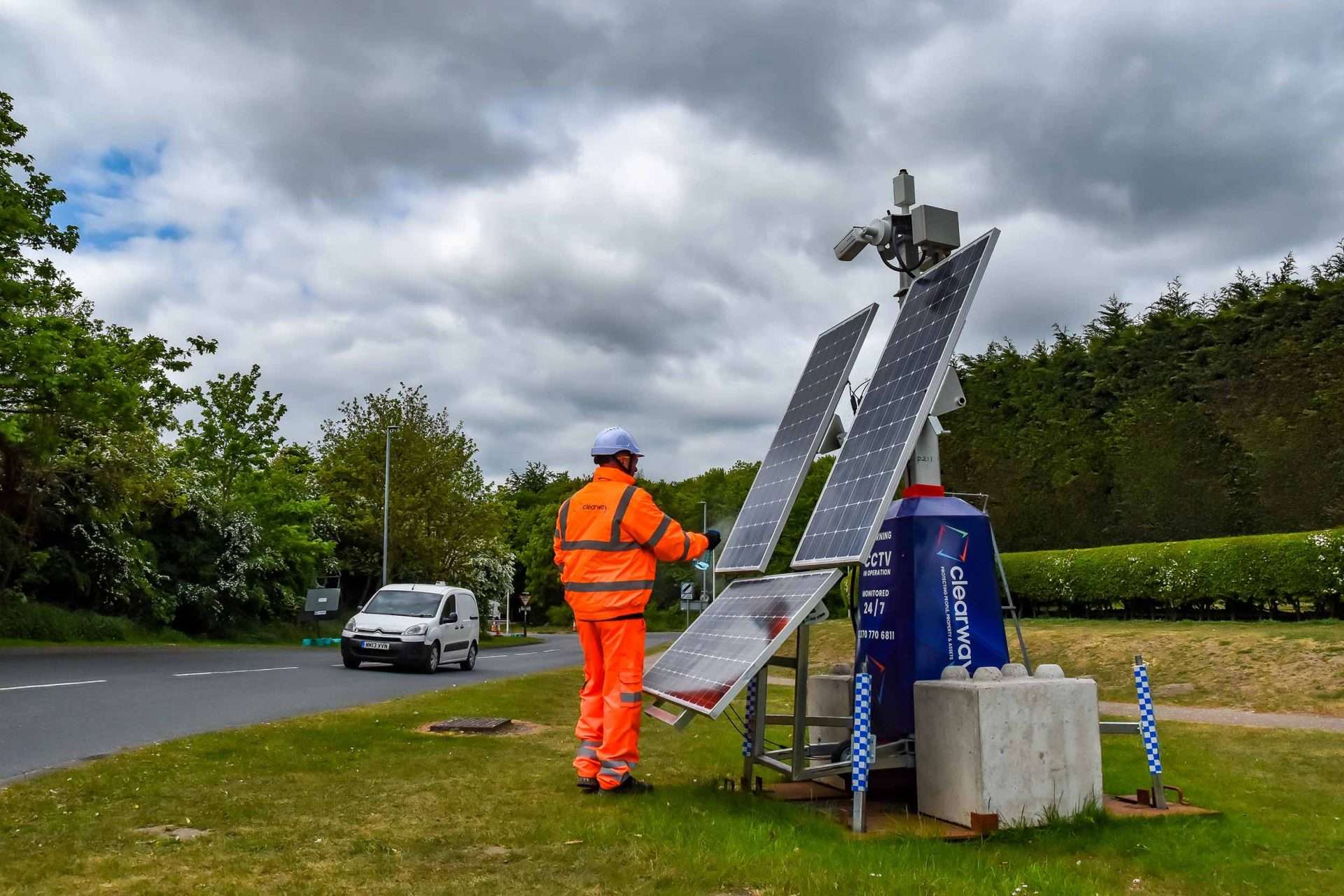
- Secure the building with vacant property alarms, CCTV, or professional monitoring services.
- Maintain the property to ensure it remains in good condition and ready for new tenants.
Vacant property management services, such as those offered by Clearway, can help protect your investment during periods of vacancy. Learn more about Clearway’s vacant property solutions.
6. Maintain Insurance Responsibilities
Commercial building insurance is another critical aspect of your responsibilities as a landlord. In most cases, the landlord is responsible for arranging and paying for the building insurance, while tenants are typically responsible for contents insurance to cover their belongings and equipment.
Landlords can usually recover the cost of building insurance through the service charge, but the specifics should always be outlined in the lease agreement. Regularly reviewing your insurance coverage ensures your property and investment are adequately protected.
7. Gas and electricity
As a commercial landlord, ensuring the safety of gas and electrical installations in your property is a critical responsibility. These systems must comply with UK regulations, and neglecting them can lead to serious safety risks and legal penalties.
Gas Safety
Landlords must ensure that all gas appliances, fittings, and flues provided in the property are safe and maintained in good working order. This includes:
- Arranging an annual Gas Safety Check conducted by a registered Gas Safe engineer.
- Keeping a record of the Gas Safety Certificate (CP12) and providing a copy to tenants.
- Repairing or replacing any faulty gas appliances or installations promptly.
Failure to comply with gas safety regulations can result in fines of up to £6,000 per breach, imprisonment, or both.
Electricity Safety
For electrical installations, landlords are required to:
- Arrange an Electrical Installation Condition Report (EICR) to assess the safety and functionality of electrical systems. These are typically valid for five years, but the frequency may depend on the type of property and usage.
- Address any issues highlighted in the EICR promptly, ensuring repairs are carried out by a qualified electrician.
- Provide tenants with a copy of the EICR report before they occupy the property or upon renewal of the lease.
Landlords must also ensure that any portable appliances provided as part of the tenancy are tested (PAT testing) to confirm they are safe to use.
FAQs
Who is responsible for roof repairs in a commercial lease in the UK?
Responsibility for roof repairs generally falls on the landlord, as the roof is considered part of the building’s structure. However, the lease agreement may specify otherwise, so it’s important to check the terms of your lease.
Who is responsible for EICR (Electrical Installation Condition Report) on a commercial property?
Landlords are responsible for ensuring an EICR is conducted to confirm the safety of the electrical installations in the property. They must also address any remedial work identified in the report.
Who is responsible for commercial building insurance – landlord or tenant?
The landlord is usually responsible for arranging commercial building insurance. However, the cost is often passed to tenants as part of the service charge. The lease agreement will specify these terms.
Final Thoughts
Understanding and fulfilling your commercial landlord responsibilities and obligations is essential to maintaining a successful investment. From health and safety compliance to managing vacant properties and ensuring proper maintenance, each aspect plays a crucial role in protecting both your tenants and your financial interests.
For expert support with compliance, risk management, and property security, visit Clearway’s commercial property management services page. With the right approach and professional help, you can ensure your property remains a safe, compliant, and profitable asset.
If you require more advice regarding your responsibilities when letting a commercial property please speak to one of our team on 0800 085 8695.
Related content
Mon May 5 2025
Thu Mar 16 2023
Sat Feb 14 2026