


If you own or manage a vacant commercial property, or if it’s empty outside regular working hours, its security may always be on your mind. It may even keep you awake into the wee, small hours. Not least if you live or work some distance away from your premises. That’s where keyholders come in – but what is a keyholder and what does a keyholder do?
We touch on the high risks associated with unoccupied buildings, as well as their vulnerability to vandalism, arson, and occupation by squatters. Also, they’re at the mercy of the vagaries of our sometimes-newsworthy British weather, and the damage it can cause to the fabric of your property.
However, with problems, there are solutions, and this article is all about an excellent resolution.
Key holding services from Clearway could be the answer and become a key part of your security strategy. In this piece, discover key holding and how it could offer you the peace of mind you deserve.
Key Summary
- Keyholder job meaning
A keyholder is a designated person or service that holds access credentials to a property and responds to security incidents, such as alarm activations, break-ins, or emergencies. They play a crucial role in ensuring quick access to premises when needed, reducing risks for business owners and staff. - Why Keyholding Services Are Necessary
Unoccupied properties are vulnerable to threats like vandalism, theft, fire, and unauthorised occupation. Relying on in-house staff to respond to alarms can be unsafe and impractical, particularly outside working hours. A professional keyholder provides a trained, timely response, ensuring security risks are managed effectively. - The Benefits of Professional Keyholding
Using a professional keyholding service enhances security by ensuring a rapid, expert response to incidents. It minimises the burden on business owners and employees, improves safety by reducing personal risk, and ensures compliance with security protocols. Professional keyholders also handle false alarms and technical issues, preventing unnecessary disruption.
What is Keyholding and what does a keyholder do?
It sounds rather quaint. It paints pictures of heavy, rusty keys clanking together from an iron chain. Obviously, it’s not that. It’s as straightforward as it sounds, but there’s more to it than you may realise.
Key holding is when your contracted security provider holds a set of keys to your property. They are trained professionals and also have access to your alarm codes or entry fobs. Should there be a security alarm, a fire alarm or an attempted intrusion, they will use any or all of these to gain access.
As well as making your premises feel more secure, it also helps to lighten the pressure on you and your staff by letting Clearway absorb a large part of the responsibility on your behalf.

The (Usual) Keeper of the Keys
What happens traditionally?
Generally, you would nominate as a keyholder someone you trust, such as an emergency responder with senior authority within the business, for example.
This appointed individual would then receive an alert if the alarm were activated and spring into action. Is this effective? Well, not entirely. And, it may not be one hundred per cent safe, either. Suppose your valued staff member were to discover an actual robbery in progress. Or a fire? How would you expect them to react? Would they know exactly what to do?
Equally, in-house staff are not required to respond to alarms during anti-social hours, and of course, there are costs associated with night-time work, overtime and travel.
Delegating this responsibility to a security provider such as Clearway ensures a prompt, trained response and removes your staff from harm’s way. Plus, it dissolves the stress of wondering when the alarm will next go off because most activations are false anyway. Just leaving this here: It makes sense to add that reducing hassle, anxiety and tension at work tends to boost productivity.
Clearway also offers locking and unlocking services to ensure the building is secure during periods of higher risk or when senior management is not on hand to open the property.
Keyholder Responsibilities
Typical keyholder responsibilities include:
- Holding and Securing Keys – Safeguarding access credentials (keys, fobs, alarm codes) for authorised entry.
- Alarm Response – Attending the property when an alarm is triggered to assess the situation and take necessary action.
- Emergency Access – Providing access for emergency services, maintenance teams, or authorised personnel when required.
- Security Checks – Conducting routine inspections to ensure doors, windows, and entry points are secure.
- Incident Management – Responding to break-ins, vandalism, fires, or unauthorised access and coordinating with emergency services if needed.
- Dealing with False Alarms – Assessing and resetting false alarms to prevent unnecessary callouts and disruptions.
- Liaising with Authorities – Communicating with police, fire services, or security teams during emergencies or security breaches.
- Site Inspections – Carrying out risk assessments, identifying vulnerabilities, and reporting any security concerns.
- Locking and Unlocking Premises – Ensuring secure opening and closing procedures outside regular working hours.
- Providing Security Reports – Documenting incidents, damages, and security breaches for insurance and compliance purposes.
- Ensuring Staff Safety – Reducing the risk for business owners or employees by handling security incidents professionally.
- Maintaining Compliance – Ensuring security procedures align with industry regulations and police requirements.
Where Would Keyholders Be Required?
Broadly, in any type of facility that could be at risk could benefit from keyholder services. Properties that Clearway helps to protect include the following:
- Healthcare environments
- Construction and industrial sites, including warehouses and storage units
- Educational buildings – schools, universities and colleges
- Hospitality businesses
- Retail outlets – shopping centres, retail parks and supermarkets
- Co-working spaces
The Keyholder in Action
Every client is different, as is every commercial property.
Therefore, each engagement starts with a site visit and survey for us to carry out an in-depth risk assessment. This will include checking exits and entrances and any possible weak points. Also, we’ll need to understand your current security arrangements and what systems you currently use.
If a response to an alarm is required, the designated keyholder will always remain on site until the problem is resolved. For example, the boarding up of windows, or waiting for the police.
Our certified guards will conduct a site inspection, review any damage, and file a comprehensive report to support your insurance claim or police prosecutions.

Rapid Response Required
Our local Clearway security teams act fast.
All alarms are logged immediately at our NSI Gold Cat II Alarm Receiving Centre, with trained responders receiving instant alerts if anything is picked up anywhere on or around your property.
This is an all-day, all-night, year-round service. It means that it can liaise with on-site responders, your own site management team, security patrols, the police – and anyone involved in managing the situation until everyone receives the all-clear.
What Are the Benefits of Professional Keyholding?
It’s a 24/7 service. Handing a key to an employee may not guarantee they’ll always be available to check on the business, making the concept somewhat redundant. On the other hand, a professional keyholding service is always “on” – regardless of the day or time.
It’s a confirmed, guaranteed response: timely, prompt and consistently accessible to meet your needs.
Knowledge of security procedures. When an alarm is triggered, you will know that the person attending the incident will have all the skills and knowledge to handle what they encounter. Whatever happens – and there are several possibilities – they will recognise immediately what to do, and act accordingly.
Technical knowledge. Given that most alarms are false, or started by technical fault, professional keyholders have the expertise to fix the issue and will reset the alarm as needed.
It’s safer. Much safer, in fact. A qualified security responder or patrol team offers a complete set of competencies and will take all the necessary follow-up action in accordance with your security protocols. Importantly, as they’re fully trained, they know how to de-escalate situations should there be a risk of violence or injury.
It’s less confusing. If you have multiple keyholders, there’s a chance of miscommunication, and your premises could be at risk.
It’s more professional. Keys can and do get lost. Unless they’re in the hands of an experienced security company, they’re infinitely lose-able, and there’s no guarantee that your designated employee will have them immediately to hand. Ever lost your car keys? Exactly, so you’ll know how it feels. Your keys in the right hands will always be safe.
Did You Know?
- According to the Association of Chief Police Officers (ACPO), the primary key holder to a property should be able to respond within 20 minutes when an intruder alarm is activated.
Currently, police only attend an activated alarm when it’s “confirmed” – that is, “live” in multiple zones or in a sequence. While this protocol allows the police to confirm the necessity of their attendance, it requires the Alarm Receiving Centre to receive and make two separate notifications of an alarm being triggered – notifying the key holder upon the first activation and the police on the second.
- The world’s oldest key was invented by a chap called Theodorus of Samos in the 6th century BC. The principle of his invention is still used for today’s mechanical locking devices.
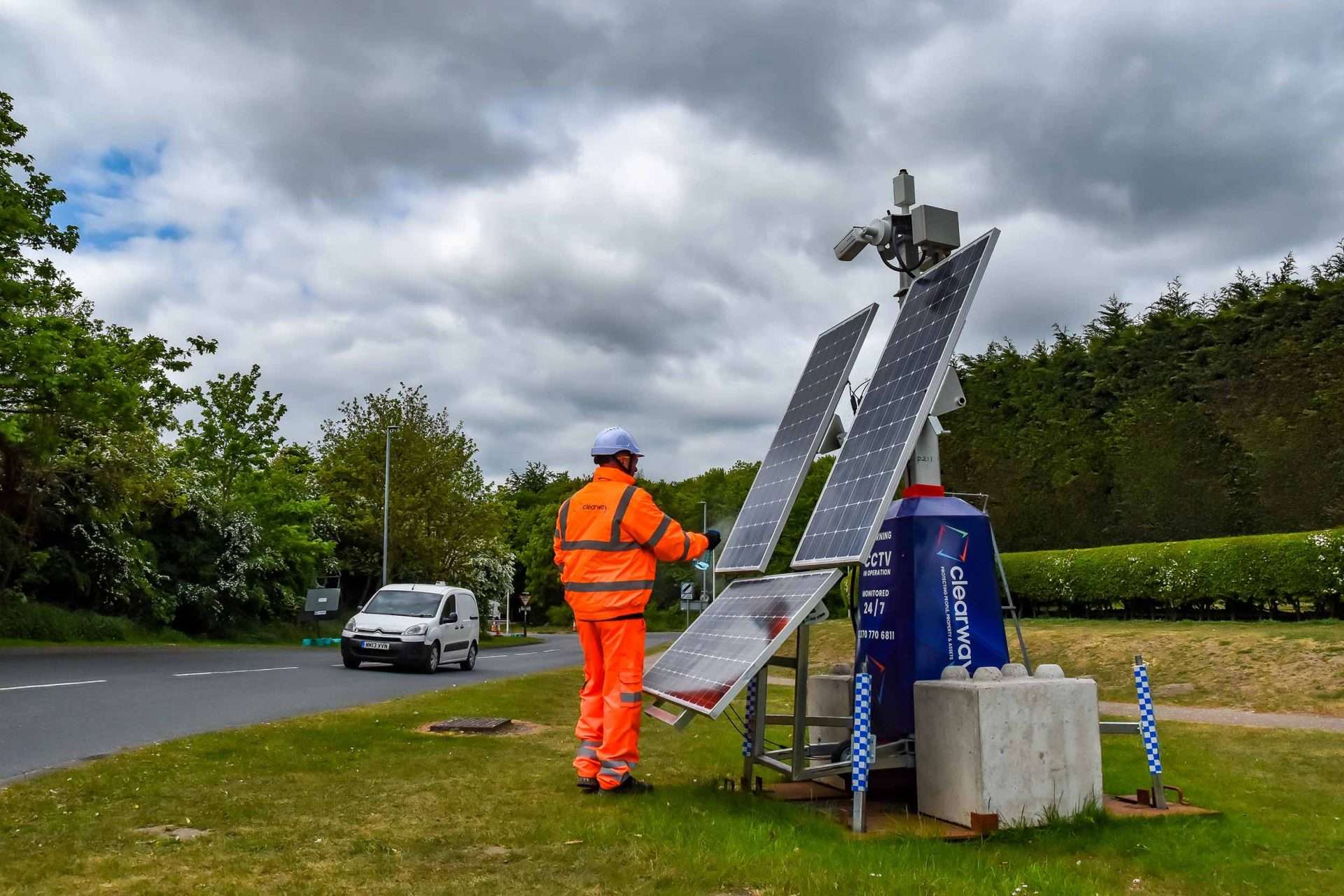
- You may wish to consider additional services from Clearway, including CCTV, Wireless Alarm Systems and Keyless Steel Doors.
Related content
Tue Jan 4 2022
Sat Mar 15 2025
Sun Aug 10 2025