


When you purchase an intruder alarm for any premise or property, you’ll see a grade designated to the alarm system. These intruder alarm grades are used to advise on the types of risk the alarm system is designed to protect against and help businesses and private consumers understand which alarms are most suitable for their building or site. Further to this, insurance companies often stipulate an intruder alarm grade – so it’s important that you consider the grade you need to keep your insurance compliant.
It is essential you opt for the intruder alarm grade that meets your risk profile or choose a higher grade if there is any potential for your security risks to change in the future. Not sure what your ‘risk profile’ is? Get in touch with Clearway for a security risk assessment here.
Key Takeaways:
- UK Intruder Alarm Grades Align with Risk Levels – Intruder alarm grades, ranging from one to four, indicate the level of risk they are designed to protect against. They help consumers and businesses select suitable systems based on their security needs and ensure compliance with insurance requirements.
- UK Intruder Alarm Standards and Applicability – The UK adheres to the PD 6662 standard, mirroring the European EN 50131. This ensures uniform grading across alarm systems, allowing easy comparison of functionality and suitability for different property types and risk levels.
- Maintenance is Crucial for Compliance – Regular maintenance is essential to ensure the intruder alarm remains effective and compliant. The frequency of checks depends on the alarm grade and monitoring requirements, with higher-grade systems needing more frequent servicing.
Many businesses also need to install an intruder alarm that complies with a minimum acceptable grade to comply with insurance requirements and protect their building, assets, inventory and workforce from risk.
Why Do Intruder Alarms Have Grades?
Alarm grading is part of an established quality standard introduced via the European standard EN 50131. The UK is, of course, no longer subject to EU standards and has a separate equivalent standard called PD 6662, which replicates the EU standards and is also known as BS EN 50131. The UK-specific standard is enforced by the British Security Industry Association (BSIA).
The concept is that all alarm systems conform to the same grading structure. Regardless of the system brand or provider who fits your security alarm, you have an easy way to compare the functionality of each system and make informed buying decisions.
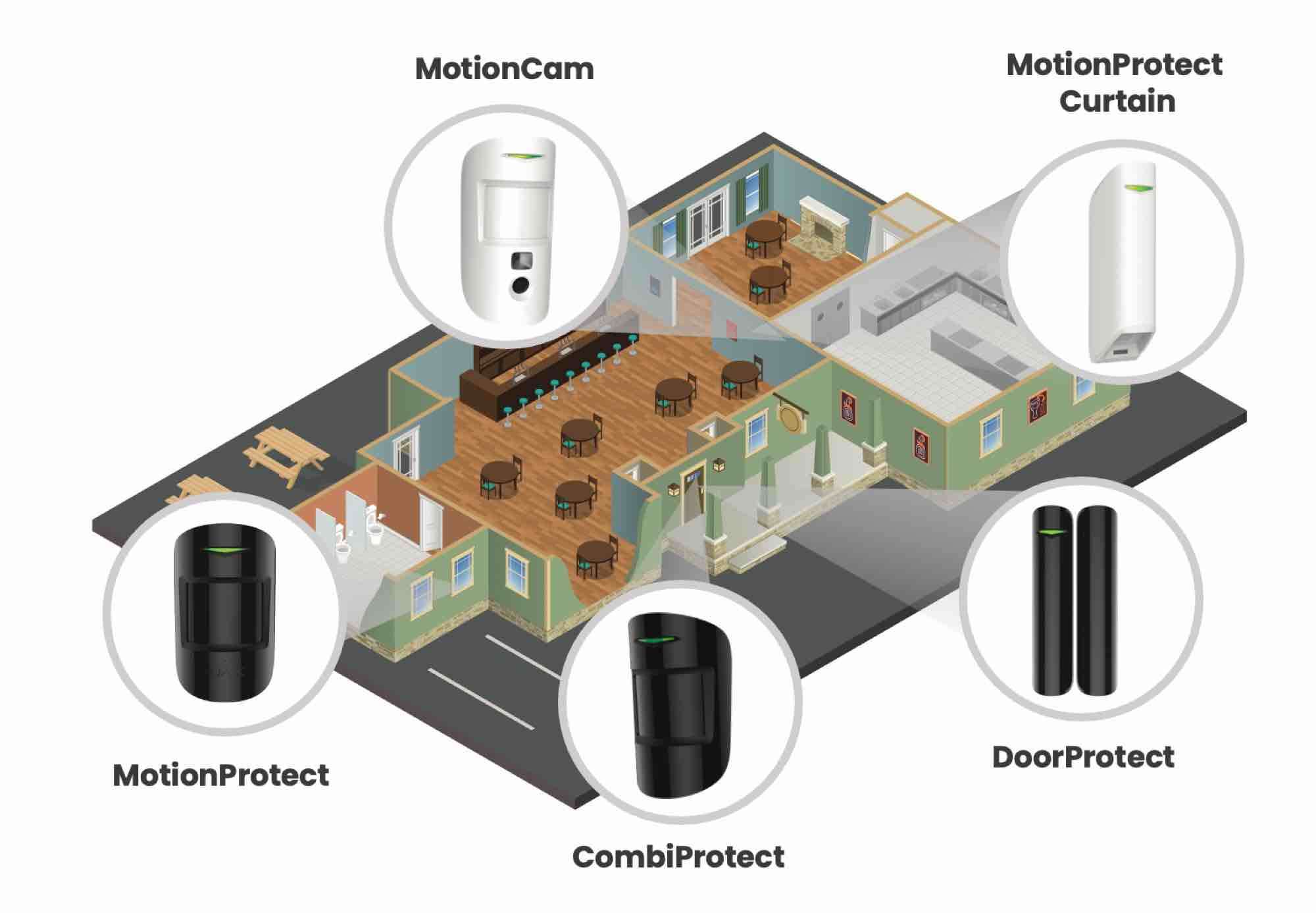
Grading applies to all intruder alarms, including detection systems that identify movement, break-ins, unauthorised entry or hold-up alarms, which act as silent or panic alarms and transmit an emergency signal.
Understanding Intruder Alarm Standards
Alarms are categorised within a grading system from one to four based on the likelihood of the premise being the target of a criminal intrusion and the potential severity of any attempt to bypass security defences and gain entry.
Grade Intruder one alarms
These alarms are suited for properties where the site is unlikely to be the target of a criminal intrusion. This type of alarm may be used where the property isn’t considered of particular appeal or might only be exposed to opportunist break-in attempts, such as where a door or window has been left open. Summary:
- Suitable for environments with minimal risk of intrusion, such as domestic properties with no significant valuables.
- Basic systems with simple detection devices like door or window contacts.
- Limited protection; unlikely to resist a skilled or determined intruder.
Typical Buildings: Small office spaces, low-value storage units, and simple workshops.
Grade two alarms
Grade two intruder alarms designed for premises at a higher risk or where there is a greater potential for the property to be targeted due to values, equipment or assets left on site, particularly when the premise isn’t protected or guarded outside of opening hours. These alarms safeguard against attacks by experienced criminals, including those with some knowledge of bypassing a simple alarm system. Summary:
- Ideal for homes or small businesses with some valuable items.
- Designed to deter and detect opportunistic intruders with limited skills or tools.
- Includes basic sensors such as motion detectors and tamper-resistant devices.
Typical Buildings: Retail shops, small commercial offices, and low-risk service businesses such as salons.
Grade three alarms
Grade three alarms are more robust and engineered for sites where there is a substantial risk of intrusion. That may be because of the location or nature of the site or the value of assets, inventory and equipment. This type of alarm is intended to guard against an assumption that the site will be broken into or targeted and is created to protect against criminal intrusion attempts where perpetrators may have tools and equipment to try and bypass alarm systems. Summary:
- Used in commercial properties or homes with high-value items.
- Protects against more experienced intruders who may use advanced tools or techniques.
- Typically incorporates advanced detection technology, tamper-proof systems, and features like anti-masking for detectors.
Typical Buildings: Supermarkets, high-street shops, warehouses, and premises storing high-value goods such as electronics or alcohol.
Grade four intruder alarms
Are intended for sites with a very high assessed risk level. These alarms are designed to protect properties with a likelihood of an organised intrusion attempt. This type of alarm can be used to monitor every aspect of a building, including walls and ceilings alongside entry points.
- Reserved for properties with the highest security requirements, such as banks, government facilities, or high-value commercial sites.
- Provides robust protection against highly skilled intruders using sophisticated methods.
- Systems include advanced sensors, secure communication protocols, and rigorous monitoring standards.
Typical Buildings: Banks, art galleries, bonded warehouses, and jewellers.
Can you mix intruder alarm grades in specific areas?
In some situations, you may need intruder alarms with a comparable grade across your site. However, there is no obligation to install the same alarm grade throughout a property. You might, for example, have grade one alarms in some zones, grade two alarms for key buildings, and grade three alarms covering restricted-access areas.
Choosing the Right Alarm Grade
Selecting the correct alarm grade depends on your building’s risk profile, the value of assets, and any insurance requirements. Here are some key considerations:
- Conduct a Risk Assessment:
- A professional security consultant can identify vulnerabilities, entry points, and potential threats.
- Check Insurance Requirements:
- Many insurers stipulate a minimum alarm grade, particularly for high-value assets or sensitive properties.
- Adapt to Future Needs:
- If your property’s risk level changes, consider upgrading to a higher grade for continued protection.
- Consider Zone-Specific Grading:
- In some cases, different areas of a building may require varying grades. For example, a Grade 2 system for public areas and a Grade 3 system for restricted zones.
Maintaining and Servicing Graded Intruder Alarms
We strongly recommend you organise the appropriate maintenance and servicing to keep your intruder alarms fully operational and to avoid any deviation from the level of protection you believe your alarm systems provide.
Most businesses require one check per year for simple audible-only alarms, six-monthly alarm maintenance visits for any intruder alarm subject to monitoring through our Alarm Receiving Centre, and potentially more frequent inspections for grade four alarms responsible for protecting sites at an elevated risk.
Contact Us
From small offices requiring basic protection to high-value facilities needing robust systems, the grading framework ensures tailored solutions for every risk level. By selecting the right grade and maintaining the system effectively, you can safeguard your property, comply with insurance standards, and gain peace of mind.
For expert advice commercial intruder alarm advice and security risk assessments, get in contact with the Clearway team.

Daniel Meeajane 
Business Development Director, Clearway Fire and Security
Daniel Meeajane is a Business Development Director for Clearway Fire and Security.
Having been involved in some major projects and achieving successful results Daniel uses his knowledge and experience to leverage awareness in Fire Protection. To do this a deep understanding of the BS 5839 PT1 is required along with keeping updated on the latest technology.
Related content
Commercial Intruder Alarms for Businesses
Sun Dec 15 2024
Sun Nov 16 2025
Commercial Fire Alarm Installation
Mon Jul 25 2022