

Martyn’s Law is a piece of new legislation introduced on the 3rd April 2025. Also known as the Protect Duty, the proposed law was created following the tragic terrorist attack at the Manchester Arena in 2017, named in honour of Martyn Hett, who sadly lost his life along with 21 other concertgoers.
Does your business run events or involve large gatherings or groups of people? You’ll almost certainly be affected by Martyn’s Law and will need to implement strict security measures designed to prevent such a tragedy from reoccurring.
In this guide, Clearway’s specialist security consultants summarise what Martyn’s Law will mean for your organisation, outline the details of the legislation currently available, and share insights into AI measures and improvements immediately available to bring your security into line.
Key takeaways:
- The primary focus of Martyn’s law legislation is to strengthen the requirements for public spaces and venues to take action to safeguard site users.
- It will make compliance a mandatory legal duty – which will, inevitably, mean organisations and businesses need to respond swiftly to ensure their security provisions are sufficient.
- AI developments in CCTV are key to threat detection and responding to threats before they can escalate.
- Clearway offer full Martyn’s law consultation to give businesses peace of mind that they’re compliant with the new rules.
What exactly is Martyn’s Law?
Here’s what you need to know about Martyns Law:
- Martyn’s Law aims to create an augmented, reliable and robust approach to public security that is standardised across all sectors.
- While the horrific attack that prompted the legislation occurred within an entertainment venue, the reforms will impact several sectors and industries, including leisure, sports, retail, educational and hospitality.
- The core intention is to learn lessons from previous attacks and stimulate UK-wide overhauls of approaches to security, making venues and businesses legally obligated to be prepared to protect against and respond to terrorist threats.
- Requirements will apply to events or premises accessible to the public and used for one of the many purposes included in the Bill, with a capacity of 100+ people, and that have some method of controlling entry permissions with an identifiable perimeter or boundary.
- Remember that temporary events will also fall under Martyn’s Law, provided they have a ticketing or entry system and a capacity of 800+.

Do I need to comply:
You’re likely to need to comply with Martyn’s law if:
- Your premises and events are accessible to the public.
- Your premises must be used for a purpose listed in the Bill (e.g. entertainment and leisure, retail, food and drink).
- You have a capacity of 100 or more individuals
- Your premises is a building or outdoor locations which has a readily identifiable physical boundary and can be accessed by express permission.
- You’re running a temporary event such as festivals that has express permission to enter and a capacity of 800 or more individuals.
Martyn’s Law is expected to impact a variety of industries and sectors where large groups of people gather. If your business falls under one of these categories – we recommend speaking with our Martyn’s Law experts today to ensure that you’re compliant:
- Entertainment and Leisure: This includes concert halls, theatres, cinemas, nightclubs, and other venues that host large events or gatherings.
- Sports and Recreation: Stadiums, sports arenas, and other facilities that host sporting events will need to comply with the new security measures.
- Hospitality: Hotels, restaurants, pubs, and bars, especially those that host events or have large capacities, will be required to implement enhanced security protocols.
- Retail: Large shopping centers, malls, and stores with significant foot traffic will be impacted by the need to assess and mitigate security risks.
- Transport Hubs: Airports, train stations, bus stations, and other transport facilities that see large numbers of passengers will be affected.
- Public Sector Buildings: Government buildings, libraries, and other public sector venues that host events or see large numbers of visitors will need to enhance their security measures.
- Education: Universities, colleges, and schools, especially those that host public events or have large campuses, may also need to comply with the new regulations.
- Healthcare: Hospitals and large healthcare facilities that have substantial visitor numbers or host public events may be required to implement the security measures outlined in Martyn’s Law.
- Outdoor Events: Organisers of festivals, fairs, markets, and other outdoor events where large crowds gather will be responsible for ensuring appropriate security measures are in place.
- Corporate and Office Buildings: Large corporate buildings that host conferences, seminars, or have significant public interaction might also need to adhere to the new security standards.
What Exactly Will Organisations Need to Do to Comply With Martyn’s Law?
The Bill contains various provisions and outlined reforms, which security-conscious firms may already be compliant with. The key is to revisit and audit your security strategy and identify any gaps or vulnerabilities that need to be addressed.

While not exhaustive, and changes to the Bill are possible before it becomes legislation, we’ve summarised the most relevant points that we know about thus far below.
Carry out a Premises Risk Assessment
All venues and organisations that fall under the remit of the legislation must conduct periodic risk assessments and update existing risk assessment policies to include analyses of threats related to possible terrorist activity or attacks.
Demonstrate Steps to Mitigate Threats
Organisations will need to show that they have taken action to mitigate any risks identified during the risk assessment process. Examples could relate to physical security, surveillance, improved procedures, emergency protocols and advanced technological security.
Train your Personnel
Staff and contractors working in venues will need to attend appropriate training that will equip them to recognise signs of a possible threat and ensure all personnel know how to respond if an attack is attempted or occurs.
Collaborate With Local Authorities and Emergency Services
Businesses and venues will need to communicate with emergency services, counter-terrorism authorities, and local bodies to provide information about their security approach and prove they are fully compliant with all requirements.
Communicate security protocols to the Public
Venues will need to implement a communications system, which will clarify for members of the public and suite users the safety procedures in place and what they should do in an emergency.
Solutions to Assist Businesses and Venues With Martyn’s Law Compliance
We recognise that many of our clients across the sectors will already have best-practice security policies and advanced surveillance systems and are proactive in protecting the public from all manner of threats.
However, many others may need to make changes to their security, as measures previously thought to be sufficient will no longer meet the legal minimum standards.
CCTV is a great example. Thousands of venues and facilities use commercial CCTV cameras, but they focus primarily on entrances and exits and don’t have a way to monitor footage or identify unusual behaviour 24/7 to take action before a threat materialises.
Our recommendations always depend on each organisation or venue’s nature, location and risk profile. Still, there are multiple ways to utilise existing CCTV coverage and expand the field of vision and responsiveness, perhaps by:
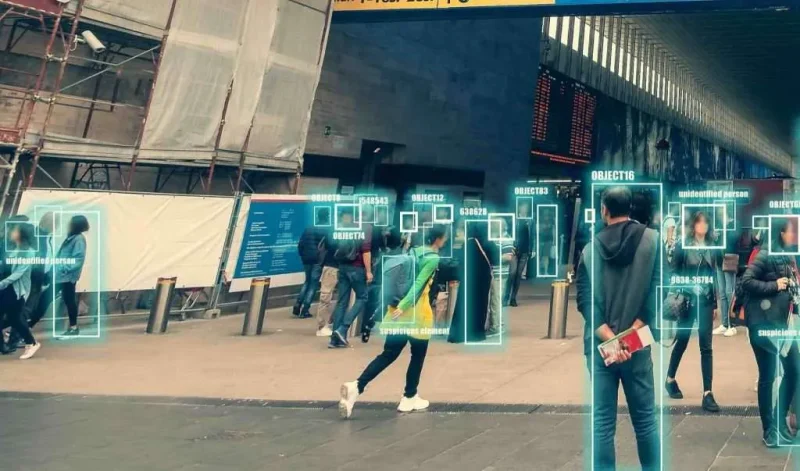
- Adding AI-enabled CCTV technology that can scan even large crowds to determine whether movements and patterns are normal or whether any behaviours require immediate investigation.
- Updating standalone systems to create an integrated approach where access controls work concurrently with CCTV surveillance and implement body heat detection, facial recognition and automated vehicle number plate scanning.
- Accessing our around-the-clock monitoring solutions, provided by our NSI Cat 2 Gold Alarm Receiving Centre (ARC). This facility operates continually, with military-grade defences, and monitors all alarms, CCTV and surveillance systems to prompt decisive action in the event of a potential threat or emergency.
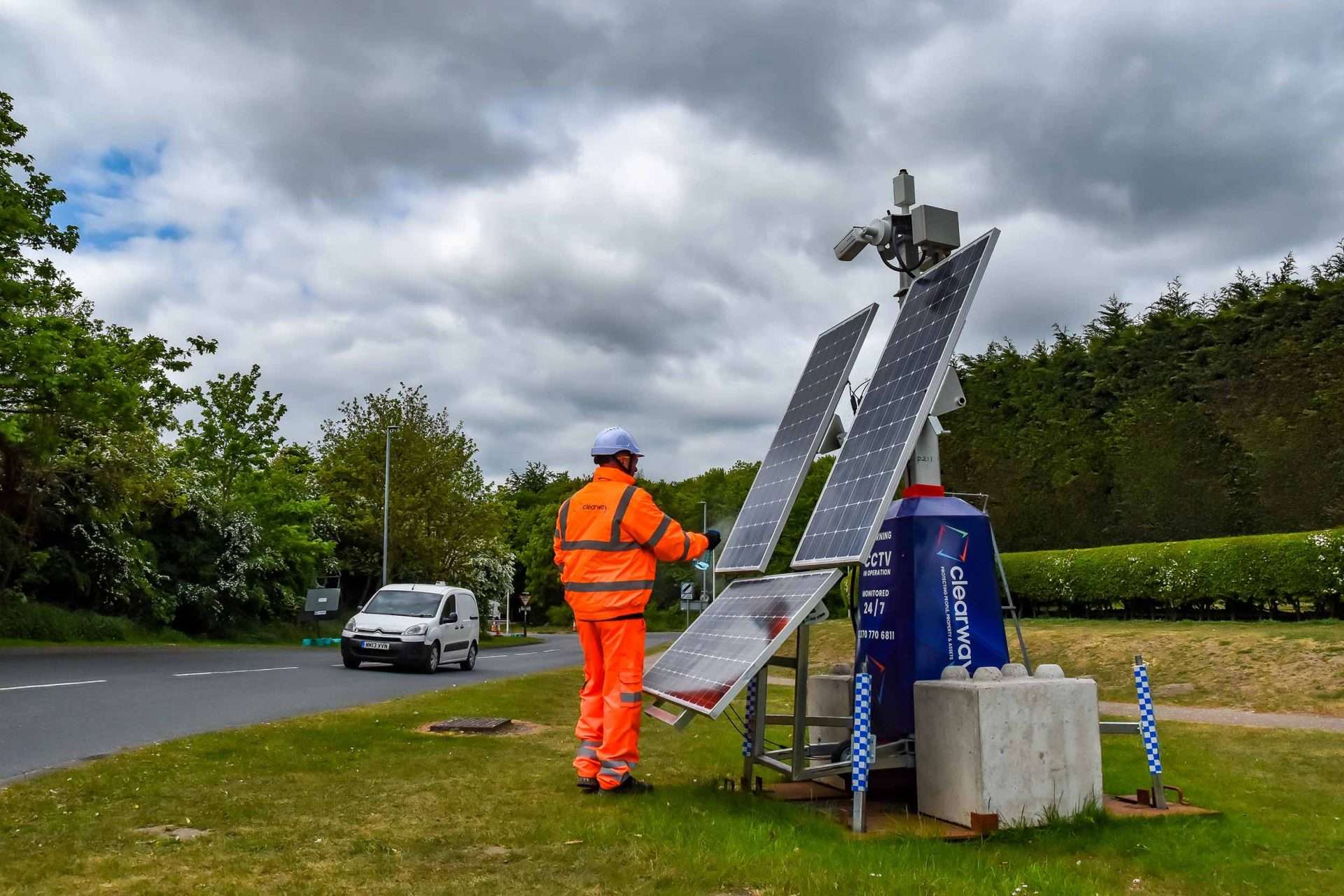
CCTV surveillance is also suited to temporary festivals and events and can be adjusted according to any issues or gaps in your current security identified during your risk assessment. Wireless, mast-mounted, and tower CCTV units are available nationwide.

How AI can help you stay compliant
We have long advocated for the assurances AI security offers. Here’s why:
- Capabilities such as real-time threat detection mean suspicious movements or objects are flagged and investigated well before an attack might otherwise occur.
- Machine learning can recognise normal patterns and detect anything anomalous, such as a person loitering without reason, movements against the usual flow of traffic, or indications of stress.
- Crowd analysis is equally valuable and can provide security personnel and emergency responders with advance notice of a possible threat, including over-crowing or bottlenecks, which can be resolved without allowing the situation to escalate and threaten public safety.
If you’d like further information about the changes to security legislation and how these will affect your business, organisation, or venue, or wish to arrange a private consultation to review your organisational threats and develop a custom strategy to ensure compliance, please get in touch.
Our Martyn’s Law specialists are on hand to advise and work with hospitality, retail, event, entertainment, leisure, sports, transport, healthcare, corporate and educational organisations.