

If you own or manage an empty property, you might assume the police can step in whenever there’s a trespasser or suspicious activity. In reality, the police have a limited role in protecting vacant buildings. Much of the responsibility for preventing access, deterring crime, and securing the site falls to the property owner or their appointed security provider.
That’s why Clearway offers a full range of services to fill the gap — from rapid-response alarm systems to 24-hour surveillance and steel security doors.
Key Takeaways
- The police can remove squatters from residential buildings, but not from commercial or non-residential properties
- They may intervene in cases of vandalism, fly-tipping or theft, but these incidents are often treated as low priority
- Landlords and property owners should have security measures in place as the police are limited in what they can do proactively
Understanding the Police’s Role
If you own or manage an empty property, you might assume the police can step in whenever there’s a trespasser or suspicious activity. In reality, the police have a limited role in protecting vacant buildings. Much of the responsibility for preventing access, deterring crime, and securing the site falls to the property owner or their appointed security provider.
That’s why Clearway offers a full range of services to fill the gap — from rapid-response alarm systems to 24-hour surveillance and steel security doors.
When Can the Police Act?
The police can intervene in specific circumstances, particularly when criminal offences are being committed. These include:
- Residential squatting: Squatting in a residential property is a criminal offence under Section 144 of the Legal Aid, Sentencing and Punishment of Offenders Act 2012. Police can remove individuals and make arrests where necessary.
- Criminal damage: If someone breaks into a property, smashes windows, or causes damage to the structure or contents, the police may attend.
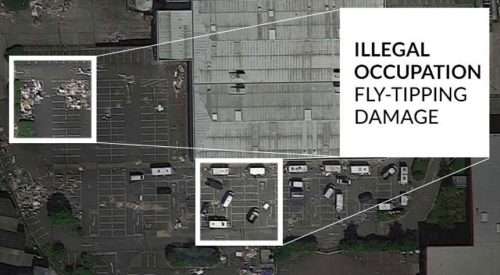
- Anti-social behaviour: This includes vandalism, fly-tipping, graffiti, and trespassing linked to disorderly or threatening behaviour.
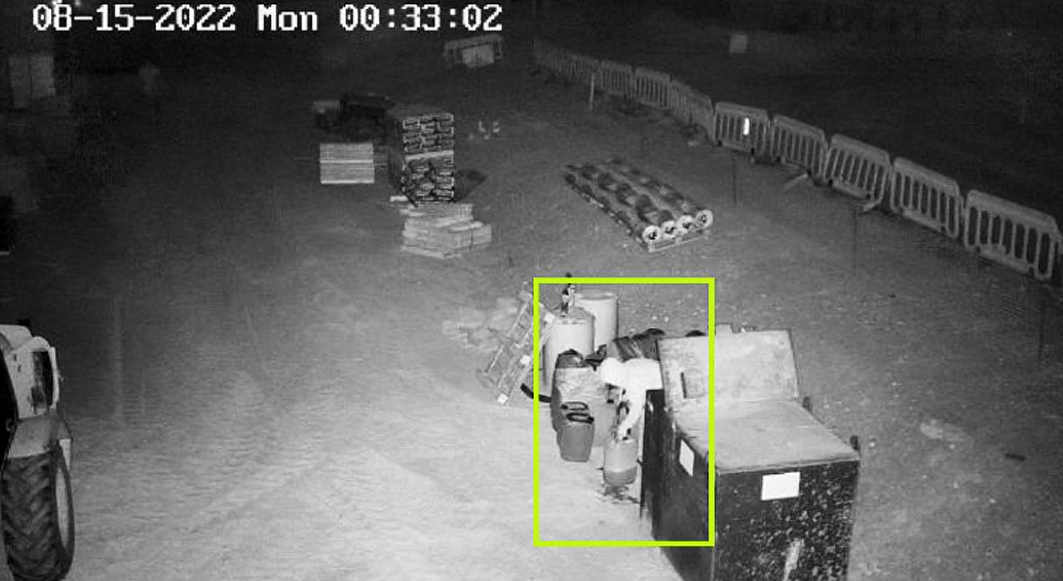
- Theft or attempted theft: If tools, materials, or equipment are stolen from the property, the police will take a report and may investigate.
However, in many cases, particularly for non-residential or commercial properties, the police may not attend unless there is an immediate threat. Often, landlords will receive a crime reference number rather than an in-person visit.
What About Squatters in Commercial Properties?
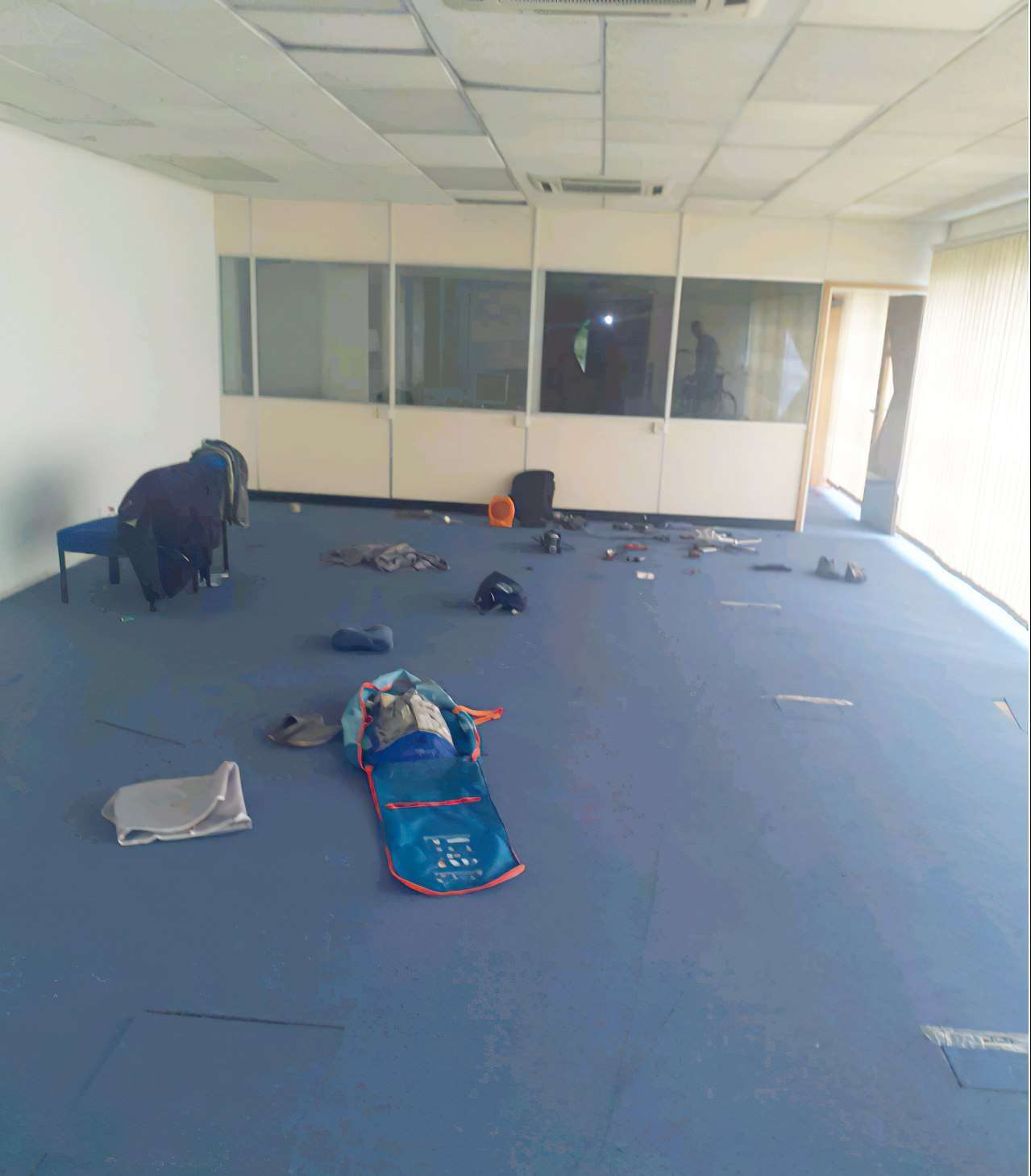
This is a common area of confusion. Unlike residential squatting, squatting in commercial or non-residential property is not a criminal offence. The police have no authority to remove squatters unless another offence is being committed, such as criminal damage or forced entry.
In these cases, landlords must follow a civil eviction process, which may involve applying for a possession order and instructing enforcement agents. Clearway can support landlords through this process and secure the property quickly after eviction to prevent re-entry.
Why Private Security Is Essential
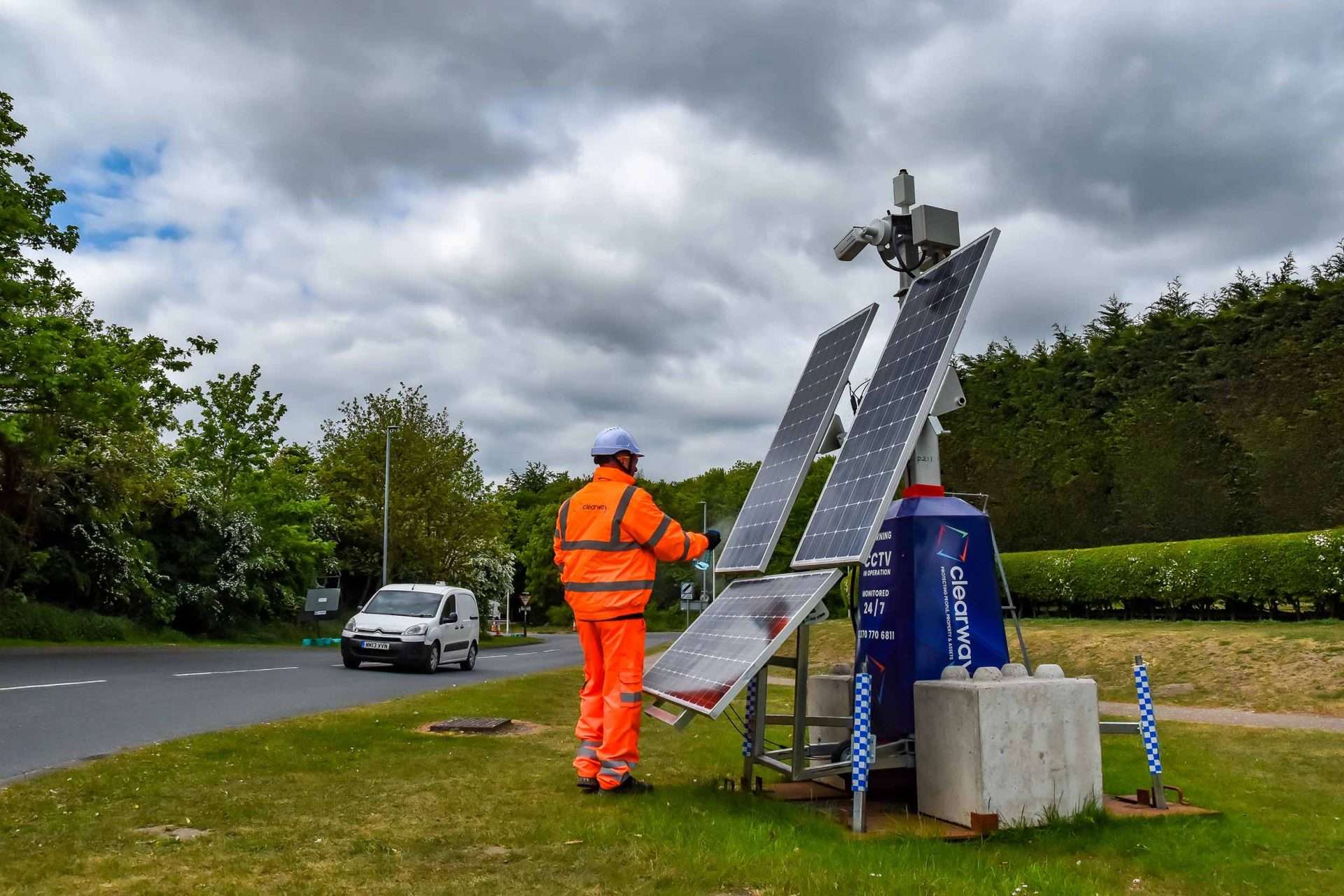
Given the limitations of police response, it is vital for property owners to take proactive steps to secure empty buildings. Visible deterrents like alarm systems, monitored CCTV, and steel doors make properties far less attractive to opportunists and reduce the likelihood of needing police intervention in the first place.
A fast security response can also prevent further damage and strengthen insurance claims by showing you acted swiftly and responsibly.
FAQs
Will the police always remove squatters from my property?
Only if the property is residential and the squatting is a criminal offence. For commercial properties, civil action is required.
Can I report vandalism or fly-tipping to the police?
Yes, you should report it and request a crime reference number, especially for insurance purposes. The response may depend on the severity and available resources.
What can I do to prevent the need for police involvement?
Invest in preventative security measures like monitored alarms, CCTV towers, or vacant property inspections. These reduce risk and may even lower insurance premiums.
If you’re concerned about the security of your vacant property, Clearway can help you take control. Our professional security services are designed to protect where police presence may be limited. Get in touch today to arrange a free risk assessment.
Related content
Thu Mar 16 2023
Mon May 15 2023
Sat Feb 14 2026