


Securing your vacant commercial property between tenancies is essential.
However, that’s not the end of it.
Ensuring “shut down” is just a part of the process; the first important thing you do, rather than a complete set of measures. In other words, not quite the whole nine yards.
In Clearway’s opinion and experience, regular property inspections are an ideal way to square the circle. They offer additional and ongoing protection, especially if you don’t live within visiting distance.
This article explains why property inspections are so critical, how it all works, and the difference they can make to your property portfolio.
Key Takeaways
- The prevention rather than cure concept applies – as with many of Clearway’s services.
- Inspections, while following detailed checklists, are customised to a client’s needs to ensure maximum protection and security.
- Insurance for vacant commercial properties almost always requires evidence of regular property inspections. This type of cover is not easy to find, so be aware.
- Weekly, monthly or quarterly visits to your vacant property, although an additional cost, could, in the long run, save you considerable sums of money. And, stress.
- Security inspectors are just the right people for this task: detail-oriented, sharp-eyed, knowledgeable, and ultra-calm in tricky situations.
- Becoming a Certified Commercial Property Inspector is no mean feat. There’s an 80% pass mark.
- You may also benefit from staffed, security mobile patrols, a wireless alarm system, security doors and screens, and as mentioned, Commercial CCTV.
Why Security Systems Work – But They’re Not Enough
Modesty aside, regarding security technology, we’d like to think we’re ahead of the curve.
Why? Because Clearway supplies and fits highly sophisticated CCTV and video alarms in all types and sizes of vacant commercial properties. Indeed, we’ve developed our own systems, including InView Detect.
We offer many other technologically driven safety and security services. Equally, powerhouse products such as ultra-robust steel windows and doors – no intruder is going to get past these, and they’re an imposing deterrent.
Technology and functionality all in one powerful package; exactly what you need.
Yet here, we’re all about the human touch:
Adding highly trained actual people into the mix.
The world’s highest-standard machines and even contemporary Artificial Intelligence lack intuition, empathy, and critical thinking. In contrast, the person visiting your commercial premises possesses all these uniquely natural qualities, all of which could significantly improve how you manage an empty building or retail outlet.
Who Carries Out Property Inspections?

Clearway works with highly trained, fully insured individuals with experience in empty property security. All our inspections are based on nationwide best-practice standards.
While these services are highly customised, each property inspector will have a tried and tested checklist and schedule. It’s fair to say that they will notice everything and miss nothing. Having been fully briefed on your property, they’ll know what to look for and do in specific situations.
Inspections are highly proactive and aim to be one step ahead.
What we mean is that they’re looking for ways to improve your security as well as addressing any “after-the-fact” problems. If they spot anything, we’ll contact you or a nominated person to recommend suitable actions to rectify the problem immediately.
Inspections can be weekly, bi-weekly, monthly or quarterly.
Why Are Property Inspections Important?
Insurance Compliance
Let’s start with insurance as it’s the most recognisable reason.
If the property is unoccupied, even for a short period, your insurance company will almost certainly need documented proof of continuing inspections. And, you must alert them with plenty of notice.
The reason is simple: your vacant building suddenly becomes high-risk. As of now, it will be vulnerable. As you know, they will not always be willing to offer cover. Evidence of regular visits could well be written into your revised contract.
Insurance companies appear to prefer robust, proactive security measures. Therefore, ideally, exceeding rather than just meeting your obligations is an excellent idea. To coin a phrase, showing willing earns you insurance brownie points.
Prevent Intrusion, Vandalism and Squatting
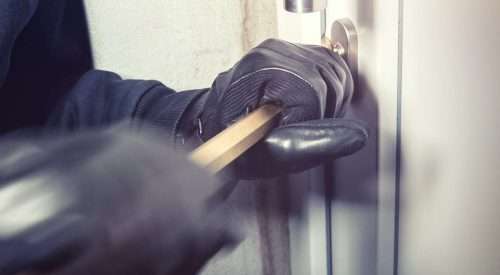
This exercise goes beyond noticing broken windows. Property inspectors are practised in spotting signs. However subtle, if there appears to be evidence of intrusion – human or otherwise, damage or occupation by squatters, they will see it and record it.
They’ll also alert to more prominent elements, such as fly-tipping.
Protect Your Asset and Investment
Regular inspections enable you to preserve and potentially enhance the value of your property.
This may sound far-fetched, but identifying signs of wear and tear, dilapidation or any other issues before they progress from needs-doing to urgently remedial could help you maintain the property’s condition for its longer-term appreciation. For instance, an inspection could highlight the possibility of storm damage, flooding, subsidence and fire risks.
Blocked drains and damaged gutters may seem inconvenient and inconsequential. But, left alone, a minor issue will become a much bigger and more expensive one.
Duty of Care
From a slightly different angle, you could avoid safety hazards and any resulting legal issues or insurance claims.
Property inspections are a protective measure to help you minimise risk and hold onto your financial stability. The presence of a security professional and photographic evidence will be crucial.
You have a duty of care to any and all visitors, including squatters and burglars. Yes, this may surprise and frustrate you, but this legal obligation means you must reduce risk when and where possible.
Prevention – Not a Cure
Clearway often refers to preventative measures, rather than steps you can take to correct or cure an issue. Property inspections play a key role in this concept. Stopping a problem in its tracks is less dangerous, and much less costly than having to repair, replace or re-build.
Peace of Mind
Knowing that you’re saving money long-term, meeting your insurance compliance needs and protecting your investment makes for a better night’s sleep.
What Happens During a Property Inspection?
Many things.
Firstly, security staff keep detailed time-stamped logs for each inspection, and they provide photographic evidence of the visit. In addition, they take gas, water and electricity readings. Everything is process-driven, with exhaustive checklists showing every aspect of the inspection.
Let’s go from the outside in.
External checks. Security personnel will look out for any signs of:
- Break-ins or attempted intrusions
- Tampering with security measures, including attempts to disable CCTV systems, steel security doors, or hoardings.
- Rubbish and fly-tipping
- External property maintenance issues
- Anti-social behaviour, such as vandalism or graffiti
- Damage to the perimeter
- Weather damage
- Potential hazards
- Damage to the surrounding land
- Unauthorised vehicles
Internal checks. These include, but aren’t limited to checks on:
- Possible occupation by squatters, which is still legal
- Build-ups of rubbish or junk mail (which they can remove)
- Water leaks and dampness
- Internal maintenance issues
- Infestation by vermin
- The condition and security of locks on all entry points
- Letterboxes, to ensure that they are sealed
- Keyholding to ensure that the property is secured against illegal entry
As mentioned, if something is flagged, the guard will report it immediately and recommend how to put things right. This action could be urgent or within a recommended time period if less so.
Each visit produces a detailed report, along with images.

Gideon Reichental 
Vacant Property Security Consultant
Gideon is an experienced property specialist with a commitment to excellent customer service and support. With over eight years dedicated to the niche field of vacant property security and services, Gideon has been at the forefront of developing and implementing best practices and successful strategies for safeguarding vulnerable properties, demonstrating a profound understanding of the complexities involved. His hands-on experience includes managing portfolios of over 200 vacant properties directly, alongside senior management roles overseeing broader portfolios that encompass more than 2000 properties.