

Analogue and addressable fire alarm systems are two of the most-used solutions for businesses and public access spaces, and we often consult with clients unsure of the best options for their premises or how these systems differ.
In this article we’ll clarify the contrasts, explain how each fire alarm system works, and share some guidance about choosing a fire alarm system that presents the most appropriate protection for your site.
Key Takeaways
- Understand the differences: Addressable systems offer detailed locations of fire incidents, providing exact points of alert, whereas analogue systems only identify general zones within a premise. This specificity makes addressable systems particularly valuable for complex or large sites.
- Consider the advantages of addressable systems: These systems are crucial for larger premises or those with high safety requirements due to their precise tracking of fire alerts, which is essential for efficient emergency response and evacuation planning.
- Evaluate your premises’ needs: The choice between an analogue or addressable system depends on your site’s size, the complexity of the environment, and specific fire safety requirements. Addressable systems are typically mandated for settings like care homes with 10 or more occupants.
- Seek professional advice: Always consult with fire safety specialists for an assessment of your premises to choose the most suitable fire alarm system. This decision is vital to comply with safety standards and ensure optimal protection.
How Are Addressable and Analogue Fire Alarm Systems Different?
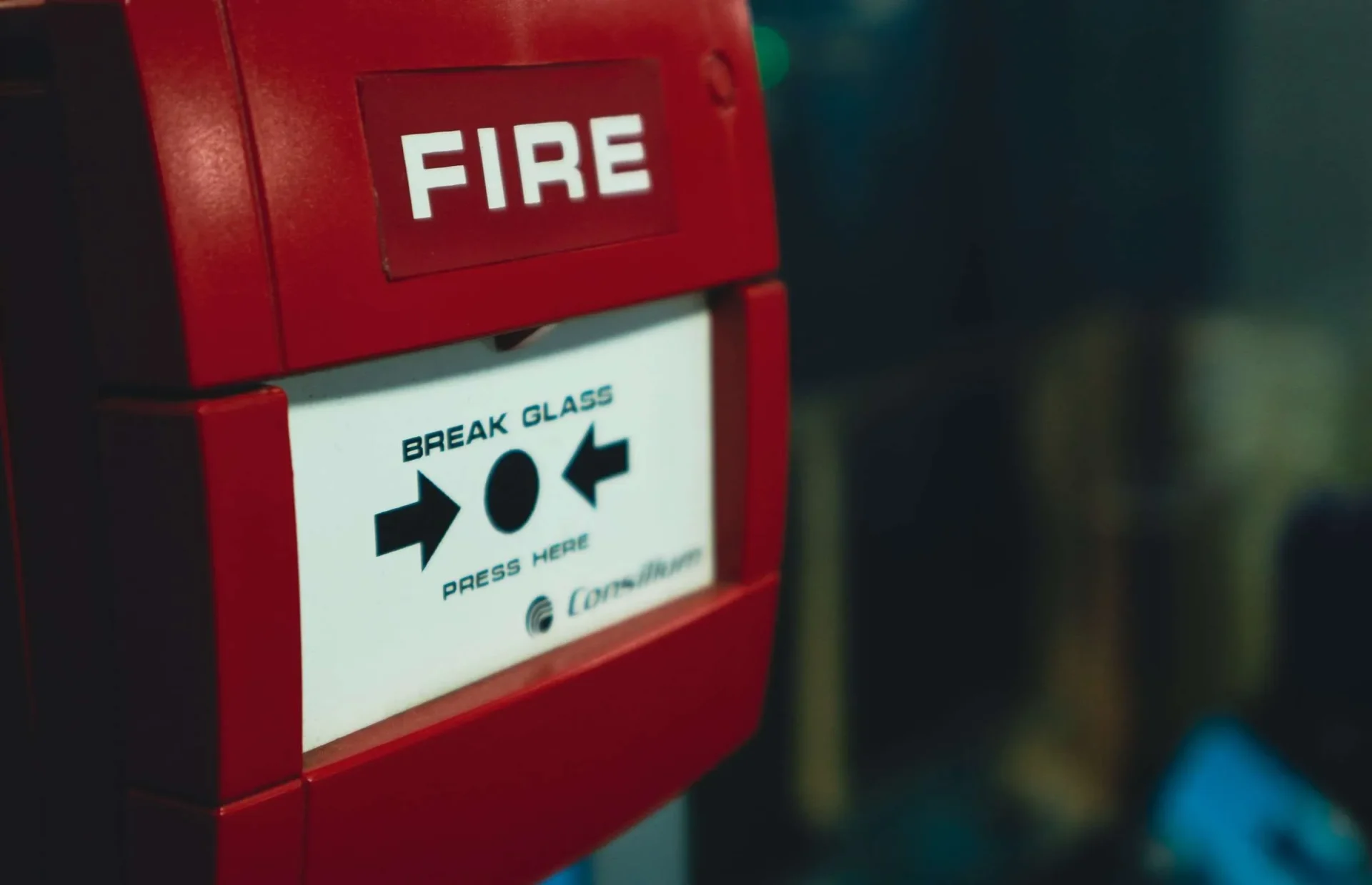
The primary difference between these types of fire alarm systems is purely in how the system detects the location of the fire – and the amount of specificity the control panel records. In short:
- Analogue fire alarm systems divide each premise into zones, often with a call point or fire detector in each zone. When a fire is detected, or a person activates the call point, the dashboard will sound the alarm, and indicate the relevant zone.
- Addressable fire alarm systems usually have similar components but provide greater detail about exactly where a fire has occurred. Larger businesses or compounds with multiple call points and smoke detectors can pinpoint the specific location, knowing which detector or call point has been activated.
Each solution has pros and cons. For example, an analogue fire alarm system may be perfectly suitable for a smaller premise with low fire risks and without any hazardous materials or high-heat processes.
If a fire alarm system has a fault or repeatedly sounds false alarms, it may be easier for a business owner to identify the faulty device or detector since they can track the location of the alert through their control panel.
However, an addressable fire alarm system provides more information, which can be essential for more complex sites, where it is imperative that fire wardens and emergency responders react quickly and have full oversight of where the fire or smoke is coming from.
How Do Addressable Fire Alarm Systems Work?
Much like any modern fire alarm system:
- An addressable setup features several devices and components, all linked with a central fire control panel.
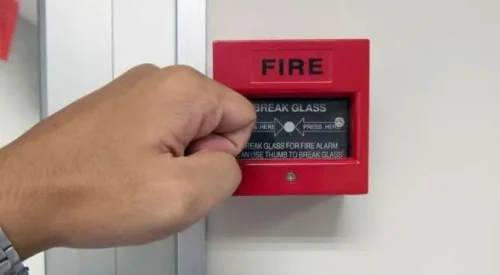
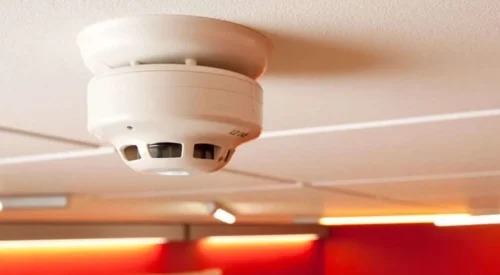
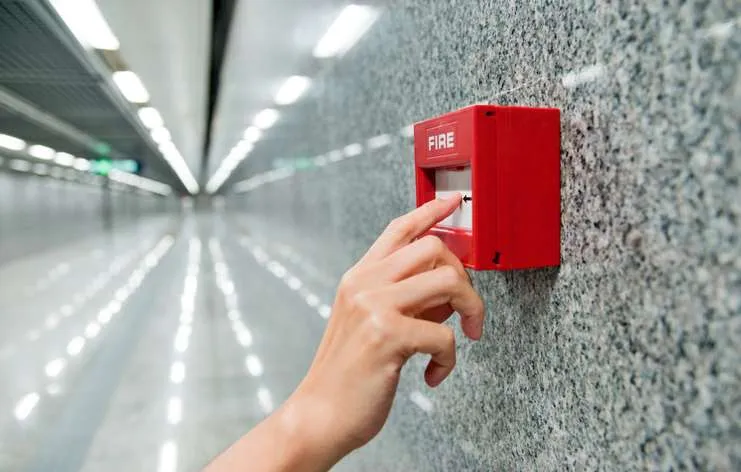
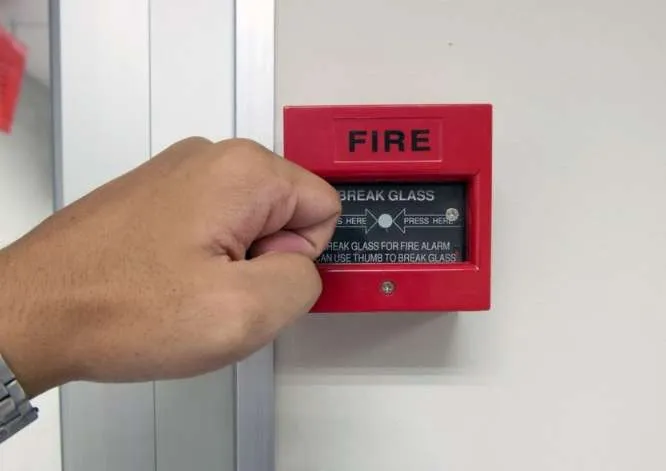
- Those components commonly include sounders or sirens that indicate that the fire alarm has been activated, call points, which can be manually activated by smashing the glass or pushing an emergency button, and detectors that identify smoke, elevated heat signals or other indications of fire such as particles of ash in the air.
- The main feature that makes an addressable fire alarm system different from any other is the way the system identifies every individual device within its network.
- Each component, detector call point and sounder has a unique address or identifying code.
Hard addressing means that each device is given a numerical tag or number, whereas soft addressing means that the fire alarm system is operated by software, which allocates a digital identification code to each device wired to the control panel.
When the fire alarm system detects a fault, receives an alarm or logs a change in status, the exact device concerned is logged by the control panel – meaning responders can confirm whether the alert is a genuine emergency, track the time taken to react, and ensure they initiate a safe and immediate evacuation away from the point of the incident.
What Is the Benefit of an Addressable Fire Alarm System?
As we’ve mentioned, larger or multi-unit sites use addressable fire alarm systems because they depend on their fire monitoring systems to identify the specific place where a fire or smoke has occurred. Examples include:
- Hotels
- Office buildings
- Warehouses
- Shopping centres
- Schools and nurseries
- Hospitals
- Museums and art galleries
- Multi-storey buildings
- Care homes
In some sectors, addressable fire alarm systems are a mandatory requirement, according to British Standards, to ensure all businesses comply with best practice fire safety protocols.
For example, care and nursing homes must use addressable systems if they have ten or more residents and staff on-site at the same time.
Since some site users may have limited mobility and will require assistance to evacuate in the event of a fire, it is paramount that staff know where a fire has occurred and can escort residents to safety without ever directing them to a fire exit closer to the blaze.
Introducing Advanced Fire Controls Through an Addressable Alarm System
Businesses and commercial sites with elevated fire risks use the functionality of an addressable fire alarm system to integrate more automated responses in addition to the standard fire alarm siren and emergency lighting.
Intelligent addressable systems can be programmed to respond in a predefined manner depending on where an alarm is activated – this is called cause and effect functionality.
Examples might include triggering a sprinkler system or fire suppression response if a fire alarm is activated in a key space, such as a server room or controlled environment. Fire alarm systems can also sound alerts to prompt an evacuation of a particular zone, ensuring everybody within proximity of the location of the alarm is instructed to leave immediately.
The control panel that monitors the fire alarm system tracks each device and component within the network on a continual basis. Therefore, it can often preempt false alerts by raising a notification or status alert when there is a sign that a device is faulty or isn’t working as expected.
Should I Choose an Analogue or Addressable Fire Alarm System for My Premise?
The right fire alarm systems will always depend on the types of safety risks present, the nature of the building, and the layout. Our advice is to contact Clearway’s fire safety specialists if you need any guidance, often involving a professional premise risk assessment to help us review your current set-up and provide independent recommendations.
We provide a complete range of fire alarm systems, from basic controls to bespoke systems for high-risk environments, and hold ISO 9001:2015 and BAFE SP203-1 accreditations.
Please get in touch at any time to discuss the most appropriate fire alarm system for your business or premises.

Daniel Meeajane 
Business Development Director, Clearway Fire and Security
Daniel Meeajane is a Business Development Director for Clearway Fire and Security.
Having been involved in some major projects and achieving successful results Daniel uses his knowledge and experience to leverage awareness in Fire Protection. To do this a deep understanding of the BS 5839 PT1 is required along with keeping updated on the latest technology.
Related content
Sat Jun 1 2024
Fire Detection Fire Systems & Alarm Systems
Mon Jul 18 2022
Commercial Fire Alarm Installation
Mon Jul 25 2022