

When it comes to commercial CCTV installation and our innovative AI-powered cameras, we’re often asked about the technical details behind their functionality. From industry-specific terminology to advanced features, it can feel like a lot to take in. That’s why we’ve put together this CCTV jargon-busting guide, a handy list designed to help you better understand the key terms and nuances of CCTV technology, making it easier to see the value in what we offer.
An A – Z of CCTV Terminology:
- 4K Resolution meaning: Ultra-high-definition video resolution of 3840 x 2160 pixels, offering superior image clarity.
- Alarm Input meaning: A connection on cameras or DVRs that accepts signals from external devices like motion sensors to trigger recording or alerts.
- Angle of View meaning: The observable area a camera can capture, determined by its lens focal length.
- Aperture meaning: The opening in a camera lens that controls the amount of light reaching the image sensor, measured in f-stops.
- Artificial Intelligence (AI) meaning: Algorithms used in CCTV for advanced features like facial recognition and anomaly detection.
- Auto Iris meaning: A feature that automatically adjusts the lens aperture to maintain optimal exposure in varying lighting conditions.
- Backlight Compensation (BLC) meaning: A technology that adjusts image exposure to properly capture subjects against bright backgrounds.
- Bandwidth meaning: The data transmission capacity of a network, critical for high-quality video streaming.
- Bitrate meaning: The amount of data processed per unit of time in a video stream, affecting video quality and storage requirements.
- Black-and-White Mode meaning: A camera mode optimising image capture in low-light conditions.
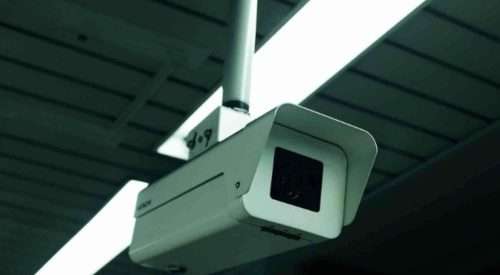
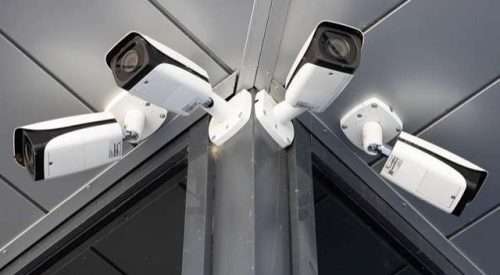
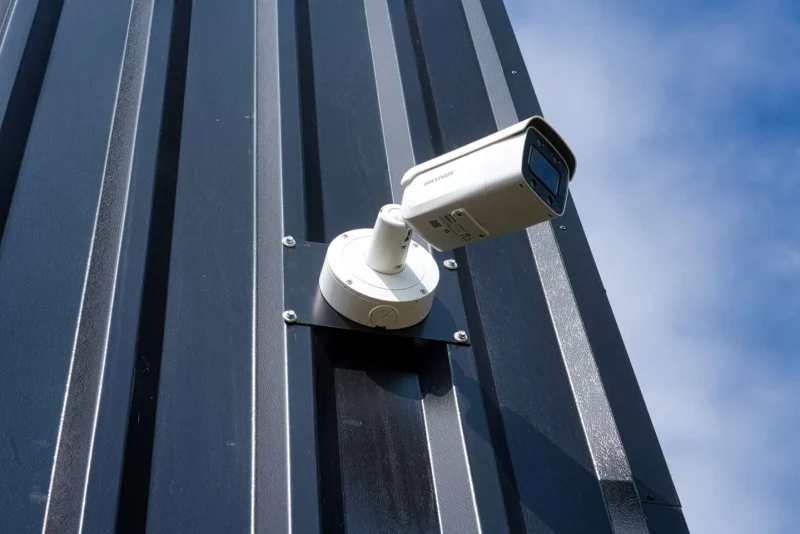
- Bullet Camera meaning: A cylindrical-shaped camera typically used for outdoor surveillance.
- C-Mount Lens meaning: A type of lens mount commonly used in CCTV cameras, allowing for interchangeable lenses.
- Cat5/Cat6 Cable meaning: Types of Ethernet cables used to transmit data and power in IP camera systems.
- Charge-Coupled Device (CCD) meaning: An image sensor used in cameras to convert light into electronic signals.
- Closed-Circuit Television (CCTV) meaning: A private video system used for surveillance, transmitting signals to specific monitors.
- Cloud Storage meaning: Storing video data on remote servers accessible via the internet.
- Codec meaning: A device or software that compresses and decompresses digital video and audio data.
- Colour Night Vision meaning: A feature enabling cameras to record coloured footage in low-light conditions.
- Compression meaning: The process of reducing the size of a video file to save storage space or bandwidth.
- Continuous Recording meaning: Recording footage 24/7, without breaks.
- Coaxial Cable meaning: A type of cable used to transmit video signals from analog cameras to recording devices.
- Dewarping meaning: A process used to correct distorted images from fisheye or panoramic lenses.
- Digital Video Recorder (DVR) meaning: A device that records video footage from analog cameras in a digital format.
- Dynamic Range meaning: The range between the darkest and brightest areas a camera can capture.
- Edge Storage meaning: Video storage directly on the camera using internal memory or an SD card.
- Encrypted Video meaning: Video footage protected with encryption for enhanced security.
- Ethernet meaning: A network technology used for data transmission in wired local area networks (LANs).
- Event Triggered Recording meaning: Recording initiated by specific events like motion or tampering.
- Field of View (FOV) meaning: The extent of the observable area a camera can capture.
- Fisheye Lens meaning: A wide-angle lens that provides a panoramic view, often up to 180 degrees.
- Fixed Lens meaning: A lens with a set focal length that cannot be adjusted.
- Focal Length meaning: The distance between the lens and the image sensor, determining the magnification and field of view.
- Frame meaning: A single image within a sequence of video footage.
- Frame Rate meaning: The number of video frames captured per second, affecting the smoothness of motion in the footage.
- H.264/H.265 meaning: Video compression standards that reduce file size while maintaining quality; H.265 is more efficient than H.264.
- Hotspot meaning: A focused area within a camera’s view offering zoomed-in details.
- Hybrid System meaning: A surveillance system combining analog and IP cameras.
- Infrared (IR) Cut Filter meaning: A filter that blocks infrared light during the day for accurate colour representation and removes itself at night to allow IR illumination.
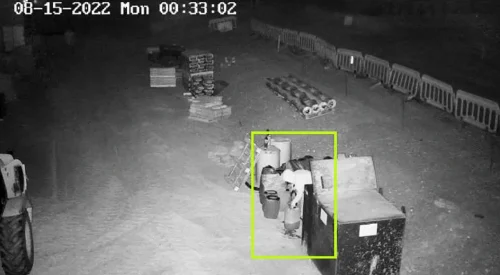
- Infrared (IR) Illumination meaning: Light emitted in the infrared spectrum, allowing cameras to capture images in complete darkness.
- IP Camera meaning: A networked digital video camera that transmits data over an Ethernet or Wi-Fi connection.
- IP Rating meaning: The International Protection rating that indicates a camera’s resistance to dust and water (e.g., IP67).
- Joystick Controller meaning: A device used for controlling PTZ cameras.
- JPEG meaning: A common image format used for still images in CCTV recordings.
- kbit/s meaning: Kilobits per second, a unit measuring data transfer speed.
- Latency meaning: The time delay between capturing an event on camera and displaying it on a monitor.
- Local Storage meaning: Video storage within the DVR/NVR, separate from cloud solutions.
- LPR/ANPR Camera meaning: A camera designed for License Plate Recognition (LPR) or Automatic Number Plate Recognition (ANPR).
- Lux meaning: A unit measuring light intensity; cameras with lower lux ratings can operate in darker environments.
- mBit meaning: Megabits, a unit used for measuring data rates or digital transfer speeds.
- MAC Address meaning: A unique identifier assigned to networked devices, including IP cameras.
- Masking meaning: Blocking specific areas of the camera’s view to hide sensitive details.
- Megapixel meaning: One million pixels; a measure of a camera’s resolution.
- Motion Detection meaning: A feature where the camera begins recording or sends an alert upon detecting movement.
- Multiview meaning: Displaying multiple camera feeds on a single screen.
- Night Vision meaning: The ability to capture images in low-light or no-light conditions.
- Noise Reduction meaning: Technology minimising grainy interference in video footage.
- NVR (Network Video Recorder) meaning: A device that records video directly from IP cameras over a network.
- ONVIF (Open Network Video Interface Forum) meaning: A standard for ensuring interoperability between IP-based security products.
- Pan-Tilt-Zoom (PTZ) Camera meaning: A camera that can pan, tilt, and zoom for dynamic surveillance coverage.
- Panoramic Camera meaning: A camera providing a wide, often 360-degree, field of view.
- Pixel meaning: The smallest unit of a digital image, contributing to resolution quality.
- Playback meaning: Reviewing recorded video footage.
- Plug and Play (PnP) meaning: Technology that allows easy setup without complex configurations.
- PoE Injector meaning: A device enabling PoE functionality in networks without built-in PoE switches.
- Power over Ethernet (PoE) meaning: A technology that delivers power and data to cameras through a single Ethernet cable.
- Privacy Masking meaning: A feature that blocks out specific areas in a camera’s view to protect privacy.
- Quad meaning: A display mode where four camera feeds are shown simultaneously on a monitor.
- Relay Output meaning: A device-triggering mechanism in surveillance systems.
- Resolution meaning: The clarity of an image or video, determined by the number of pixels.
- Resolution Ratio meaning: The proportion of width to height in a video frame (e.g., 16:9).
- RG59 Cable meaning: A type of coaxial cable commonly used in CCTV systems for video transmission.
- Rolling Shutter meaning: A method of capturing images where different parts of the frame are exposed at different times.
- RTSP (Real-Time Streaming Protocol) meaning: A protocol for streaming live video from IP cameras.
- Smart Analytics meaning: AI-powered features like face recognition, object detection, and line crossing detection.
- Storage Capacity meaning: The amount of data a CCTV system can store, determined by the hard drive size and video compression settings.
- Streaming meaning: The transmission of live or recorded video over a network.
- Super Dynamic Range (SDR) meaning: Technology enhancing image details in scenes with both bright and dark areas.
- Surveillance Monitor meaning: A display specifically designed for continuous video surveillance.
- Tamper Detection meaning: A feature that alerts when the camera is tampered with, such as being moved or blocked.
- Time-Lapse Recording meaning: Recording at intervals to condense long events into shorter videos.
- Time Stamp meaning: A digital mark on video footage indicating the recording time and date.
- Two-Way Audio meaning: A system allowing audio communication between the camera and the monitoring station.
- Ultra HD meaning: A resolution standard offering 4K or higher image quality.
- Varifocal Lens meaning: A lens with adjustable focal length, allowing users to change the zoom and field of view.
- Video Analytics meaning: The automated processing of video feeds to detect and analyse specific events.
- Video Loss meaning: The interruption of a video signal, often triggering an alert.
- Video Motion Detection (VMD) meaning: Software detecting movement in video feeds.
- Video Signal-to-Noise Ratio (VSNR) meaning: The measure of video quality comparing signal strength to noise.
- Virtual PTZ meaning: Digital zooming and panning capabilities without physical camera movement.
- VMS (Video Management Software) meaning: Software that manages and controls multiple CCTV cameras and recording systems.
- Water Resistance meaning: A feature ensuring cameras can operate in damp environments without damage.
- Waterproof Camera meaning: A camera designed to withstand water exposure, suitable for outdoor use.
- Web Viewer meaning: A browser-based interface for accessing live and recorded footage.
- Wide Dynamic Range (WDR) meaning: Technology that enhances image quality in scenes with extreme lighting contrasts.
- Wireless Camera meaning: A camera transmitting data over Wi-Fi, eliminating the need for wired connections.
- Zoom meaning: Adjusting the camera’s focus to enlarge or reduce the size of objects in the field of view.
- PoE meaning: Power over Ethernet (PoE) is a technology that delivers both electrical power and data over a single Ethernet cable, simplifying installation and reducing the need for separate power sources for devices like IP cameras, VoIP phones, and wireless access points.
- FPS meaning: Frames Per Second (FPS) refers to the number of video frames captured or displayed per second. Higher FPS results in smoother motion in video recordings and is crucial for applications like surveillance of fast-moving objects.
- HDD meaning: Hard Disk Drive (HDD) is a storage device used in surveillance systems to store recorded video footage. The storage capacity and write speed of an HDD are key factors in determining how much video data can be stored and retrieved efficiently.
- SNMP meaning: Simple Network Management Protocol (SNMP) is a protocol used to manage and monitor network devices, such as IP cameras and NVRs, by providing information about their status, performance, and potential issues.
- What is RTSP?: Real-Time Streaming Protocol (RTSP) is a network protocol that enables the control of streaming video and audio over the internet. It is commonly used in IP cameras to stream live video feeds to viewing software, recorders, or mobile apps.
Need help choosing a CCTV System?
Understanding CCTV jargon doesn’t have to be complicated. With our glossary of terms, you’ll gain clarity on the technical details and advanced features that make our commercial CCTV and AI-powered cameras stand out.
Ready to elevate your security knowledge or discuss the best solutions for your needs? Contact us today to find out how our innovative surveillance systems can protect what matters most.