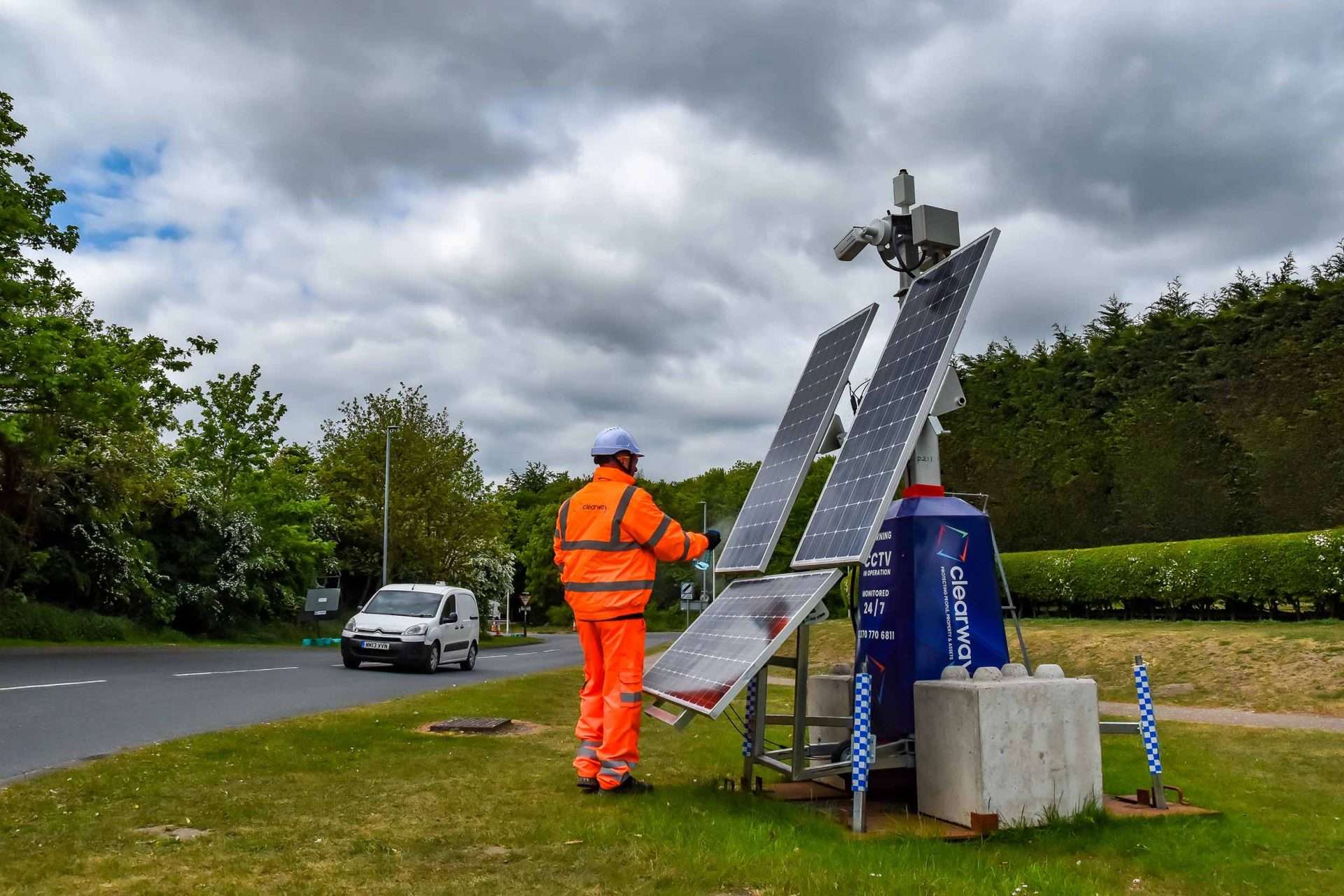


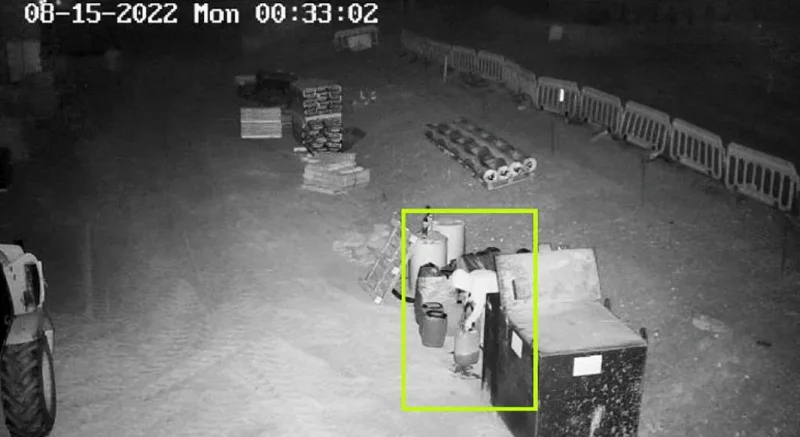
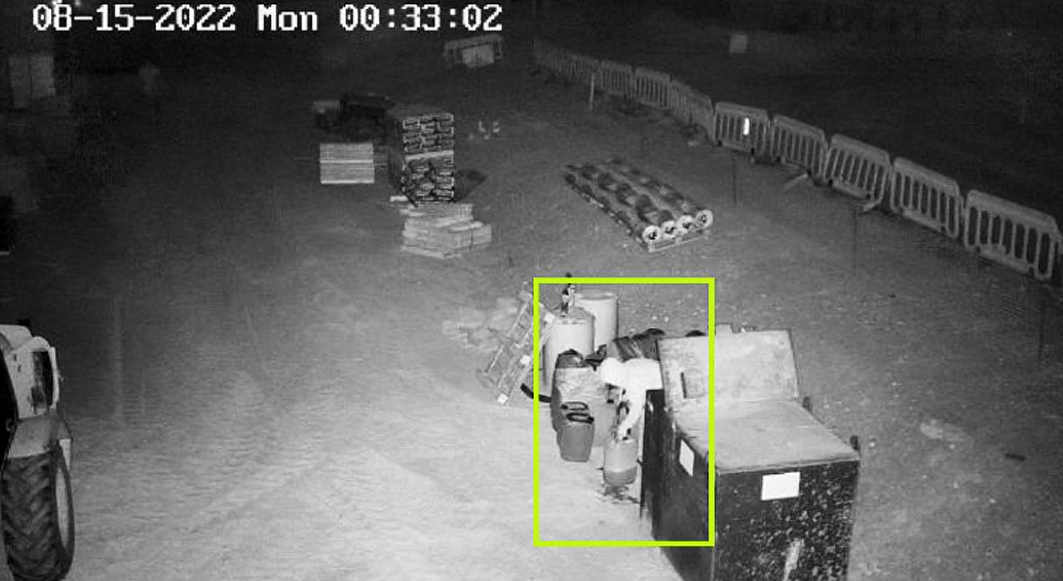
Does CCTV work without light? The answer is yes, most modern CCTV cameras can work without light thanks to infrared (IR) night vision technology, which allows them to capture clear footage even in complete darkness.
Conventional CCTV cameras have limited functionality during the evening and overnight, often producing grainy, blurry footage – if at all. However, the newest generation of CCTV surveillance provides a vast array of features that outperform older camera units multiple times over, with infrared night vision, crystal clear captures, and efficient camera bursts when movement is detected in low light settings.
In this article, we’ll discuss some of the CCTV systems that may be suited to sites, premises and properties that rely on their security during the hours of darkness and how these systems remain operational irrespective of lighting or weather conditions.
Key Summary Points
- There are plenty of scenarios that require high quality footage in low light conditions such as protecting sites at night when thefts are more likely to occur.
- Modern CCTV systems significantly outperform older models with features like infrared night vision and high-definition captures in low-light settings, ensuring clear footage irrespective of lighting conditions.
- CCTV enhancements include infrared imaging for covert monitoring, low-light cameras that require minimal illumination, and standard cameras supplemented with motion-activated lighting.
- Effective placement of CCTV systems is preceded by a comprehensive site risk assessment, which helps tailor the surveillance setup to the specific security needs of the premises, mitigating potential threats effectively.
How Do Modern CCTV Systems Work in the Dark?
While infrared is a well-known term, there are multiple variations on low-light technology.
It’s also worth remembering that CCTV must have some form of power source, normally either mains cabling, a commercial-grade battery or a solar-powered rechargeable battery.
Many of the models we’ll look at incorporate dual features, including infrared or low-light tech and autonomous batteries, providing the most dependable security surveillance possible.
Types of Night Vision CCTV
The main categories of low-light technology you’ll find in CCTV cameras include:
- Infrared imaging, which captures video in full colour during the day or when well-lit and then transitions to black-and-white mode at night.
- Low-light cameras work in all lighting, recording or transmitting video in colour.
- Standard cameras can be installed with additional lighting, such as a motion-activated spotlight. While more suited to short-term use or low-risk sites, this solution may be appropriate if a more advanced CCTV system is unviable.
Infrared is often preferred since the red light emitted by the surveillance system is invisible and a great option for both preventative security and covert surveillance.
It is also used in scenarios where bright security lighting could pose a risk, such as when cameras cover areas near roadways.
Low-light cameras work similarly, extracting maximum ambient and artificial lighting. However, some models are less effective, and away from settings with around-the-clock lighting, such as a city centre, these cameras will still require supplementary lighting to produce clear images.
Choosing a CCTV Security System for 24/7 Coverage
We often suggest a site risk assessment before purchasing a CCTV system – or any alarms, security assets or physical defences.
That assessment process ensures you haven’t overlooked any gaps in your security and have a complete overview of the risks and threats that require decisive action, making informed choices about the right surveillance solutions or other devices for your property or premise.
During a site risk appraisal, Clearway’s security consultants run through a series of questions before making recommendations, including:
- The area you need your CCTV cameras to cover – will they be indoors or outside, what distance will your cameras cover, and do you need temporary or long-term security?
- The nature of your site – is it open land, a commercial premise, a construction site, a residential property or another type of building?
- The risks you need to mitigate or remove – are you concerned about trespassers, vandals, organised criminals, squatters, fly-tipping or all of these issues?
- The severity of each risk – do you need CCTV as a precaution, or is there a real-time risk of an imminent security breach or theft?
Numerous types of CCTV systems may prove suitable, so asking these important questions ensures your surveillance is fit for purpose and consistent with your security objectives.
Popular CCTV Surveillance Models With 24/7 Functionality
Each of the systems or devices below offers security coverage irrespective of the light available, whether an autonomous movement detection unit that can be placed strategically around your perimeter or a live-recording camera with integrated night vision.
inView CCTV Towers
CCTV towers can be powered by either solar/battery systems or connected to the mains power supply, depending on the layout of the area to be monitored, availability of power cabling, and any issues such as regular blackouts that would make a battery more reliable.
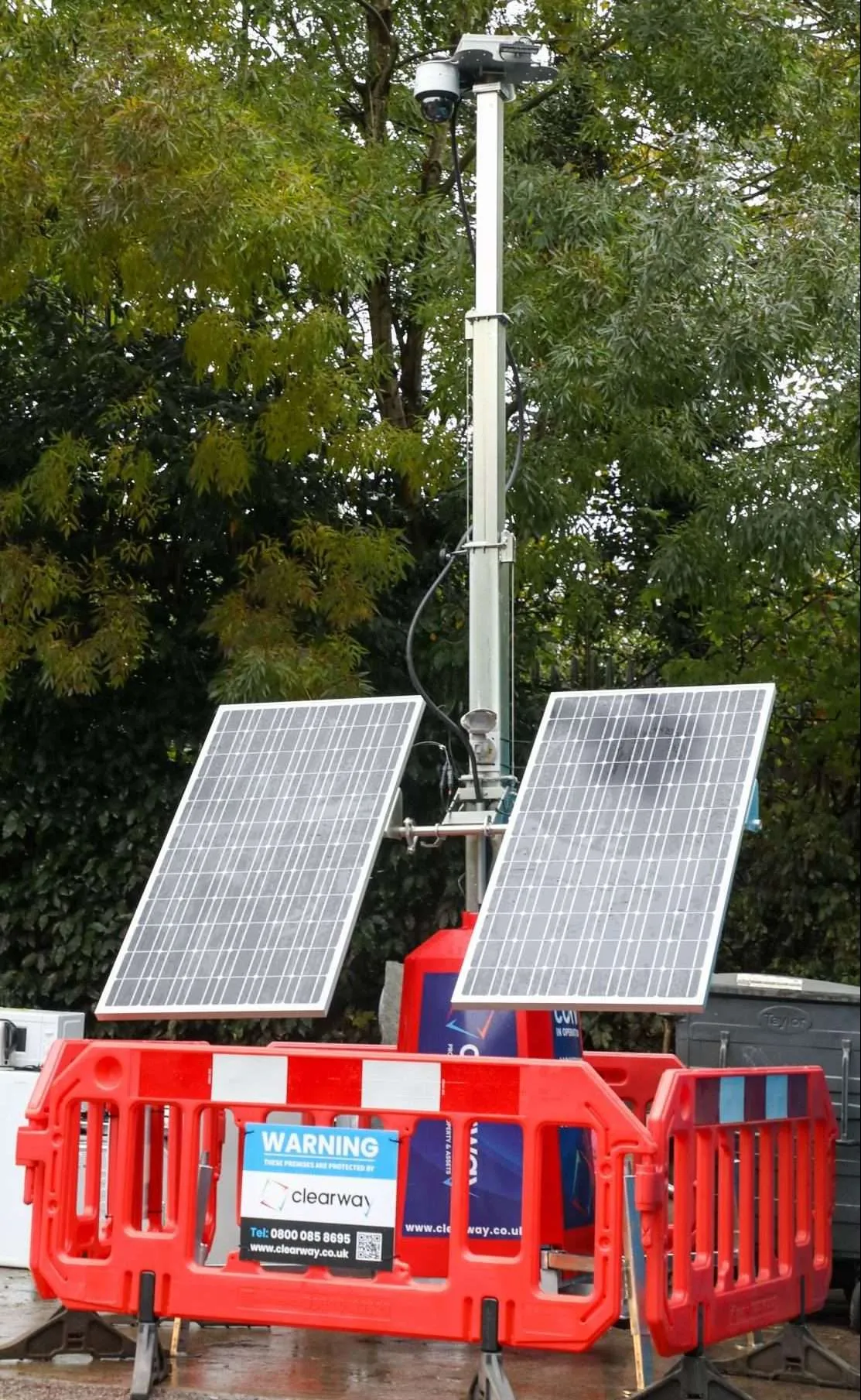
These advanced CCTV towers are highly visible and quick to deploy. They can provide extensive coverage, ideal for events, open land, broader perimeters and spaces such as car parks, warehouse loading bays, and outdoor storage facilities.
Each camera unit features Smart-IR LEDs, which offer a range of 60 metres, using a Super WDR low-light CMOS sensor that ensures your surveillance is crisp and high quality, whether at midday or midnight.
Video-Verified Alarm Systems
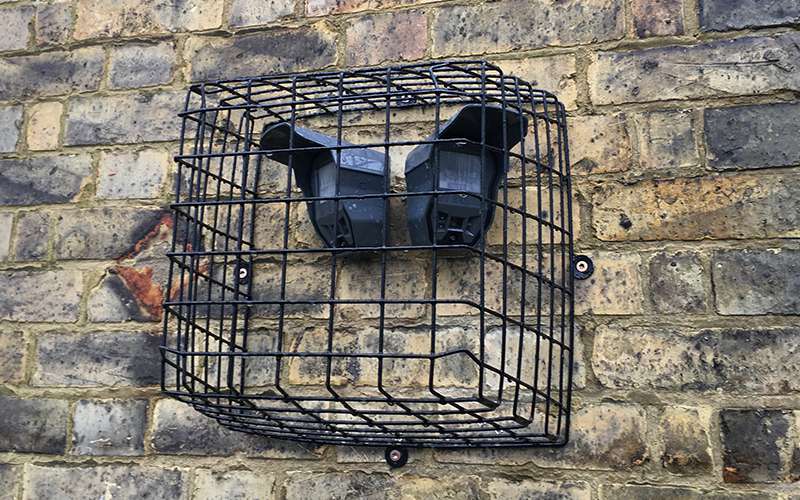
Video-verified alarms act as a hybrid, part intruder alarm system and part CCTV surveillance camera. Often used in vacant properties, commercial spaces and construction sites, they incorporate a long-life battery and can be utilised anywhere without dependence on wiring or cabling.
When any movement or trigger activates the alarm, it automatically captures a series of images to transmit to your security responder, our Alarm Receiving Centre (ARC) or your keyholder – verifying the cause of the alarm and initiating the most appropriate response.
These cameras record full-colour images during the day and clear captures overnight, with infrared lighting built into every unit.
inSite Wearable Personal Safety Devices

An inSite wearable device is an innovative solution that can work well for more remote environments or scenarios where full CCTV coverage isn’t possible. Examples include professionals working in varied public-facing roles or attending different sites daily, such as surveyors, inspectors, patrol teams or people working in the community.
Instead of a static CCTV camera, workforces can be issued with body-worn and helmet cameras, with additional functions such as automatic fall detectors, emergency SOS buttons and two-way communications.
These portable CCTV devices provide live streaming, a rechargeable battery with a 12-hour lifespan, and live alerts, enabling team members in potentially volatile or high-risk settings to use portable surveillance cameras at all times.
Perimeter Intrusion Detection Systems
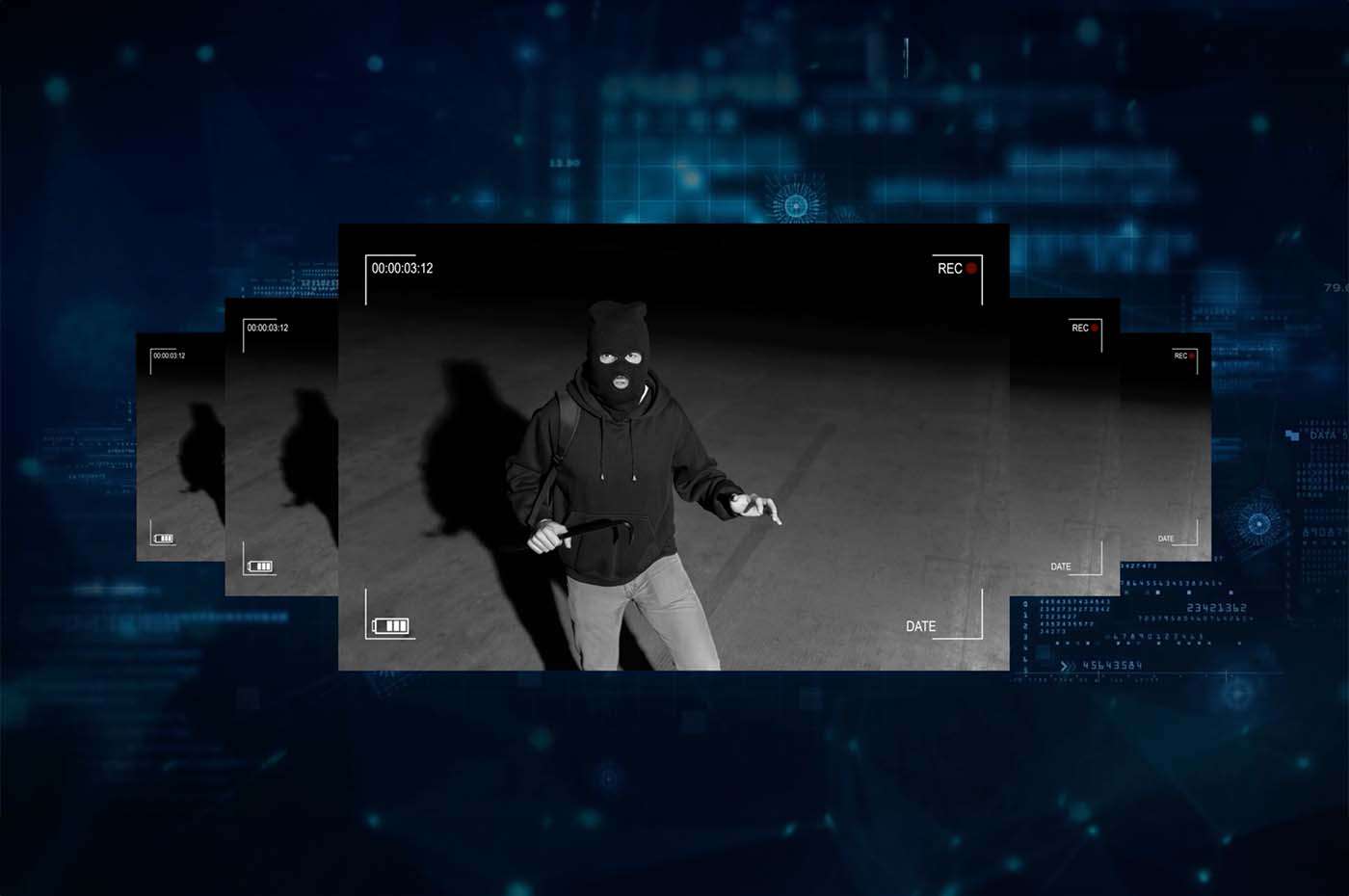
Our final featured product from the inView range is the perimeter intrusion detection unit or PID. This cutting-edge security solution is another alternative to a wireless, tower-mounted, infrared night-vision or low-light CCTV camera. The PID is a rapid deployment device that can be positioned anywhere near the assets, buildings or perimeters you need to protect.
Working in all weather conditions and impervious to changes in lighting, the PID activates an immediate alert and automatically captures and analyses a series of images when vibrations, vehicles or footfall are detected, with adjustable parameters to eliminate false alerts caused by wildlife or environmental factors.
Often integrated with CCTV surveillance, a PID expands the field of coverage and offers an always-on layer of security around higher-value premises, warehouse buildings and movable assets, ensuring that any suspicious activity will be identified, logged and reported to the appropriate response team.
FAQs
Can a CCTV camera work without a red light?
Yes, some CCTV cameras can operate without a visible red light. While many infrared (IR) night vision cameras have a red glow when active, some use invisible IR LEDs or rely on low-light sensors to capture footage discreetly. If complete stealth is required, you can opt for starlight cameras or thermal imaging cameras, which do not emit visible light at all.
Is CCTV camera night vision effective?
Yes, night vision CCTV cameras are highly effective, but their performance depends on the technology used. Standard IR cameras provide black-and-white footage in low light, while starlight cameras offer clearer, colour images in very dim conditions. For complete darkness, thermal cameras can detect heat signatures rather than relying on light. The effectiveness of night vision also depends on the quality of the camera, IR range, and environmental conditions like fog or rain.
Does CCTV work at night?
Absolutely. Most modern CCTV cameras are designed to function 24/7, even in complete darkness. Night vision cameras use infrared LEDs, low-light sensors, or thermal imaging to ensure clear footage. Some models can even switch between colour and infrared mode depending on available light. If you need better night-time surveillance, consider cameras with higher IR range, starlight technology, or motion-activated floodlights.
Related content
Thu Aug 28 2025
Wed Jun 5 2024
Wed Nov 24 2021