

Securing a site is not about locking a gate. It is about layers of protection.
This sounds obvious, yet it remains one of the most misunderstood aspects of site safety and compliance.
Under the Construction (Design and Management) Regulations 2015, there is a clear legal duty to prevent unauthorised access to construction sites. Regulation 18 requires sites to be kept secure so far as is reasonably practicable.
That duty does not exist in isolation.
Under the Health and Safety at Work etc. Act 1974, responsibility extends beyond the workforce to anyone who could be affected by the work, including members of the public.
Despite this, the same assumption still appears on far too many sites.
If the gate is locked, the site is secure.
It is not.
Key Takeaways
- CDM 2015 is about preventing harm, not defending decisions after an incident: The intent of CDM 2015 is to design risk out at the earliest possible stage. It is not a paperwork exercise or something to be justified retrospectively once something has gone wrong. Site security is part of that preventative duty.
- A locked gate is not a security strategy, it is a single point of failure – Locked gates, fences and padlocks can all be defeated. On their own, they rely on hope rather than control. Effective site security cannot depend on one measure working perfectly at all times.
- Layered security is how HSEQ leaders design risk out of construction sites: Good site security is a system made up of multiple controls working together. Physical barriers, site layout, hazard management and monitoring must be considered as a whole, not as isolated actions.
Where site security fails in reality
A locked gate is not security. It is a single point of failure.
- Fences get climbed.
- Padlocks get cut.
- Sites get accessed.
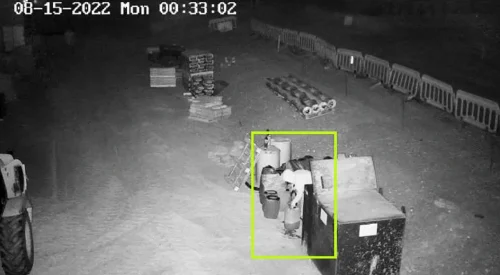
Once someone breaches the perimeter, every uncontrolled hazard inside the site becomes a potential incident.
At that point, the question is no longer whether access was restricted on paper. It becomes whether reasonably practicable steps were taken to prevent access in the first place.
From an HSEQ perspective, relying on one control is not risk management. It is hope.
And hope is not a control measure.
Why is it more than a theft problem?
The construction industry often frames site security as a cost issue.
The figures support that concern:
- Around £800 million is lost every year to theft and vandalism
- 92 percent of construction professionals report being affected by site crime
- Approximately one in five sites are targeted weekly
But financial loss is only the surface-level risk.
Poor site security introduces far more serious consequences:
- Members of the public accessing hazardous environments
- Increased risk of serious injury or fatality
- HSE enforcement and potential prosecution
- Long-term reputational damage
When incidents happen, investigations do not focus on whether a gate existed. They focus on whether risks were adequately identified and controlled.
This is where CDM 2015 becomes critical.
What is CDM 2015 and what is it actually trying to do?
CDM 2015 was designed to move the industry away from reactive safety and towards prevention.
It places duties on clients, designers, principal contractors and contractors to think about risk early and remove it wherever possible, rather than managing it after harm occurs.
Regulation 18 requires construction sites to be secured in a way that reflects the level of risk present.
In practice, this means asking:
- Who could gain unauthorised access to the site?
- What hazards would they be exposed to if they did?
- What controls are reasonably practicable to prevent that access?
A single locked gate rarely answers those questions adequately.
What good site security looks like in practice
From my perspective as Group HSEQ Director, effective site security is never one measure. It is a system.
That system should combine multiple layers of control, such as:
- Physical barriers and controlled access points
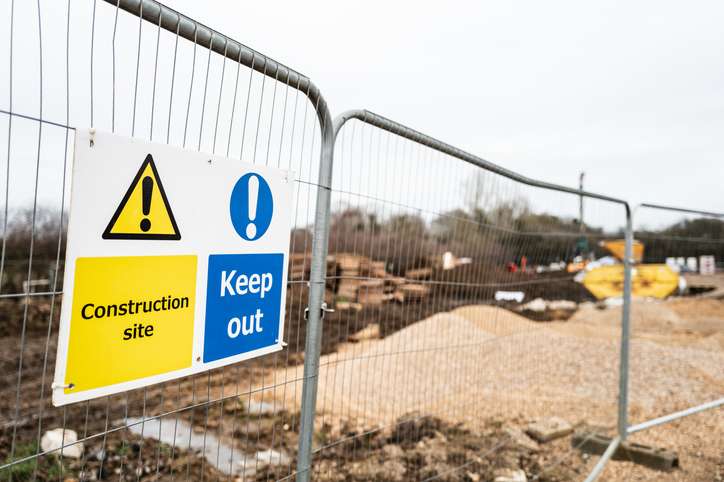
- Clear signage and adequate lighting to deter access and warn of danger
- Removal, isolation or guarding of hazards
- Securing plant, fuel and equipment when not in use
- Proactive monitoring and intervention
The critical distinction is this:
Not recording incidents after they happen.
Preventing them from happening at all.
Moving from passive security to active prevention
This is where technology, used properly, becomes an important additional layer of defence.
At Clearway, technology is used to strengthen site security, not replace good site management.
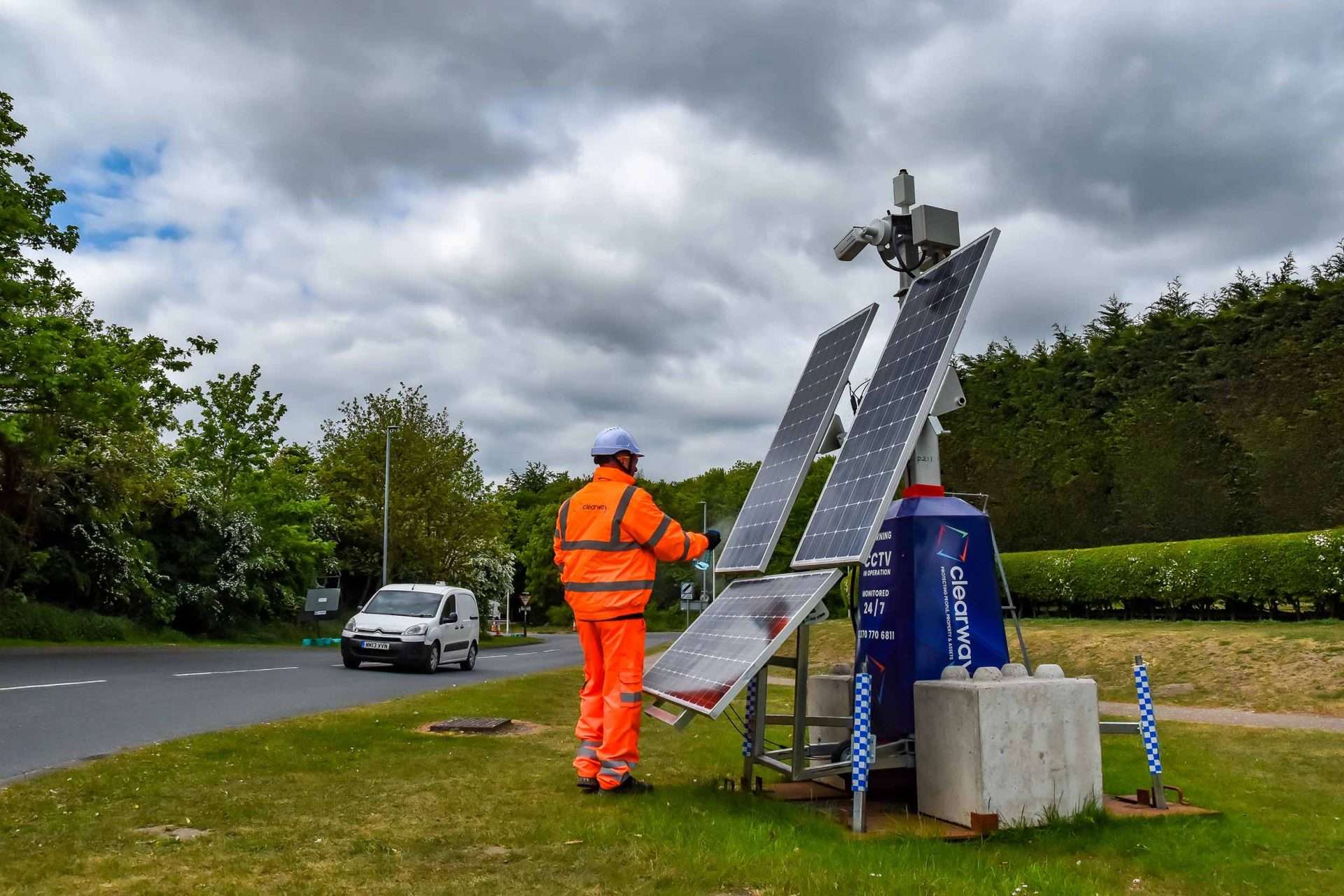
Rapid deploy systems and mobile CCTV towers, supported by a National Security Inspectorate Gold approved alarm receiving centre, allow for:
- Real-time detection of unauthorised access
- Immediate challenge of intruders
- Early intervention before incidents escalate
This shifts site security from passive observation to active prevention.
Instead of reviewing footage after a loss or near miss, risks are addressed while there is still time to stop harm.
This was never about cameras
It is not about hardware.
It is about:
- Protecting the public
- Protecting workers
- Meeting legal duties under CDM 2015
- Complying with the Health and Safety at Work etc. Act 1974
- Ensuring everyone goes home safe
When site security is treated as a layered, proactive system, it supports safety, compliance and commercial resilience at the same time.
Locking a gate is easy.
Designing risk out takes leadership.
If you are reviewing your current arrangements or questioning whether your controls genuinely prevent unauthorised access, I am always happy to have a conversation about how we can help.

Don Then 
Group Director of HSEQ
Don is an accomplished Risk and Safety Leader with over 20 years’ experience delivering safety culture transformation and operational excellence across high-hazard, multi-site and regulated environments, combining strategic governance with hands-on leadership. Holding a Professional Doctorate in Risk Management and an MSc in Risk Management and Safety Leadership, and recognised as CMIOSH, FIIRSM and CEnv, Don has led divisional and programme-wide HSEQ/HSES strategies, embedded ISO management systems (9001, 14001 and 45001), and strengthened assurance, audit and compliance performance at scale. His career includes senior director roles in global logistics and manufacturing, and two decades with the UK regulator as a warranted Principal Inspector and policy leader (including authoring CDM 2015), bringing deep expertise in investigation, enforcement standards, and stakeholder engagement. Don is known for pragmatic, risk-led decision making, influencing at board level, and developing high-performing teams that consistently improve incident performance and operational resilience.
Related content
Wed Jun 5 2024
Mon Jul 24 2023
Tue Apr 2 2024