

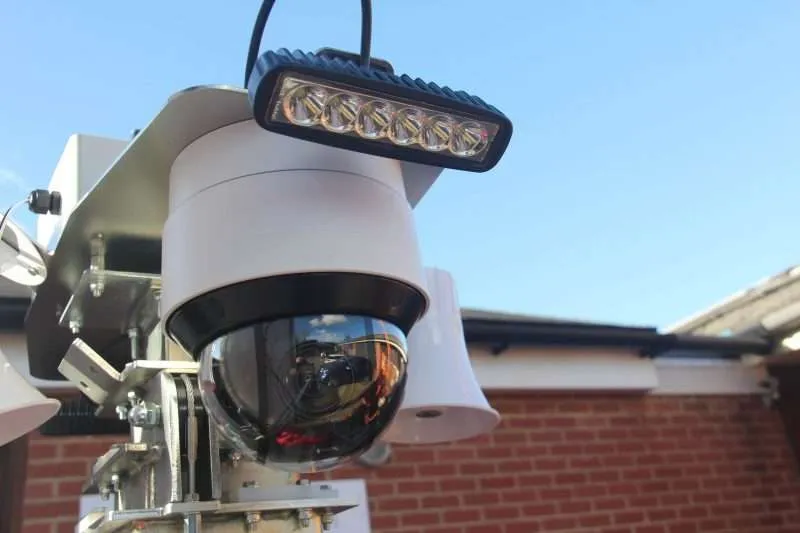
The history of CCTV goes back to 1942. 1942 was when the first documented use of CCTV was recorded in Germany so we believe CCTV was invented in 1942. That said, earlier closed-circuit concepts existed, including a 1927 system attributed to Russian inventor Leon Theremin, so the “first” can depend on how you define CCTV.
Since then, CCTV cameras have become part and parcel of everyday life. We see them on the tube, in shops, offices, trains – and surveillance is now so commonplace we often don’t give it a second thought!
However, the history of CCTV is extraordinary, and the technical capacity of cameras has innovated substantially since this form of surveillance was first introduced.
Let’s take a trip back through time to look at when CCTV was invented and how it has evolved into the formats we see today.
Key Takeaways
- Modern CCTV is widely traced to 1942, when closed-circuit systems were used in Germany to monitor V-2 rocket tests.
- Commercial CCTV followed in 1949 (often cited under the Vericon name), and UK public-space use is commonly traced to around 1960 (including Trafalgar Square).
- CCTV then evolved from tape/VCR recording to DVR/NVR systems, remote viewing, and today’s AI-powered analytics and detection features.
When Was CCTV First Used in the UK and who invented CCTV?
CCTV is widely credited to German engineer Walter Bruch, with a notable early deployment in 1942 at Peenemünde (Test Stand VII) in Germany, where closed-circuit cameras were used to monitor V-2 rocket launches from a safer distance.
However, CCTV-style systems were being explored earlier. One commonly cited example is Leon Theremin’s 1927 closed-circuit setup, which some sources describe as one of the first CCTV systems, even though it looked very different from what we think of as CCTV today.
It wasn’t until 1949 that CCTV became available commercially. It quickly gained interest as an advanced security control and was picked up under the name Vericon in the United States.
CCTV reached British shores in 1960.
Back then, CCTV wasn’t anywhere near as technical as it is now. Rather than automated sensors, infrared cameras and body temperature detection, they provided live monitoring, streamed to monitors – without the capacity to record the footage.
These days, there isn’t much CCTV can’t do!
- Real-time feeds are available through mobile devices and remote monitors.
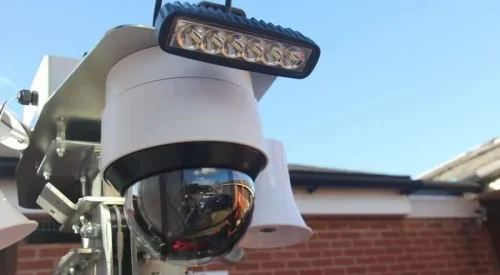
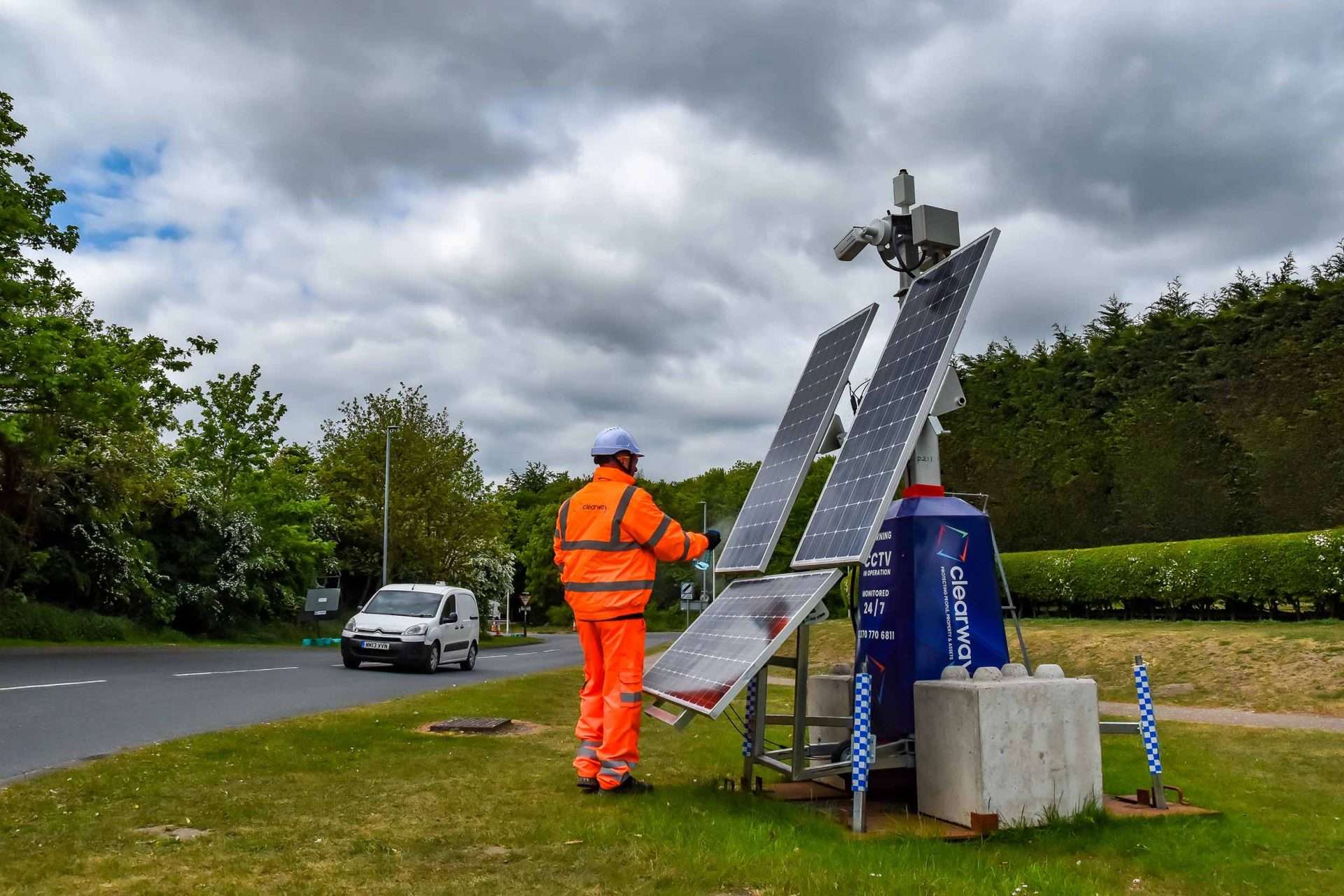
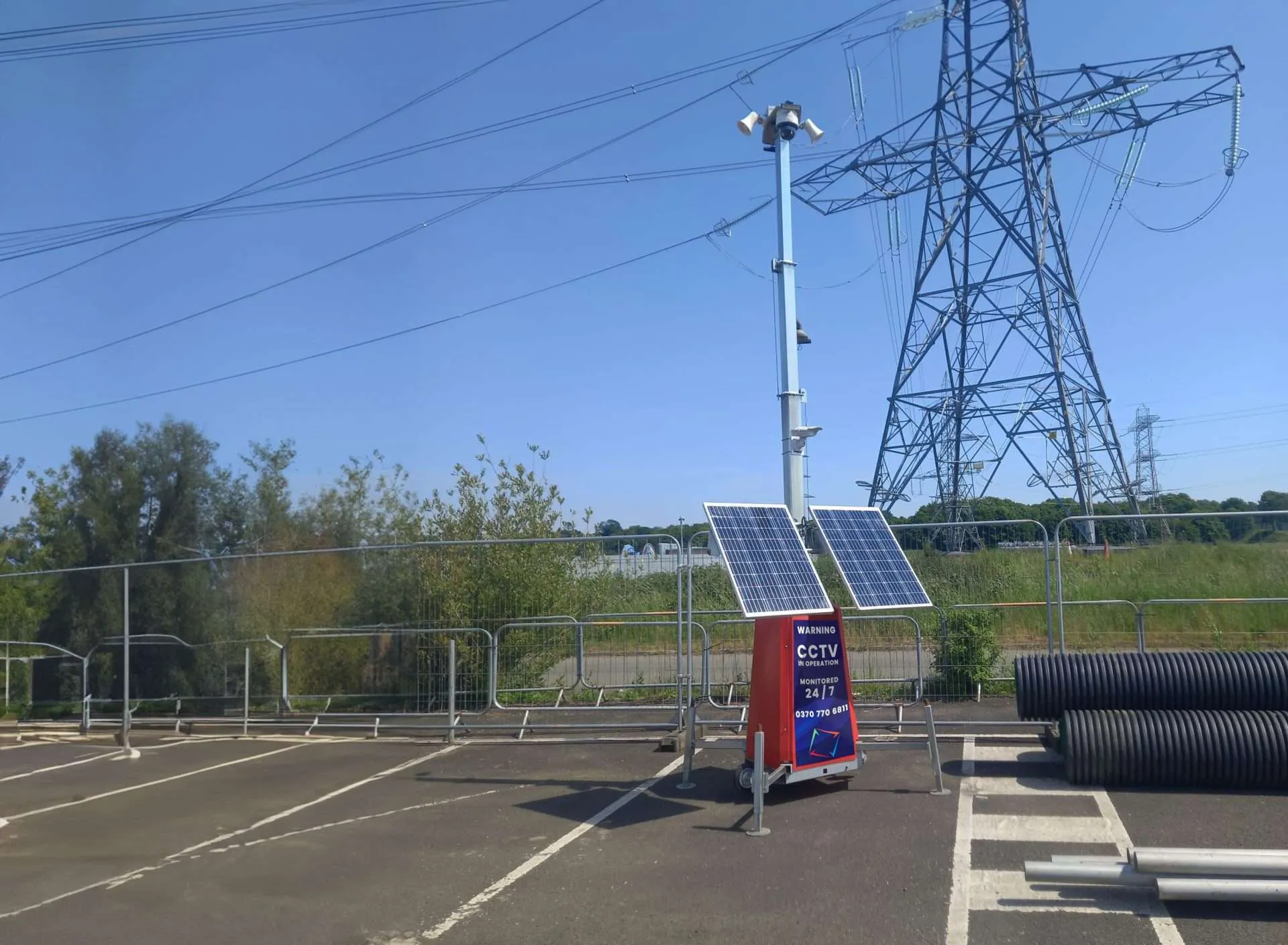
- Wireless installations are available with solar-powered batteries I.e CCTV Towers.
- Automatic sensors activate CCTV when movement or breaches are detected.
- Alarm monitoring services provide instant responses when an alert is raised.
Still, it’s taken 80 years for CCTV to develop into the systems we rely on today, and it’s well worth reminding ourselves of the fundamental technology that allowed this innovation to happen!
How Has CCTV Evolved Over the Last Eight Decades?
To get a good idea of how CCTV surveillance systems first started, we’ll go right back to the beginning.
After the initial systems, designed by Bruch, engineers introduced reel-to-reel recording systems. These could capture footage but still required ongoing manual controls, with an operator needed to thread tapes through the recorder and be ready to switch them over.
This system proved too fiddly to use and was quickly outdated when VCR recording arrived in the 1970s. VCRs became widely available, relatively cheap to run and buy, and were a far more convenient solution.
The benefits included leaving the VCR to record and run autonomously and then going back to look at the footage later on.
However, there were still some issues:
- VCR tapes had a finite capacity and still needed to be changed regularly.
- Tape libraries required a large amount of storage space.
- Most CCTV users would need to tape over old tapes to avoid having a limitless library of footage, and over time the videos would wear down.
Next up came multiplexing, around 20 years later in the 1990s.
Multiplexing solutions mean that multiple signals from multiple CCTV cameras can feed together onto one monitor.
This concept was ideal for larger organisations or businesses who needed to protect several areas at once – and we’re all familiar with the sight of a security office at a large property with multiple feeds showing all of the entrance points, communal areas or stairwells.
We were still reliant on VCR recording, but this development dramatically reduced the physical storage requirements. For example, if four CCTV cameras were streaming to one monitor, you would require a quarter of the storage capacity.
When Was Digital CCTV Introduced?
In the present day, so much of what we do is facilitated by digital technology. In the 1990s, concepts such as smartphones, Wi-Fi, and indeed broadband were figments of imagination!
When digital technology became mainstream in the early 2000s, CCTV changed forever.
- VCRs are now replaced with DVRs (digital video recorders) with significantly greater storage capacity, speed, and image quality.
- Multiplexers remain in use and are built into CCTV systems meaning they take much less time to install and manage.
- Digital footage is stored without the need for any manual tapes, making CCTV security far more accessible.
Pricing is also a significant factor. New technology is expensive. While CCTV has been around for several decades, when digital systems first became available, they would only have been affordable to high-value organisations with the budget to invest in this security.
Modern day CCTV and AI
Now, digital technology is widely accessible and affordable, whether for small businesses, private homes, or larger commercial premises.
In recent years, we haven’t stopped innovating, and there are new frontiers still out there, which will make security faster, easier, more convenient, and potentially cheaper.
NVRs, (network video recorders) are among the best options for modern CCTV systems and incorporate video processing and encoding capacity within the camera itself.
The footage is then streamed to the NVR for viewing or recording remotely – so for organisations with multiple sites or across a wide area; every camera can stream directly to the same remote device simultaneously.
But what about AI?
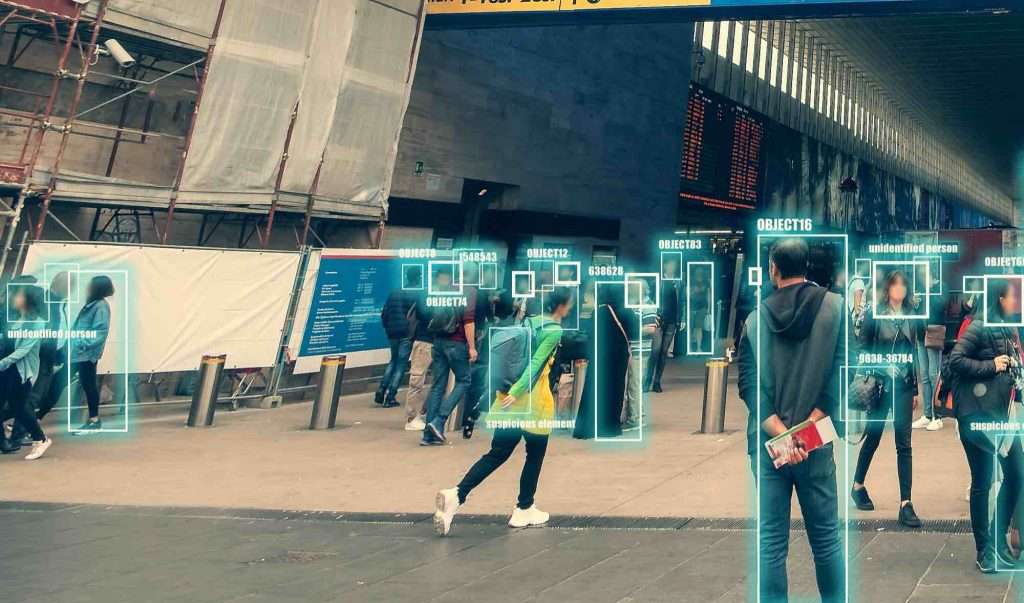
AI in CCTV is advancing rapidly, revolutionising surveillance capabilities. One major development lies in object detection algorithms, enabling cameras to identify and flag unexpected hazards such as debris, wildlife, or unauthorised foot traffic, enhancing safety for motorists. There are a number of new functions that use AI to detect and alert security teams:
Object detection
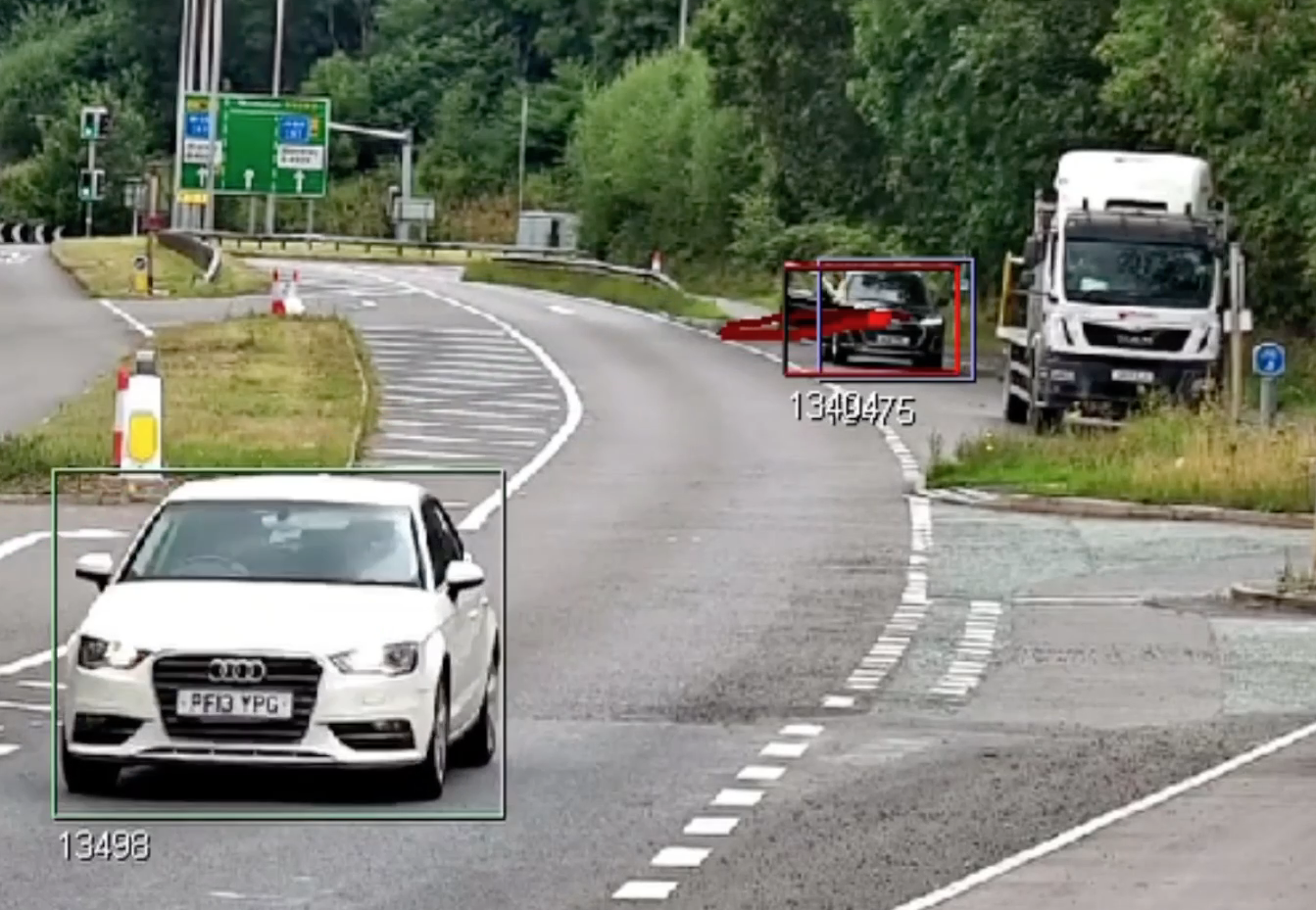
Object Detection Cameras are now becoming prevalent in CCTV systems, aiding in the identification of unexpected hazards such as a broken-down vehicle, debris, wildlife, unauthorised pedestrian traffic, or any other item that could endanger motorists.
These cameras also have the capability to recognise the absence of objects that are typically part of the landscape, such as signage or safety assets like warning signs, lights, traffic cones, or barriers around work areas.
ANPR
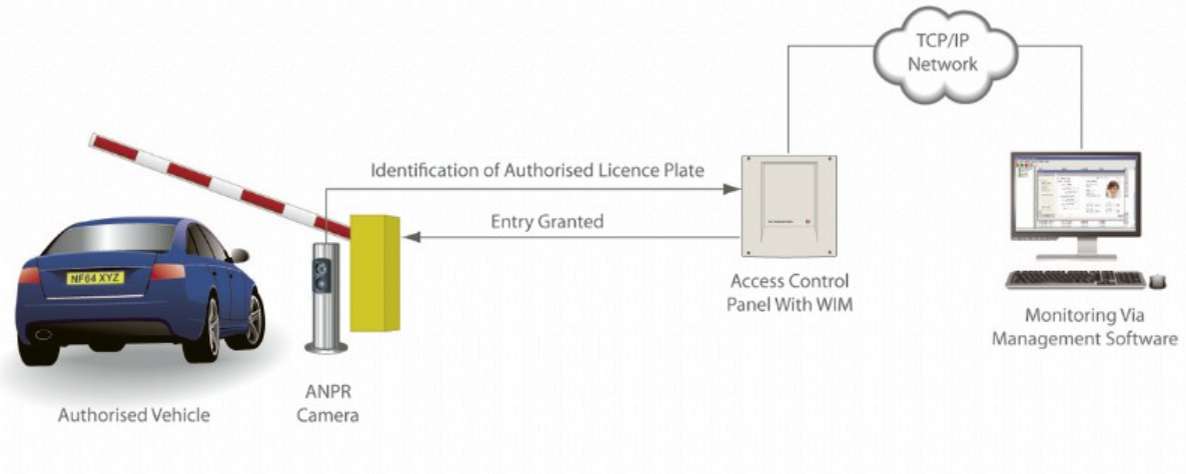
Automatic Number Plate Recognition (ANPR) and Facial Recognition Cameras are increasingly employed to assist security teams in locating rogue vehicles, identifying attempted intrusions into restricted areas, or monitoring suspicious behaviour exhibited by vehicles. This technology proves invaluable in tracing potential witnesses or involved parties in road incidents.
Traffic monitoring
Traffic Monitoring functions are utilised to evaluate lane efficiency, identify optimal times for repair work, and assess the probable impact of obstructions or maintenance activities.
When paired with remote access, teams can review feeds centrally and respond faster without needing someone on-site to watch screens continuously.
CCTV analytics
CCTV Analytics can detect changes in noise pollution, particularly relevant in areas adjacent to motorways near rail networks or airports where high sound levels may pose risks to nearby residents.
It’s interesting to review the journey of CCTV and see how such a basic concept has grown into a responsive, digital system that combats crime and provides safety across our lives.
We’re excited to see what the future holds and will always be the first to share new CCTV innovations, adapting and enhancing your security surveillance with cutting-edge technological developments.
From 1942 to Today’s Smart CCTV
CCTV’s journey from 1942’s live monitoring systems to today’s AI-powered detection shows how surveillance has evolved from a wartime tool into an essential part of everyday security.
What started as basic closed-circuit feeds requiring constant human operators has transformed through VCR recording, multiplexing, and digital DVR/NVR systems into platforms that can detect threats, recognize patterns, and alert teams automatically.
The shift from passive recording to proactive detection marks the biggest change in recent years.
Modern CCTV doesn’t just capture what happens – it identifies risks in real-time, from unauthorized access to unexpected hazards, giving security teams the advantage of early warning rather than post-incident review.
If you’re considering CCTV for your site, the next step is matching the right system to your specific security needs.
Frequently Asked Questions
When did CCTV become commercially available?
Commercial closed-circuit systems are commonly cited as becoming available in 1949 in the US under the Vericon name. Early commercial setups still required live monitoring and had limited recording capabilities.
When was CCTV first used in the UK?
Public-space use in the UK is often traced to 1960, including deployments around Trafalgar Square for crowd monitoring. Wider adoption grew through the following decades across transport and city centres.
Is CCTV legal in the UK for businesses and sites?
Yes, but operators need to follow UK data protection rules, including clear purpose, signage, and secure handling of footage. The ICO provides detailed guidance for organisations using CCTV and video surveillance.