

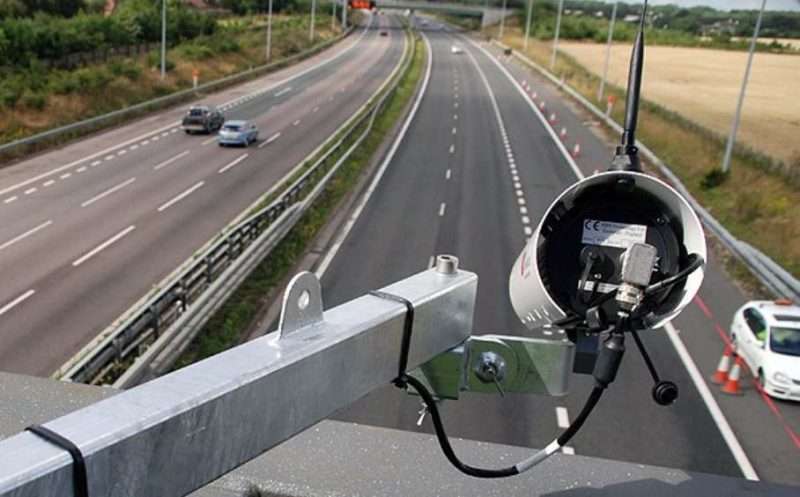
Automatic number plate recognition (ANPR) cameras are an advanced form of security surveillance technology. These surveillance cameras scan vehicle number plates for comparison against a database – immediately confirming whether a vehicle is on an approved or prohibited visitor list.
ANPR cameras can also capture the identity of the owner of a car that has been recorded breaching a perimeter or committing a driving offence.
As the security sector evolves, the use of AI-enabled CCTV has become more widely adopted. It is no longer reserved for cameras installed by the police on major roads and motorways to provide always-on oversight of speed limits or dangerous driving.
These camera can read and register the number plate on any vehicle, even during heavy traffic, or verify whether the number plate is included on a pre-approved database and is allowed entry.
Key Takeaways
- ANPR stands for Automatic Number Plate Recognition. This AI-enabled technology enables security cameras to capture vehicle registrations with numerous applications.
- ANPR cameras have long been used by police and highway patrols to record the number plates of vehicles committing driving offences or driving dangerously, but there are now far broader uses for businesses and commercial sites.
- The automatic nature of ANPR means cameras are operational 24/7 and can be integrated with security systems, perimeter surveillance, or as an automated access control solution.
What Are the Main Uses of ANPR Cameras?
ANPR has been used by law enforcement and local police forces for some time. The primary use is to measure speeds travelled and snap an image of any vehicle driving over the speed limit.
The police and DVLA can also check information captured through ANPR cameras to:
- Check whether the driver holds valid insurance.
- Verify if vehicles are appropriately taxed.
- Issue driving penalty notices or summons.
- Confirm whether drivers are using hard shoulders or bus routes.
ANPR cameras act as a deterrent, causing drivers to double-check whether they are travelling at the speed limit to avoid fines or even prosecution.
Police.UK reports that ANPR cameras have been important in detecting offences such as locating missing people or those subject to arrest, finding witnesses and stolen vehicles, uncovering major crimes, and detecting uninsured vehicles.
The Driver and Vehicle Licensing Agency (DVLA) and Driver and Vehicle Standards Agency (DVSA) also use ANPR technology to address and identify driving behaviours and other activities, including congestion, driving through red lights and even organised crime.
Police forces may issue an alert on a specific number plate for a wanted criminal, to locate a stolen car, or to capture a particular vehicle involved in an accident or incident, relying on ANPR cameras to keep a continual watch on their behalf.
ANPR use in policing and law enforcement is also guided by national standards that set expectations around governance, access, and oversight for ANPR systems. You can reference the National ANPR Standards for policing and law enforcement for a clear view of how ANPR is intended to be managed in official settings.
Installing ANPR Cameras for Commercial Use
While ANPR for police forces may now be commonplace, it has multiple applications for other security industries and sectors. It can be an excellent way to improve the efficiency and reliability of security controls, such as access management solutions.
Businesses, organisations, educational facilities, and car park managers use ANPR to streamline visitor access. For example, they might issue ticketless parking, track whether vehicle spaces are available, and allow customers to pay for parking through an app.
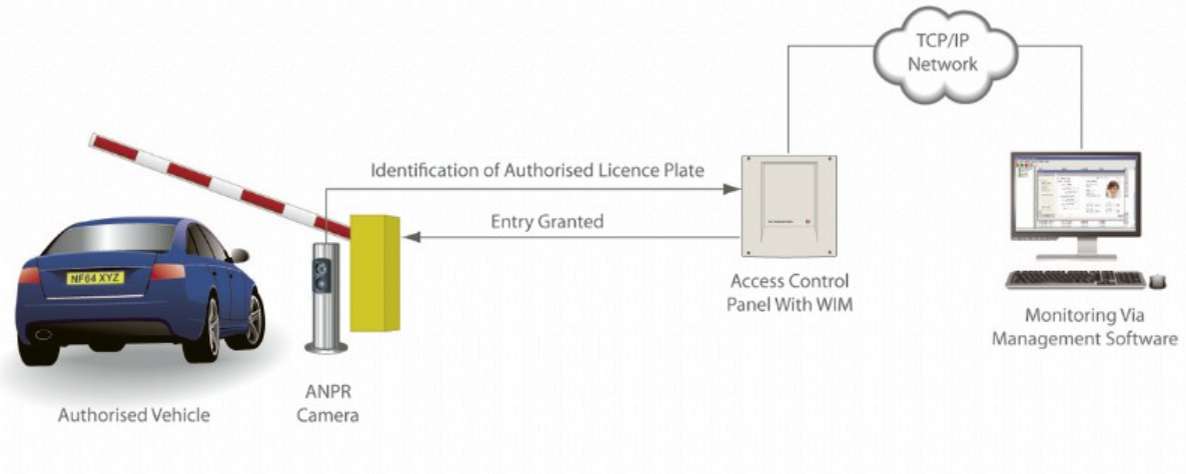
ANPR can record each vehicle as it enters and exits, calculate the duration of the stay to apply the relevant parking fee, and allow an automatic exit once the amount has been paid – without needing a security guard or staffed payment station.
As a security protocol, ANPR can prevent ticket fraud by matching a number plate to a parking permit or ticket issued, storing timed captures of vehicles, flagging a potential issue such as a dumped car, and preventing thefts.
‘ANPR cameras have been part of the traffic management landscape for years but are becoming increasingly prevalent in private and commercial security applications.
Access controls are a key application, since countless clients want a way to prevent any unapproved vehicle from getting anywhere close to their premises – but they recognise the high cost of physical guarding 24/7.
Combined with around-the-clock monitoring from our specialist Alarm Receiving Centre responders, we have seen ANPR make a profound impact in reducing risk profiles and security costs, particularly for sites with restricted access or exposed to higher levels of criminal threats,’
Installing ANPR Cameras for Site Security
Access control systems are an excellent choice for high-security sites and businesses that need an effective and efficient way to verify that every vehicle entering or leaving the premise is authorised and legitimate – this may include:
- Staff
- Contractors
- Delivery drivers and consignments
Site managers can log staff number plates and add or remove approved vehicles at any time through a remote system or control dashboard. If a delivery is scheduled, the courier or haulier can provide the registration of the assigned vehicle to prevent delays.
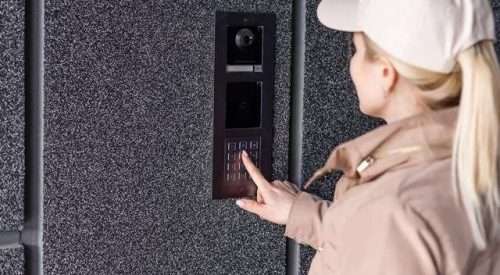
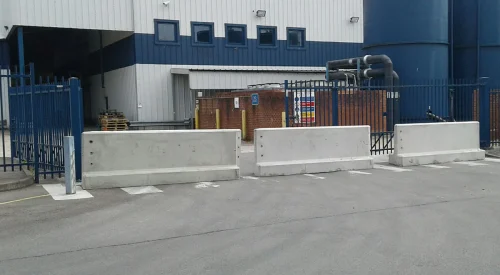
When a vehicle approaches the entrance point, the ANPR camera scans the number plate, cross-checks it against the database, and automatically lowers bollards or lifts barrier gates to permit entry – and vice versa when the vehicle leaves.
However, if a vehicle is not expected or approved, the system will raise an alert to allow security personnel to intervene and clarify the reason for the visit – rather than permitting anybody to enter a controlled site without inspecting their credentials.
There are multiple benefits, not least reducing the burden on security guards who may be unable to inspect every vehicle and ensuring a smooth traffic flow during busy periods without compromising site safety.
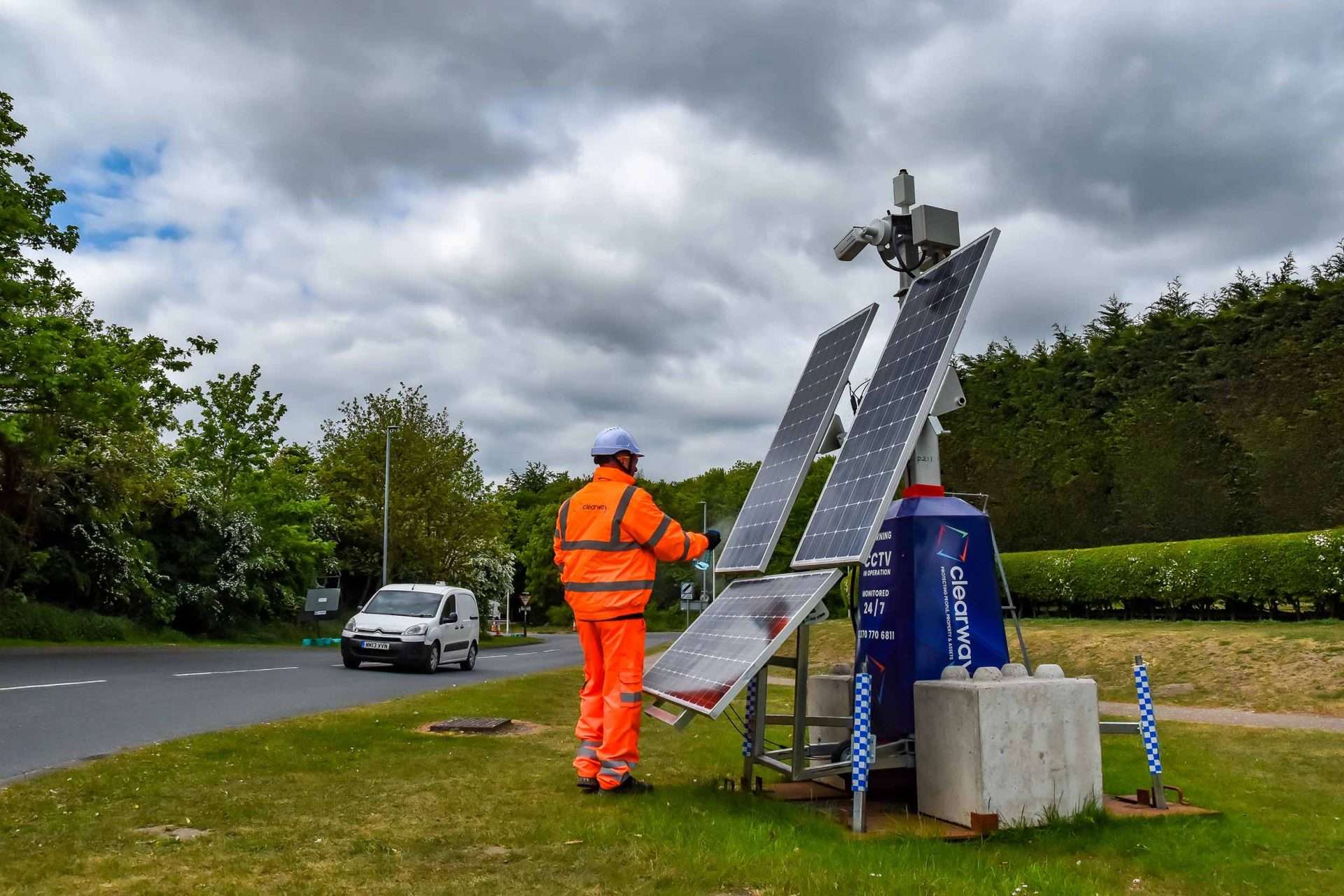
If the site needs stronger out-of-hours oversight, ANPR can be combined with CCTV monitoring so alerts and access events are supported by real-time visibility of the entrance and surrounding perimeter.
Other ANPR Camera Applications
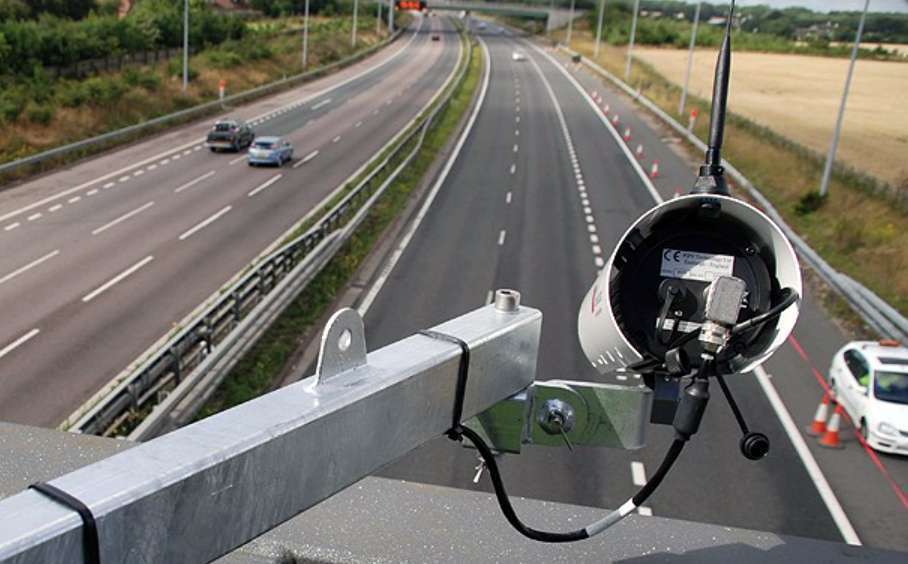
ANPR cameras are used in road and traffic management settings, including networks managed by National Highways, alongside wider use in commercial security and access control.
ANPR cameras are being rolled out in multiple scenarios, and Highways England has installed over 1,000 cameras across more than 500 motorways and major roads.
They use the information captured to calculate travelling times and issue warnings about backlogs, congestion, or traffic jams.
Prisons and other high-security sites also use ANPR, as explained above, to ensure that every vehicle entering the site has been cleared through a pre-approved list.
Cameras can check for almost any information available in a connected database, whether to record average data or look for specific metrics related to each vehicle, such as:
- Approved or unapproved vehicles
- Speeds travelled
- Tax, ticket or insurance status
- Stolen vehicles
- Traffic flow and congestion
- Box junctions and bus lanes
- Car parking durations and ticketing
- Use of toll roads and congestion zones
The major advantage of ANPR cameras is that they can be instructed or programmed to measure or record relevant data, converting each number plate into encoded text, which is then stored in a protected log.
ANPR operators can go back in time to review the log, filter results to find individual vehicles or average the metrics to help with site traffic management or route planning.
The Importance of Managing Data Recorded Through ANPR Cameras
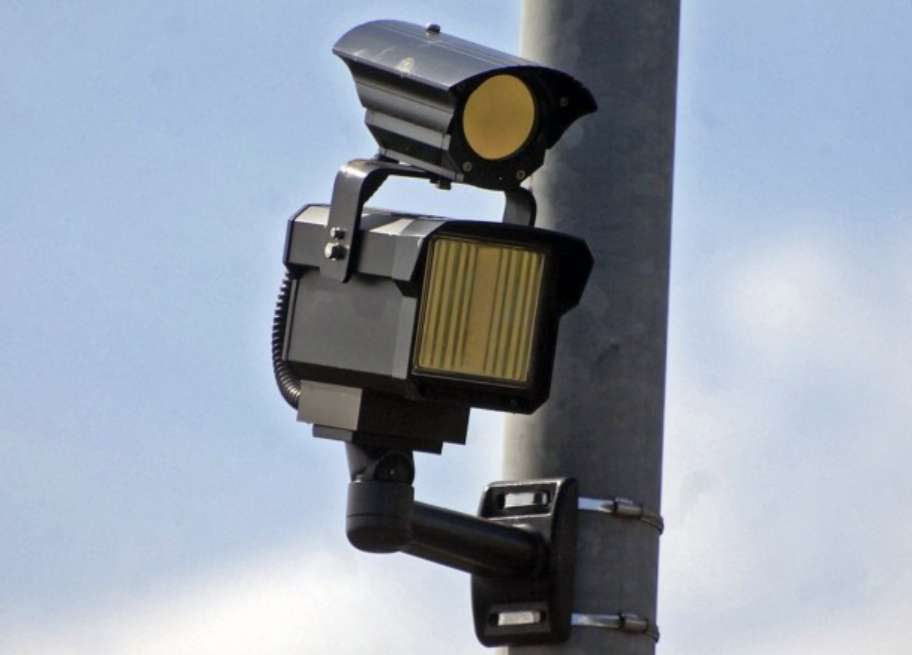
Like any CCTV surveillance, site visitors should be aware that there are live cameras recording movements, just as we see a speed limit sign on a major road when approaching a speed camera.
However, there are countless uses for ANPR data, such as an information collation exercise, security protocol, or way to manage limitations on the number of vehicles on-site at any one time.
The information recorded should normally be stored for a maximum of one month, although much depends on the nature of the video footage or still images and what they are required for.
Further information about data protection rules, and how these apply to footage recorded through ANPR cameras, is available from the Information Commissioner’s Office. These rules are similar to those relevant to other categories of CCTV surveillance.
If a criminal activity or security breach has been recorded via ANPR, private commercial site managers may share this with the police or emergency services to assist with tracking down and apprehending the perpetrator or returning a stolen vehicle to the owner.
Using ANPR Cameras Within Your Premises
As we’ve explored, the functionality of ANPR cameras far exceeds the scope of traffic management.
These innovative surveillance units can track traffic flow in and out of commercial sites, monitor unusual behaviours, and control access solutions for higher-risk facilities.
Evolutions in AI capabilities also mean ANPR cameras, or CCTV cameras with in-built ANPR performance, can be used to pre-empt security threats by:
- Notifying security teams of unauthorised vehicles entering or approaching your site to initiate a security review or check of the person’s credentials.
- Verifying that all fleet vehicles have returned to base and are accounted for, ensuring managers can investigate any variations promptly.
- Monitoring vehicle times on site and raising alerts if an unknown vehicle is present beyond the expected period to allow security teams to determine whether there is a threat.
- Raising alarms when a vehicle that should be stationary or is not in operation has been moved, preventing vehicular thefts.
- Managing access controls, automatically lifting gates or barriers when an approved visitor or employee reaches the site – negating the need to have physical guards staffing entry points at all times.
While we’ve explored some popular applications, such as car park security, this technology can also be deployed strategically to reinforce site security protection and create faster responsiveness to suspected or possible threats.
Please contact Clearway at your convenience should you be interested in learning more about ANPR cameras or would like to chat with one of our security specialists about integrating ANPR surveillance into your security solutions.
Frequently Asked Questions
Can I Install ANPR Cameras on a Commercial Site?
Yes – although there are rules around how data captured through ANPR cameras is stored, accessed, and used, ANPR cameras can be installed within any site, business, or compound that needs a way to control vehicular access, or track movement patterns and volumes of vehicles within its perimeters.
Are ANPR Cameras Cost-Effective?
For many businesses, ANPR cameras reduce their security costs by:
- Acting as a backup for physical security teams or controlling electronic gates and bollards overnight or during other periods of time when traffic is heavy.
- Pre-empting potential threats or suspicious activity and raising an alert for the appropriate responder or emergency services to investigate.
- Preventing vehicle theft, intrusions or tampering, using high-visibility cameras and signage to deter opportunist intruders.
More information about the cost of installing and servicing ANPR cameras is available from our experienced security team.
How Effective Are ANPR Cameras as Part of a Security Strategy?
AI-enabled ANPR cameras are highly effective and have a superb success rate. They identify number plates, match them to secure databases, or automatically log vehicle data when unusual movements are detected – such as speeding, erratic driving or crossing onto a hard shoulder or through an entry point.
Vehicle number plates are produced in standardised formats, which means a camera can read the registration on any vehicle of any size, whether moving or stationary, and take appropriate action based on your programmed protocols.
How long can a business keep ANPR data in the UK?
A business should keep ANPR data only for as long as it’s needed for the specific purpose it was collected for, then delete it securely.
Your retention period should be justified, documented, and reviewed so you are not keeping number plate data “just in case.”
Do ANPR cameras record faces or audio?
ANPR systems are designed to capture number plates, not faces or audio, although some sites pair ANPR with CCTV cameras that may capture wider imagery.
If your setup records anything beyond number plates, you should be clear about what’s captured, why, and how it’s handled under data protection rules.

Simon Waterfall 
General Manager (Highways)
Harnessing technology to create safe working environments in the highways sector
Simon is a self-motivated, high achieving professional specialising in Technology Solutions with a proven history of bringing new and emerging technologies to the sector from places such as North America, China, Sweden, and Israel. He has been fortunate to have had the opportunity to work in various progressive roles and on several high-profile schemes within Intelligent Transport Systems. From his beginnings as an on-road engineer Simon has progressed to his current role as a leadership and senior management team member. He always aims to add value at multiple levels of an organisation he work with.
Related content
Sun Aug 7 2022
Fri Apr 8 2022
Mon Jun 3 2024