

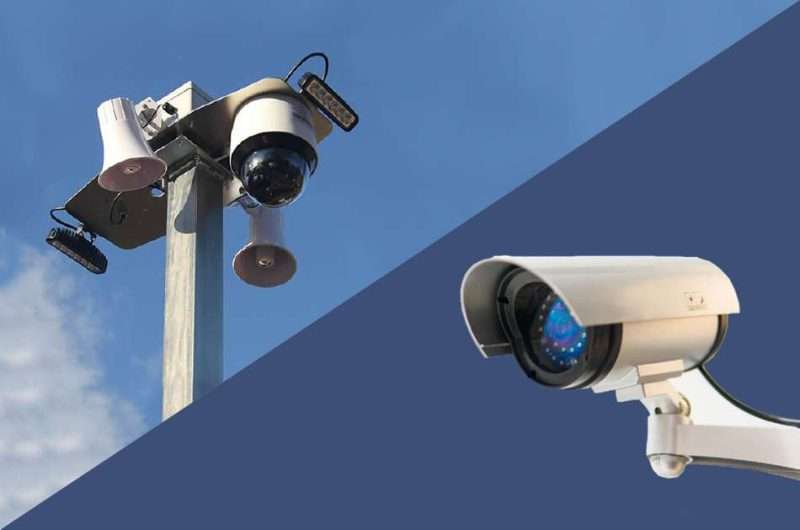
Get Advice On The Type Of CCTV Needed For Your Business
Are you looking for advice on the right CCTV system for your commercial premises? Get in contact with Clearway today and our expert advisers will assess your options.
- Business CCTV Experts
- Latest CCTV Tech
- Monitoring options

CCTV cameras are a vital part of protecting buildings, assets and the people within them. They allow security teams to monitor vulnerable areas in real time and provide crucial evidence if an incident occurs. However, with so many CCTV camera types available, choosing the right type of CCTV for your specific security requirements can be challenging.
To help business owners and property managers make informed decisions, this guide explores the different types of CCTV cameras and how they are used. It covers key features, advantages and limitations, helping you select the most effective camera setup for your environment and risk profile.
The 9 most popular types of CCTV are:
- Pan Tilt and Zoom (PTZ) CCTV
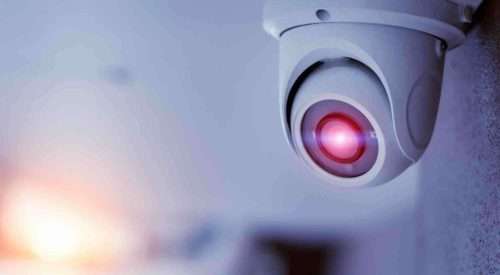
- Infrared Night Vision Cameras
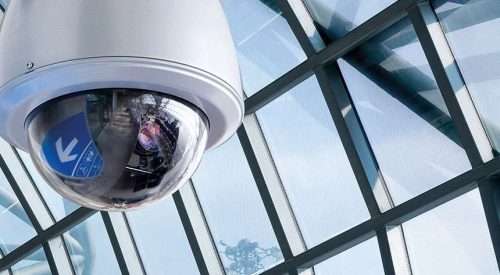
- Dome CCTV Cameras
- Bullet CCTV
- C-Mount Surveillance Cameras
- IP CCTV Systems
- Wireless CCTV cameras
- Turret Cameras
- Fish Eye Cameras
- Day and night CCTV
- HD surveillance cameras
CCTV Camera Types by Functionality
First, let’s run through some of the properties that modern CCTV cameras can offer.
Again, it’s best to select commercial CCTV installations according to your site, so it’s necessary to pick and choose the most crucial functions to protect against your security threats.
Pan Tilt and Zoom (PTZ) CCTV
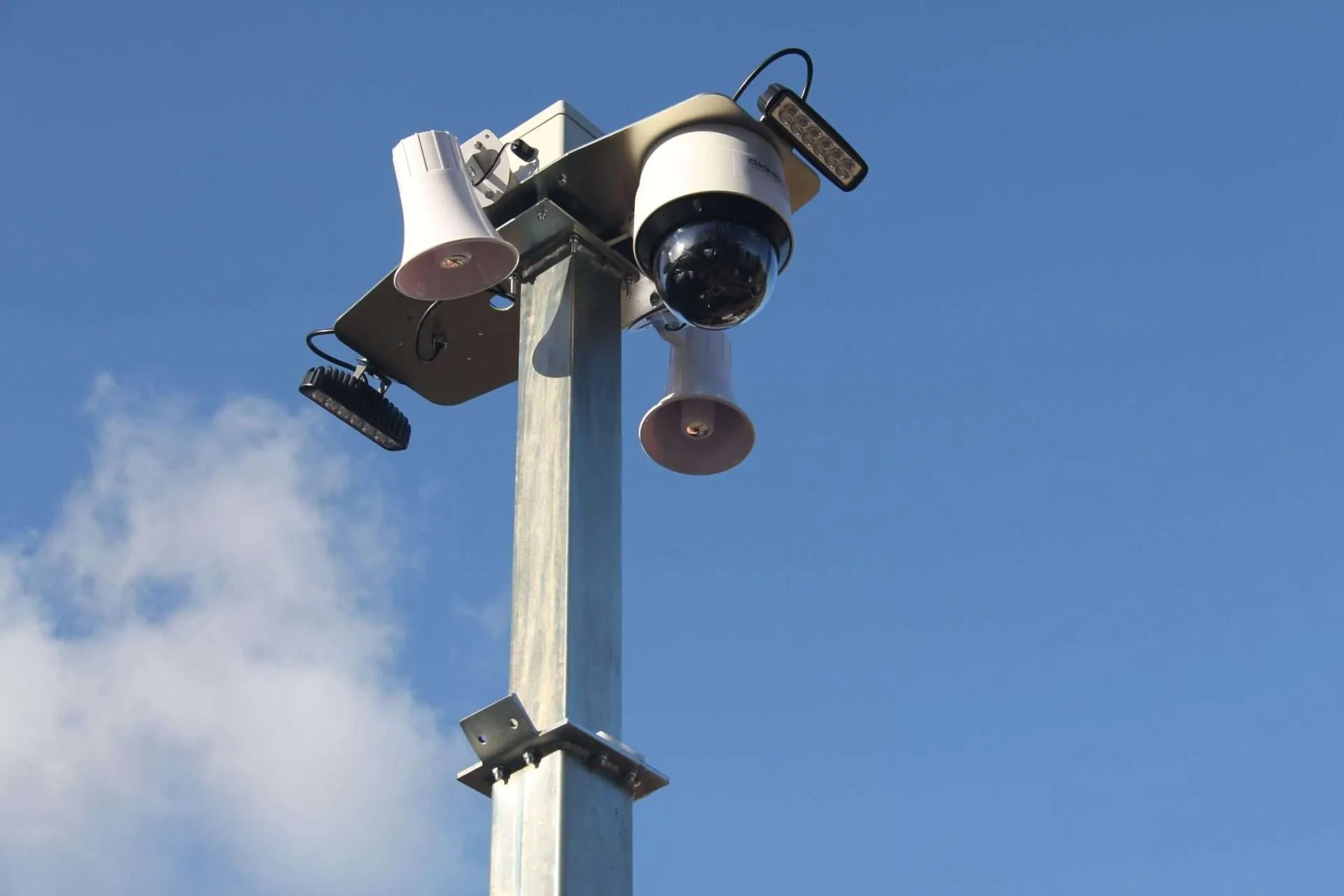
PTZ cameras are widely used in more significant sites or on premises where there are potential blind spots. The functionality means that the cameras can pan from side to side, up and down and zoom in and out to aid in identifying the reason for an alarm activation.
Infrared Night Vision Surveillance Cameras
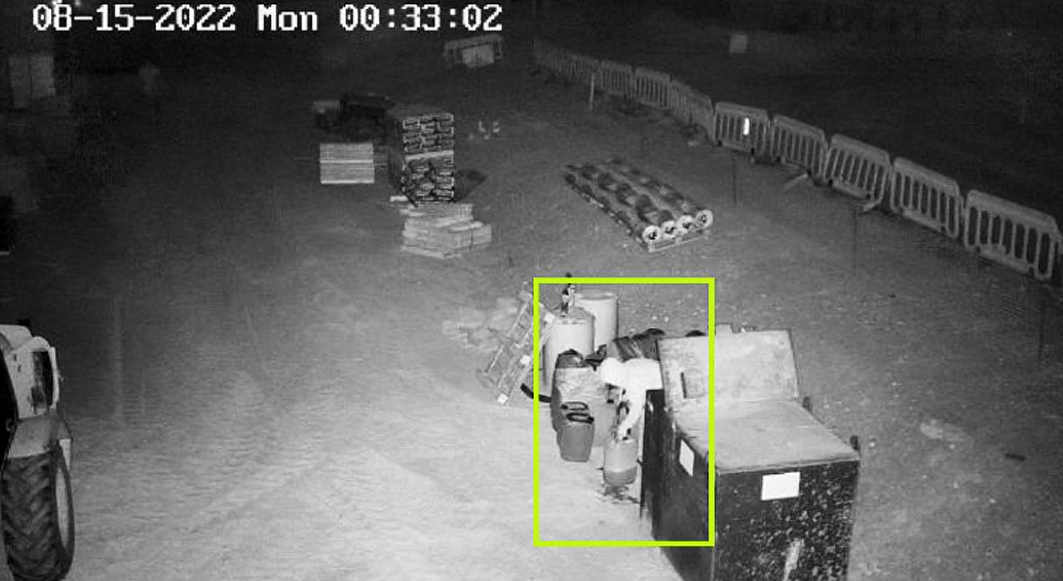
Night vision cameras are a powerful deterrent to many sites and properties left unoccupied overnight. They can record high-quality footage even in complete darkness, using infrared LEDs to ensure the recording is clear.
Many businesses opt for night vision CCTV if they are at increased risk of break-ins overnight or outside operating hours.
Day and Night CCTV Systems
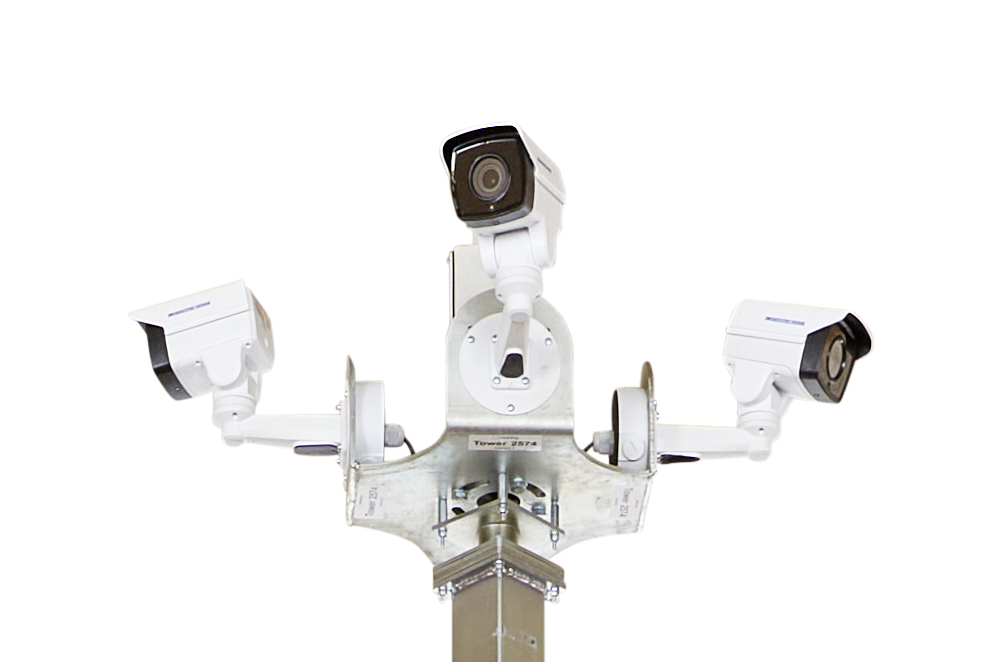
As an alternative to infrared cameras, day/night CCTV is designed to operate flawlessly in any light conditions, with extra-sensitive imaging chips to ensure footage is clear, whether in glaring sunshine or the darkest night.
Day/Night surveillance is perfect for premises that require around-the-clock CCTV operations, without any need to switch between cameras or risk poor quality image captures.
Popular Types of CCTV Camera
Next, we’ll consider the construction of the CCTV camera itself, which can be adapted to ensure you have the correct fitting and coverage for the area in question.
Dome CCTV Camera Fixtures
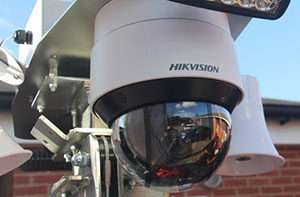
Dome cameras are so-called because of the shape of the casing and are commonly used on public transport, as one example. The dome means that operators can point the camera in any direction without the subject being aware.
These CCTV systems are subtle and discrete, so prevalent in public spaces or retail outlets.
Cameras can rotate around 360 degrees to provide full coverage and are extremely difficult to tamper with mainly because of their high fixing location.
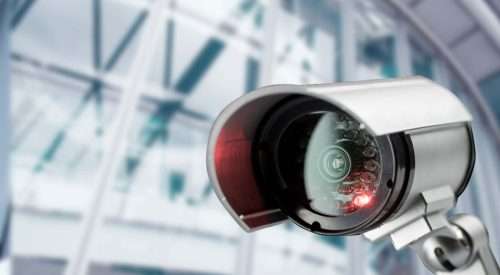
Bullet CCTV Installations
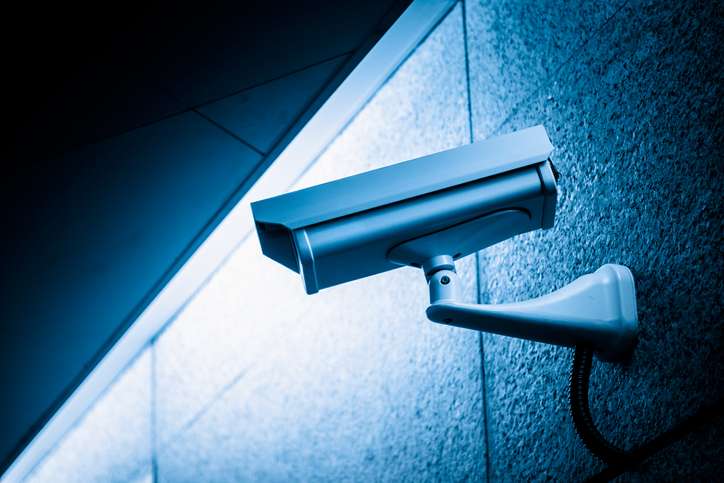
Most conventional CCTV cameras will be bullet CCTV and are instantly recognisable as being a CCTV security system. This design is highly suited for outdoor positioning and is resistant to dirt, water and dust.
CCTV is primarily a preventative, and so is a meaningful way to demonstrate that your premises are protected and under security surveillance. Bullet cameras can also capture footage over long distances and operate in poor weather conditions.
C-Mount Surveillance Cameras
The next CCTV camera construction is called a C-Mount. These are similar to bullet cameras and have detachable lenses, so can be adapted to monitor different areas and across varying distances.
C-Mount installations have a weatherproof casing for outside use and won’t fail to operate even in extreme cold conditions.
This CCTV type is popular in the construction industry and for monitoring roads and access points.
Turret Cameras
Turret cameras are a popular choice for both indoor and outdoor surveillance due to their compact design and versatility. Mounted directly to ceilings or walls, they offer a wide field of view and are less prone to glare and reflection compared to traditional dome cameras.
Turret cameras are easy to position and adjust, making them ideal for monitoring entrances, corridors, retail spaces and perimeter areas. Many models support high-definition video, infrared night vision and weather-resistant housings, delivering clear, reliable footage in a wide range of lighting and environmental conditions.
Fisheye Cameras
Fisheye cameras are designed to provide a complete, panoramic view from a single installation point. Using an ultra-wide-angle lens, they can capture up to 180 or 360 degrees of coverage, making them ideal for monitoring large open areas such as warehouses, reception spaces, car parks and public venues.
This wide coverage reduces the need for multiple cameras, helping to lower installation and maintenance costs. Advanced fisheye cameras also support digital pan, tilt and zoom functionality, allowing operators to focus on specific areas without moving parts while maintaining full situational awareness.
Special Function Camera Options
While standard CCTV cameras are suitable for many environments, some sites face specific security challenges that require more advanced or specialist surveillance technology. These camera types are typically used where visibility is limited, risks are higher, or more intelligent monitoring is required.
Thermal CCTV Cameras
Thermal CCTV cameras detect heat rather than visible light, allowing them to identify people, vehicles and animals in complete darkness, fog, smoke or poor weather conditions. This makes them particularly effective for perimeter protection, large open sites and high-risk environments such as construction sites, utilities, industrial facilities and critical infrastructure.
Because thermal cameras detect body heat, they are extremely difficult to evade and can identify intruders at much greater distances than standard optical cameras. They are also commonly used for early fire detection, as they can spot abnormal heat build-ups before flames or smoke are visible, helping prevent serious incidents before they escalate.
ANPR CCTV Cameras (Automatic Number Plate Recognition)
ANPR cameras are designed specifically to capture and read vehicle number plates, even at speed or in low-light conditions. They use specialised lenses and software to accurately log vehicle movements, making them ideal for car parks, gated premises, logistics hubs, commercial estates and residential developments.
These systems can be integrated with access control, allowing automatic entry for authorised vehicles or alerts when unknown or blacklisted plates are detected. In addition to improving site security, ANPR cameras also provide valuable data for traffic management, incident investigation and audit trails.
Multi-Sensor CCTV Cameras
Multi-sensor cameras combine multiple lenses within a single unit to deliver wide-area coverage with high image detail. Unlike fisheye cameras, which rely on a single ultra-wide lens, multi-sensor systems capture multiple viewpoints simultaneously, reducing image distortion and maintaining clarity across large spaces.
They are well suited to monitoring expansive areas such as warehouses, distribution centres, transport hubs and open public spaces. By replacing several standard cameras with one multi-sensor unit, businesses can reduce installation costs, simplify maintenance and improve overall situational awareness.
AI CCTV Cameras
AI CCTV cameras use artificial intelligence and video analytics to move beyond passive recording and deliver intelligent, proactive security. Instead of simply capturing footage, these cameras can automatically detect, classify and respond to events such as
- unauthorised access
- loitering
- perimeter breaches
- dropped objects
- vehicle movements
- unusual behaviour.
By distinguishing between people, vehicles and animals, AI cameras significantly reduce false alarms caused by weather, shadows or wildlife. This makes them especially valuable for sites that require reliable, real-time monitoring, such as construction sites, vacant properties, commercial estates and critical infrastructure. Alerts can be triggered instantly and integrated with monitoring centres, alarms or mobile notifications for rapid response.
Choosing the Right CCTV Camera Connectivity
Once you’ve selected the functionality you need from your CCTV and the best sort of casing design, it’s also vital to consider the system’s connectivity.
Each format has benefits and there may be one solution better suited to your business environment.
IP CCTV Systems
Network, or IP CCTV cameras, are connected via the Internet to be accessed remotely from any location. Video bandwidth is compressed to limit bandwidth use and help ensure the feed isn’t disrupted. Video footage is typically stored on NVRs (Network Video Recorders) or in the cloud for future access.
Wireless CCTV
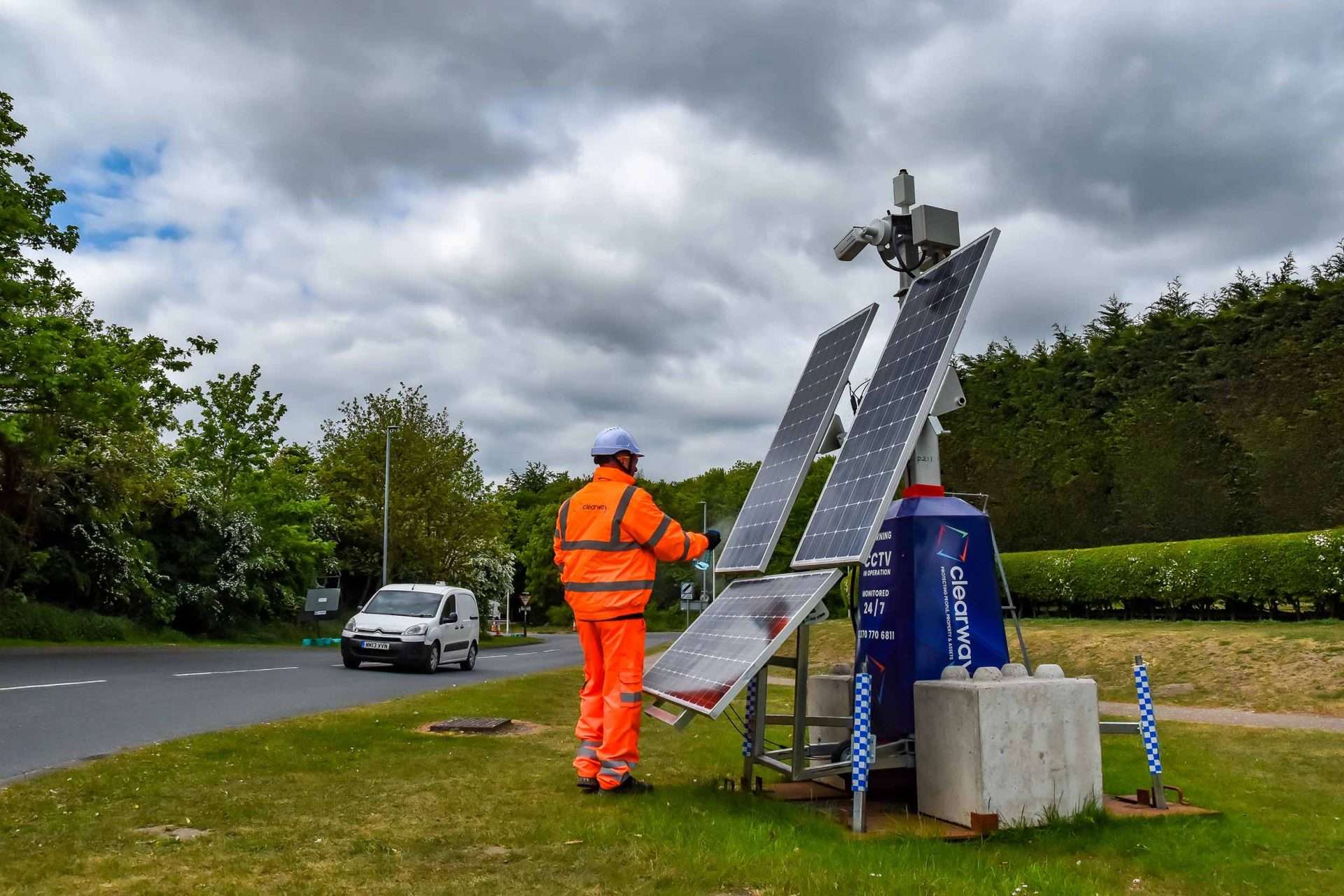
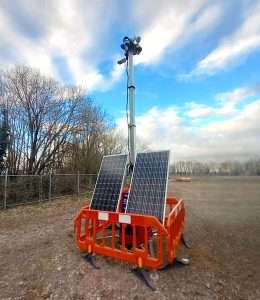
Wireless installations are typically inView CCTV Towers, and are a convenient option if you need a fast CCTV installation or require security in a remote area where mains cabling or internet access are not available.
They are quick to install, don’t require any drilling or piping, and provide secure Internet transmissions to allow for remote management.
HD Surveillance Cameras
One problem with cheap, low quality CCTV systems is grainy, patchy footage where video image quality is rendered redundant, may not be able to identify faces, number plates or actions in clear enough detail.
HD cameras solve that issue, with crisp and clear recording resolutions from 720p up to 4k.
So, Which Type of CCTV Is Right for You?
Choosing the right CCTV system depends on your environment, risk level, operating hours and the type of activity you need to monitor. Some sites require visible deterrence, while others benefit from discreet monitoring or intelligent detection. The table below provides a practical overview of which CCTV camera types are best suited to different applications.
| Application / Environment | Recommended CCTV Type | Why This Works |
|---|---|---|
| Retail stores and shopping centres | Dome or Turret Cameras | Discreet design, wide coverage and reduced glare make them ideal for monitoring customers, tills and entrances without being intrusive. |
| Offices and commercial buildings | Turret or Dome Cameras | Clean appearance, flexible positioning and clear image quality suit internal spaces and access points. |
| Construction sites | Bullet, Thermal or AI Cameras | Bullet cameras act as a visible deterrent, while thermal and AI cameras provide reliable detection in low light and reduce false alarms. |
| Warehouses and distribution centres | Fisheye or Multi-Sensor Cameras | Wide-area coverage reduces blind spots and limits the number of cameras required in large open spaces. |
| Car parks and vehicle access points | ANPR and Bullet Cameras | ANPR captures number plates accurately, while bullet cameras provide long-range visibility and deterrence. |
| Vacant properties | AI, Thermal or Bullet Cameras | Intelligent detection and heat sensing help identify genuine intrusions and protect unoccupied sites effectively. |
| Public spaces and transport hubs | Dome, Fisheye or Multi-Sensor Cameras | High coverage, tamper resistance and discreet monitoring are well suited to busy public environments. |
| Perimeter fencing and site boundaries | Thermal, AI or PTZ Cameras | Long-range detection and automated alerts help identify intrusions before they reach buildings. |
| Remote or temporary locations | Wireless CCTV Systems | Rapid deployment without fixed infrastructure makes them ideal for temporary security needs. |
| High-risk or 24/7 monitored sites | IP CCTV with AI Analytics | Remote access, intelligent alerts and high-definition footage support continuous monitoring and fast response. |
Selecting the right CCTV setup is about balancing coverage, image quality, intelligence and practicality. A professional site assessment can help identify vulnerabilities and ensure the most effective combination of cameras is deployed for your specific security requirements.
Related content
Sun Aug 3 2025
Tue Apr 2 2024
Wed Jun 5 2024
Sun Nov 24 2024