

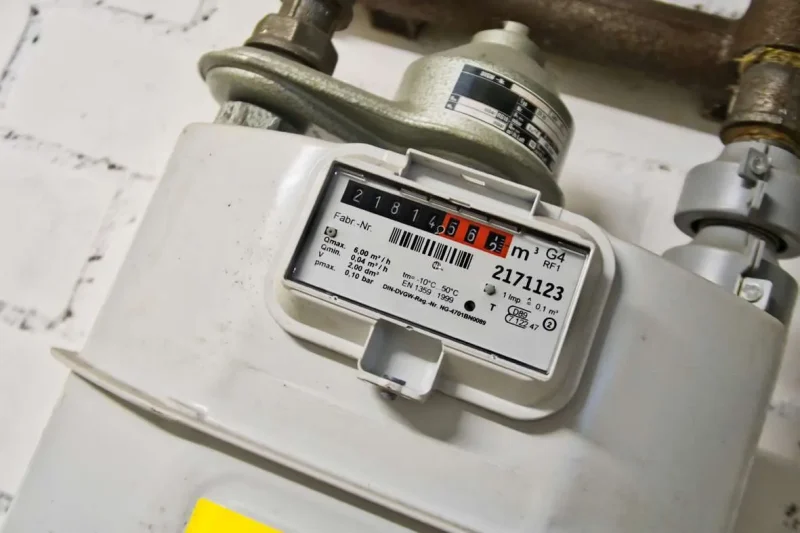
Need to secure your empty property? Get in touch
If you’re managing empty properties and are looking to resolve issues with utilities, get in touch with Clearway today.
- Full empty property inspections
- Utility isolation and drain down
- Secure void property

Knowing the right way to manage utilities serving a vacant property isn’t always obvious. It might be inconvenient (and expensive) to disconnect essential services if you’re unsure when the property will be required or when a new tenant will move in. So what should you do with utilities when a house is vacant?
Firstly, leaving utilities on is sometimes better than turning them off if you’re looking to sell your property and create a positive impression for viewers. However, if the property will be vacant for a long period of time, it may be best to turn the utilities off.
Therefore, it is always advisable to isolate all the utilities to any empty residence and ensure the water is properly drained, leaving the home in good condition and ready to re-commission as soon as a new tenant is prepared to move in.
There are several factors to consider when considering what to do with vacant property utilities including:
- The anticipated duration of the property vacancy.
- Costs of paying for utility connections not in use.
- The hazards associated with leaving utilities in situ (particularly stagnant water).
- Potential property damage if left unheated for extended periods.
- The increased risk of illegal squatters where you have a vacant property with power and running water.
The aim is to minimise costs, maintain the property’s condition, and mitigate threats such as unlawful break-ins, flooding and gas leaks.
In this guide, we run through our advice on what to do with utilities when a house is vacant to help you make informed decisions about managing your empty property.
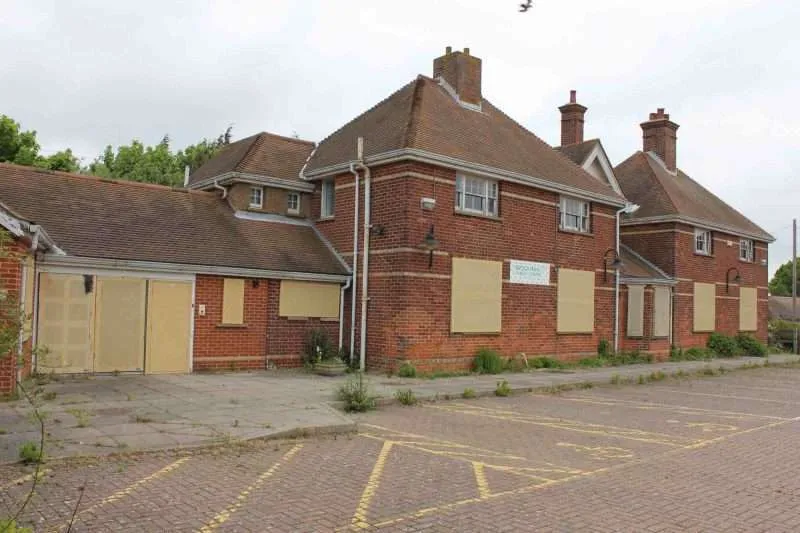
Managing Utility Costs for an Empty Home
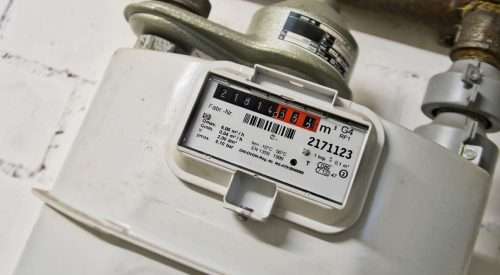
One of the obvious issues with leaving utilities running to an empty property is the cost. While you might not incur any units of usage, you’ll normally still have to cover:
- Monthly network connection costs.
- Standing charges.
- Estimated usage fees (often based on prior months).
Therefore, even if you or your staff don’t use any water, electricity or gas, there is still a cost involved in leaving these utilities running.
Of course, there are corresponding problems with disconnecting your supply! Deteriorating property conditions due to dampness are more likely in empty homes without heating or light.
Clearway suggests a combination of approaches to mitigate the potential risk of leaving utilities running to a vacant house, ensuring you remove the prospect of water leaks and fire damage yet preserve the property, so it is safe to move in to when needed.
We’ll explain a little more below, but in essence, if you isolate and switch off utilities without having them removed entirely and drain down the water from your system, you will be in a much better position. You can read more about our utilities drain down suggestions here.
While standing charges remain, the costs are likely to be significantly lower than paying for disconnection and reconnection in the future.
Regular property inspections and risk assessments are also advisable since these checks mean that you can quickly respond to issues such as water leaks, damage to piping or dampness – putting a resolution in place before it impacts the property’s condition.
Advantages of Draining Down Utilities on a Vacant Property
Cutting off heating and electricity isn’t normally the best option since you’ll incur additional charges to disconnect the supply and reconnect it when you have a new tenant.
Most UK utility suppliers will charge for both services, and you might get stuck if you need to restore the connections quickly since there is often a waiting period.
The ideal way to resolve this challenge is to use a professional contractor to isolate the supply without disconnecting it entirely.
Draining down water from your plumbing pipes is strongly recommended since still water can attract a range of harmful contaminants and infestations.
A drain down means stopping the water supply at the stopcock and removing all of the water sitting in the system.
Clearway recommends having an experienced empty property security company carry out the work since any residual water can cause a build-up of bacteria or potential leaks.
This step is a great way to remove the issue of burst pipes in the winter! Pipes explode when they are full of excess water, which freezes and expands in cold weather, without any heating supply to regulate the temperature in the building.
If those pipes have been drained properly, there is no water to freeze, and you avoid the impact of thousands of litres of water causing a huge amount of damage to fixtures and fittings.
Another option is to leave your heating running at a low level with an isolated water supply, which can mean that you remove the chance of issues with mildew, mould and dampness.
Risks Associated With Leaving Connected Utilities
There are many compelling reasons it may be worth isolating each utility supply and draining down the system, especially if you expect the property to remain vacant for several months:
- Live water supplies, if unmonitored, can generate leaks, causing flooding, staining and water damage, sometimes even impacting structural joists and supports.
- Pipe explosions can occur if water lines freeze over in the winter and the heating isn’t on – causing expensive repair costs.
- Water left to stagnate poses a serious health issue, which can be exceptionally dangerous, with the possibility of Legionnaires disease.
- Electricity supplies to unmonitored properties may spark and cause fires, with the additional danger of exceptionally flammable gas leaks.
- Empty homes with active utility supplies are a target for squatters and trespassers, exploiting this ‘free’ water, heating and power.
We usually advise full utility isolation and a drain down service, whether the property is a residential home or a commercial site.
Removing the dangers associated with live, unnecessary utilities is often an insurance requirement and will protect the property’s structural integrity.
Expert Advice: What to Do With Utilities When House is Vacant
As we’ve explored, isolating and draining your utilities is the safest bet if you have a house or commercial property that will be empty for an extended period.
Disconnecting utilities can be expensive and often unnecessary, whereas re-filling and re-commissioning connections on standby is a relatively quick and straightforward task.
We’d also suggest isolating utilities from an insurance and exposure perspective.
While a property may be empty, you remain liable for public injury claims. If a criminal or curious child enters a vacant residence and becomes injured due to fire, gas, or electricity sparks, the landlord can be considered responsible.
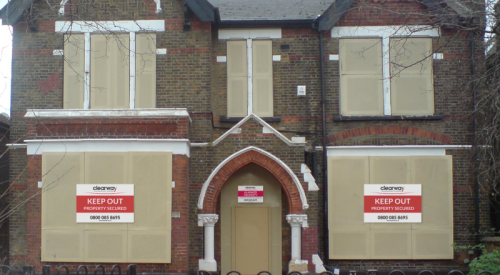
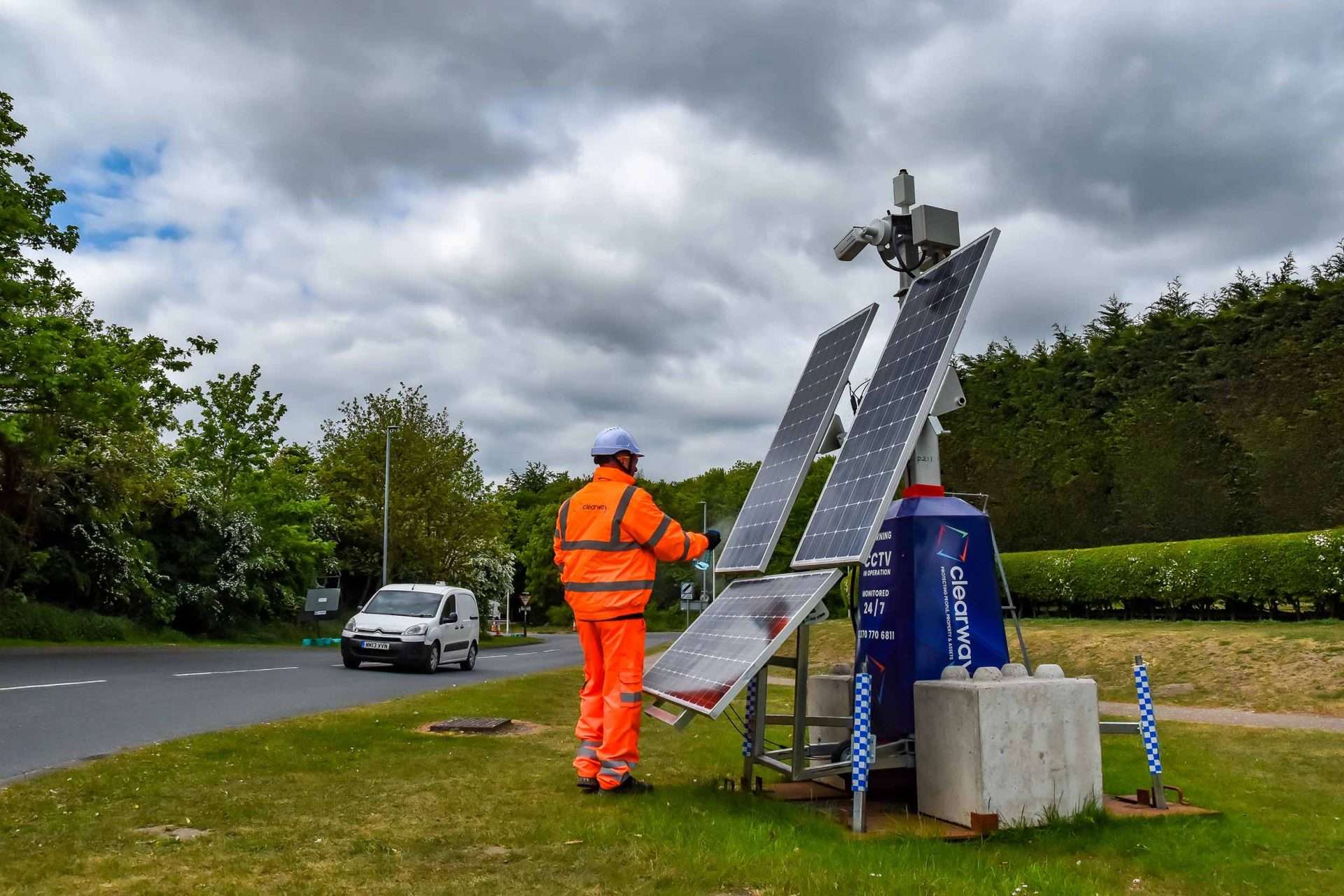
For more information about vacant home property management or arranging regular vacant property inspections, please get in touch with the Clearway team for a friendly chat about your requirements. We secure, monitor and protect.
Frequently Asked Questions
Do I have to pay standing charges on an empty property?
Yes, in most cases you’ll still need to pay standing charges even if the property is empty and no utilities are being used. These are daily fees set by your utility provider to cover the cost of maintaining the connection to the energy or water network. Isolating utilities rather than fully disconnecting them can help reduce unnecessary costs while keeping the property safe.
How much electricity does an empty house use in the UK?
An empty home will usually consume very little electricity—sometimes none at all. However, if appliances like fridges, alarms or heating systems are left running, there may still be low-level usage. Even with no usage, you may still be billed for standing charges unless the supply is isolated or disconnected.
Do you have to pay gas and electric on an empty property?
Yes, unless the gas and electric supplies are fully disconnected, you’ll typically still be responsible for any standing charges and estimated usage. These charges apply even if you’re not actively using the energy, so it’s worth considering isolating the supply or speaking with your provider to avoid unnecessary costs.
Do you pay council tax on an empty property?
In most UK local authority areas, yes—you’ll still need to pay council tax on an empty property, though you might be eligible for a discount or exemption depending on the circumstances. Some councils offer a reduced rate for vacant homes, while others charge a premium if the property remains empty for too long. It’s best to check with your local council to understand your obligations.
References
- https://www.gov.uk/council-tax/second-homes-and-empty-properties – more information about council tax
- https://www.ofgem.gov.uk/publications/standing-charges-update-our-review – more information about standing chargers

Gideon Reichental 
Vacant Property Security Consultant
Gideon is an experienced property specialist with a commitment to excellent customer service and support. With over eight years dedicated to the niche field of vacant property security and services, Gideon has been at the forefront of developing and implementing best practices and successful strategies for safeguarding vulnerable properties, demonstrating a profound understanding of the complexities involved. His hands-on experience includes managing portfolios of over 200 vacant properties directly, alongside senior management roles overseeing broader portfolios that encompass more than 2000 properties.