

Threat detection in security refers to the identification of potential hazards or dangers to a physical location, personnel, or assets. It involves a combination of technology, processes, and human vigilance to identify risks such as unauthorised access, theft, vandalism, violence, terrorism, or natural disasters.
Incident detection is always the very first action to determine whether you should respond to a particular incident or type of behaviour. Therefore, it’s one of the most critical aspects of your security processes and can be the difference between a majority incident occurring or a fast resolution before it escalates.
Importantly, threat detection is responsive and is key before a major issue arises to ensure that security teams and emergency responders aren’t called to deal with a crime or intrusion long after the threat has passed – and when the damage has already been done.
Advanced, modern threat detection uses an increasingly sophisticated and diverse number of ways to track behaviour, movements, interactions, and indications of increased stress or aggression and anticipate and predict threats to ensure they are mitigated or removed swiftly.
In this article, we look at the elements of effective threat detection and how AI is helping security-conscious businesses to revolutionise their threat detection capabilities.
What Is Threat Detection in Security?
- Threat detection is a pre-emptive process that attempts to recognise emerging or possible threats before they materialise. It allows venues and businesses to improve their protection against break-ins, trespass, thefts, and violence.
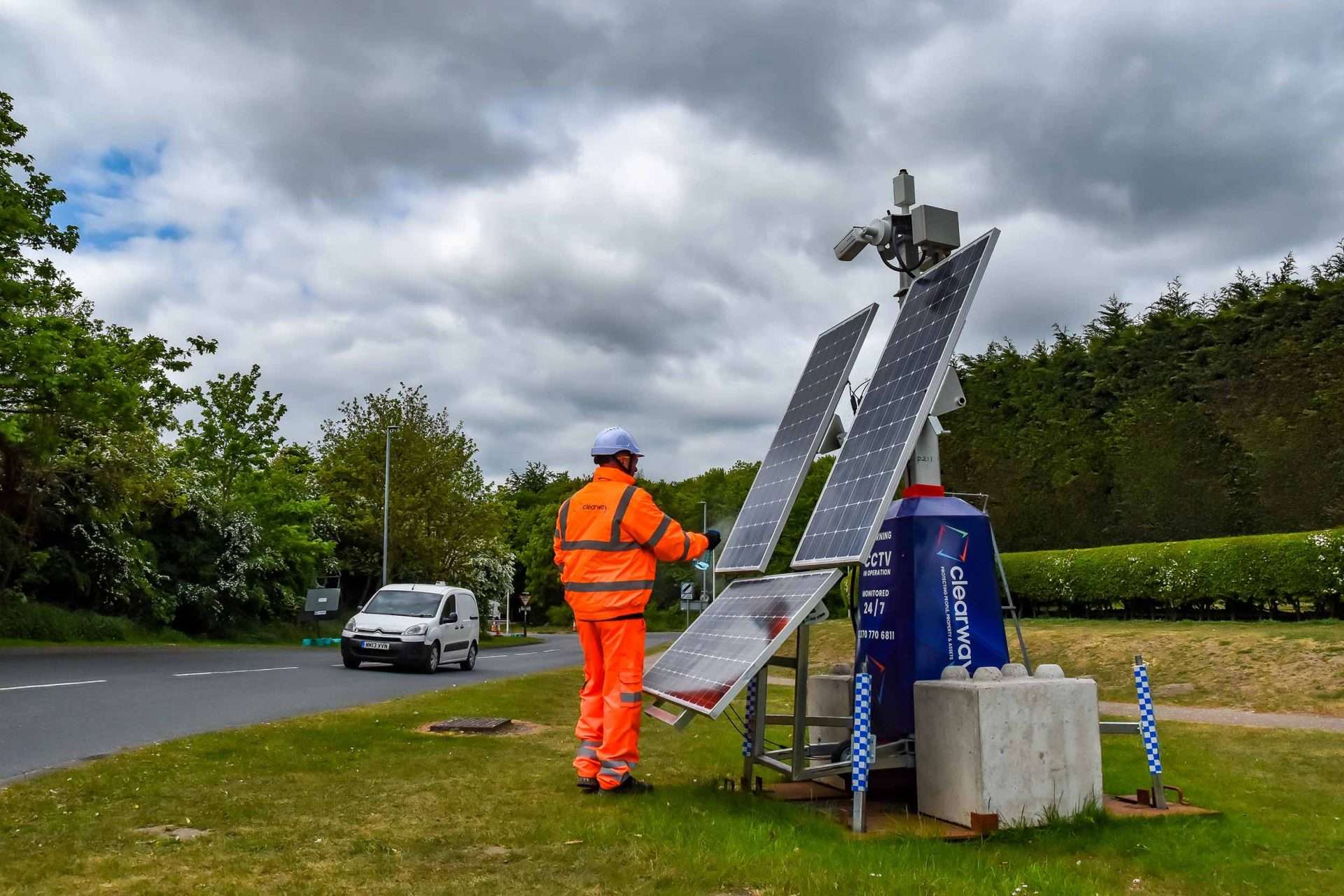
- Depending on the site or venue, threat detection might involve several devices, such as monitors, cameras, alarm systems, and movement sensors. These devices work together to trace potential problems or threats and report back to security responders or on-site personnel.
- Proactive threat detection can deter and prevent issues from occurring by recognising suspicious patterns or movements and enabling a rapid, targeted response to eliminate or de-escalate the threat.
Elements of an Advanced Threat Detection System
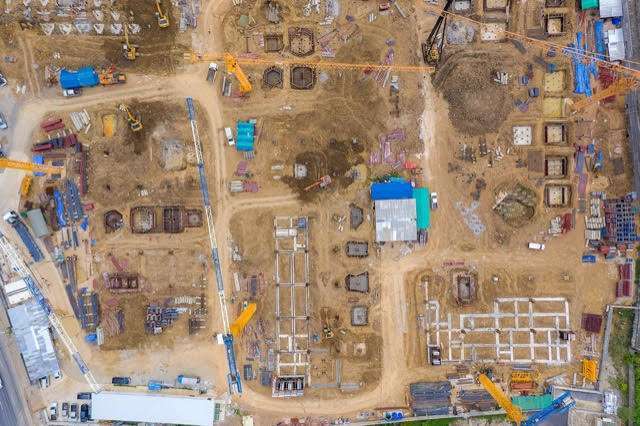
The first step in designing and implementing effective threat detection is to analyse the area, space, or building that needs to be covered. That could be, for example, a compound, an outdoor perimeter, a specific unit or room, a controlled-access commercial space, or any other area that needs to be proactively protected.
Threat detection systems can then be engineered against every type of potential threat and where and how this might initially be detected, using hardware and monitoring including:
- Intrusion detection systems that can detect motion, sound, heat, vibrations, and other data points to determine whether a person or vehicle has entered a restricted zone or passed through an entrance point or boundary.
- Security systems, including intruder alarms, motion sensors, and commercial CCTV surveillance, which look for specific parameters or actions or use AI-enabled intelligence to identify signs of developing risk.
- Threat intelligence services are bespoke to the organisation or area and can include aspects like facial recognition, traffic or vehicle monitoring, automatic number plate systems, access control systems, and abandoned object detection, to name but a few. Security intelligence assets can determine if, for example, an item has been left somewhere it shouldn’t be or if a person is behaving erratically.
Building design and layouts can assist with threat detection by removing blind spots and dark corners, creating better lines of sight to key entrances and exit routes, or controlling the flow of traffic and people to ensure all visitors and personnel pass through a checkpoint—manual or technological.
While many parts of a threat detection system can be automated or assisted by software and AI, it remains essential to have trained security guards or responders on hand to react when a threat detection solution raises an alert, managing the possible risks and threats identified according to the risk level and location of the issue.

How Does Security Threat Detection Mitigate Criminal Behaviour?
The primary function of threat detection is to determine whether any action, item, movement or pattern at any point in time is likely to constitute a threat or has the potential to become a genuine threat if left unaddressed.
Security threat detection mitigates criminal behaviour by identifying potential risks early and enabling rapid responses to prevent incidents or minimise their impact. Here’s how it works:
- Deterrence: The visible presence of security systems such as cameras, alarms, and access controls discourages criminals from targeting a location, as they know their actions are more likely to be detected.
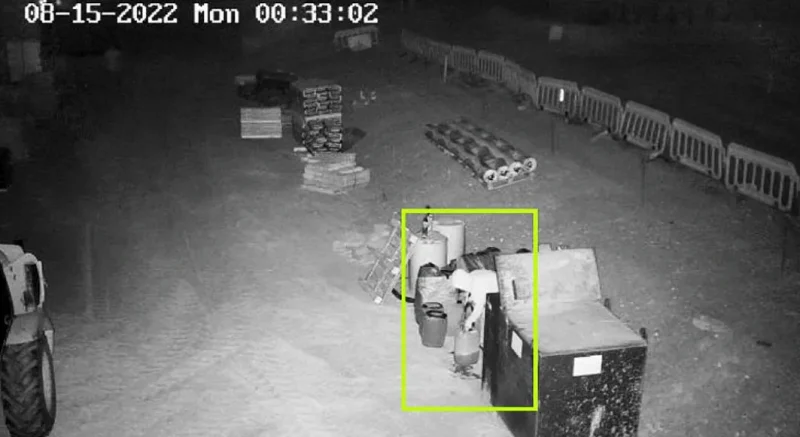
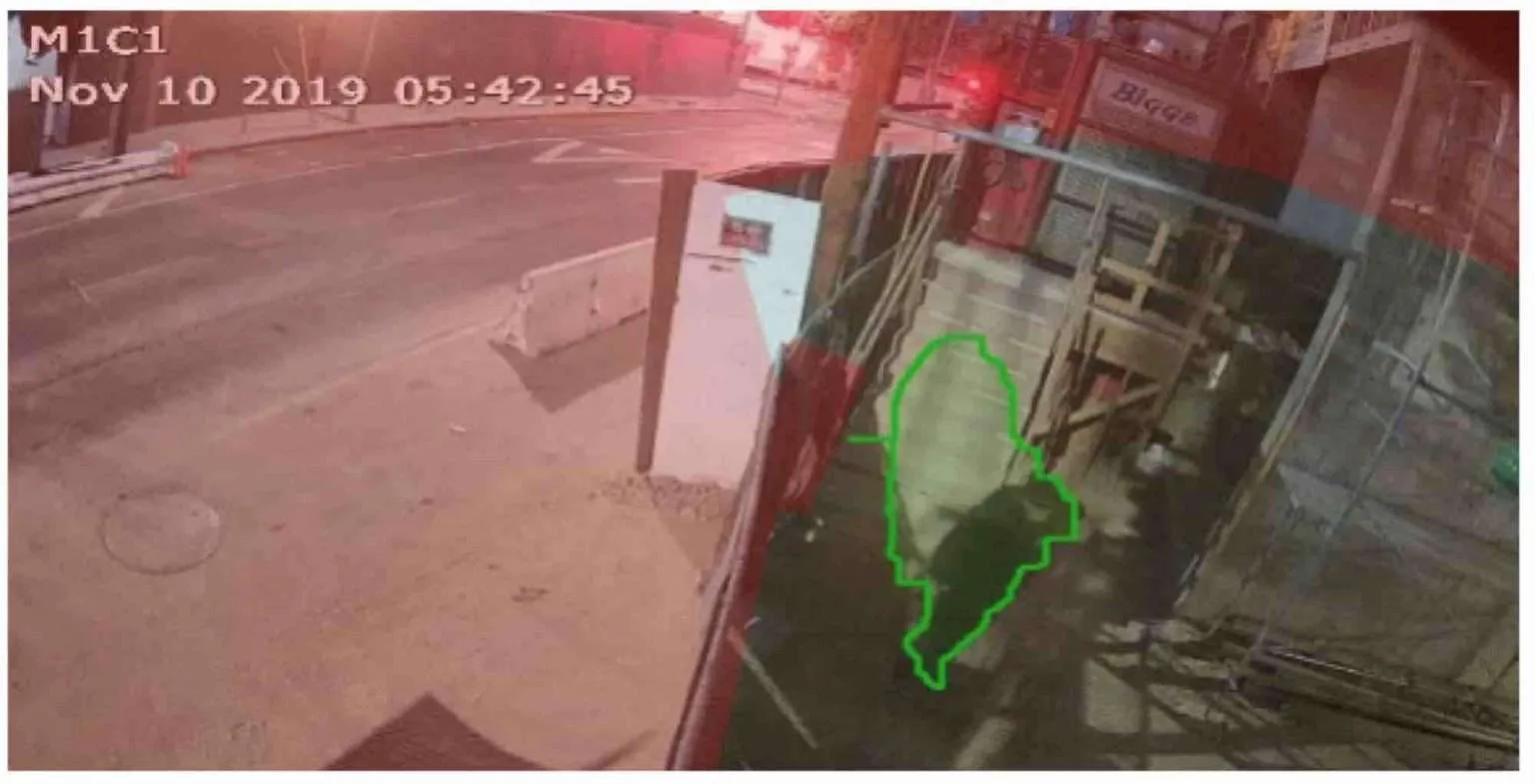
- Early Identification: Effective threat detection identifies unusual or suspicious behaviour before it escalates into criminal activity. For instance, surveillance systems can detect loitering, unauthorised access, or tampering, allowing security personnel to respond promptly.
- Real-Time Response: Advanced threat detection systems enable immediate alerts when a threat is identified, allowing for rapid intervention. This quick response can disrupt criminal activity before it progresses, such as alerting on-site security or law enforcement to an intrusion or theft in progress.
- Evidence Collection: Security systems, particularly surveillance cameras, can capture evidence of criminal activity, which can be used for investigation and prosecution. Knowing that their actions are being recorded acts as a further deterrent to potential offenders.
- Incident Management and Prevention: The information gathered through threat detection helps organisations improve security protocols, predict possible security breaches, and prevent future incidents. Analysing detected threats can also identify vulnerabilities in a facility’s security system.
Rather than waiting for an incident to develop, threat detection attempts to monitor wider footfalls covering complete sites and direct security teams to any locations, flashpoints or bottlenecks where a problem is more likely to develop.
Examples of Preventative Threat Detection Scenarios
Security teams might, for example:
- Be directed to investigate a loitering person who has returned to the same place numerous times or has been detected on-site several days in a row without any obvious or legitimate reason.
- React to alarms that pick up on subtle movements, such as vibrations that indicate a person is attempting to climb a fence or enter the grounds away from the permitted entry routes.
- Address a vehicle parked in a car park for longer than the average time or check whether an item of baggage or luggage that has been left constitutes a security risk.
- De-escalate signs of tension and aggression in larger crowds, dispersing the people identified as showing indications of antisocial behaviour before a conflict happens.

Of course, the exact nature of the threats a security system looks for will vary, but the essential aspect is that security is continually in a state of readiness and will alert responders or security teams immediately when there is a possible concern.
Benefits of Advanced Threat Detection Systems
The most significant advantage of threat detection is that it improves the ability of security teams to control and manage larger areas without inefficiencies linked to overstaffing to implement physical monitoring of entire venues or buildings.
As an effective and pre-emptive option, threat detection can also highlight zones or places where something suspicious, untoward, or that cannot be categorised as safe and part of the usual course of business is emerging, giving security teams accurate information about where and how a possible threat is emerging.
In the vast majority of cases, crimes such as break-ins, thefts, assaults, criminal damage, arson, tampering and trespass can be identified before they occur by looking for patterns and behaviours such as loitering, trying to gain entry outside of working hours, or ‘scouting’ a location to look for vulnerabilities or gaps in perimeter security.
By introducing threat detection, businesses and managers can improve their overall security approach without increasing operational costs and ensure that any actions that could preclude a live threat or incident are logged, investigated and dealt with swiftly.
Interested in integrating advanced threat detection into your security stack? Get in touch with the experts at Clearway today and speak to us about our security AI solutions.
The Clearway Team 
The Clearway Team
Clearway is one of the UK’s most successful, innovative and rapidly expanding integrated security services and intelligent protection organisations – designed to protect people, property and assets.
Related content
Sun Aug 11 2024
AI Crowd Control and People Analytics Systems
Mon Sep 16 2024
Fri Jan 12 2024