


False alarms aren’t just a nuisance, a time pressure, or an inevitable aspect of managing alarm, surveillance, or intruder detection systems within a business premise. They put substantial strain on keyholders, security teams, and emergency services and outpace genuine alarms multiple times over. So how do you prevent false alarms?
While in some cases, simply updating or replacing substandard equipment will resolve the issue, it’s also common for businesses to have multifaceted potential threats.
For instance, a modern and advanced motion detection system might detect movement signals from harmless wildlife or an active intruder, each of which could activate the same alarm.
The key is to ensure you leverage the latest in security technology with the capacity to confirm the cause and authenticity of an alarm before activating the appropriate protocol – and ensuring your systems and security are modified according to the most relevant parameters.
The Cost of False Alarm Call-outs for UK Businesses
- Businesses in the UK absorb costs of over £1 billion a year owing to lost productivity, time spent on out-of-hours call-outs, and travel expenses linked to responding to alarms that are found to be false or non-urgent.
- Average costs per business equate to around £2,900, or a higher expenditure of as much as £40,000 per annum for SMEs dealing with substandard alarm and CCTV systems with repeated false alarms.
- Two in five British organisations have experienced a false call-out, whether an out-of-hours alarm activated by wildlife or the weather, or false fire alarms prompting full building evacuations or emergency call-outs during the night.
Ways to Eliminate or Reduce False Alarms
Even a quick glance at the data illustrates the scale of the problem. Hundreds of thousands of businesses have outdated, unmonitored, or insufficient alarm systems, fire safety controls, and surveillance that regularly activate callouts that should not have been raised.
There are various reasons for false call-outs, which are normally easily verified and identified during routine maintenance and servicing or when checking whether the cause of an alarm is indeed a live threat or intrusion.
Typical Causes of False Alarm Call-outs
Below, we’ve listed some of the most common issues that contribute to false alarms:
- Poor systems maintenance, where dust or cobwebs impact the accuracy of sensors or trigger an alert when no movement signals are outside the norm.
- Wildlife, from foxes and badgers tripping outdoor motion sensors to insect activity within casings and rodents damaging wires or detectors.
- Manual errors, which can mean accidental activations, unintentional programming, or setting an alarm too soon before locking up a building at the end of the day.
Overall, only 19% of alarm call-outs are genuine emergencies, indicating that 81% are unnecessary.
Alongside paying staff for call-outs outside of working hours, the impacts on production, mileage claims, and the cost of repairing or resetting faulty equipment this also puts a burden on emergency services.
Some businesses may even find that repeat false call-outs and emergency signalling cause the local police or fire service to refuse to respond to further activations or that insurance providers increase premiums due to the lack of appropriate security controls.
Fortunately, there are several excellent and immediate solutions that can ensure all alarms are verified and confirmed before contacting on-site security teams or emergency responders, with the ability to disregard false activations with zero negative impacts or costs.
Conducting a Security Audit
Step one is to run through all aspects of your security infrastructure to ensure it remains fit for purpose, has the functionality to distinguish between people and animals, allocates a category or classification to an alert, and is sophisticated enough to identify emerging threats before they become critical.
Over recent years, almost every type of security device, camera, motion sensor, or screening system has evolved dramatically, which means that outdated systems may not have the features that will meet your needs and avoid those costly false call-outs.
Clearway’s consultants provide site-wide security risk assessments and reviews to provide independent guidance. This ensures that you understand whether or not your current set-up is designed to meet your needs and can make informed decisions about if and where improvements are needed.

Video-Verified Alarm Systems
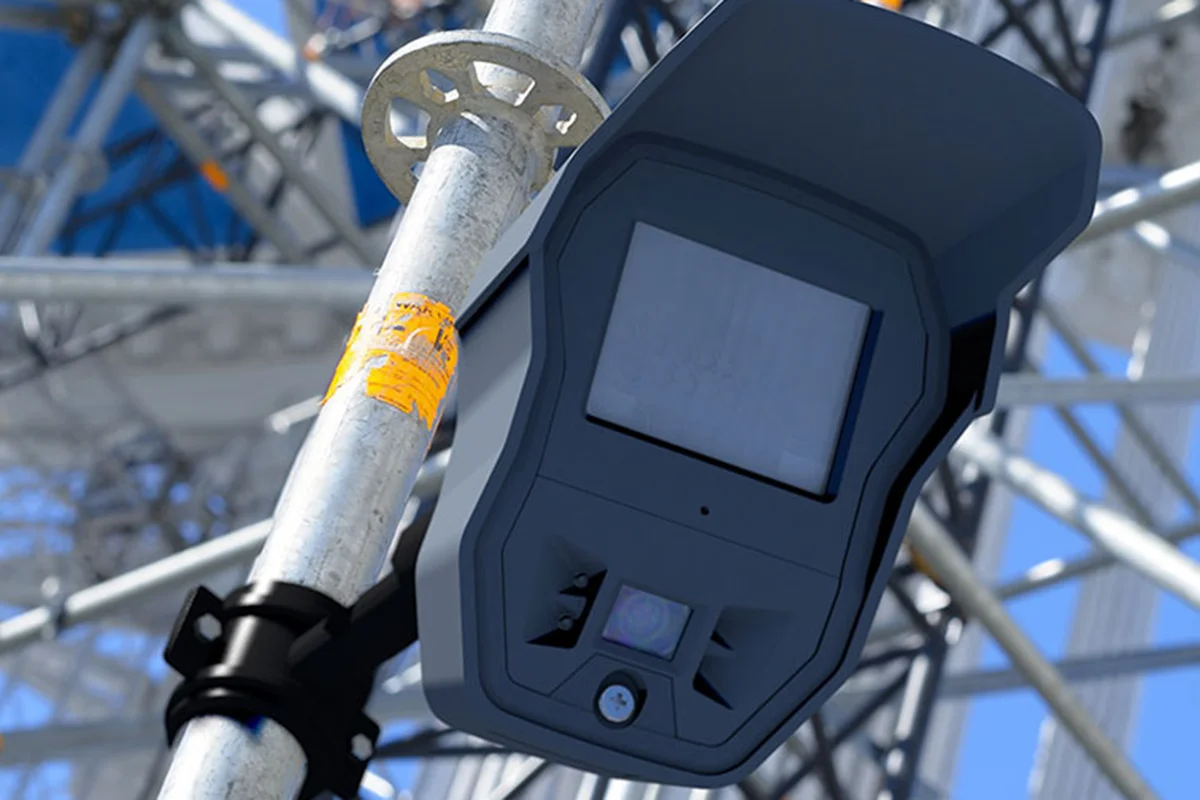
Our next suggestion is to consider a video-verified alarm – a straightforward piece of equipment used widely within high-risk settings like construction sites and commercial storage yards and in premises that are not occupied, such as vacant rental units and properties.
These dual-function alarms work primarily as break-contact intrusion detection systems, with wireless battery packs that operate autonomously from the mains grid.
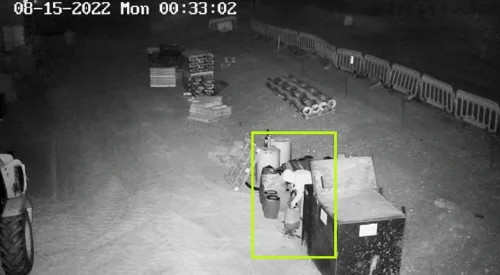
If an alarm point is triggered, the alarm system takes a live snapshot of the situation in crisp definition, ensuring responders can see what has tripped the alarm and respond accordingly – or deactivate the alarm if there is nothing of concern.
24/7 Professional Alarm Monitoring
With a professional alarm monitoring service, countless alarms are automatically disregarded since such a vast proportion are false. The risk is that emergencies are assumed to be false or responders do not react swiftly because all previous call-outs have been non-urgent.
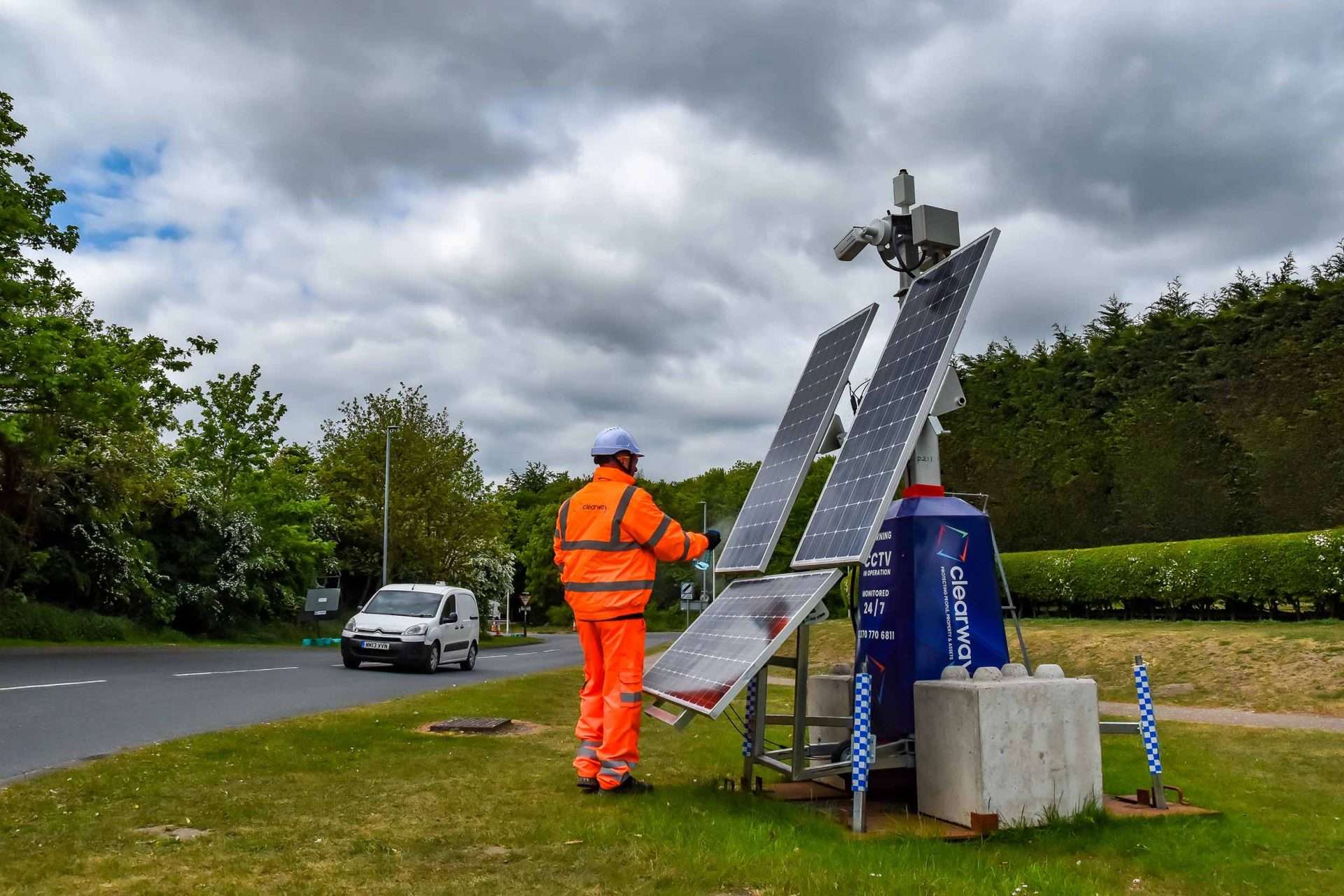
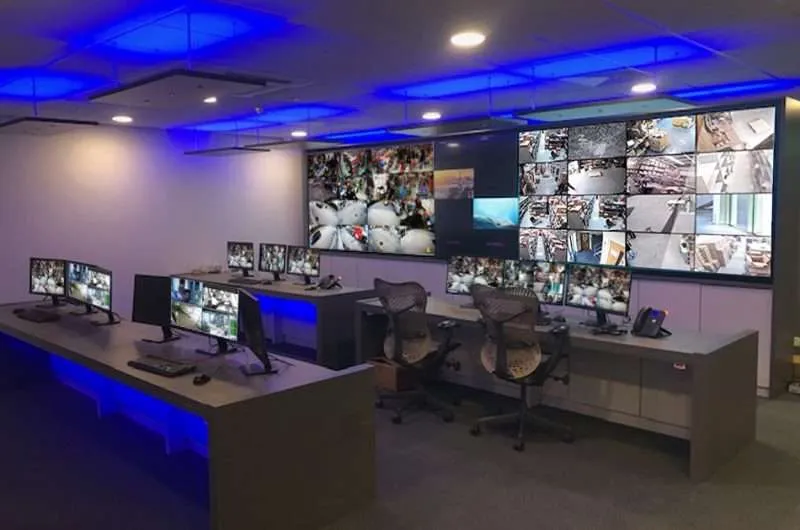
Clearway’s Alarm Response Centre (ARC) is active 24/7, 365 days a year, monitoring and tracing every possible component within a professional alarm system—from panic alarms to CCTV, motion detectors to perimeter intrusion detection systems, and static, fixed, and mobile security devices.
Trained responders log and investigate every live signal in real-time, using on-site CCTV and equipment to check the cause of the alert and ensure the right protocols are instigated there and then to prevent a real threat from escalating – or avoid unnecessary responses otherwise.
AI-Enabled Security Solutions
Finally, we recommend that every business plagued by false call-outs consider the incredible advancements available through AI-enabled smart security systems.
AI CCTV systems study the environment and normal movement patterns and can react immediately to emerging and potential threats before they occur.
With functionality like facial recognition cameras, ANPR CCTV systems, movement pattern tracing and identifying suspicious activity, even something as subtle as a person travelling against the traffic flow (traffic monitoring cameras), these solutions augment reliability by a significant margin – while ensuring that there is always a log of the activity that has caused the alert.
Looking to find out more about how to prevent false alarms for your business? More information about any of the solutions discussed here is available on demand through the Clearway team, or you are welcome to visit our more detailed service pages for further specifications
Sources:
Related content
Tue Jan 4 2022
Commercial Intruder Alarms for Businesses
Sun Dec 15 2024
Sun Nov 16 2025