

In most cases, trespassing on private land in England and Wales is a civil offence, not a criminal one. That means the police won’t always intervene unless certain thresholds are met. If someone enters your land or property without permission but causes no damage, harm or disruption, it’s typically up to you as the landowner to take civil action to remove them.
However, there are exceptions. Some forms of trespass are criminal offences and can involve police enforcement.
Key Takeaways
- Trespassing on private property is generally a civil matter, not a criminal offence
- Police can intervene in specific cases such as aggravated trespass, criminal damage, or when other laws are broken
- Professional security measures are often needed to deter and remove trespassers effectively
When Can the Police Get Involved?
The police can intervene in trespass cases under the following circumstances:
- Aggravated trespass: When someone trespasses with the intent to disrupt lawful activity, such as construction work or farming
- Criminal damage: If the trespasser damages fences, buildings, or land
- Threatening behaviour: If the individual is abusive, threatening or causing fear to others
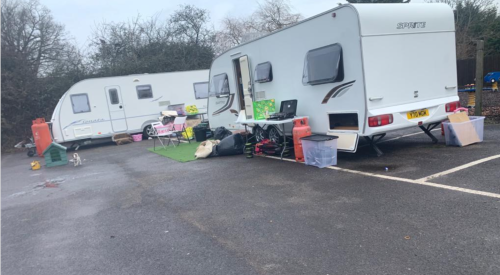
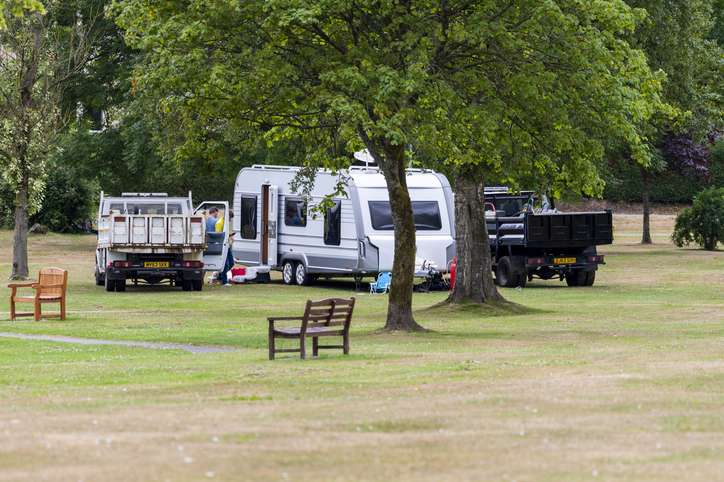
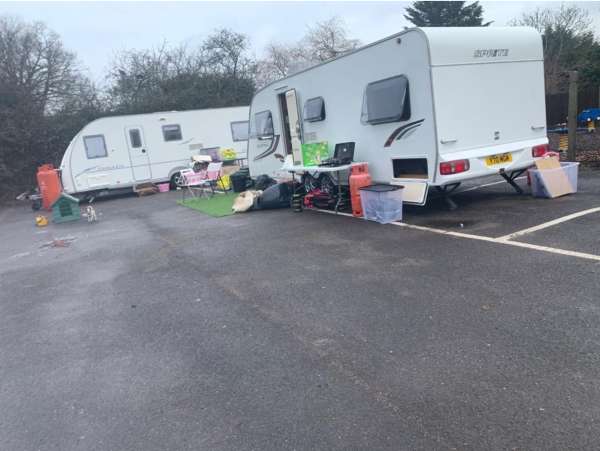
- Unauthorised encampments: Under Section 61 of the Criminal Justice and Public Order Act 1994, police can remove groups of people (e.g. travellers) if certain conditions are met
- Squatting in a residential building: This is a criminal offence under Section 144 of the Legal Aid, Sentencing and Punishment of Offenders Act 2012
If one of these conditions is met, you can call the police, who may be able to take immediate action.
What Should You Do If You Discover Trespassers?
If you discover trespassers on your land or property, the first step is to assess whether they pose a threat or have caused any damage. If there’s an immediate risk to people, property or public order, you should contact the police right away. If the situation doesn’t meet criminal thresholds, you may still need to:
- Ask them to leave (peacefully)
- Issue a formal notice of trespass
- Instruct a private security company or enforcement agency to remove them
- Seek legal advice for a civil injunction or possession order
Professional services like Clearway can assist with securing the site, deterring repeat incidents, and arranging lawful eviction if needed.
Why Prevention Is Better Than Cure
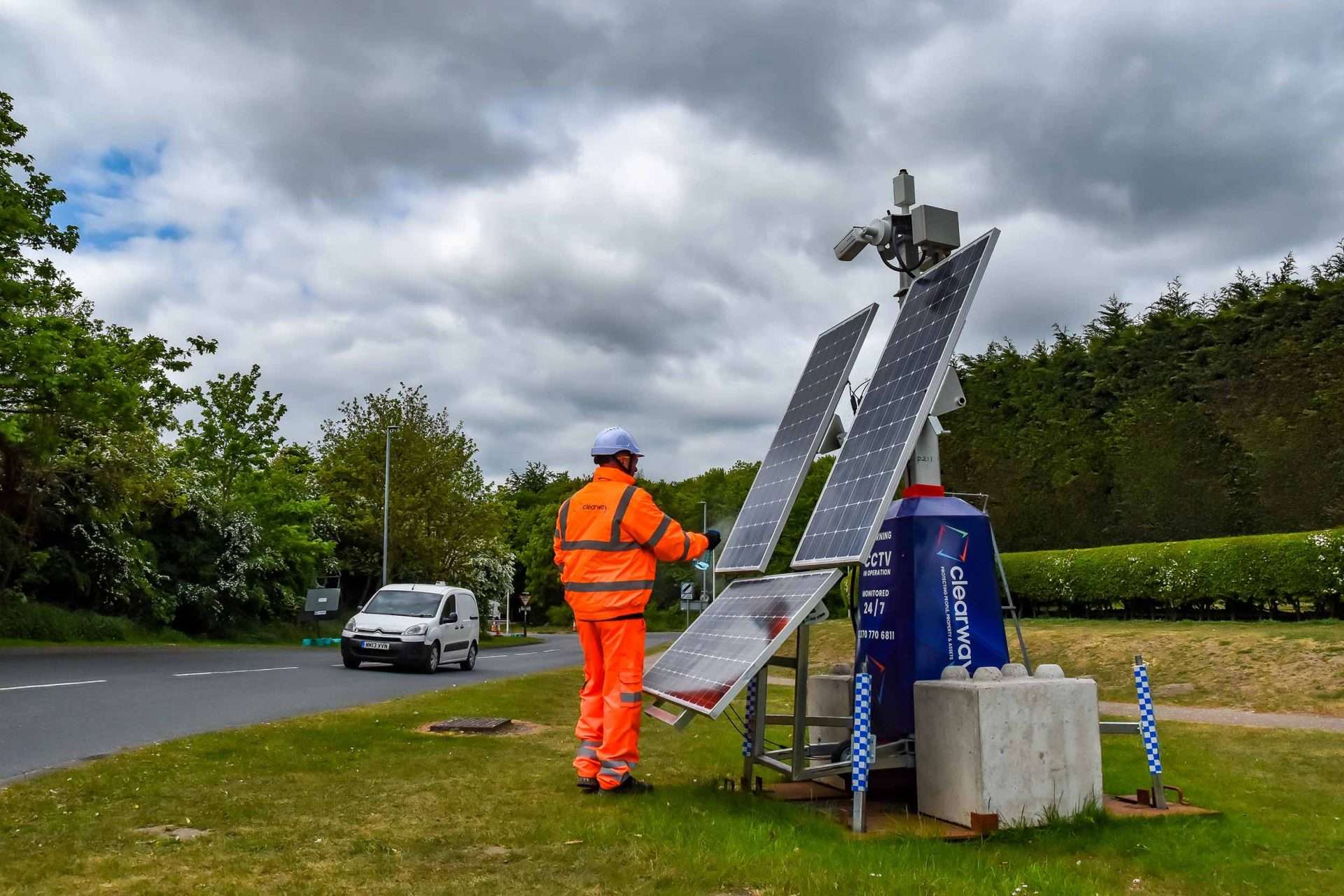
Because the police can’t always act, prevention is key. Trespassers often target properties that appear empty, unsecured or vulnerable. Installing monitored alarm systems, steel security doors, CCTV towers and clear signage can significantly reduce the risk and demonstrate that the property is being actively protected.
These measures can also strengthen your position should legal action be required later, showing that you’ve taken reasonable steps to secure your land.
FAQs
Can I remove a trespasser myself?
You can ask them to leave, but you must not use force. In some cases, you can instruct certified enforcement agents to carry out lawful removal.
Can the police remove squatters from commercial buildings?
No. Squatting in commercial premises is not a criminal offence. However, property owners can seek a civil possession order and instruct enforcement officers to carry it out.
How quickly can the police act under Section 61?
If criteria are met, police can act swiftly to remove unauthorised encampments, but they may also consult the local authority or landowner first.
What should I document if I discover trespassers?
Take photographs, note the time and date, and log any damage or threats. This evidence can support police reports or legal proceedings.
If you’re dealing with trespassers or want to protect your property from becoming a target, Clearway can help. From rapid deployment security to legal support, our team is here to safeguard what’s yours. Get in touch today for expert advice and a free site assessment.
Related content
Traveller Eviction Services: 24/7 Rapid Removal
Sat May 24 2025
Thu Mar 16 2023
Thu Mar 16 2023