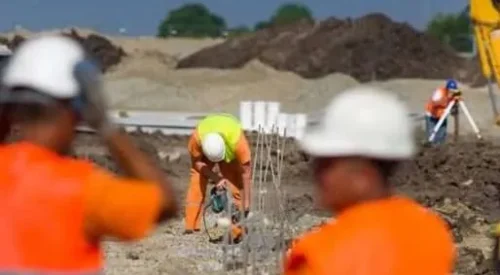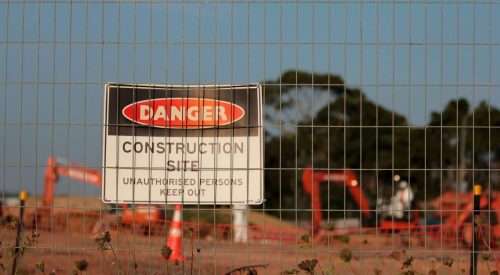


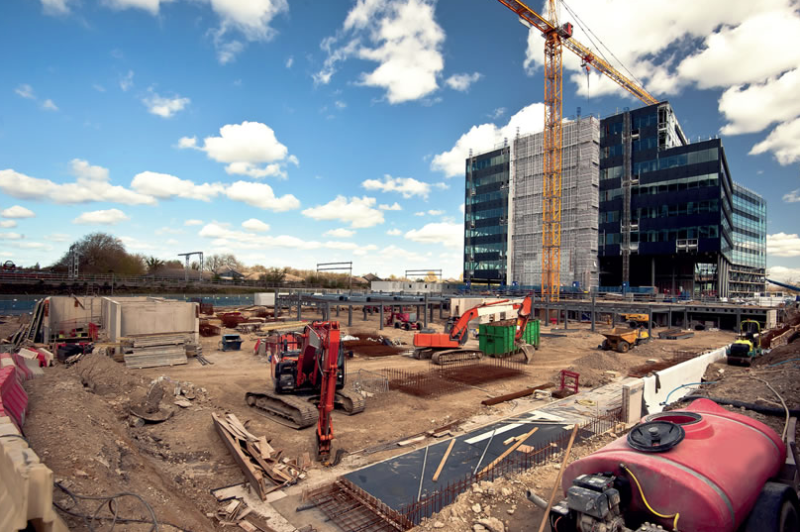
Construction sites and development zones are high-risk environments with plenty of potential health and safety hazards, ranging from electricity to falls from heights, heavy equipment and machinery, moving vehicles, and risks of falling or collapsing structures.
In this article we’ll recap some of the most prevalent risks on a construction site that can cause severe danger to construction workers, visitors, surveyors, delivery drivers, and even members of the public who deliberately or inadvertently stray or trespass into a construction area.
Key Takeaways:
- Identify Electrical Hazards: You need to be aware of the risks associated with live electrical wiring on construction sites, including overhead power cables, exposed wiring, and faulty equipment. Implementing thorough risk assessments, proper PPE, and signage can significantly reduce the danger of electrocution.
- Prevent Slips and Trips: Ensure your site is well-organised to prevent slips and trips, which are common due to uneven surfaces. Using clear signage, adequate lighting, and creating separate routes for vehicles and pedestrians can help manage these hazards effectively.
- Control Moving Vehicles and Objects: Properly manage the movement of vehicles and machinery on-site to prevent accidents. This involves creating organised work areas, using traffic control measures, and ensuring good lighting and warning signals to keep pedestrians and vehicles separate.
- Prevent Break-Ins and Theft: To mitigate the risk of break-ins and theft on your construction site, ensure robust security measures are in place. This can include installing surveillance cameras, securing perimeter fencing, employing security personnel, and using lockable storage for valuable equipment and materials
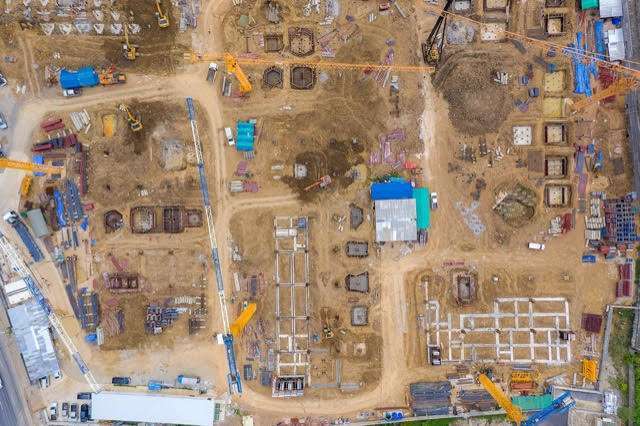
The Health and Safety Executive (HSE) reports that in 2022/23, there were 45 fatal injuries on UK construction sites and over 4,000 serious reportable accidents or incidents – of which 62% meant the injured person required at least seven days off work during recovery, treatment or recuperation.
All construction site managers and supervisors are responsible for ensuring they take an active approach to health and safety, prevent avoidable accidents and injuries, control and mitigate risks, and perform regular risk assessments to fulfil their mandatory obligations.
Risks to ‘people’
1. Electricity on Construction Sites
Most construction sites will have live electrical wiring at some phase, often where the electrics for a newly constructed building or residence are installed or when power sources are used to operate equipment or machinery.
Some work sites will also need to account for:
- Overhead power cables
- Exposed electrical wiring
- Extension cords
- Faulty wiring and damp conditions
A fatal accident occurred in 2017 when a worker touched an overhead powerline being installed. The site supervisors had not logged the power line’s risks or implemented any control measures to prevent workers from touching the cable.
Risk assessments may include the need to perform visual inspections, test that devices have been isolated and properly checked, use reduced-voltage supplies, implement policies to ensure damaged equipment is never used, and ensure that all workers understand electrocution risks and have the appropriate PPE and signage to contribute to safe working practices.
2. Managing Slip and Trip Hazards in Construction
The nature of groundwork and unfinished surfaces means that slips and trips are common in the construction sector. The HSE logs around 1,000 workplace injuries every year that result in a broken bone or fracture.
While most slips and trips are not serious, they can cause severe injury and are relatively easy to prevent. Construction site managers could, for example:
- Create separate routes for vehicles and pedestrians using concrete barrier blocks
- Install outdoor lighting that ensures uneven walkways are well-lit
- Add signage to warn visitors of areas where the ground is likely to be uneven
- Restrict site access using access controls when foundations are being dug
Managing a construction site well should mean that there is no reason a worker should be unaware of a slip hazard and that all more serious possible risks, such as deep holes or cavities, are properly signed and have barriers in place.
3. High-Level Noise and Vibration Risks
Issues related to tinnitus, hearing loss, and hand and vibration syndrome (HAVS) are more common in industrial and construction settings than in any other. HAVS can possibly be permanent and impact the health of a worker who has been exposed to prolonged noise levels and vibrations from equipment.
One of the best ways to protect against these risks is to ensure workers are issued with appropriate PPE and follow policies that ensure all visitors on site or any workers using tooling adhere to those rules.
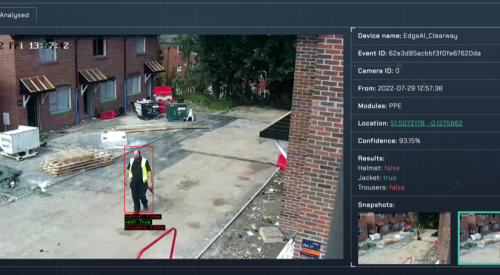
PPE compliance detection is a good option. It can be integrated with security surveillance systems, flagging any instances of non-compliance to ensure supervisors can address the issue and eliminate the potential that a worker will opt not to wear suitable ear defenders, for example.
4. Moving Objects and Vehicles in Construction Zones
The number of contractors and professionals working or delivering materials to a construction site may mean there are multiple moving parts at any one time. However, managing and controlling those movements remains crucial to prevent injuries.
Most accidents are caused by poor management or avoidable issues such as:
- Cluttered or badly organised workplace areas without the space or capacity to facilitate safe manoeuvring.
- Lack of lighting, warning signals or audible reverse indicators on heavy goods vehicles.
- Difficulties for pedestrians or workers on foot who are using the same routes and pathways as loaders, cranes and other vehicles.
- Intersections or junctions where multiple vehicles may be making deliveries, loading or unloading, or trying to turn.
- Collisions with machinery or palletised equipment that hasn’t been stored away from active work zones.
Good construction site management may involve using the concrete barriers we’ve mentioned as material storage bays and a traffic control measure—keeping vehicles and equipment separate from workers and teams.
Site supervisors can also create detailed footfall management plans, ensuring the number of vehicles or equipment on-site at any one time does not exceed capacity and create a hazard.
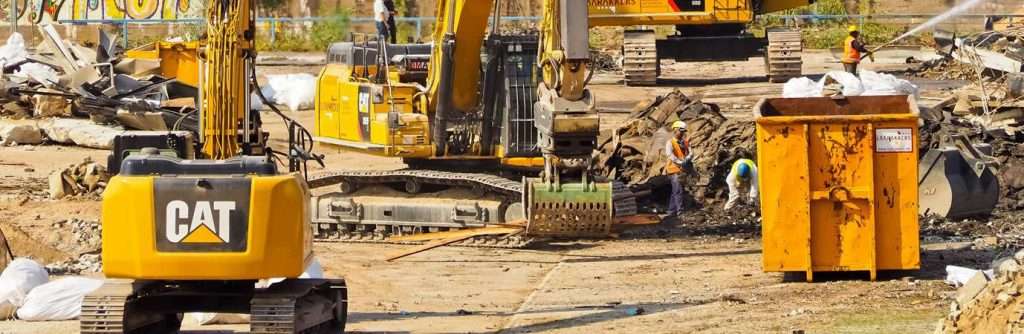
5. Falls From Height in Construction
Falls from an elevated height are among the major causes of workplace fatalities. They can occur within construction sites where staff are working from ladders or scaffolding or are exposed to risks such as uncovered drainage ditches and foundations.
The best solutions may depend on the nature of the site. Still, they can include resolutions like extending ground-level tools to ensure contractors do not need to climb ladders, adding guardrails and safety nets to platforms, and ensuring staff have sufficient training and PPE.
If workers operate at extreme heights, they should also be equipped with safety harnesses, where there is no other way to eliminate the risk of a potential fall.
6. Slippages and Landslides
Our final most common risk is where soil, hardcore and materials slip or collapse. While less usual, ten fatalities were recorded in 2016/17, primarily due to a lack of safety provisions around excavation sites.
Many serious incidents occur due to unstable excavations, collapses caused by heavy loads, or improper storage and security of materials such as gravel, bricks, or cement.
Creating material storage bays from temporary blocks, assessing the load-bearing capacity of a wall, structure or foundation, and using retaining walls can ensure all loose materials are kept safe, with a supporting structure that will stop any potential slippages or landslides from occurring.
Security Risks on Construction Sites
Protecting your people should always be your first priority, but what are the other risks associated with security?
Security risks on a construction site can be numerous and varied, potentially leading to financial losses, project delays, and safety hazards. Some key security risks include:
- Theft of equipment and materials: Construction sites often contain valuable machinery, tools, and materials that can be targeted by thieves. This can result in significant financial loss and disrupt project timelines.
- Vandalism: Unprotected sites may attract vandals who can damage property, machinery, or partially completed work, leading to additional repair costs and delays.
- Unauthorised access: Without proper access control, unauthorised individuals, including trespassers, can enter the site, posing safety risks to themselves and others and increasing the potential for theft and vandalism.
- Safety hazards from unwanted intruders: Unauthorised individuals on the site might not adhere to safety protocols, increasing the risk of accidents and injuries. Their presence can also compromise the safety of authorised workers.
- Sabotage: Competitors or disgruntled former employees might deliberately sabotage equipment or structures, causing project delays and financial losses.
- Cybersecurity threats: Modern construction sites often use digital systems for managing operations. Cyberattacks can target these systems, leading to data breaches, loss of sensitive information, and operational disruptions.
- Inadequate lighting: Poorly lit sites are more susceptible to theft and vandalism, as criminals find it easier to move undetected in low-light conditions.
- Weak perimeter security: Sites without robust perimeter fencing or surveillance systems are more vulnerable to break-ins. Ensuring a secure perimeter is crucial in deterring unauthorised access.
- Lack of Employee Screening: Failing to properly screen employees and contractors can result in hiring individuals with criminal backgrounds, increasing the risk of internal theft or sabotage.
- Poor inventory management: Inaccurate tracking of materials and equipment can make it easier for items to be stolen without immediate detection.
Mitigating these risks requires a comprehensive security strategy, including physical security measures, employee training, robust access controls, and the use of technology to monitor and protect the site.
How can Clearway help?
Clearway, the construction site security experts, can help you mitigate security risks with a range of professional solutions:
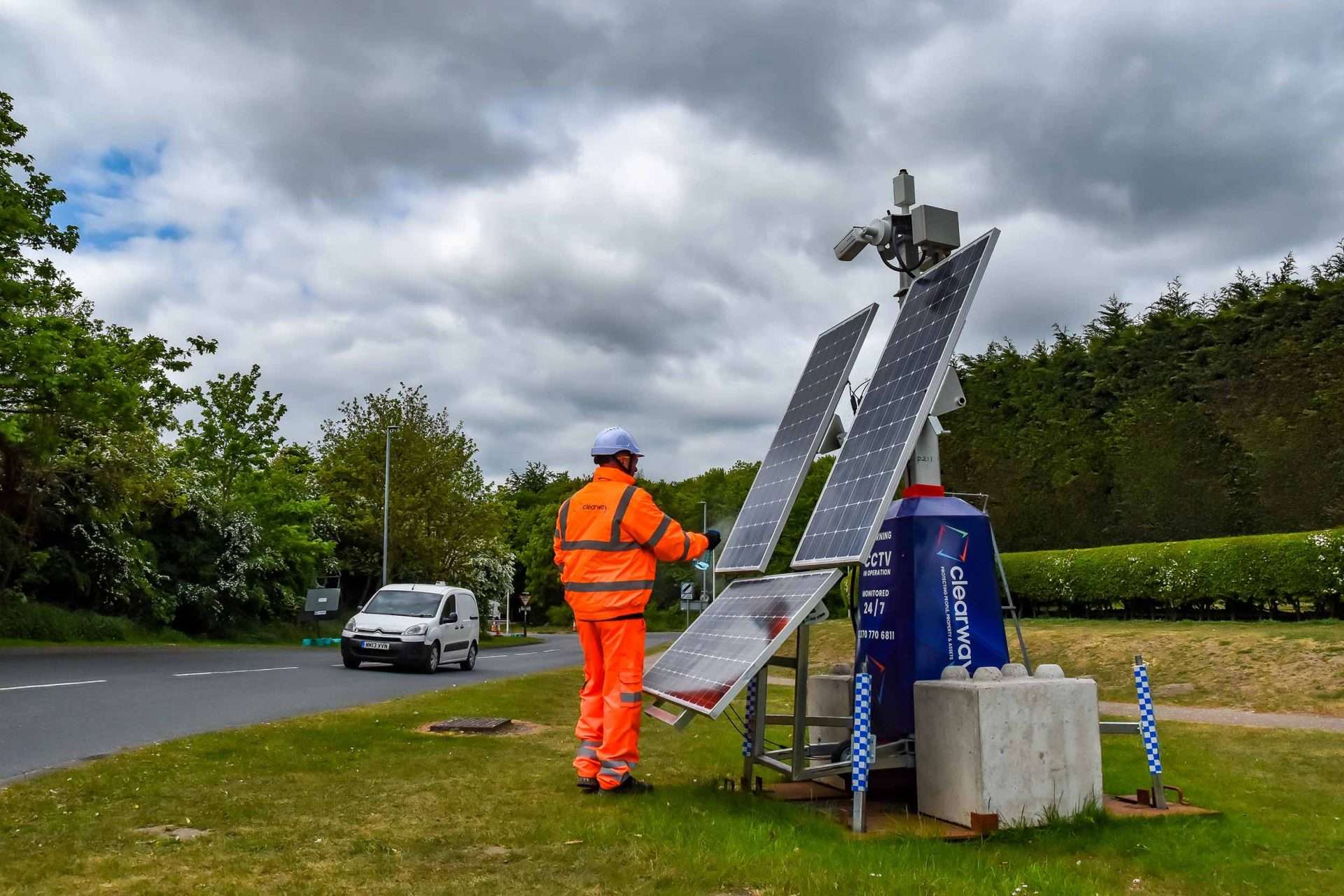
- Mobile CCTV Towers, Solar-Powered or Mains Electricity: Clearway’s mobile CCTV towers provide continuous visual security with near 360-degree coverage, ensuring every part of your site is monitored. Our towers are designed to run 24/7 with minimal maintenance ensuring you maintain eyes on your site at all times.
- Remote CCTV Monitoring station: Our NSI Gold Approved remote monitoring capability allows you to keep an eye on your site from anywhere, providing peace of mind that your site is secure at all times.
- Site Access Control Systems: Our site access control systems dictage who can enter the site, preventing unauthorised access. Our access control technology can be coupled with physical concrete barriers to deter intruders and protect valuable assets.
- Manned Guarding – Our On-Site Security Personnel are a strong visual and physical deterrent against unauthorised access and theft.
- InView Detect PIDS– Our Perimeter Intrusion Detection System adapts to the changing layout of your site for extensive and flexible coverage and instance notifications should your site perimeter be breached.
- Video-Verified Alarms – Our alarms run independently of mains power to capture images of breaches, reducing false alarms and ensuring prompt action.
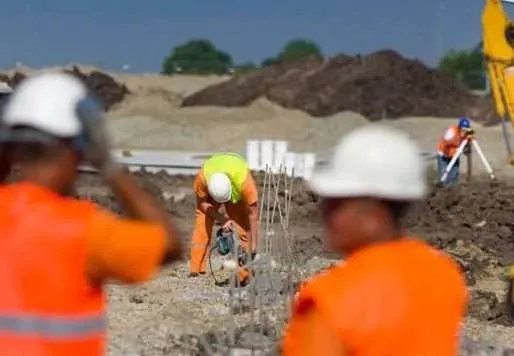
- PPE Monitoring – Our PPE detection systems are able to capture the correct or incorrect usage of PPE on a construction site to monitor compliance and reduce safety risks.
With Clearway’s comprehensive security measures, you can ensure a secure environment for your construction site, protecting workers, equipment, and the integrity of your project. Read more about our building site security services here.
Related content
Wed Jan 8 2025
Sun Jun 9 2024
Tue Aug 5 2025