

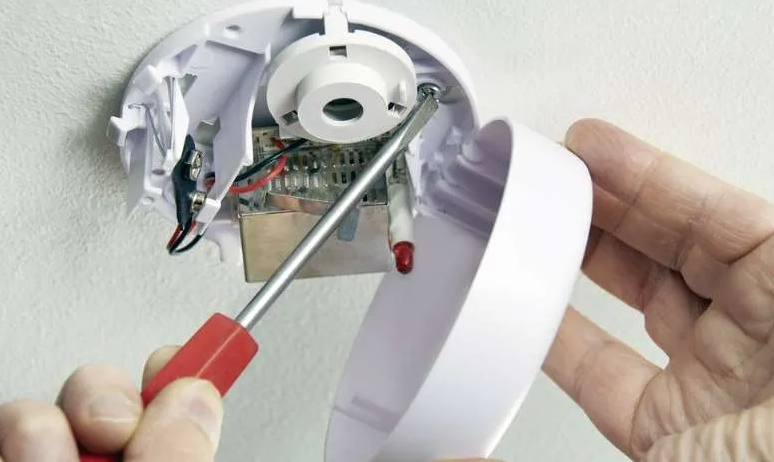
Looking for alarm servicing?
Clearway’s alarm servicing and maintenance teams work nationwide and offer ongoing, urgent and scheduled maintenance services:
- Regular servicing
- Remote monitoring available
- Commercial alarm systems

You’ve invested in the latest alarm system technology for your business – that’s great. But if the system is offline due to poor upkeep, your alarms are rendered ineffective. That’s why any alarm you have fitted within your property, business or site should be serviced regularly as part of an ongoing schedule of maintenance.
This ensures alarms will function properly in an emergency and verifies that components, sensors and audible alarms remain in good condition so they won’t fail you when you need them most.
In fact, it’s a legal requirement for businesses to maintain alarm systems – particularly fire systems. British Standard BS 5839, under which fire alarm systems must be compliant, suggests that fire alarms undergo inspection by a competent person at least every six months.
In this article, we discuss what alarm servicing involves and what to expect when you service your alarm.
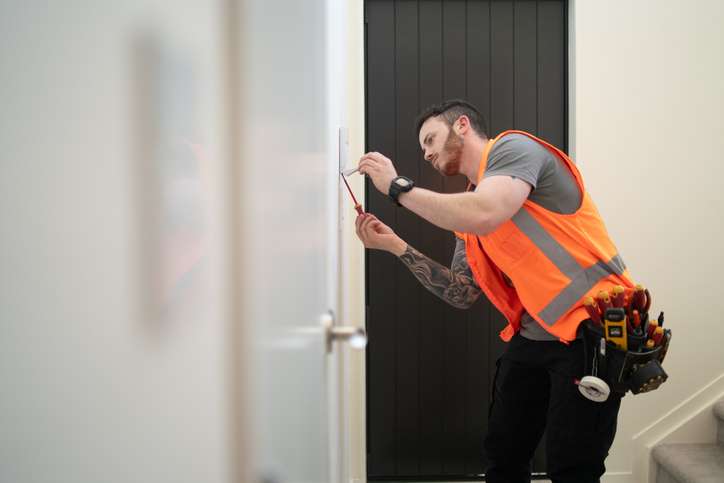
Managing Servicing Requirements for Security and Safety Systems
Clearway’s alarm servicing and maintenance teams work nationwide and offer ongoing, urgent and scheduled maintenance services, whether you are due to have your alarm systems inspected and checked or have detected a problem, such as a fire alarm not sounding during your weekly test.
Every alarm system within your premises should be serviced, depending on the nature of the system and your legal obligations, including:
- Fire detection and safety systems.
- Intruder alarms and perimeter detection devices.
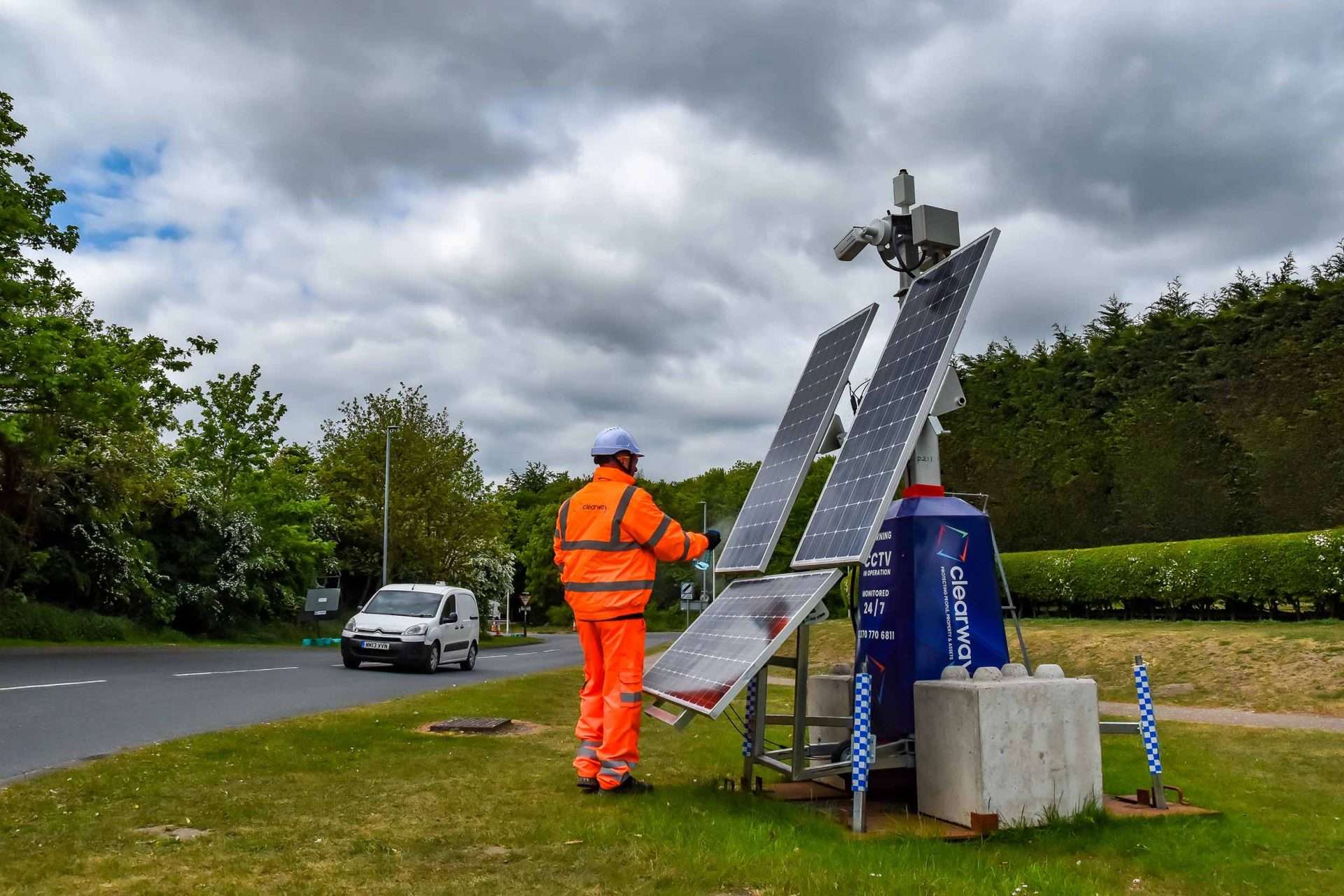
- CCTV surveillance cameras.
- Automatic or electronic barriers and gates.
- Access control systems.
It is worryingly common for systems that haven’t been serviced to fail when they are most needed, often because the system hasn’t been tested to confirm that it is operational. That may mean an intruder gains entry, a CCTV camera doesn’t function, or an automatic gate doesn’t open during an evacuation.
What to Expect From Alarm Systems Servicing and Maintenance
Most servicing visits are completed quickly, with straightforward steps taken to test each component. That could include visual checks, alarm testing, stress testing and picking a sample of alarms or sensors. Engineers might, for example, use equipment that creates pressure, smoke or heat to verify that a sensor picks up the trigger and routes the alarm back to your control panel.
If an engineer finds a problem, they’ll often be able to replace the part there and then, including batteries. Other issues that cannot be addressed immediately can be scheduled for repair or replacement, with advice about how to manage your site or property security and safety in the meantime.
Frequent tasks completed during alarm servicing include cleaning, removing dust and insects, and ensuring alarms, sensors and detectors aren’t inhibited in any way from performing their designated function.
Once servicing has been completed, you will receive a certificate or record within your alarm system log book, which may be essential to complying with insurance coverage requirements or legal obligations to keep your systems well maintained.
Engineers can provide guidance throughout, such as advising when a component is currently working but approaching the end of its useful life. That advance warning means you can budget for an upgrade or replacement well before your alarm system stops working.
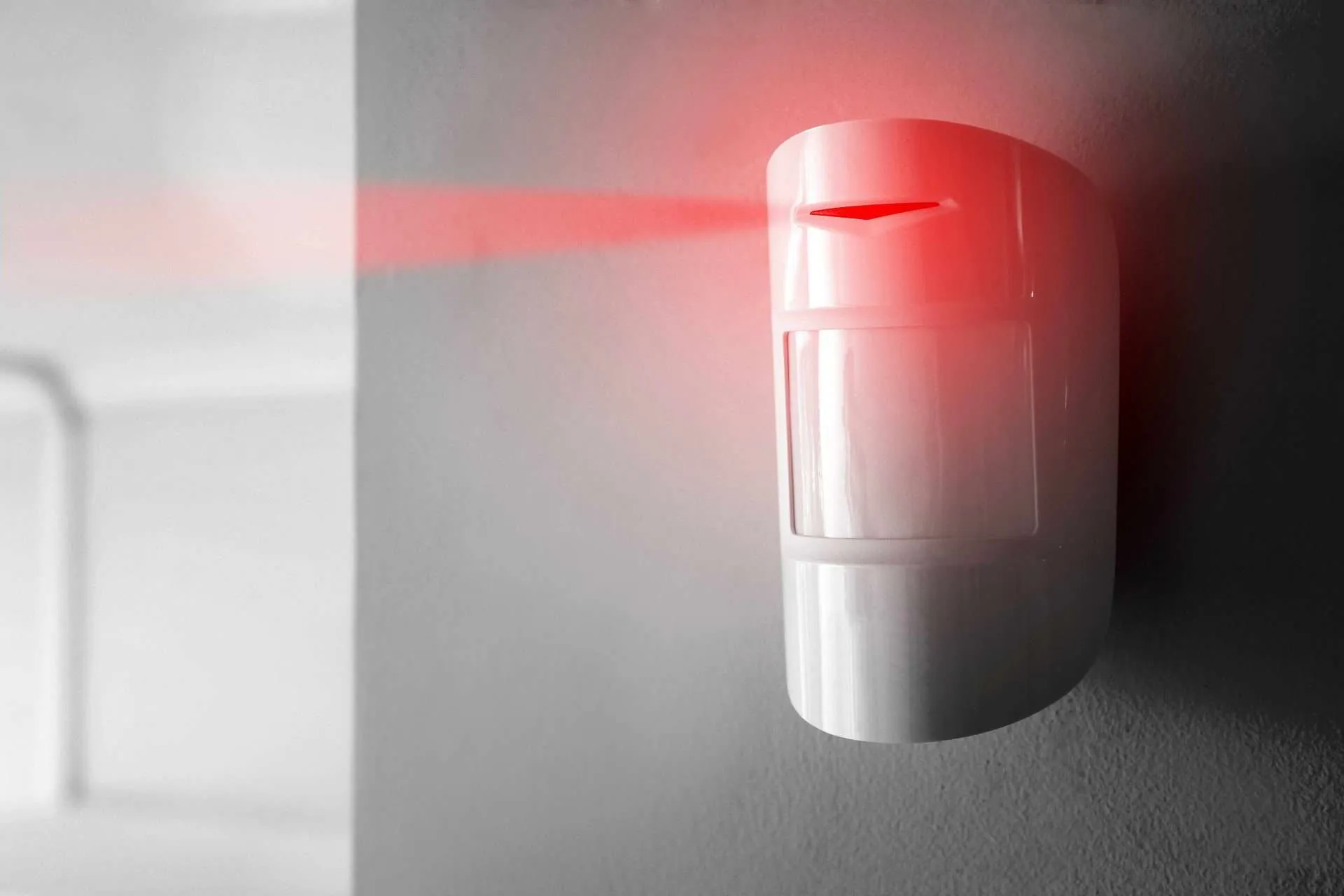
How Often Should Alarm Systems Be Serviced?
A lot depends on the types of alarm systems you have, which will naturally differ between a residential home, a private estate, an empty building, a vacant commercial unit, a low-risk business premise and a larger commercial compound.
Intruder Alarm Servicing
Generally, a commercial intruder alarm or other security alarm system should be serviced at least once a year. However, alarms that are connected to our Alarm Receiving Centre or any police-approved monitoring service may need to be serviced every six months.
Properties with an elevated risk profile or more complex factors may need to have alarms serviced more often due to the conditions of their insurance coverage.
Most security advisers recommend monthly tests and servicing at any point when there is the potential for intruder alarms to have been damaged, moved, tampered with or otherwise disturbed.
For example, if you have had a false alarm or a suspected attempted intrusion, you may need to have your intruder alarms serviced to confirm they are still working as expected and haven’t been hindered in any way – the most common issues are due to environmental damage to wires, or deliberate cable cutting.
Fire Safety Equipment Servicing
While some fire safety equipment doesn’t necessarily need servicing, regular maintenance and inspections are vital. Engineers can assess every element, including:
- Hoses, hydrants and sprinkler systems
- Fire extinguishers and suppressants
- Emergency lighting and evacuation alarms
- Fire alarm control panels and detectors
Equipment such as a fire extinguisher will normally have a designed lifespan, so during a full servicing visit, a qualified engineer will check each device to ensure it has not been activated, confirm that pull tabs or valves remain in place, and verify whether the extinguisher remains suitable.
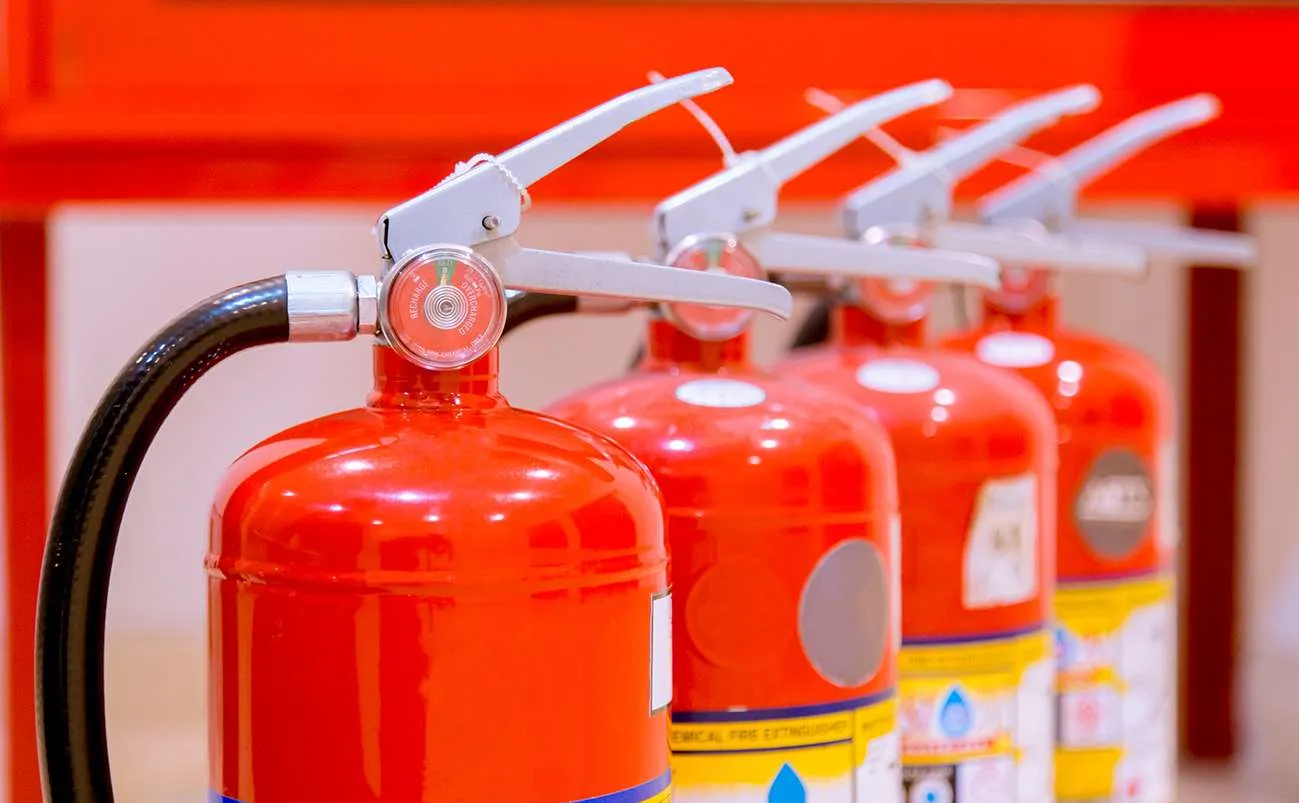
Other components of your fire safety system, including the alarm, require technical servicing to ensure they are functioning – including the stress testing we’ve mentioned.
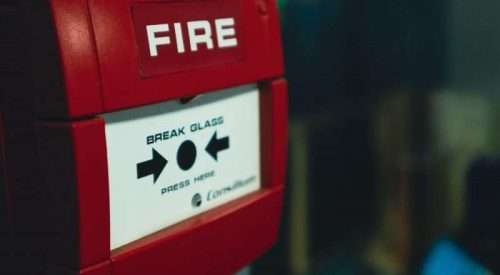
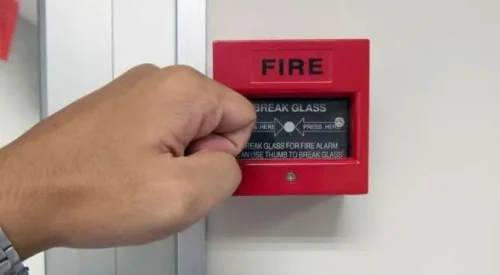
Most fire alarm systems should be subject to an inspection every six months by a competent person, somebody well-versed in fire safety standards, according to BS 5839. Businesses must also check their fire alarms weekly, normally carrying out a test on a randomly selected call point on the same day and time each week.
If you carry out weekly fire alarm tests yourself, be sure to advise your responder or the Alarm Receiving Centre so they are aware of the time you intend to activate the alarm.
Commercial fire alarms must be tested and serviced regularly, ensuring any faults or issues are identified, and the business can take preventative steps to verify that their alarm is reliable. Other alarms may not be subject to legal requirements but should still be serviced to prevent any faults or malfunctions.
The Importance of Regular Alarm Servicing
Having your alarms serviced isn’t just about complying with the terms of your insurance, meeting your legal safety obligations, or avoiding the cost of replacing an alarm system. It also affects the security of your site users, including visitors and members of staff.
Whether you have an intruder alarm, fire alarm system or an interconnected smart building alarm, servicing is key. Any malfunctions, eroded wiring or broken components may put your premise at extreme risk if a fire, flood, gas leak, or intrusion were to occur.
Periodic servicing is also an investment in the longevity of your alarms. Cleaning, removing dust from sensors or replacing depleted batteries is far more convenient and cost-effective than needing to replace an entire alarm system that has been left to deteriorate.
Knowing that the alarms are tested routinely, professionally serviced and well managed ensures that every site user can be confident that health and safety hazards are controlled and that if an emergency were to occur, they would be protected.
Please contact Clearway at any time to discuss the ideal alarm maintenance schedule for your alarm systems, request a servicing appointment or organise emergency repair work to restore your alarms to full functionality.

Daniel Meeajane 
Business Development Director, Clearway Fire and Security
Daniel Meeajane is a Business Development Director for Clearway Fire and Security.
Having been involved in some major projects and achieving successful results Daniel uses his knowledge and experience to leverage awareness in Fire Protection. To do this a deep understanding of the BS 5839 PT1 is required along with keeping updated on the latest technology.
Related content
Tue Jan 4 2022
Fire Alarm Maintenance Services
Fri May 9 2025
Commercial Fire Alarm Installation
Mon Jul 25 2022