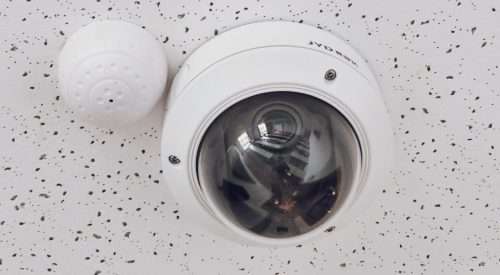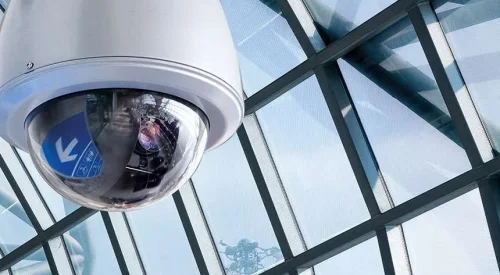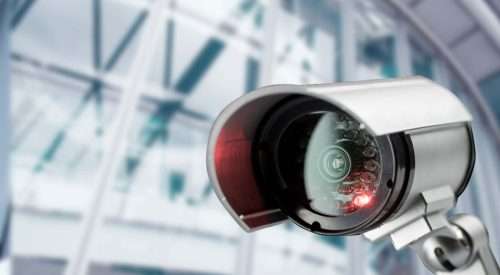


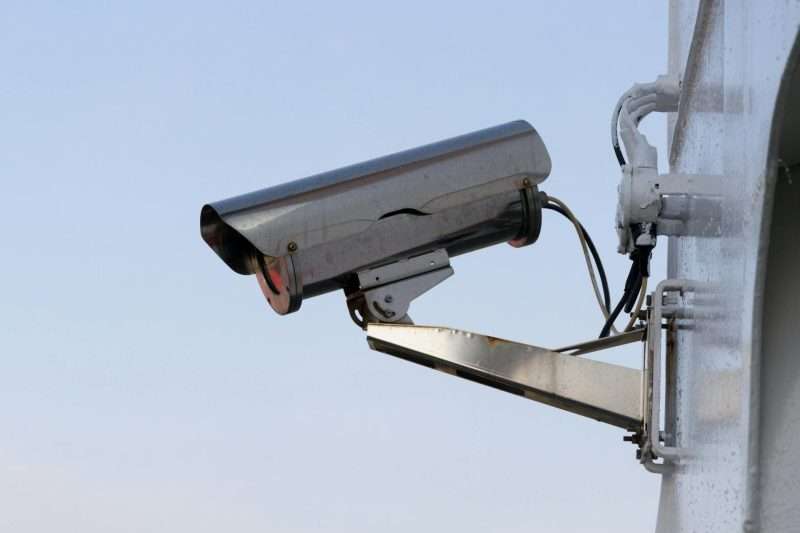
Turret cameras are advanced, multi-feature CCTV cameras that include a ball-and-socket mount that lets the camera pivot in different directions, covering a wider area within each device.
Installing turret cameras is often ideal for businesses and settings that don’t want a bullet camera, which can seem a little intrusive, but need a cost-effective surveillance system that offers more reliable infrared coverage than dome cameras.
The drawback is that, unlike dome cameras, a turret camera lacks a protective cover, which makes it more vulnerable to vandalism. It’s worth speaking to an experienced security professional to ensure you pick the right CCTV for your premises.
Turret Cameras: Key Takeaways
- Turret cameras can be installed indoors and outdoors, and their ability to rotate means each device offers improved coverage.
- Devices can monitor activities and movement at close range and over longer distances and are visible enough to deter crime.
- One of the big advantages of turret cameras is their enhanced low-light capabilities. The lack of a dome cover improves infrared captures, but it can make the camera more exposed to damage.
What Are the Key Features of Turret Cameras?
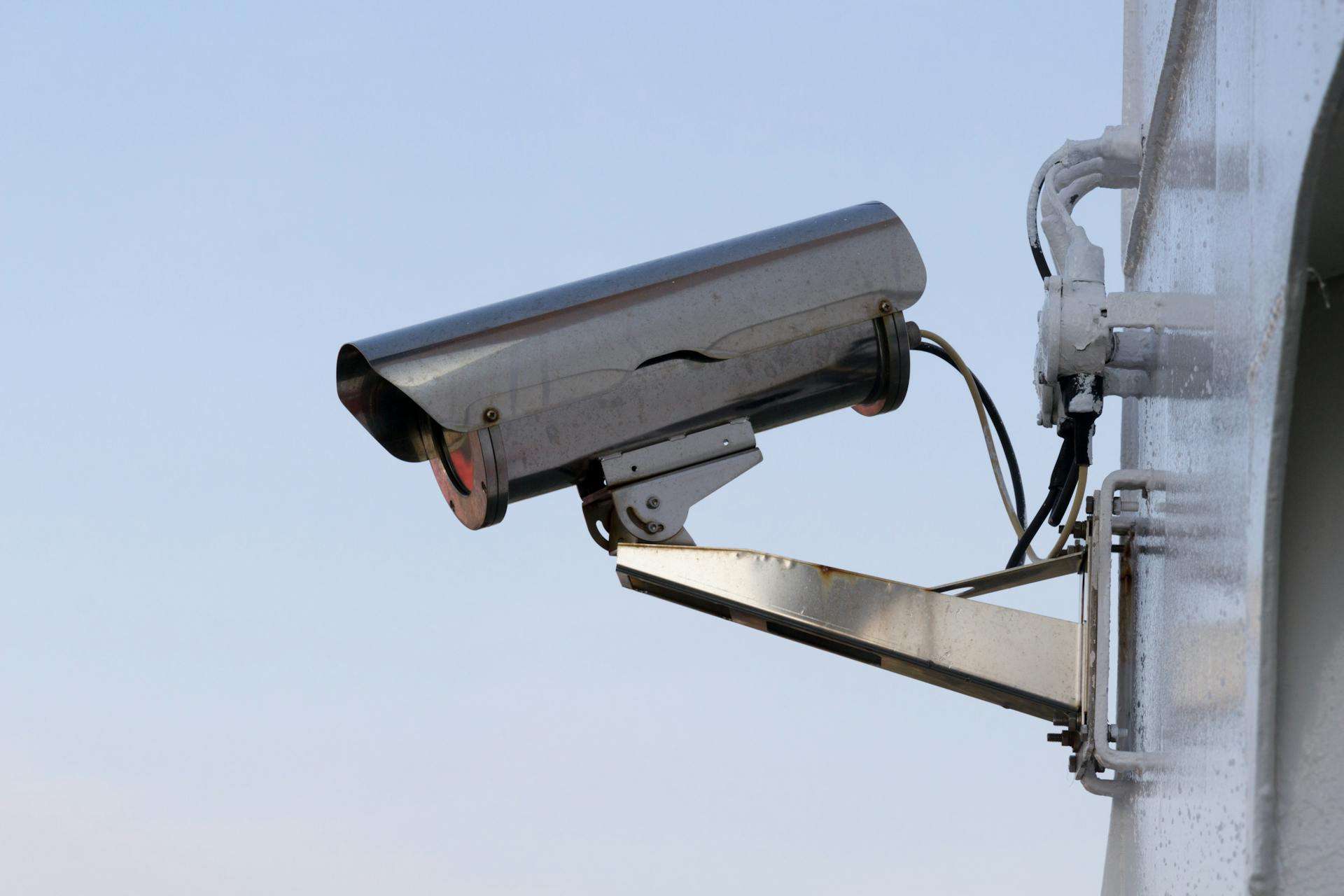
The primary advantage of turret cameras over alternatives is their 360-degree rotation, achieved with a ball-and-socket design that allows the camera to move freely and cover a wider area.
Other functions and capabilities are as follows:
| Turret Camera Feature | Description |
| Weatherproof design | Turret cameras can be used indoors or outdoors, with the latter equipped with weatherproof fixings that ensure they continue to work in rain or snow. |
| High-definition capture | HD-resolution imagery ensures that captures are sharp and detailed, giving responders and guards accurate information to make quick decisions. |
| Infrared night vision | The lack of a casing or dome over the camera eliminates infrared glare, ensuring turret cameras are a great option for infrared surveillance. |
| Wide-angle monitoring | Cameras can be fitted with varifocal lenses, with an adjustable field of view, and WDR or Wide Dynamic Range. |
| IP and PoE options | Turret cameras can use IP or PoE power and communication cabling and transmissions, depending on the available wiring. |
When Would Turret Cameras Be the Best Surveillance Option?
Typically, turret cameras are ideal when bullet cameras are a little too aggressive or intimidating, or when there have been previous issues with debris and insects affecting their performance.
They’re also often compared with dome cameras, each with its own pros and cons, and are selected when infrared reflections can make dome cameras less effective.
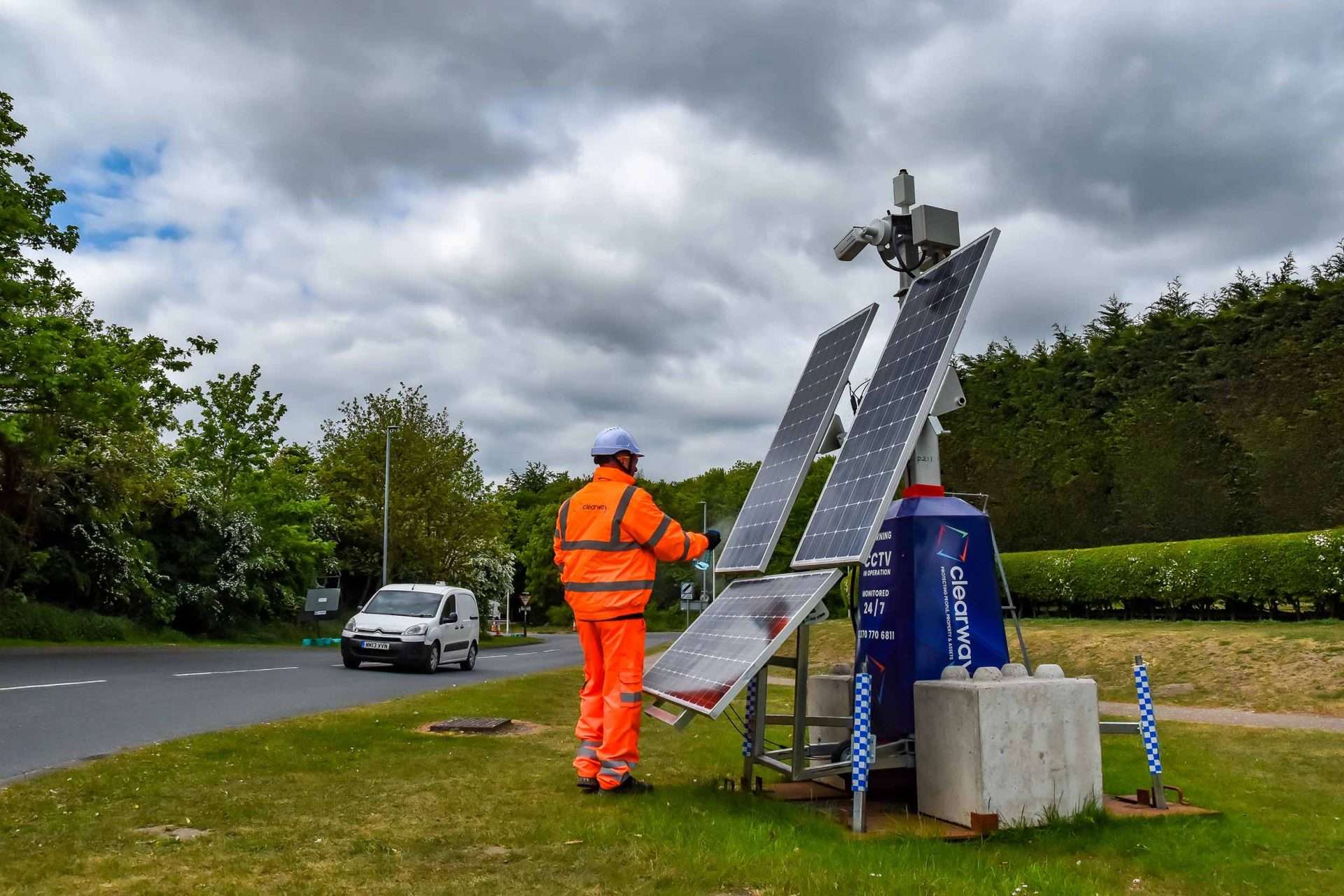
Clearway advises that, ‘CCTV is known to have a positive effect on crime prevention, with premises with cameras experiencing 14% less crime than those without – but choosing the right types of CCTV devices is important. [1]
Our advice is to start with a risk assessment or audit of your current security devices, which helps us spot vulnerabilities, issues or gaps in coverage that influence the recommendations we make.’
How Do Dome and Turret Cameras Compare?
It’s common to choose between dome and turret security cameras. While both are effective, turret cameras are often better suited for overnight security, while dome cameras are best for settings where surveillance needs to be discreet.
We’ve put together a brief comparison below to highlight the differences that might affect your decision-making.
| Turret Camera | Dome Camera |
| A more noticeable camera with a similar rounded shape, without a protective dome cover | Discreet, low-profile security camera hidden behind a clear dome |
| Potentially exposed to tapering and damage | Vandal and tamper-resistant dome |
| Excellent night vision, optical zoom and coverage of long and short range objects or movements | Wide-angle views for extended coverage, but prone to issues with infrared ‘bounce back’ |
| Flexible angles of coverage with cameras that can be repositioned easily | Good field of vision, but with more risks of condensation developing |
What Are the Advantages of Turret Cameras?
Turret cameras offer versatility, with the ball-and-socket joint allowing movement around the ball to cover different areas or zoom in and out as needed. The other positives of picking a turret camera for an office or business include:
- Modern camera casings, which are less conspicuous than bullet cameras, but still visible enough to deter.
- Improved night vision, with infrared LEDs providing reliable surveillance in low light or complete darkness.
- Options to integrate turret cameras with professional alarm response monitoring.
The latter is important because over 88% of CCTV systems in the UK are supported by a monitoring service, compared to just over 58% in the US, which is thought to be why visible cameras here generate greater security improvements. [2]
Installing a CCTV surveillance system is a proactive way to deter intruders, but it won’t necessarily eliminate all risks.
Having a professional response service monitor alerts and activate the appropriate protocol is the best way to ensure intrusion attempts and other incidents are de-escalated as quickly as possible.
Are There Downsides to Installing Turret Cameras?
There are thousands of potential CCTV systems to choose from, and it’s worth knowing the drawbacks, such as limited pan and tilt ranges that affect some turret cameras compared to alternatives.
Some businesses also find that the visibility of a turret camera is a drawback if they want a discreet CCTV system. However, it’s also vital that any setting understands the CCTV rules, because covert and concealed CCTV cameras are rarely compliant or advisable.
Turret cameras typically need to be installed relatively low down compared to other types of CCTV, which may mean the positioning of your cameras or the areas you need to protect will impact your choices – and, as with any CCTV device, there are both basic, low-cost models and sophisticated solutions that command a higher budget.
Frequently Asked Questions
How Do Turret Cameras Work?
Turret security cameras are oval-shaped devices mounted on ceilings or walls, with a ball-and-socket mechanism that allows the camera to spin in any direction, covering more angles than a fixed camera.
When Is a Turret Camera Not the Best Option?
If you want a highly visible, robust deterrent or a discreet, low-profile CCTV camera as your top priority, we’d usually recommend a bullet or dome camera rather than a turret camera.