

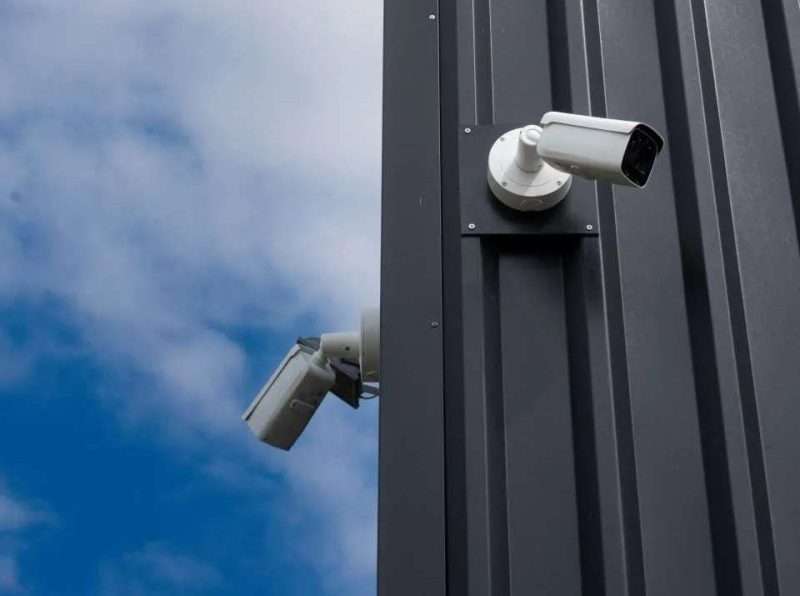
Whether you’re exploring CCTV for the first time or looking to upgrade your existing security system, this comprehensive guide will walk you through everything you need to know about closed-circuit television systems in the UK.
Getting Started: Understanding CCTV
Before investing in any CCTV system, it’s essential to grasp the fundamentals.
This section demystifies CCTV technology, tracing its evolution from basic analogue cameras to today’s AI-powered smart systems.
Understanding how CCTV works, the terminology used by installers, and the proven impact on crime reduction will help you make informed decisions about your security needs.
We’ll also explore the scale of CCTV adoption across the UK, giving you context for how surveillance has become an integral part of modern security infrastructure.
What is CCTV?
- How CCTV cameras work – A beginner’s guide to the technology behind modern surveillance systems
- The history of CCTV: when it was invented – Learn how CCTV has evolved from its origins to today’s smart systems
- CCTV terminology and jargon explained – Decode the technical language around CCTV systems
Why CCTV Matters
- How CCTV usage has grown across the UK – Statistics and trends in British surveillance
- The number of CCTV cameras in London – Understanding the scale of urban surveillance
- Why businesses need CCTV systems – The commercial case for investing in security cameras
- How CCTV reduces crime and anti-social behaviour – Evidence-based insights into CCTV effectiveness
Key Takeaways
- CCTV technology has evolved significantly from simple recording devices to intelligent, networked security systems
- The UK has one of the highest concentrations of CCTV cameras globally, particularly in urban areas like London
- Research consistently demonstrates that visible CCTV acts as both a deterrent and an investigative tool for crime prevention
- Understanding basic CCTV terminology helps you communicate effectively with installers and make better purchasing decisions
Finding the Right CCTV for Your Situation
Not all CCTV systems are created equal, and a one-size-fits-all approach rarely delivers optimal results.
Different environments present unique security challenges: a construction site faces theft of expensive equipment and materials, whilst a school must balance safety with child safeguarding requirements.
This section helps you identify the specific CCTV considerations for your industry, property type, or application. From retail loss prevention to agricultural land monitoring, from hotel guest safety to warehouse logistics security, we’ll guide you through the specialised features and legal considerations that matter most for your situation.
CCTV for Different Industries
Read our guide: What is the best commercial CCTV for your type of business?
Construction & Development
- CCTV solutions for construction sites – Protect equipment, materials and deter theft on building sites
- What to look for when choosing construction site cameras – Key features for harsh environments
Agriculture & Rural Properties
- CCTV systems for farms and agricultural land – Monitor livestock, equipment and remote areas
- Choosing the best cameras for farmland – Long-range and weather-resistant options
Education
- CCTV options for schools and educational facilities – Balancing safety with student privacy
- Legal rules for installing CCTV in schools – Compliance and safeguarding considerations
Hospitality & Retail
- CCTV solutions for hotels and guest accommodation – Protect guests, staff and property
- CCTV systems for retail environments – Loss prevention and customer safety
Commercial & Industrial
- CCTV options for office buildings – Secure workspaces and monitor access points
- CCTV systems for warehouses and distribution centres – Large-scale security for logistics operations
- CCTV solutions for industrial facilities – Heavy-duty cameras for manufacturing environments
- CCTV systems for airports and transport hubs – High-security surveillance for critical infrastructure
Parking & Transport
- CCTV options for car parks and parking facilities – Reduce vehicle crime and improve safety
Residential
- CCTV solutions for flats and apartment buildings – Communal area security
- Rules for CCTV in communal residential areas – What residents and landlords need to know
- CCTV systems for vacant properties – Protect empty buildings from squatters and vandalism
Energy & Renewables
- CCTV solutions for solar farms – Monitor remote renewable energy installations
CCTV for Workplace Monitoring
- Installing CCTV in workplace environments – Best practices for employee monitoring
- Can employers use CCTV to monitor staff? – Employee rights and employer responsibilities
CCTV for Special Requirements
- Long-range CCTV for large sites and open spaces – Coverage for expansive areas
- Off-grid CCTV solutions – Security where there’s no mains power or internet
- Best CCTV for reading number plates at night
Key Takeaways
- Each industry and environment has distinct security priorities that influence camera selection, placement and monitoring approaches
- Construction sites and farms typically need robust, weather-resistant cameras with long-range capabilities for large outdoor areas
- Retail and hospitality environments benefit from discreet cameras that don’t intimidate customers whilst still preventing theft
- Schools, workplaces and residential buildings must carefully balance security needs with privacy rights and legal compliance
- Remote or off-grid locations require specialised power solutions like solar panels or battery systems
Understanding CCTV Camera Types
The camera itself is the most visible component of any CCTV system, and choosing the right style and technology is crucial for effective surveillance.
Modern CCTV cameras come in various form factors, each designed for specific applications and environments.
Dome cameras offer discreet, vandal-resistant coverage ideal for retail spaces, whilst bullet cameras provide obvious deterrence for outdoor perimeters.
Beyond physical design, today’s cameras incorporate sophisticated technologies like pan-tilt-zoom capabilities, passive infrared motion detection, and automatic number plate recognition. This section breaks down the different camera types available, helping you understand which designs and technologies align with your security objectives.
Camera Styles & Designs
- Different types of CCTV cameras explained – A comprehensive overview of camera varieties
- What dome cameras are and when to use them – Discreet, vandal-resistant options
- Dome cameras vs bullet cameras compared – Which style suits your needs?
- Dome cameras vs turret cameras: which is best? – Understanding the subtle differences
- What is a Turret camera? – A guide to turret camera installation
Specialist Camera Technologies
- What PTZ cameras are and how they work – Pan, tilt and zoom capabilities explained
- PIR cameras and motion detection technology – Passive infrared sensors for smart recording
- ANPR cameras for vehicle recognition – Automatic number plate reading systems
- IoT cameras and connected security – Internet of Things integration
- POE cameras definition – what is a PoE camera?
- Infrared vs thermal cameras – what’s the difference?
Understanding camera types allows you to specify the right tool for each location within your property. You might use dome cameras inside your retail shop for discreet customer monitoring, bullet cameras on your perimeter fence for visible deterrence, and a PTZ camera to actively monitor your car park. Specialist technologies like ANPR add powerful capabilities for vehicle-dependent businesses. By matching camera type to purpose and location, you’ll build a more effective, efficient CCTV system that addresses your specific surveillance challenges.
Choosing Your CCTV System Type
Beyond individual cameras, you’ll need to decide on the underlying system architecture that connects, powers and records from your cameras. This fundamental choice between IP (digital) and analogue systems, wired and wireless connectivity, and local versus cloud storage will affect your system’s capabilities, scalability, cost and maintenance requirements for years to come.
Modern CCTV has moved far beyond simple cameras recording to VHS tapes. Today’s systems can integrate with your network infrastructure, stream to mobile devices, employ artificial intelligence for threat detection, and store footage securely in the cloud.
This section helps you navigate these technology decisions, explaining the trade-offs between different system architectures and identifying which approach best suits your technical environment and future needs.
System Technologies Compared
- IP CCTV vs analogue CCTV systems – Digital vs traditional technology explained
- Hardwired vs wireless CCTV: which do you need? – Pros and cons of each approach
- How wireless CCTV cameras work – Understanding WiFi and wireless transmission
- What NVR is in CCTV systems – Network Video Recorders explained
- Cloud-based CCTV: Should you switch to the cloud? – Modern storage solutions
System Options by Installation Type
- IP CCTV camera installation services – Professional digital camera setup
- Analogue CCTV systems – Traditional wired security solutions
- Wireless CCTV system options – Cable-free installations
- Hardwired and fixed CCTV systems – Permanent, reliable solutions
- Solar-powered CCTV systems – Sustainable, off-grid security
- Rapid deployment CCTV – Quick-setup temporary solutions
- Temporary security camera systems – Short-term surveillance needs
Your system architecture decision should align with your budget, technical infrastructure and long-term plans.
If you’re securing a permanent facility with good network infrastructure, IP cameras with NVR and cloud backup offer maximum flexibility and future-proofing.
For temporary sites or locations without reliable internet, a hardwired analogue system or solar-powered wireless solution might be more practical.
Consider not just your immediate needs but also whether you’ll want to expand the system, integrate it with access control, or leverage AI analytics in future. The right architecture today will save you from costly retrofitting tomorrow.
What CCTV Can (and Can’t) Do
Setting realistic expectations about CCTV capabilities prevents disappointment and helps you design an effective system.
Whilst modern cameras offer impressive technological capabilities, they’re not magical solutions that work perfectly in every condition.
Understanding what CCTV can reliably achieve and where it has limitations allows you to make informed decisions about camera specifications, placement and supplementary technologies. Can your cameras identify faces in complete darkness? Will they keep recording if your internet goes down?
Can you check footage from your smartphone whilst on holiday? This section answers these practical questions, helping you understand how environmental factors, power supplies and connectivity affect CCTV performance, so you can specify systems that actually deliver the capabilities you need.
Key Capabilities
- Can CCTV cameras identify people? – Facial recognition and identification capabilities
- Can CCTV record audio? – Sound recording features and legal considerations
- Can you access CCTV footage remotely? – Remote viewing and mobile access
- Does CCTV work in complete darkness? – Night vision and infrared technology
- Does CCTV work without internet connection? – Offline recording and local storage
- Does CCTV work without mains electricity? – Battery and solar-powered options
- Do security cameras record continuously? – 24/7 recording vs motion-activated options
Understanding these capabilities and limitations helps you avoid common pitfalls when designing your CCTV system. If you need to identify individuals reliably, you’ll need high-resolution cameras positioned at the correct height and angle with adequate lighting.
If your site lacks mains power, solar CCTV is viable but requires larger battery capacity for longer recording periods. Remote access is incredibly convenient but demands robust internet connectivity and proper network security.
By matching your expectations to technological reality, you can specify a system that genuinely meets your security requirements rather than discovering its shortcomings only after installation.
Advanced CCTV Features & Analytics
Modern CCTV has evolved far beyond simple recording, with artificial intelligence and advanced analytics transforming cameras from passive recording devices into intelligent security systems.
These smart features can automatically detect specific objects, recognise vehicle number plates, count people, monitor traffic flow, identify unusual behaviour patterns, and send instant alerts when predefined conditions are met.
For businesses managing large premises, multiple sites, or complex operations, these analytical capabilities can dramatically improve security efficiency whilst reducing the burden on human operators.
However, advanced features come with additional costs and complexity, so it’s important to understand which capabilities deliver genuine value for your specific situation rather than simply opting for every available bell and whistle.
Smart CCTV Technologies
- AI-powered CCTV systems – Artificial intelligence for smarter security
- CCTV analytics and insights – Data-driven security intelligence
- Object detection camera technology – Identifying specific items or behaviours
- Traffic monitoring cameras – Vehicle flow and congestion analysis
- Vehicle speed analysis cameras – Speed detection and traffic management
A logistics company could employ ANPR to automate vehicle check-in and departure logging. A traffic management authority might use speed detection to identify dangerous driving hotspots.
However, if you simply need basic recording for occasional review after incidents, standard motion detection may suffice.
Invest in advanced analytics when they solve clear operational challenges or deliver measurable efficiency gains, not merely because the technology sounds impressive.
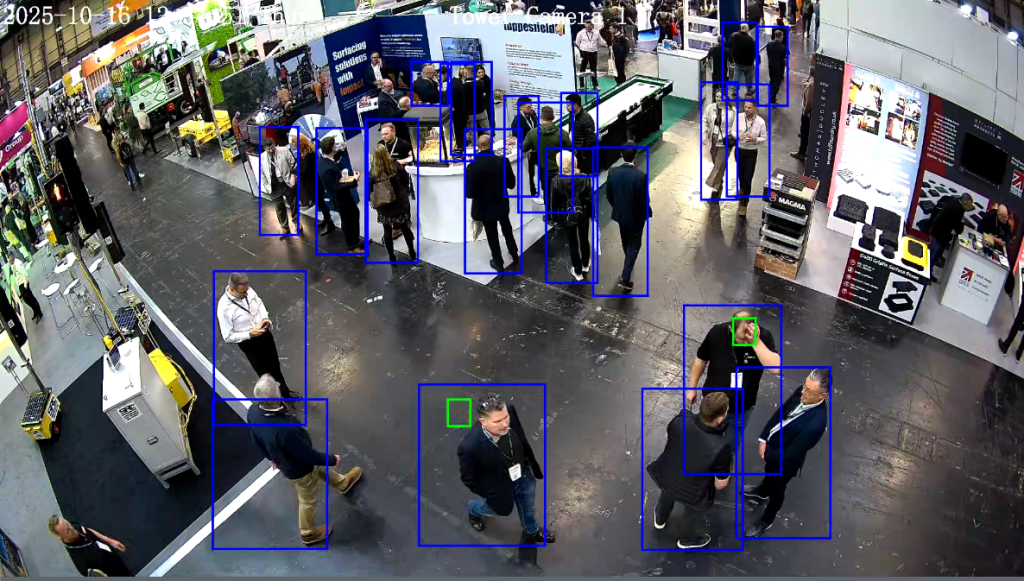
CCTV Towers & Mobile Solutions
Traditional wall-mounted cameras work well for buildings with existing infrastructure, but many security challenges require elevation and mobility that fixed installations cannot provide.
CCTV towers place cameras at height, providing panoramic views across large open areas like construction sites, festivals, car parks and agricultural land. These elevated systems overcome obstacles that limit ground-level cameras, including fencing, vegetation, terrain variation and sheer distance.
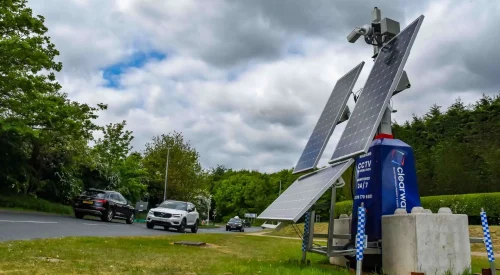
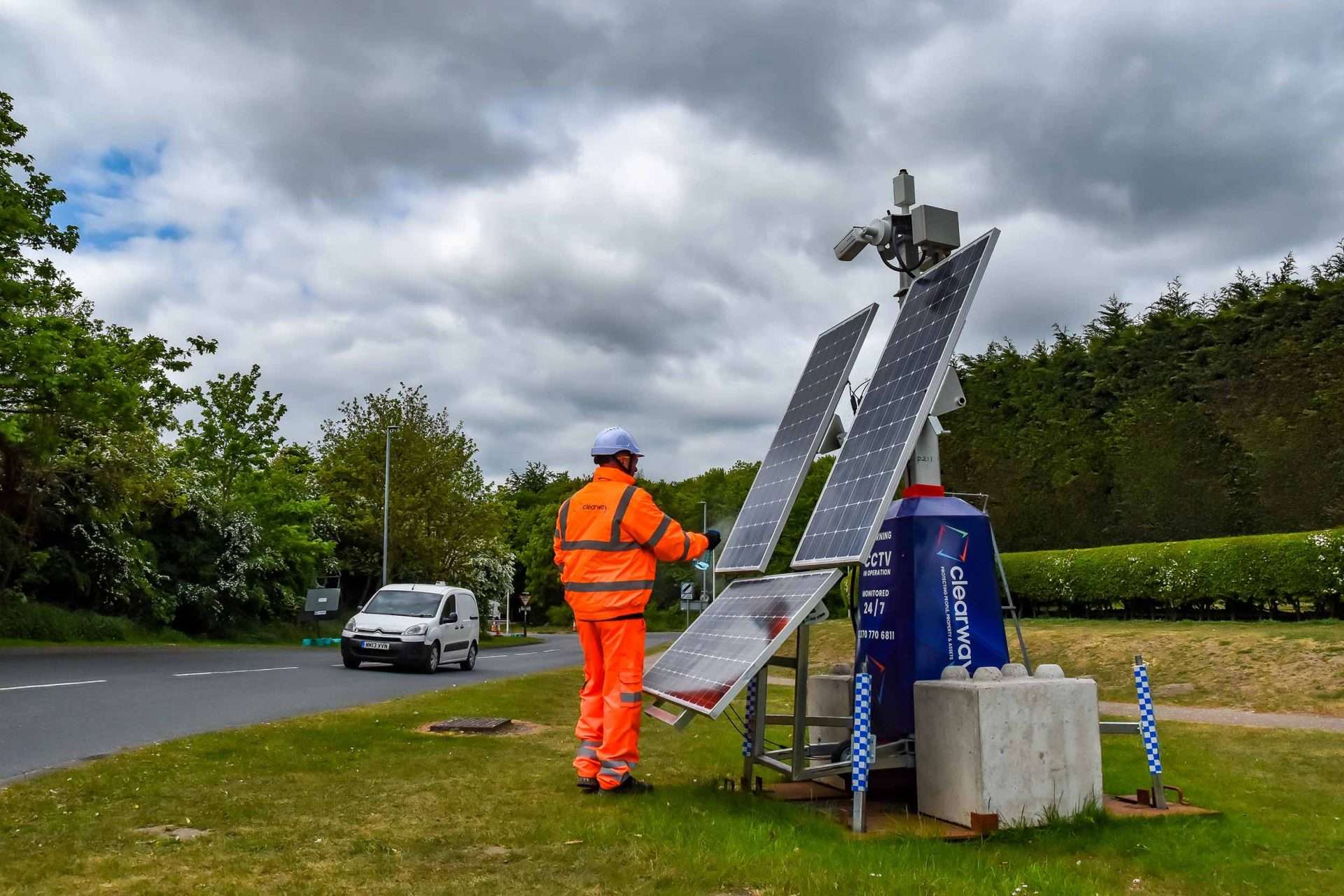
Mobile towers can be deployed rapidly, moved between locations as needs change, and removed entirely when projects conclude. For temporary sites, remote locations, or properties lacking existing structures for camera mounting, towers often represent the only practical surveillance solution.
This section explores when towers make sense, the different types available, and how they compare to alternative elevated solutions.
Understanding CCTV Towers
- All you need to know about CCTV Towers
- What to look for when choosing a CCTV Tower
- CCTV towers -Overview of our tower-based security
- Different types of CCTV towers explained
- What CCTV towers can be used for – Applications and use cases
- Common Myths about CCTV Towers
- How are CCTV towers used on construction sites?
- What are the legal implications of CCTV Towers? – The laws and rules of CCTV Tower usage
- Benefits of static CCTV towers – Permanent elevated surveillance
- Mast cameras vs CCTV towers: what’s the difference? – Comparing elevated solutions
Construction sites moving through different phases, festivals operating for just a few days, farms protecting distant fields, and vacant lots awaiting development all benefit from the flexibility and coverage that towers provide.
Whilst they represent a higher initial investment than simple wall-mounted cameras, towers often prove more economical than attempting to achieve equivalent coverage with multiple ground-level cameras and extensive cabling infrastructure. If your site is large, temporary, or lacks conventional mounting options, towers deserve serious consideration.
CCTV Laws & Legal Compliance
Operating CCTV legally in the UK requires more than simply installing cameras and recording footage. Data protection legislation, privacy laws and sector-specific regulations create a complex legal framework that all CCTV operators must navigate.
The consequences of non-compliance range from civil complaints and ICO enforcement action to substantial fines and, in extreme cases, criminal prosecution.
Even well-intentioned CCTV installations can breach the law if cameras capture neighbouring properties without justification, footage is retained for excessive periods, or audio recording violates privacy expectations.
This section clarifies your legal obligations, explains what you can and cannot do with CCTV, and highlights specific scenarios that raise particular legal concerns. Understanding these rules from the outset ensures your security system protects you legally as well as physically.
Core Legal Requirements
- UK CCTV laws: what you can and can’t do – Comprehensive legal overview
- The rules for operating CCTV legally – Your obligations as a CCTV operator
- CCTV and GDPR compliance – Data protection requirements
- Is CCTV personal data? – What footage should be classed as personal data?
Specific Legal Questions
- Are CCTV cameras allowed in toilets and washrooms? – Privacy laws in sensitive areas
- How long should you keep CCTV footage? – Retention requirements and best practice
- Do I need signs for CCTV? – CCTV signage best practice
Legal compliance isn’t optional or bureaucratic box-ticking; it’s fundamental to operating CCTV responsibly and avoiding potentially serious consequences.
The ICO has issued substantial fines to organisations that misuse CCTV, and individuals have successfully claimed damages for privacy violations.
By understanding your obligations before installation, you can design your system to achieve security objectives whilst respecting privacy rights.
This means careful camera positioning to avoid unnecessary intrusion, clear signage, documented policies on retention and access, and regular reviews to ensure your system remains proportionate and necessary. Get the legal framework right from the start, and you’ll avoid costly retrofitting or enforcement action later.
CCTV Monitoring Services
Installing cameras and recording footage is only half the security equation; the other half is actually watching what your cameras capture and responding appropriately to incidents.
Many organisations install sophisticated CCTV systems but lack the resources to monitor them effectively, meaning footage only gets reviewed after incidents have already occurred.
Professional monitoring services bridge this gap, with trained operators watching your cameras in real-time, identifying suspicious activity as it unfolds, and initiating immediate responses ranging from audio warnings to emergency service dispatch.
However, monitoring services represent an ongoing cost, and it’s important to understand what different monitoring levels involve and whether the benefits justify the expense for your particular situation.
This section explains how CCTV monitoring works, the different service models available, and helps you determine whether outsourced monitoring makes sense for your security needs.
Understanding Monitoring
- What CCTV monitoring is – Different monitoring approaches explained
- How CCTV monitoring works – The process from detection to response
- Is third-party CCTV monitoring right for you? – Outsourced vs in-house monitoring
Monitoring Services
- Professional CCTV monitoring services – 24/7 surveillance oversight
- CCTV monitoring in Manchester – Regional monitoring solutions
CCTV monitoring delivers the most value for high-risk sites where immediate intervention can prevent significant losses, such as construction sites vulnerable to overnight metal theft, or retail premises experiencing regular shoplifting.
For lower-risk environments where CCTV primarily provides evidence after incidents rather than preventing them, the ongoing cost of monitoring may not be justified.
Consider your typical threat profile: if incidents are rare and generally discovered quickly anyway, self-monitoring with motion alerts to your smartphone might suffice. However, if your site regularly experiences security incidents where minutes matter, professional monitoring transforms CCTV from a passive recording system into an active security service that protects your property around the clock.
Planning Your CCTV Installation
Proper planning is the foundation of an effective CCTV system. Rushed installations that skip essential planning steps often result in cameras positioned in the wrong locations, insufficient coverage of critical areas, and systems that fail to meet legal requirements.
Taking time upfront to conduct site surveys, identify vulnerable areas, consider lighting conditions, plan cable routes, and understand your storage needs will save you from expensive modifications after installation.
Budget considerations matter too; CCTV costs vary enormously depending on camera quality, system complexity, installation requirements and whether you purchase or hire equipment.
This section provides practical guidance for planning your installation, from initial site assessment through to final testing, and helps you understand the true cost of ownership including installation, maintenance and potential monitoring fees.
Installation Planning
- Comprehensive CCTV installation checklist – Everything to consider before installation
- How to position CCTV cameras effectively – Optimal placement for coverage
- How much does CCTV cost? – Pricing guide for different systems
Hire vs Purchase
- CCTV hire options – Temporary rental solutions
Thorough planning prevents the common mistakes that plague poorly designed CCTV systems: cameras pointed at the ground, blind spots in critical areas, inadequate storage causing overwriting, and cables installed where they’re vulnerable to damage.
Using a comprehensive checklist ensures you consider every aspect from power supply and network connectivity to signage requirements and data protection compliance.
Whilst planning takes time upfront, it’s far less time-consuming and expensive than retrofitting a badly designed system. Whether you’re installing two cameras or two hundred, invest the effort in proper planning and you’ll end up with a system that actually delivers the security coverage you need.
Maintaining Your CCTV System
Installing CCTV is not a “fit and forget” solution; like any technology, cameras and recording systems require regular maintenance to ensure they continue functioning properly when you need them most. Environmental factors constantly degrade camera performance: lenses accumulate dust and grime, spiders build webs across camera housings, weather damages external cabling, and vegetation grows to obscure previously clear views. Recording equipment can fail due to hard drive deterioration, power surges, or software glitches. Without regular maintenance, you might only discover your cameras haven’t been recording when you urgently need footage of an incident. This section outlines the maintenance tasks necessary to keep your CCTV system reliable, provides troubleshooting guidance for common problems, and helps you decide whether to handle maintenance in-house or contract it to professionals.
Ongoing Maintenance
- Professional CCTV maintenance services – Scheduled upkeep and inspections
- CCTV maintenance checklist – DIY maintenance tasks
Troubleshooting & Repairs
- Common CCTV problems and how to fix them – Solutions to frequent issues
- What to do when CCTV cameras stop working – Step-by-step troubleshooting
- How to keep spiders off CCTV cameras – Preventing wildlife interference
Regular maintenance is the difference between CCTV systems that reliably protect your property for years and expensive installations that fail precisely when needed.
Many businesses only check their cameras after an incident, only to discover they’ve been recording blank screens for months due to a loose cable or failed hard drive.
By implementing a simple maintenance schedule, you ensure your investment continues delivering security value throughout its lifespan.
Whether you assign maintenance tasks to internal staff or contract them to professionals, the key is consistency: quarterly checks as an absolute minimum, monthly for critical systems, and immediate attention to any anomalies spotted during routine reviews.
CCTV Solutions & Services
Understanding CCTV technology and planning your system are important steps, but most organisations ultimately need professional installation and support to ensure their security investment performs reliably.
This section outlines the which CCTV solutions are available, from initial consultation and system design through to installation, commissioning and ongoing support.
Whether you need a simple two-camera system for a small shop or a complex multi-site installation with advanced analytics, working with experienced CCTV professionals ensures your system is specified correctly, installed to industry standards, and supported throughout its operational life. We’ll explore the full range of services available and the regional coverage options that bring professional CCTV expertise to your location.
Complete CCTV Solutions
- Comprehensive CCTV solutions – End-to-end security systems
- CCTV services overview – Professional installation and support
- General CCTV information – Company capabilities
Regional Services
- CCTV services in London – Capital city installations
- CCTV towers in London – Mobile surveillance in Greater London
- CCTV services in Swindon – South West England coverage
Whilst it’s possible to purchase CCTV equipment online and attempt DIY installation, professional solutions typically deliver superior results with less frustration and better long-term value.
Experienced installers understand camera positioning, lens selection, lighting considerations, and network configuration in ways that prevent the common mistakes that plague amateur installations.
They navigate building regulations, ensure electrical work meets standards, and configure systems properly rather than leaving you struggling with incomprehensible manuals. For anything beyond the simplest residential installation, professional CCTV solutions represent a worthwhile investment that ensures your security system actually works as intended from day one.
Real-World CCTV Case Studies
Theory and specifications only tell part of the CCTV story; real-world case studies demonstrate how organisations have successfully addressed specific security challenges using appropriately designed systems.
These examples showcase CCTV applications across diverse environments, from local councils using AI analytics to combat fly-tipping, to major logistics companies securing vast distribution centres with solar-powered towers.
Each case study illustrates how particular technologies and approaches solve distinct security problems, providing practical insights that can inform your own CCTV planning. Whether you’re protecting a similar type of facility or facing comparable security challenges, these examples demonstrate what’s achievable with well-designed CCTV systems and may inspire solutions for your own situation.
Public Sector Projects
- How Hull City Council uses AI CCTV to tackle fly-tipping – Environmental crime prevention
- CCTV preventing anti-social behaviour in Lancashire woodland – Rural crime reduction
Commercial Installations
- CCTV towers monitoring Amazon distribution centre – Large-scale logistics security
- Solar CCTV with ANPR for distribution centre – Sustainable vehicle monitoring
Specialist Applications
- Solar-powered CCTV for solar energy park – Renewable energy site protection
- Temporary solar CCTV where no mains power exists – Off-grid solutions
- CCTV solution for SIS sports pitches – Sports facility security
- K9 unit and CCTV tower site security – Combined security approaches
- CCTV tower installations overview – Multiple tower deployments
These case studies demonstrate that effective CCTV isn’t about deploying the most expensive or technologically advanced system available; it’s about matching the right solution to your specific challenges.
Hull Council didn’t need facial recognition or PTZ cameras to combat fly-tipping; they needed AI analytics that could identify dumping behaviour and capture number plates.
Amazon’s distribution centre didn’t need dozens of wall-mounted cameras; they needed elevated towers with the range to monitor their vast perimeter.
By understanding your primary security objectives and environmental constraints, then studying how organisations with similar challenges have addressed them, you can design a CCTV solution that delivers practical results rather than impressive specifications that don’t actually solve your problems.
Next Steps
This guide has covered everything from CCTV basics to advanced analytics, legal compliance to real-world applications. Whether you’re protecting a construction site, monitoring a car park, or securing a school, there’s a CCTV solution tailored to your needs.
Your CCTV Journey
Armed with this comprehensive knowledge, you’re now equipped to make informed decisions about your security requirements. You understand the different camera types and system architectures available, the legal framework you must operate within, and the advanced features that might benefit your specific situation. You’ve seen real-world examples of CCTV solving security challenges similar to your own, and you understand the maintenance commitment necessary to keep systems functioning reliably.
Taking Action
For personalised advice on the right CCTV system for your situation, consider consulting with security professionals who can assess your specific requirements and recommend appropriate technology, placement and monitoring options. A professional site survey will identify vulnerabilities you might have missed, whilst expert specification ensures you invest in capabilities you’ll actually use rather than paying for unnecessary features.
The security landscape continues evolving, with new technologies like AI analytics and cloud platforms constantly expanding what CCTV systems can achieve. However, the fundamentals remain unchanged: understand your threats, specify appropriate technology, install it correctly, maintain it diligently, and operate it legally. Follow these principles, and your CCTV system will protect your property, people and assets for years to come.