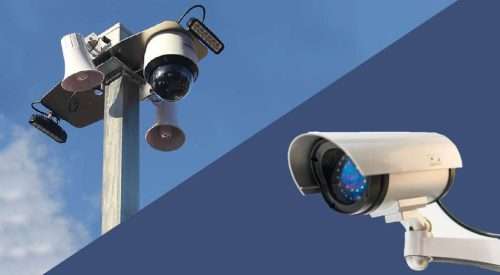


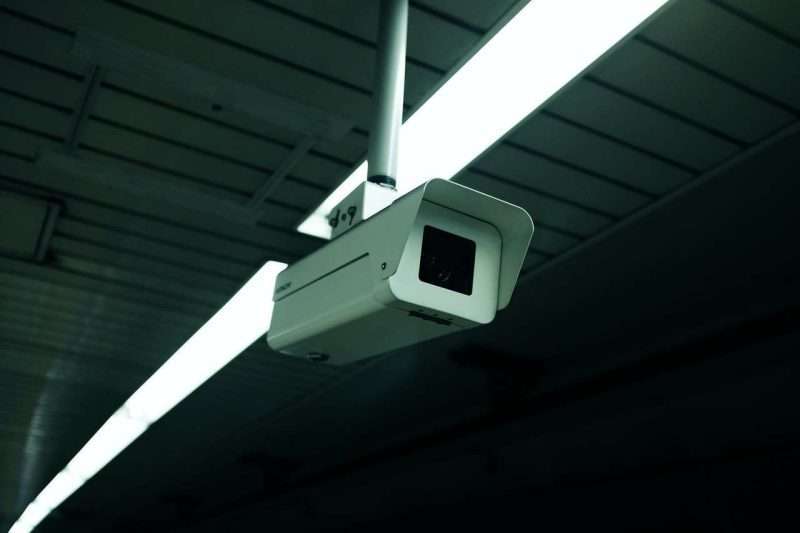
CCTV cameras with night vision are often described as having infrared or thermal features – and the difference is that although all thermal cameras are also infrared devices, thermal imaging is a specific function where cameras can pick up on heat signals.
Infrared works by using infrared radiation, which means cameras can ‘see’ movement and people in the dark. In contrast, thermal cameras incorporate additional features to detect infrared and convert it into a thermal image.
In short, any thermal vision camera you buy will be an infrared product, but some more basic infrared cameras aren’t advanced enough to capture thermal footage, which means the right options will depend on your risks and budget.
Infrared vs Thermal Cameras: Key Takeaways
- Infrared CCTV cameras are highly effective, cost-efficient, and widely available devices that provide high-resolution black-and-white images in low-light conditions.
- Thermal imaging cameras are more sophisticated and can see in total darkness, fog and smoke, creating colour-coded footage and highlighting heat signatures.
- Each device has numerous applications, with infrared cameras often used for overnight surveillance and thermal cameras designed for higher-risk settings where security systems must operate without visible light.
How Is Infrared CCTV Different From Thermal Imaging CCTV?
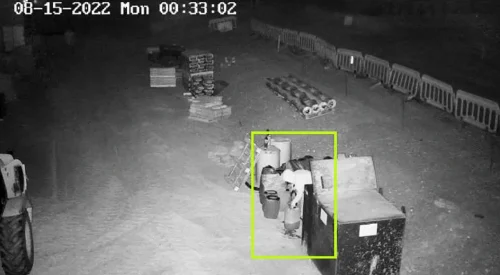
Infrared (IR) cameras use reflected infrared light to distinguish features and details when there is little natural or artificial light, whereas thermal cameras use thermal radiation and function even if there is absolutely no light at all.
Even basic night vision models can detect humans in low-light conditions and distinguish between people and wildlife, but the right options will depend on the setting and the reason for the night vision cameras. [1]
A summary of the main contrasts is below:
| Infrared CCTV Cameras | Thermal Imaging Cameras |
| Picks up on infrared radiation | Detects heat signatures |
| Operates well in low light and can be fitted with IR illuminators for total darkness. | Functions in total darkness, without being vulnerable to obstructions or smoke. |
| Suited to object identification, night vision applications, security threat detection and tracking vehicles. | Often used for higher-risk sites within perimeter security and covert intrusion threat detection. |
| Provides clear images that can be used to identify individuals and vehicle license plates. | Images aren’t always as detailed, but they can capture subtle heat variations that infrared cameras might miss. |
What Are the Main Applications for Infrared Surveillance Cameras?
Infrared cameras are primarily used at sites that require security monitoring of high-risk entrances or zones in low-light conditions. The image quality and detail in captures enable managers to detect unknown individuals or unverified vehicles.
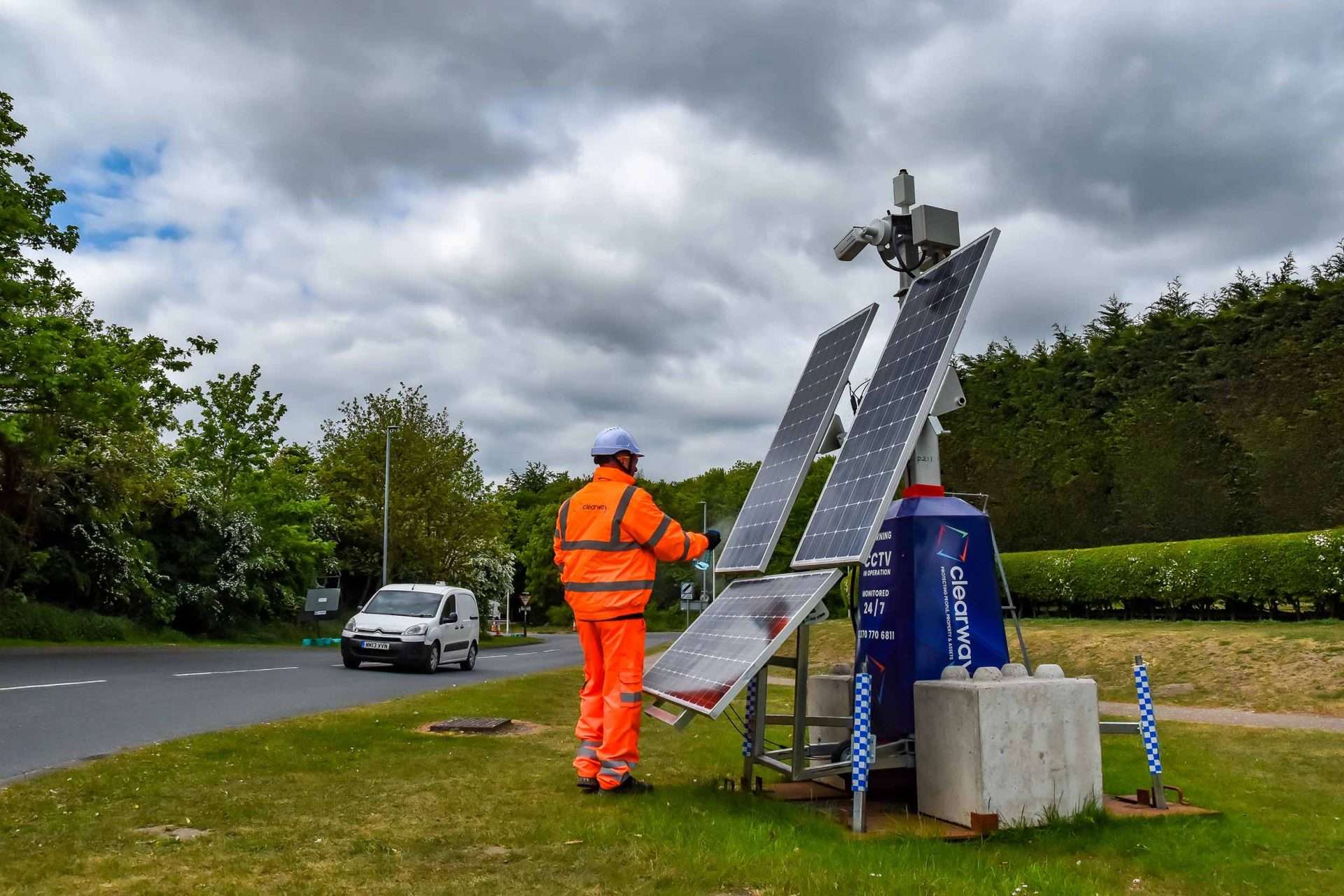
High-resolution night vision cameras are also used in various settings, including outdoor applications, and can be integrated with other security solutions, including professional CCTV monitoring. [2]
Infrared Cameras for Security Threat Detection
CCTV systems equipped with infrared can be used in almost any business or environment where security systems need to improve response times and ensure personnel have a fast way to detect and verify threats.
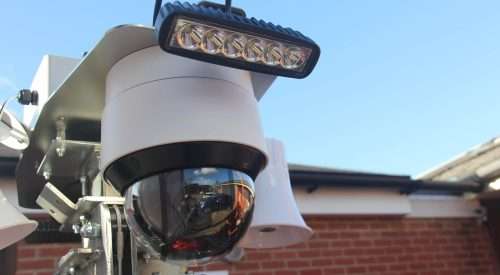
Fitted within multiple types of surveillance units, including dome cameras, infrared vision is accurate enough to capture facial features and objects, with the option to use AI-enabled analytics to automate responses and stand down false positives.
Car Park and Construction Site Controls
Infrared cameras can detect vehicle registration numbers and cross-check them against approved databases, or track suspicious or unrecognised vehicles, so guards can intervene if necessary.
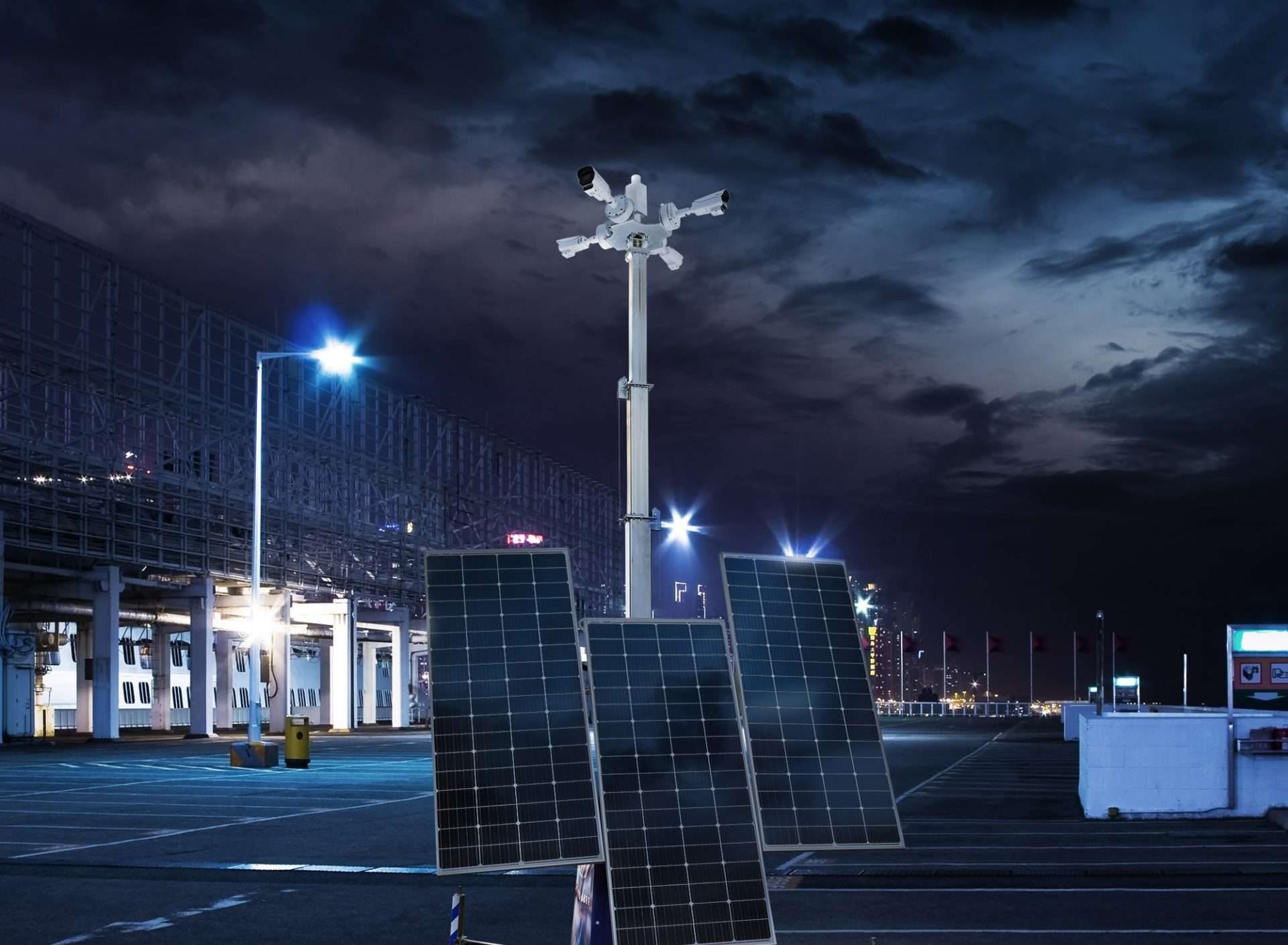
For car parks, loading bays and logistics and transport hubs, infrared cameras are preferred because the detail within captures surpasses that available from thermal cameras.
When Are Thermal CCTV Cameras Most Often Used?
The advantage of thermal cameras is that they are suited to areas with no natural light, frequent smoke, mist or fog, or trees and foliage that render infrared cameras redundant, including perimeter monitoring systems that use PIR sensors.
Thermal imaging can, for example, detect even small or distant heat signatures that indicate a person is trying to climb a fence or crawl over a perimeter line, even in storage spaces without lighting.
Industrial Applications of Thermal Cameras
The ability to detect heat signatures isn’t just relevant to security; thermal cameras are routinely used in industrial sectors where overheating risks can pose serious threats to health and safety.
While thermal cameras must be well maintained to provide preemptive alerts when machinery approaches an unacceptable temperature or shows signs of electrical faults, they can help prevent outages and accidents before they occur.
Discreet Overnight Security Monitoring
In some cases, businesses want visible cameras as a deterrent, but there are also situations where surveillance needs to be discreet or where operators must be mindful of the risk of breaching privacy regulations.
If security cameras aren’t permitted or appropriate, or there are concerns about collecting personal data, thermal imaging cameras can be ideal, detecting when a person is present but without collecting identifiable features.
How Can Businesses Choose Between Infrared vs Thermal Cameras?
Both of these night vision cameras can be beneficial, and the key is to think about what security or operational risks you need to prevent, and what your priorities are – whether immediate notification of movement on your site overnight, or highly detailed captures.
Clearway, says, ‘There has never been as much choice when it comes to proactive security and risk mitigation, but we’d never recommend one system over another for every site or premises.”
Generally, thermal cameras are a go-to for perimeter protection and rapid intrusion alerts, whereas infrared cameras are a better option if you need accurate, high-quality footage to help responders evaluate the appropriate response.’
Frequently Asked Questions
What Are the Drawbacks of Infrared Security Cameras?
Infrared cameras are often very effective, but they can be obscured by smoke, fog, and mist, and they can’t pass through water or glass, so you’ll need to consider where cameras are positioned and where potential breaches might occur.
Can a Thermal Camera Detect Infrared Radiation?
Yes, thermal cameras can detect infrared, but they can also detect heat signatures from machinery, humans, and wildlife.
References:
Related content
Hardwired or Fixed CCTV Cameras
Sat Mar 8 2025
Sun Aug 7 2022
Body Temperature Detection Camera
Wed Nov 24 2021