

Looking for PIR camera information? Get a quote
Do you have questions about PIR camera installation for your business? Clearway is a leader in CCTV installation, serving businesses all over the United Kingdom. Get in touch with Clearway and we can talk you through your options.

PIR (Passive Infra-Red) detection is a technology used in security systems to detect movement by sensing changes in infrared energy (heat) coming from people, animals, and other warm objects. PIR is the result of years of product innovation as security companies find new and innovative ways to detect the presence of intruders in commercial and domestic facilities.
Over the years, PIR sensors and cameras have been proven to be one of the most successful ways to effectively detect intruders, however, they’re not without their flaws. So what exactly is a PIR Sensor? And what is it about them that makes them so effective?
Key Takeaways
- PIR cameras detect motion by sensing heat (infrared) changes, not visible movement, so they trigger when a warm body moves through the sensor’s field.
- They can reduce false alarms compared to video-only motion detection because they are less likely to react to shadows, headlights, or moving foliage.
- Placement matters as much as the hardware. Avoid vents, direct sunlight, and rapid temperature changes, then tune sensitivity to match the space.
How do PIR Sensors work?
Radiation is produced by all objects that have a temperature greater than absolute zero. This energy is expressed in the form of heat energy. Because heat radiates as infrared wavelengths, much of this radiation is not visible to the human eye, however it can be detected by electronic instruments that have been specifically constructed for this purpose.
A passive infrared sensor detects the infrared light emitted by a warm object using passive infrared technology.
In the context of PIR sensors in burglar alarms, this technology is combined with a relay – a circuit component that passes across two contacts – to trigger an alarm. When the PIR sensor senses movement, it activates the relay, which interrupts the circuit and causes the alarm to sound.
PIR sensors, at their most fundamental level, work by detecting changes in infrared energy across their field of view, which is why steady background heat often does not trigger an alarm on its own. Two infrared-sensitive slots are located in front of the lens, and the range of detection is determined by the slots’ field of “vision”. While both slots are ‘idle’, the ambient amount of infrared sensed in the room (which is naturally emitted by all items) is the same on both slots while they are ‘active’. When an object, person, or animal moves through the detecting region, it is sensed by one of the slots before the other, creating a positive differential change as it passes through and a negative differential change as it exits.
Once the PIR sensor detects movement an alert is sent to the alarm panel which activates the alarm.
To keep PIR performance reliable, the sensor should be housed and positioned to reduce the impact of environmental disruption such as drafts, direct sunlight, reflective heat sources, and rapid temperature swings.
PIR units typically use a protective housing and an infrared-transmitting lens (often a Fresnel lens) designed to focus detection zones, so correct installation and placement do more to prevent nuisance activations than “heavy” materials.
The benefits of PIR
PIR motion sensors can have many benefits in commercial and residential settings. PIR cameras are often compared to motion sensor cameras, but PIR has a strong benefit over standard motion detection – the reduction of false alarms. Motion detection cameras cannot distinguish between leaf movement and a human intruder for example as they simply detect all types of movement. PIR only detects heat changes, resulting in more reliable triggers, common false triggers such as bugs, wind movement, leaves, etc aren’t picked up – saving you time and money on monitoring cost.
The main usage of PIR cameras in a commercial setting or construction site is to aid in the protection of vacant spaces. Whilst alarms are not exactly a preventative technology, they can be used to trigger a response should intruders breach your initial security measures. PIR technology can be installed in the following strategic locations to detect unwanted visitors:
- Back doors, entrances and access points
- Blind or hidden places near landscaping
- Near windows
- Site perimeters and car parks
How can you reduce false alarms with PIR (and standard motion detectors)?
PIR sensors are great at determining if you have an intruder or it’s just an animal, for example. They have a better accuracy level and can reduce false alarms overall. However, you should pay attention to some small details to further reduce the risk of false alarms from your PIR motion sensors.
Many false alarms will be caused by the placement of the alarm and sensors rather than the cost or quality of the alarm. This means that when installing wireless motion detector alarms, you should arrange them in places that maximise their efficiency while minimising false warnings.
Simple things like air blowing in close proximity or a rodent moving across the floor can still set off your alarm.
When installing PIR motion sensors, follow this basic placement checklist to reduce nuisance activations:
- Avoid positioning sensors directly facing windows or reflective surfaces
- Keep sensors away from HVAC vents or areas with strong air movement
- Avoid direct sunlight and locations with rapid or frequent temperature changes
- Set appropriate sensitivity zones based on the size and use of the space
Testing your alarm placement is best done after a false alarm occurs. Misfires in equipment and radio frequency interference can also create false alarms. First, rule out any of these issues. If in doubt, check the positioning of the camera. Examine the area around the motion detector to see whether it is causing random alarms.
PIR Security Cameras in action
Example 1: CCTV Towers for detecting motion in large areas
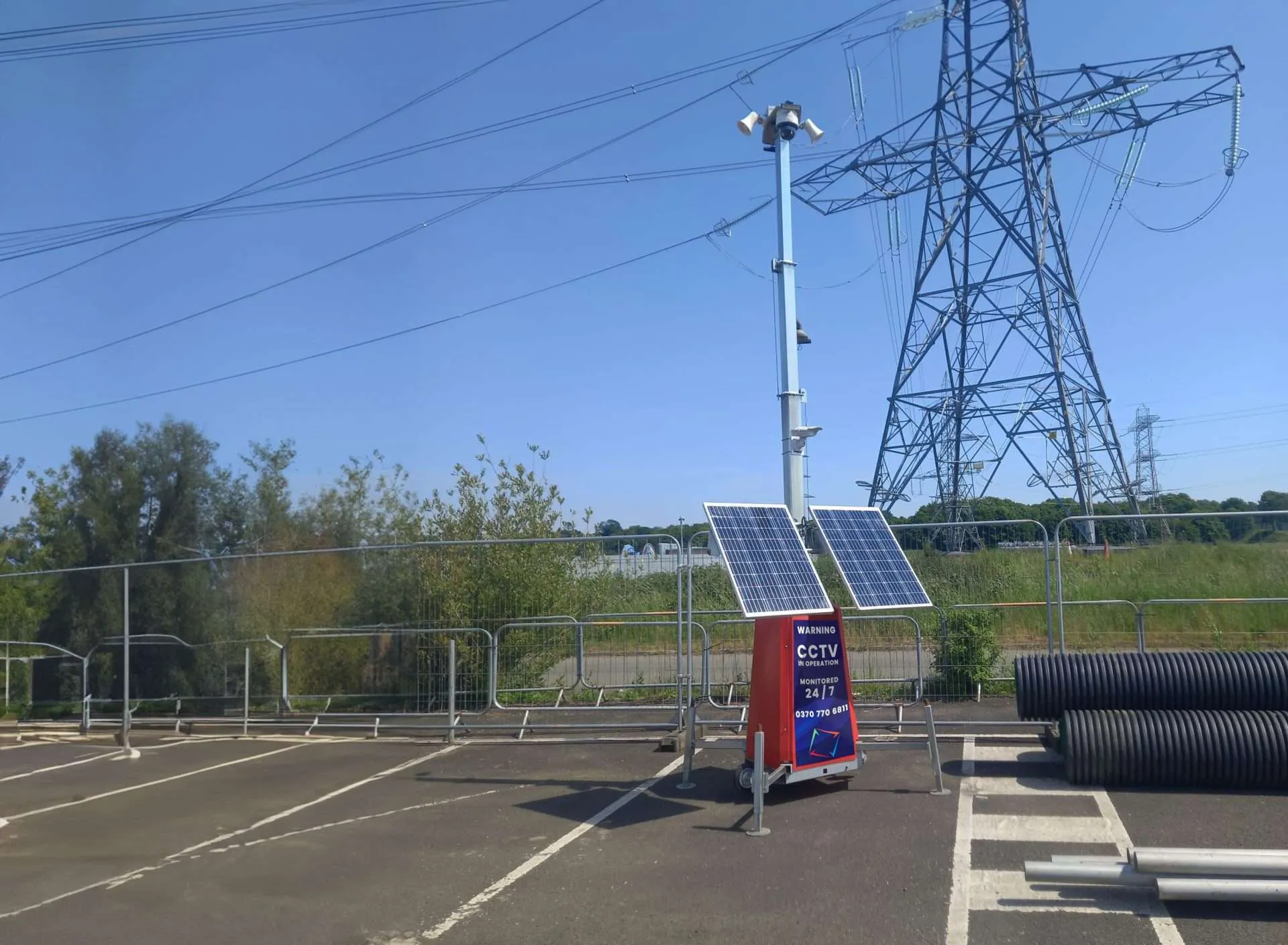
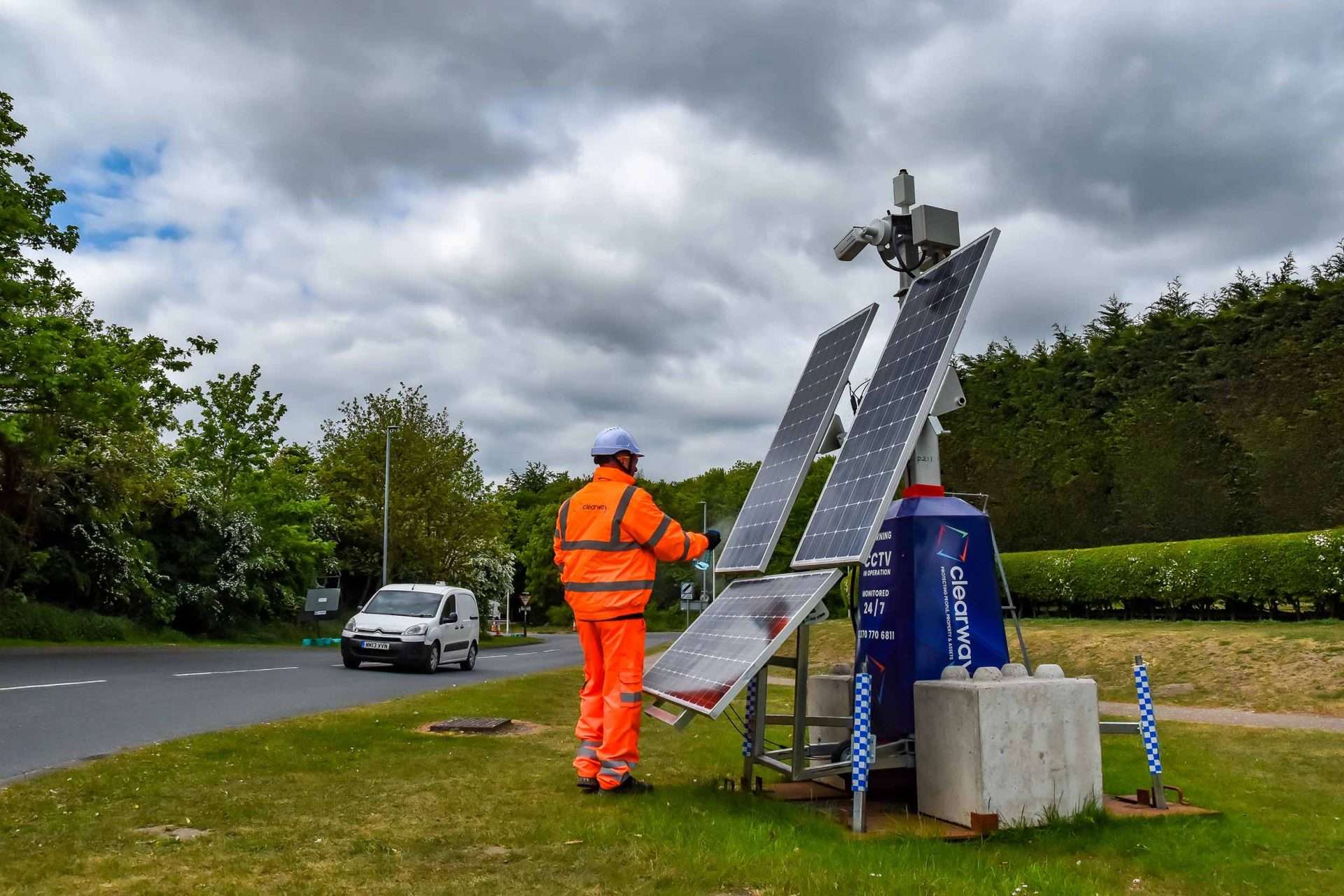
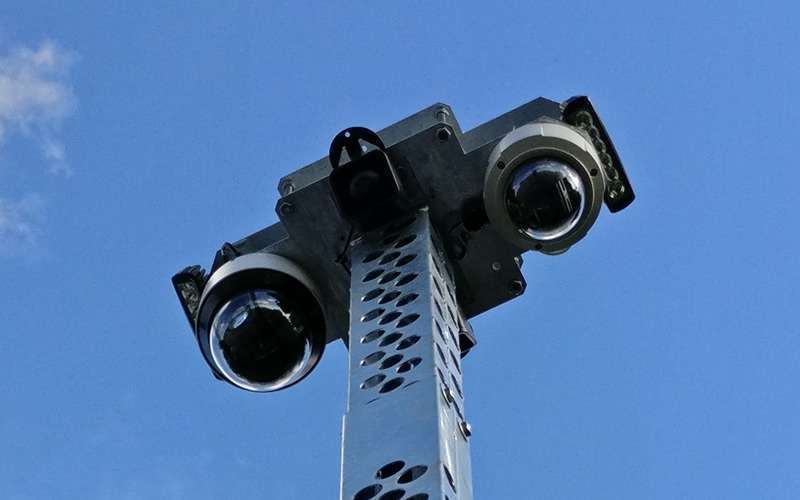
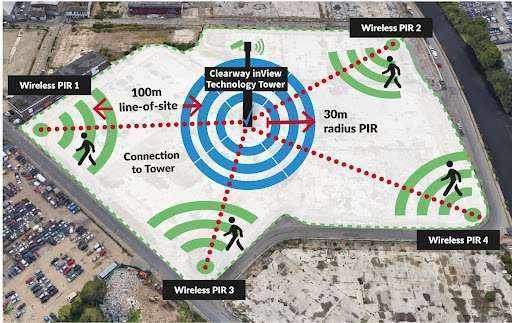
Clearway uses PIR technology, including in our CCTV tower set up. Our CCTV tower cameras are an effective solution for monitoring large outdoor spaces – especially in construction sites, large vacant areas and car parks. As you’ll see from the diagram, our inView CCTV tower can connect up to 8 remote, wireless PIR sensors, mounted up to 100m from the tower.
When a PIR is activated by an intruder, a live audio challenge can be used from the monitoring station to communicate with the intruders. Upon detection, each PIR will instruct the tower’s camera to rotate, zoom and focus on the cause of the activation. Our CCTV Tower is mains powered with a 24 hour integral back-up battery to provide continuous activation, recording and remote access.
Example 2: Void Property Alarms
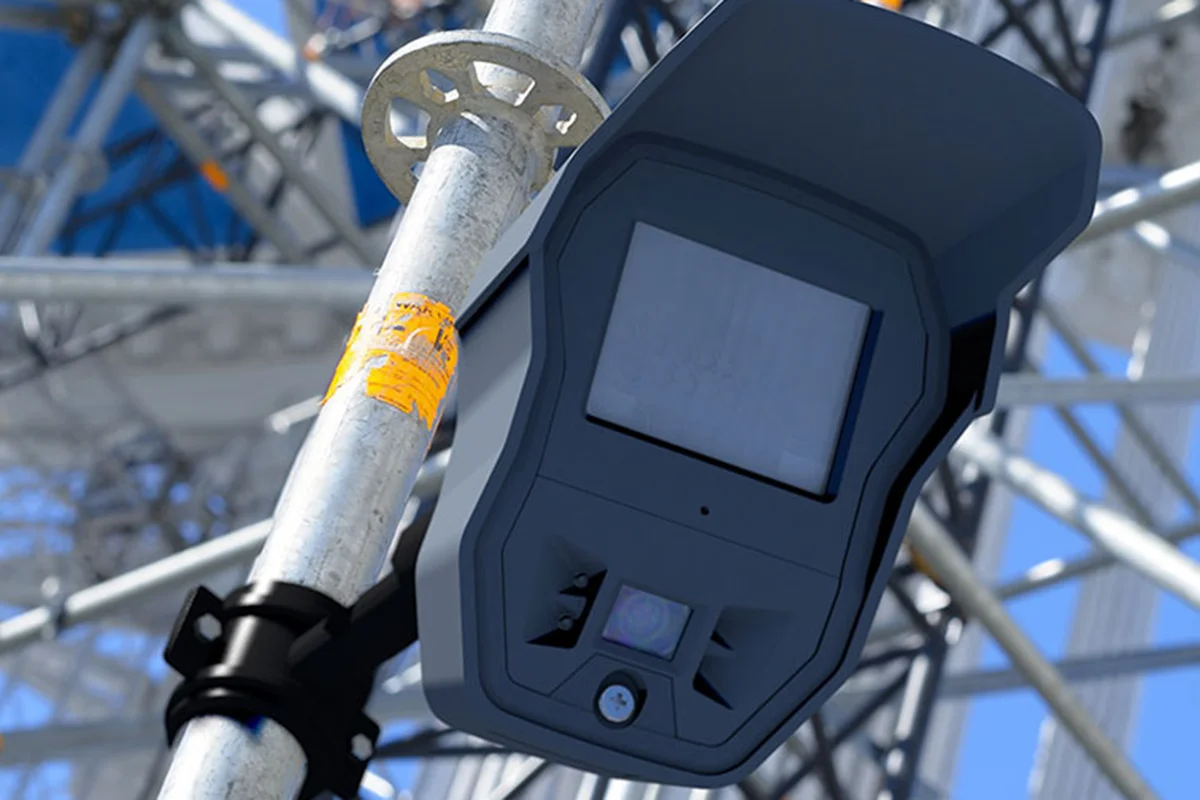
Clearway secure vacant residential and commercial buildings using PIR-triggered intruder detection systems (also called video verification alarms) which are:
- Wireless and battery-powered
- Quick to install without needing mains power
- Able to send instant alerts when unauthorised entry is detected
Used widely by housing associations, insurers, and property managers to:
- Prevent squatting or break-ins
- Reduce insurance risks
- Monitor internal movement without CCTV
3. Perimeter Protection (PIDS)
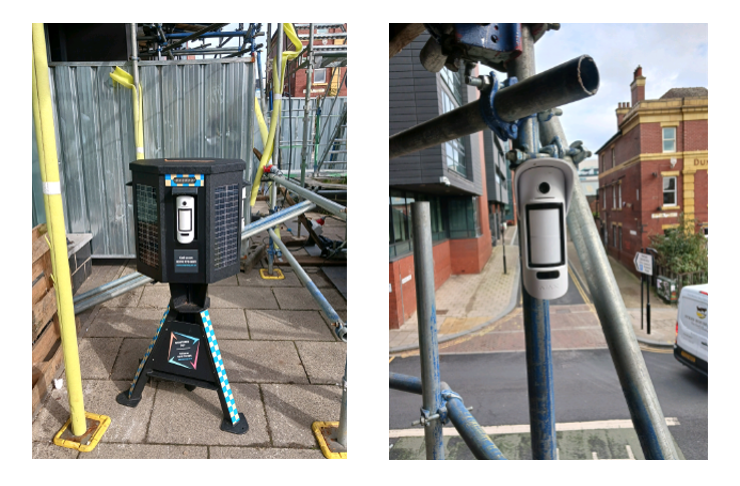
We also install PIR sensors around the perimeter of sites (PID security) as part of our remote video verification systems. This creates an invisible barrier that:
- Detects human movement around fences, entrances or gates
- Triggers nearby PTZ cameras to focus on the specific zone
- Reduces false alarms from wind, animals, or shadows compared to video-only detection
Using PIR technology for reliable site security
PIR cameras remain one of the most effective ways to detect unauthorised movement while keeping false alarms under control.
By responding to heat changes rather than visible motion, PIR sensors provide a reliable trigger layer for alarms, CCTV systems, and remote monitoring across vacant properties, construction sites, and commercial environments.
When PIR detection is combined with the right deployment, it becomes even more powerful. Solutions such as CCTV Towers allow rapid protection of large or temporary sites, while Video Verified Alarms provide an effective option for securing void residential and commercial buildings without permanent CCTV installation.
For sites that require early detection before access is gained, Perimeter Intrusion Detection (PID/PIDS) creates an invisible barrier that alerts monitoring teams the moment a boundary is breached.
Choosing the right PIR-based solution depends on your site layout, risk profile, and response requirements.
Frequently Asked Questions
Do PIR cameras work in complete darkness?
Yes. PIR cameras trigger from heat changes, and many models pair PIR with infrared LEDs or low-light sensors to record at night.
What causes false alarms on PIR sensors?
Common causes include poor placement near vents, direct sunlight, or rapid temperature shifts near the sensor’s view. Adjusting placement and sensitivity usually fixes most nuisance triggers.
Can PIR detect a person through glass?
Most PIR setups are not intended to detect through windows, and manufacturers commonly advise avoiding window-facing placement. Strong external heat sources can still cause issues even if people are not detected clearly through glass.
What’s the difference between PIR and video motion detection?
Video motion detection reacts to pixel changes in an image, so it can trigger on shadows, headlights, or moving foliage. PIR reacts to heat changes, which can reduce false alerts in many environments.
Are PIR cameras good for construction sites and vacant properties?
Yes. PIR is often used as a trigger layer for towers, alarms, and PTZ cameras so teams can verify intrusions faster and reduce wasted callouts.
If you’re looking to secure your assets, contact one of our specialists today on 01322 332211 and learn more about our PIR and wider security capabilities.
Recent posts
Security Trends for 2026: How Technology and Insight Are Reshaping Commercial Protection
Tue Mar 10 2026
Mon Mar 9 2026
CCTV Signage Rules: Do you need signs for CCTV?
Mon Mar 9 2026