

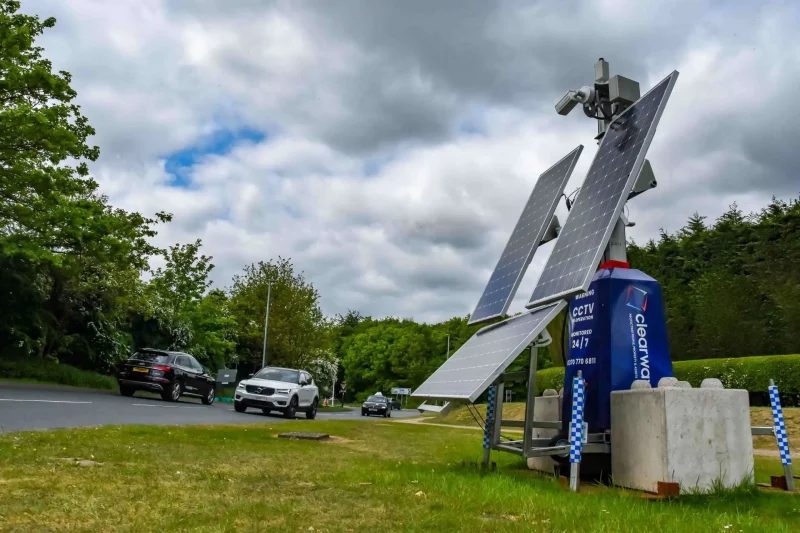
If you operate CCTV in the UK, you usually need clear signage to comply with data protection law. UK CCTV systems must comply with data protection and GDPR rules, which means that, yes, you will need to install visible signage that clearly communicates the presence of CCTV recording and the purpose of your cameras.
Legislation under the Data Protection Act 2018 and the UK GDPR [1] applies to CCTV in business sites, residential homes, and public spaces, and there are minimum requirements, such as providing contact details or the name of the business.
Let’s work through the CCTV signage rules, how to ensure you’re compliant, and best-practice advice for installing notices that tick all the boxes.
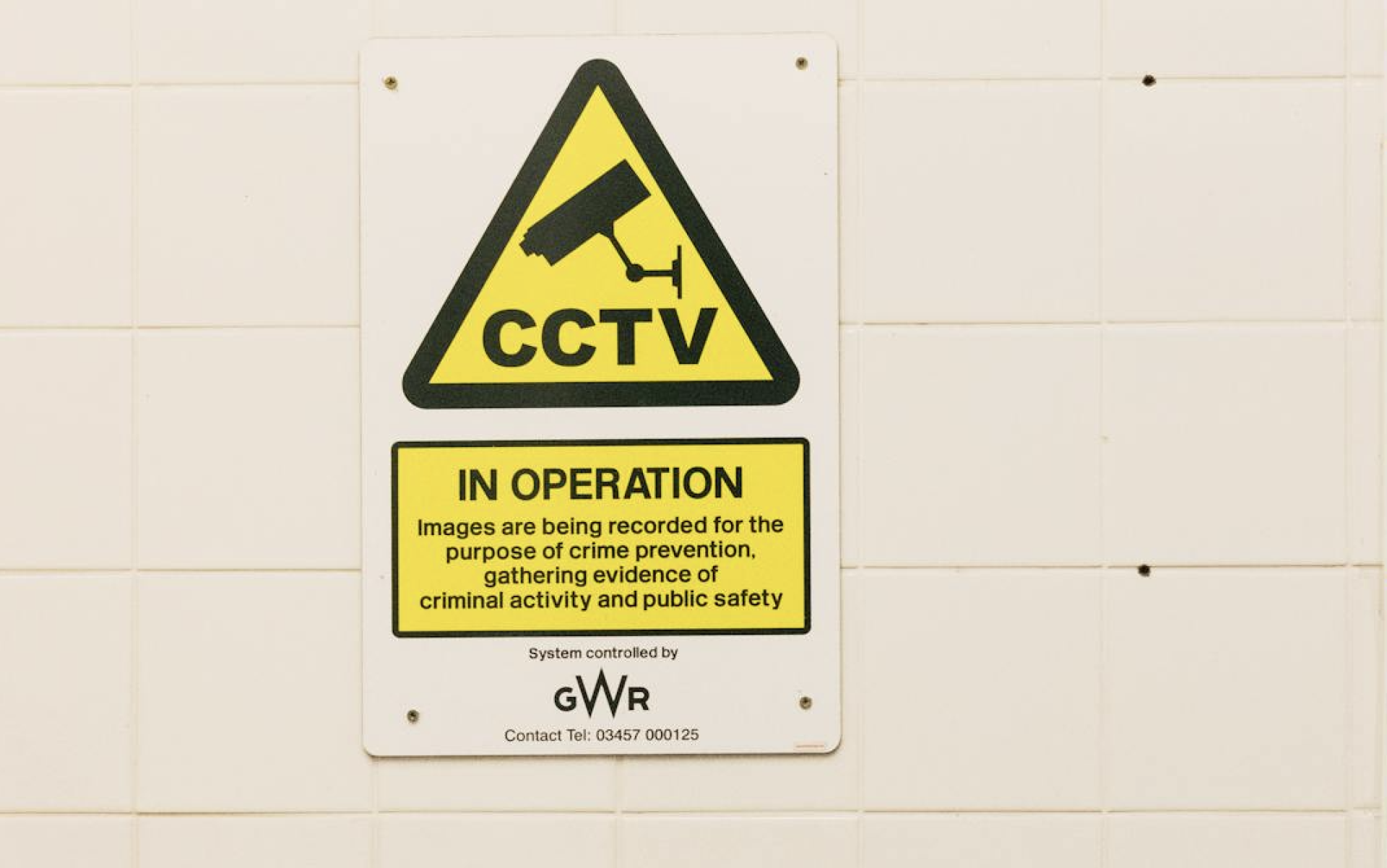
GDPR Compliant CCTV Signage: Key Takeaways
- All CCTV systems must comply with UK laws and regulations, including the requirement for signage that informs people that recording is taking place, by whom, and why.
- CCTV cameras used solely within a home aren’t subject to as many strict rules, but as a minimum, those used in workplaces or public access areas must have clear signage at all entry points.
- Businesses unsure whether their CCTV signage is adequate can review the official guidance on the Information Commissioner’s Office (ICO) website. [2]
Balancing the Benefits of CCTV With Regulations
CCTV has long been used as a way to deter crime and supervise buildings, but surveillance laws will almost always apply, covering what you can and can’t use CCTV for, and how to ensure your cameras are legal.
Alongside deterring trespassers and reducing break-in risks, CCTV can enhance productivity and the efficiency of work teams on construction projects. [3] However, it must be accompanied by clear signs explaining why the recording is in place.
The table below shares a quick recap of the main CCTV signage rules:
| CCTV Rule | Description |
| Signage clarity | Signs need to be clear and easy to read, showing who owns the CCTV, its purpose, and who to contact with any queries. |
| Position of signage | CCTV signs should usually be at least A4 size indoors and A3 size outside – but may need to be larger if they’re warning drivers that recording is taking place. |
| Workplace recording | There are strict rules for workplace CCTV, including where cameras are installed, how they are used, and how personal data is managed. |
| Camera positioning | Cameras can’t be used in places that are deemed private, or generally outside of the boundaries of your own property – even if the camera is on your premises but records the street or pavement beyond. |
| CCTV policies | Organisations using surveillance must have policies that cover things like who can access CCTV, how long footage is stored, and how it’s protected. |
Do Businesses Need Signage Immediately When Installing a New CCTV System?
Yes, CCTV shouldn’t be in operation without the right signage, and that applies just as much to temporary wireless CCTV systems as to permanent, fixed surveillance used in offices and workplaces.
‘It’s usually far better to talk with staff and visitors about a new CCTV system before it’s installed, because this ensures there aren’t misconceptions about what recording is there for, or who will be able to access it.’
Surveillance is a great way to improve safety and reduce risks, but signage rules are in place to protect individuals’ privacy rights, which is why we’d recommend a risk assessment and consultation before simply installing cameras and erecting signs without warning.
Staff who are advised of a plan to install CCTV can share feedback, ask questions, and, in many cases, will be reassured when they’re fully informed and have the peace of mind that a professional alarm response team will keep them safe.’
Key Locations Where CCTV Signs Should Be Installed
Entrances to the Monitored Area
Signs should be positioned at all main entry points to the space covered by CCTV.
Examples:
- Building entrances
- Gates to private premises
- Access points to construction sites
- Car park entrances
This ensures visitors see the notice before they enter the surveillance zone.
Reception Areas and Public Access Points
In commercial or public-facing buildings, signage should be visible in:
- Reception areas
- Lobbies
- Customer waiting areas
- Retail entrances
These locations reinforce that CCTV monitoring is in place.
Car Parks and External Areas
If cameras monitor external spaces, signs should be placed around the perimeter or entry routes.
Typical locations include:
- Car park entrances
- Delivery bays
- Service roads
- Yard access points
Inside Buildings Where CCTV Is Operating
If CCTV operates inside a building, signage should also appear within the monitored space, especially in:
- Corridors
- Warehouses
- Shared office areas
- Hotel hallways
- Industrial facilities
Construction Sites and Temporary Sites
For construction or temporary security setups, signs should be placed at:
- Site fencing
- Temporary gates
- Site offices
- Welfare areas
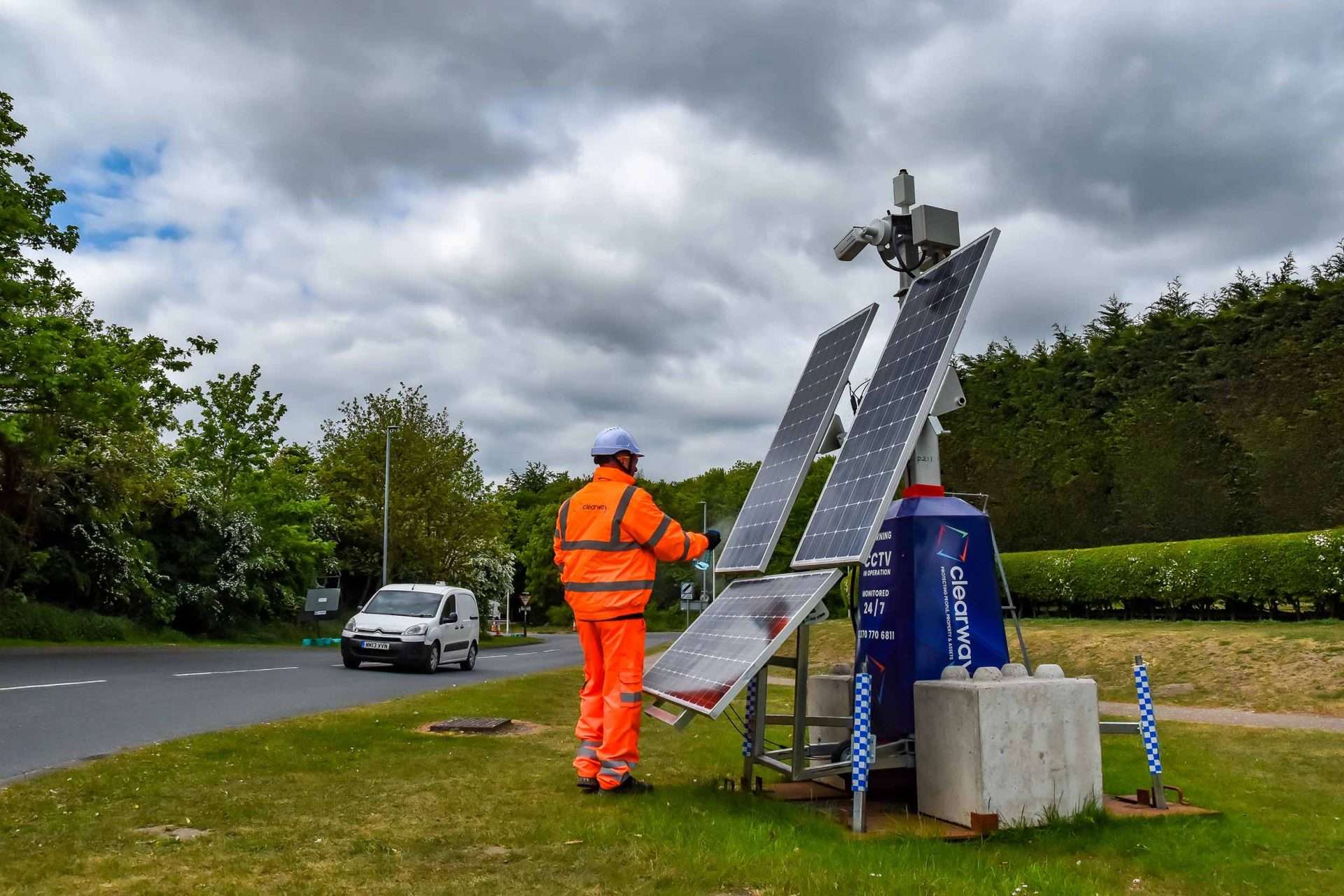
This is particularly important when using temporary CCTV towers or mobile monitoring units, as people entering the site must be aware that surveillance is active.
Where CCTV Signs Are Not Usually Required
Signage is generally not required in purely domestic situations where CCTV only covers private property.
However, if home CCTV captures public areas or neighbouring property, the homeowner may still need to follow data protection principles.
Practical Rule to Follow
A good rule used by security professionals:
If a person could be recorded by CCTV, they should be able to see a sign informing them first.
How Can Organisations Ensure They’re Complying With CCTV Signage Rules?
The best way to check that your signage is compliant is to speak with an independent security expert, to organise CCTV installations with expert advice, or to refer to online resources like the government’s Code of Practice. [4]
While the latter isn’t mandatory, it provides guidelines on how businesses can use CCTV cameras while remaining within all the rules.
Signs are, however, required to ensure CCTV is legal. They can both deter intruders by warning them of the presence of CCTV and ensure anyone recorded knows this and can exercise their rights, such as requesting all the information held about them.
What Is the Link Between GDPR and CCTV Signs?
GDPR is a set of regulations that dictate what businesses must do to protect the rights of data subjects – or anyone captured by your CCTV system. Rules include:
- Making sure CCTV cameras aren’t recording anyone outside of your premises or on someone else’s private property.
- Appointing someone in your organisation with responsibility for your CCTV, registering with the ICO and creating policies that say who can access images, and when information can be shared, such as when requested by the police.
- Creating a Data Protection Impact Assessment (DPIA) that examines how CCTV is used and how the business can mitigate potential harms or issues.
Organisations also need to ensure that all personal data is processed only in accordance with their policies, that data is managed fairly, and that information isn’t kept for longer than necessary.
Data must be protected from unauthorised access and used or viewed only by individuals approved to manage CCTV footage.
How Can My CCTV Installer Help With Signage?
Experienced security specialists can advise on all aspects of installing CCTV, from choosing the right cameras and systems to ensuring you’re covering all blind spots and complying with GDPR and data protection requirements.
This can include advice on where and how to install signage to ensure anyone being recorded is aware of this before entering the area under surveillance, designing signs that include all essential information, and checking that they are visible and clear.
Frequently Asked Questions
Is Signage Always Mandatory for Premises With CCTV?
Yes, because GDPR requires you to tell people that you have a live CCTV system in place, with signs in a place where they’ll be easily seen.
What Needs to Be Shown on CCTV Signage?
You’ll need to state that recording is taking place, provide a reason (e.g., for security purposes), and include the name of the business so anyone recorded knows who the CCTV cameras belong to.