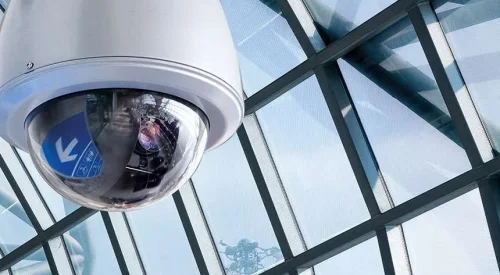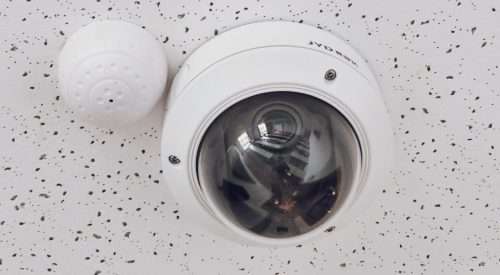


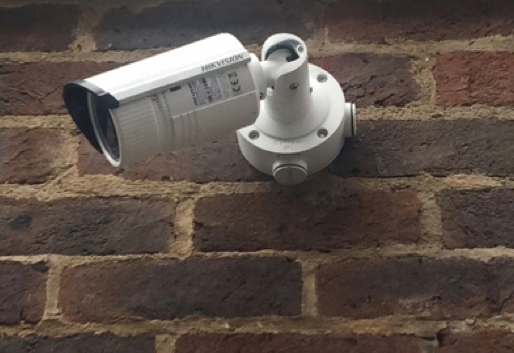
Traditional analogue CCTV remains a low-cost, functional option for many settings, but the speed, image clarity, and simplified installation of Internet Protocol (IP) cameras have made advanced surveillance increasingly in demand.
IP CCTV is generally considered better than analogue because it provides higher image quality, remote access, and intelligent monitoring, making it more effective for modern security needs.
The key difference between IP and Analogue CCTV lies in how these CCTV devices store and transmit data, and it’s important for businesses to understand these differences to avoid investing in surveillance equipment that won’t work well on their sites or won’t deliver the security protection they require.
In this guide, we’ll explain the functional differences, the reasons they matter, and some of the considerations to bear in mind before you pick a CCTV solution for your premises.
Comparing IP and Analogue CCTV: Key Takeaways
- IP CCTV cameras offer excellent quality, unlimited scalability, and advanced features such as AI analytics and encrypted transmissions, making them well-suited to protecting against a wide range of security risks.
- Simpler analogue systems can have good image quality, depending on the camera, but have only basic functions, no encryption, and require more extensive wiring to a fixed digital video recorder (DVR).
- While IP cameras cost more than analogue devices, they also cost less to operate over time, are faster to install, and are generally considered more suited to modern-day threats – but that doesn’t mean every single premise should immediately upgrade if this isn’t necessary.
How Do IP Cameras Work?
IP cameras capture video digitally at the camera itself using an onboard image sensor and processor. Instead of sending a raw video signal, the camera compresses the footage into data packets and transmits them over a network connection such as Ethernet, Wi-Fi, or mobile data.
This video stream is sent to a network video recorder (NVR), secure cloud storage, or a live monitoring centre, where it can be viewed in real time or stored for later review. Because processing happens at the camera, IP systems can run intelligent features such as motion detection, people and vehicle recognition, and event-based alerts, enabling proactive monitoring rather than just passive recording.
How do Analogue Cameras work?
Analogue CCTV cameras have been in use for decades, recording images and footage before transmitting the data via hardwired connections, usually through a coaxial cable connected to a DVR or similar device.
Analogue cameras send a basic video signal through a cable to a recorder on site. The recorder stores the footage so it can be watched later. The camera itself does not do much processing, which means image quality is lower, and the system is mainly used for simple recording rather than active monitoring.
That means the camera itself is purely the method of recording, and the data is stored and analysed elsewhere. A DVR can compress files, turning analogue data into digital, and these systems can be equipped with varied functions like:
- Motion detection
- Digital zoom
- Intelligent analytics
DVRs can be programmed to transmit processed or suspicious data over internet connections, and although they don’t incorporate the latest in next-gen surveillance technology, they’re still fairly efficient.
However, each camera must have an independent power supply and they are more complex to install than an IP camera due to the extra cabling.
Why Are IP CCTV Cameras Preferred Over Analogue
IP CCTV cameras are preferred over analogue because they deliver clearer images, smarter detection, and greater flexibility. IP cameras still record footage but can convert data into digital files within the camera unit immediately, enabling features such as motion detection at the point of capture.
IP CCTV can then circulate data, alerts, and alarms over local area networks, internet connections, or mobile networks such as 4G and 5G, improving the speed at which security responders receive each transmission.
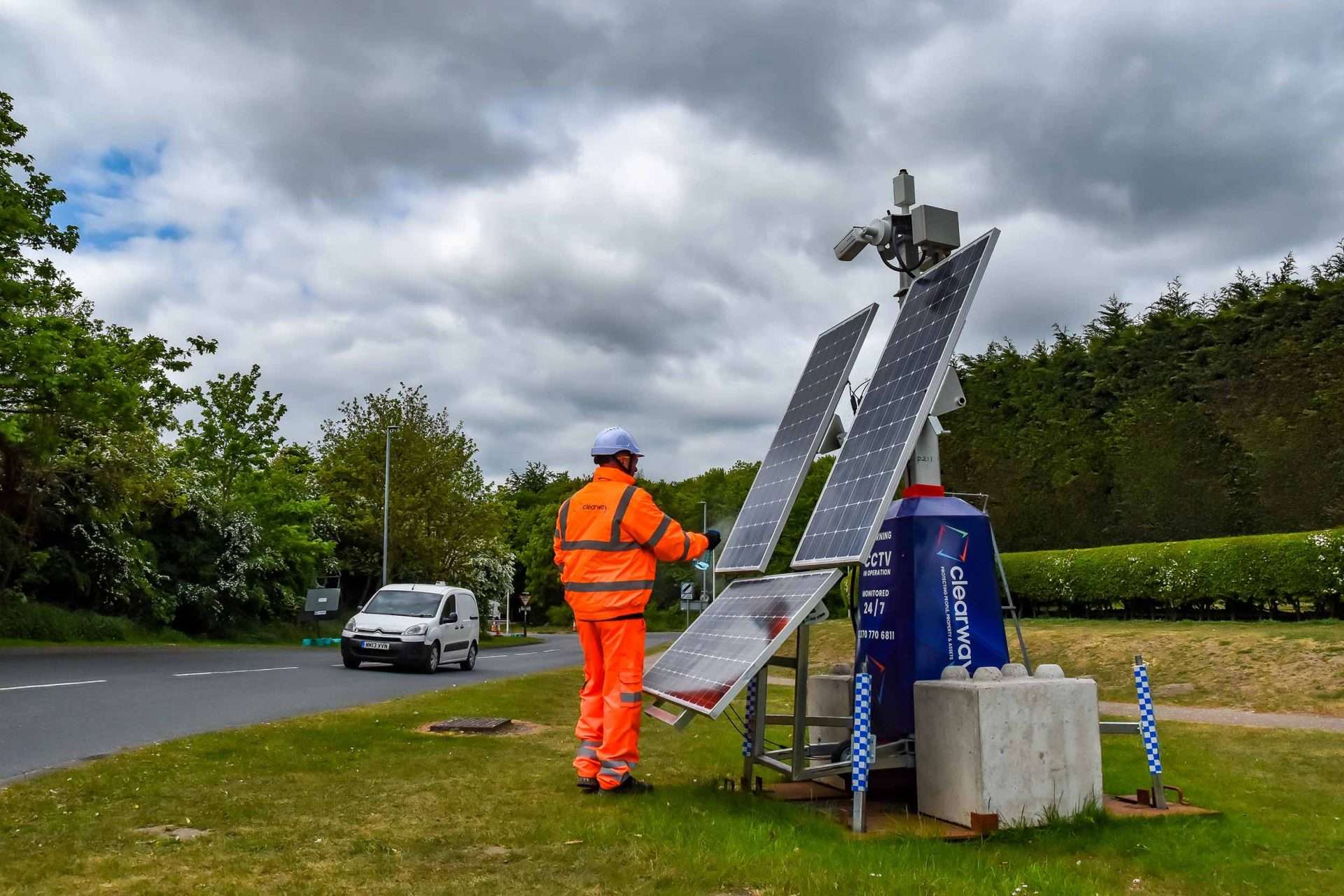
Wireless IP cameras work in much the same way but incorporate wireless access points and solar or battery power, ensuring that properties or perimeters without mains power can still install powerful, reliable surveillance.
What Is the Difference Between Analogue and IP Digital CCTV Cameras?
The table below summarises some of the major contrasts you should know:
| Analogue CCTV | IP CCTV | |
| Footage Quality | High definition is possible with modern cameras, but image quality can be poor in older installations. | Excellent image quality with improved motion detection and footage usually of 5 megapixels as standard. |
| Power Supply | Need separate cables for each function, such as one power cable, another for PTZ and another for communications. | Incorporate a single cable for all functions – making installation quicker and cheaper. |
| Field of Vision | Sites often need multiple cameras to cover the same area as a single IP camera. | Enhanced coverage, with digital zoom, which means one camera can offer several views without losing image quality. |
| Scalability | Complex and costly, as every additional camera will require a completely new set of wires and connections. | Easy to scale, with one power cable and simple connections and integrations with existing networks. |
| Data Security | Files are not encrypted when transferred to a DVR, creating a risk of data breaches. | Captures are encrypted at source, ensuring data is fully protected. |
Can IP and Analogue CCTV Systems Incorporate AI-Enabled Monitoring?
Smart analytics has become consistently in demand. It provides improvements in proactive security that ensure higher-risk sites can constantly monitor for suspicious or unwanted activity, but it is only suited to IP CCTV.
For example, IP CCTV can be updated with automatic PPE non-compliance detection to aid in health and safety compliance.
Security teams rely on surveillance to rapidly flag potential issues and need to respond quickly to mitigate risks or de-escalate tensions. Smart cameras speed up response times and issue emergency alerts when anything requires investigation.
In these situations, IP cameras are typically the better option, because they can be configured and programmed to recognise ‘normal’ events and differentiate between regular patterns of activity and those outside the norm.
Because IP cameras incorporate real-time analytics, backed by AI and machine learning, responsiveness is usually significantly better than when relying on analogue CCTV.
However, it remains essential for businesses and managers to be conscious of the security vulnerabilities and to consider factors such as 24/7/365 alarm monitoring and the strategic placement of each CCTV unit. [1]
Are There Limitations on How Far IP CCTV Systems Can Transmit Data?
No, and this matters because distances are one of the many practical considerations, especially if you have a large construction site or a complex layout and need to monitor all perimeters, which may be some way away.
Analogue cameras usually have a maximum distance of between a few hundred metres and about one mile, depending on the type of cabling being used, because data needs to be within range of the DVR.
IP cameras have no such constraints, as secure internet or mobile network access ensures each system can send alerts and share live feeds or captures with any mobile device, such as a remote monitoring team or an on-site guarding station, regardless of distance.
How Can I Choose the Best CCTV Cameras for My Premises?
As we’ve seen, IP-based surveillance doesn’t eliminate all potential security threats but has been shown to be effective in high-risk settings, including industrial, railway, and energy environments and can make your business safer and cheaper to insure. [2]
‘Generally, IP CCTV is the go-to if you’re looking for high-definition, scalable monitoring of your site, but smaller premises or individual units may find that more basic analogue CCTV remains sufficient, particularly if they’ve recently installed HD-Analogue that overcomes image quality limitations.’
The best way forward if you’re still unsure is to schedule an on-site risk assessment and consultation with an experienced security professional, who will review your requirements and premises and offer independent recommendations.
Frequently Asked Questions
Do IP CCTV Cameras Cost More Than Analogue CCTV Cameras?
Yes, IP cameras are highly effective and more complex devices that typically cost more than a basic analogue camera. However, they aren’t necessarily more expensive throughout their lifetime.
That’s because an analogue system requires more involved installation and wiring, and is costly to scale, making it difficult to add new cameras without a considerable outlay.
In addition, IP cameras can cover broader areas and offer PTZ capabilities that can perform as well as two or three analogue cameras, which may mean one premise or compound needs fewer devices at the outset.
Can Analogue CCTV Systems Be Integrated With Other Security Devices?
Not usually, no, and there is little doubt that IP cameras are a better option for smart building management and more complex sites, as they’re engineered to be integrated with other appliances and applications and are fully interoperable.
Interconnectivity is becoming the norm, with security teams using digital surveillance to monitor movement and activities, control gates and entrances, and track factors such as air quality – rather than simply installing CCTV to passively record.
How Can I Update My Surveillance System From Analogue to IP Cameras?
Upgrading your security can seem like a big undertaking, but with a knowledgeable team, it can be streamlined to avoid disruption and get your new system up and running quickly.
It’s important to audit your existing setup first, considering power sources, internet connections, and network infrastructure, and put everything you need in place without risking periods of vulnerability between a new camera being installed and an old device being disconnected.
Each IP camera will also need to be properly configured and tested, with settings customised to your site or unit. It’s strongly advisable to speak to an experienced CCTV provider who can project manage the installation for you.
References:
Related content
Sun Nov 24 2024
Sun Aug 7 2022
Tue Oct 18 2022