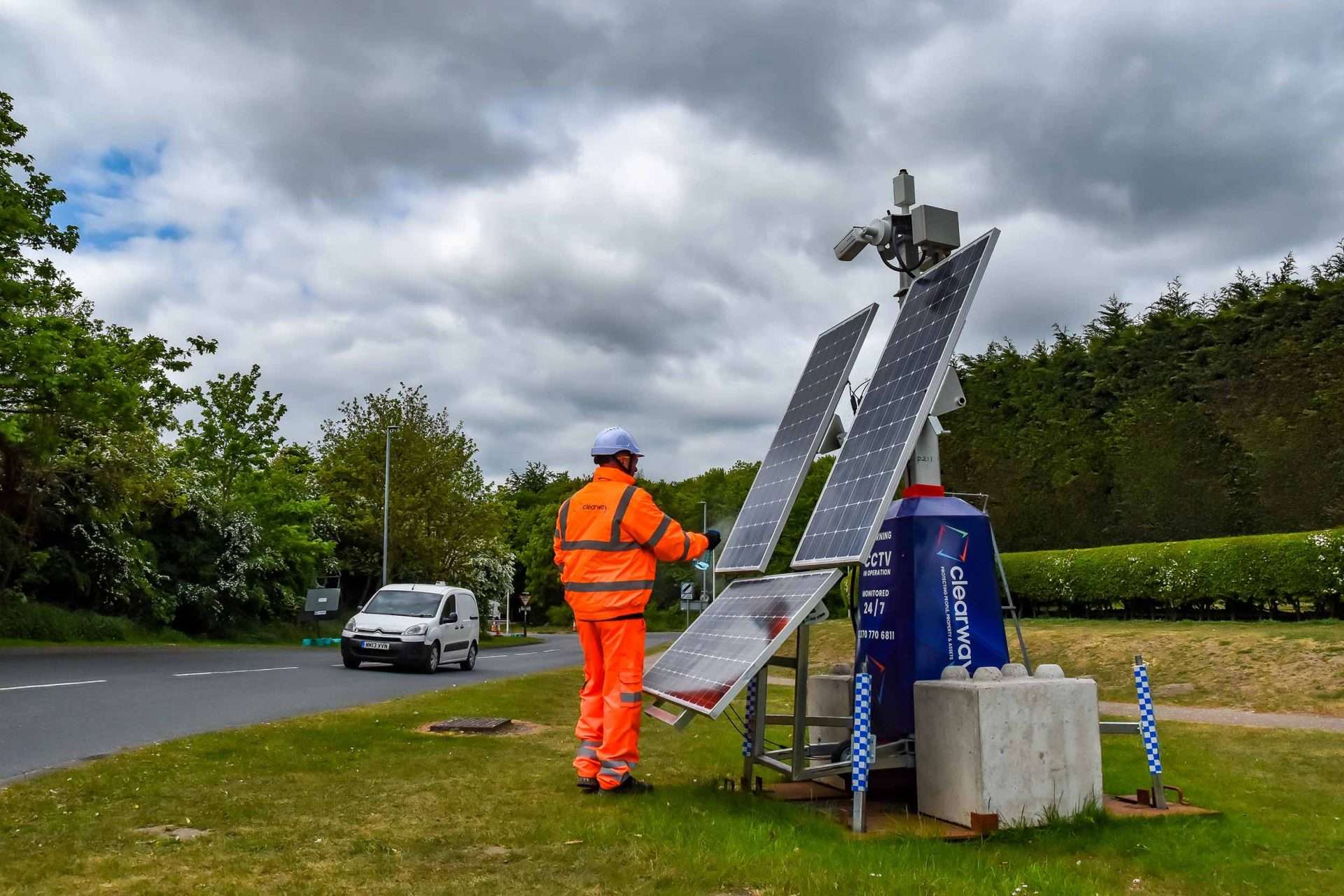



Wireless CCTV is an excellent option for businesses and settings that lack mains power, have unreliable power and frequent outages, or are in remote locations where laying cabling to connect an agricultural barn or construction site to the national grid would be prohibitively costly.
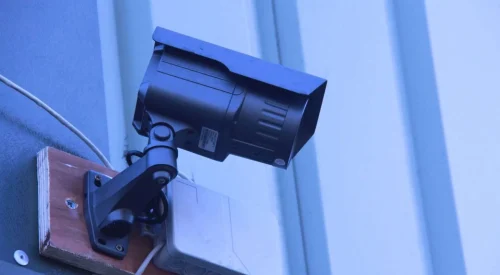
While there are many subcategories of wireless CCTV cameras, such as WiFi and cellular models, the primary difference is that these surveillance units aren’t dependent on mains electricity and operate on battery or solar power.
To clear up misconceptions about the reliability and effectiveness of wireless CCTV, we’ve shared an insight into how advanced wireless CCTV works.
How Wireless CCTV Works: Quick Takeaways
- Wireless CCTV replaces mains power with solar or battery power so that landowners, construction site supervisors, and remote or isolated businesses can install reliable surveillance without cables or wires.
- Wireless CCTV supports multiple communication methods.
- While some wireless CCTV units offer WiFi connectivity, sites without mains power often lack stable WiFi, making cellular connections more appropriate.
- As with all security devices, there are different types of wireless CCTV cameras, from household video verified cameras to commercial CCTV towers and wireless PIDS that are designed for commercial usage.

How Wireless CCTV works in 4 steps:
1. Wireless CCTV captures the video
The camera uses a built-in image sensor to capture video, just like a traditional CCTV camera. This can be continuous recording, motion-activated recording, or scheduled recording depending on the settings.
2. Data is then transmitted via the internet
Instead of sending footage through a cable, the camera transmits video wirelessly using one of the following:
- Wi-Fi to a home or site router
- 4G or 5G mobile data via a SIM card
- Local wireless connection to a base station or NVR
The footage is compressed so it can be sent efficiently without losing too much quality.
3. Video storage
Once transmitted, the footage is stored in one or more places:
- Cloud storage (accessible from anywhere)
- Local storage such as an SD card or recorder
- Hybrid setups that combine local and cloud backup
- Storage choice affects cost, accessibility, and how secure your footage is.
4. Remote access and alerts
You view live or recorded footage through:
- A mobile app
- A web dashboard
- A monitoring centre if professionally monitored
- Most wireless cameras also send instant alerts when motion, people, vehicles, or specific events are detected.
What functionality does Wireless CCTV have?
We’ll start by considering a standard-grade wireless camera to explain the technologies that power these devices and enable them to monitor a building, asset, or area without requiring wiring.
The power source for your surveillance system depends on the unit you’ve installed. Still, in most cases, it will be solar or battery power, or a combination of the two, utilising solar cells with backup batteries as a failsafe.
This operates the cameras, either for a standalone wireless device such as a video-verified alarm with an inbuilt camera unit, or for a mast-mounted CCTV solution, which then transmits the collected data.
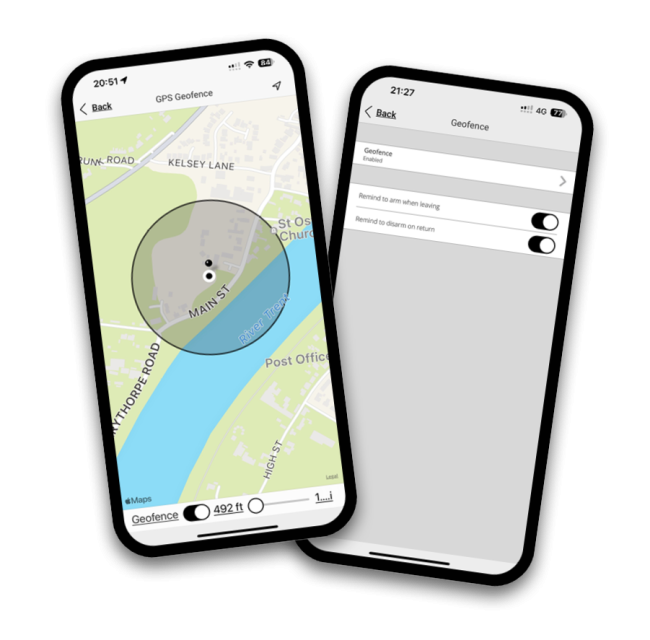
Interior cameras can be connected to a WiFi network to transmit video, live feeds, and security alerts. However, this isn’t always 100% reliable because WiFi signals can be intercepted or have poor signal strength.
Alternatives include using cellular networks or localised Bluetooth connections. However, the latter is only feasible if wireless CCTV cameras receive instructions and circulate alerts or footage to connected devices within a short distance.
Pros and Cons of Wireless vs Wired CCTV Surveillance
In many situations, wireless CCTV is an answer when there is no possibility of installing cabled surveillance units, and this is where this technology becomes most relevant, because wireless CCTV can:
- Be installed quickly, economically, and in any location
- Controlled and programmed remotely
- Incorporate additional features like AI-enabled behavioural tracking
However, there are also use cases for wireless CCTV where conventional units have been subject to attacks, such as having wires cut, or where the location of boundaries and perimeters at a distance from buildings and guarding posts necessitates surveillance that can function independently.
Related reading: Wireless vs Wired CCTV
Here’s a comparison table showing wired vs wireless CCTV:
| Feature | Wireless CCTV | Wired CCTV |
|---|---|---|
| Video transmission | Wi-Fi, 4G or 5G mobile data | Physical coax or Ethernet cables |
| Power requirement | Battery, solar, or mains powered | Mains powered |
| Internet dependency | Required for remote viewing | Not required for local recording |
| Installation speed | Fast and low disruption | Slower and more complex |
| Cabling | Minimal or none for data | Extensive cabling required |
| Flexibility | Easy to move or redeploy | Fixed once installed |
| Scalability | Simple to add or remove cameras | Requires new cabling |
| Best for | Temporary sites, vacant properties, events | Permanent buildings |
| Reliability | Depends on signal strength | Very stable connection |
| Video quality | High quality, may compress more | Consistently high quality |
| Maintenance | Battery checks and replacements | Low ongoing maintenance |
| Security | Encrypted wireless transmission | Physically secure cables |
| Cost (initial) | Lower upfront costs | Higher installation costs |
| Cost (long-term) | Possible data or cloud fees | Minimal ongoing costs |
A Closer Look at theTech Built Into the inView Wireless CCTV Tower
As we’ve noted, the specific features and functionality built into wireless CCTV cameras aren’t necessarily consistent across all models.
For example, a very basic battery-powered camera designed for use in a residential home will not perform as well as a commercial-grade, high-performance inView CCTV tower engineered to protect at-risk premises such as construction sites and large complexes.
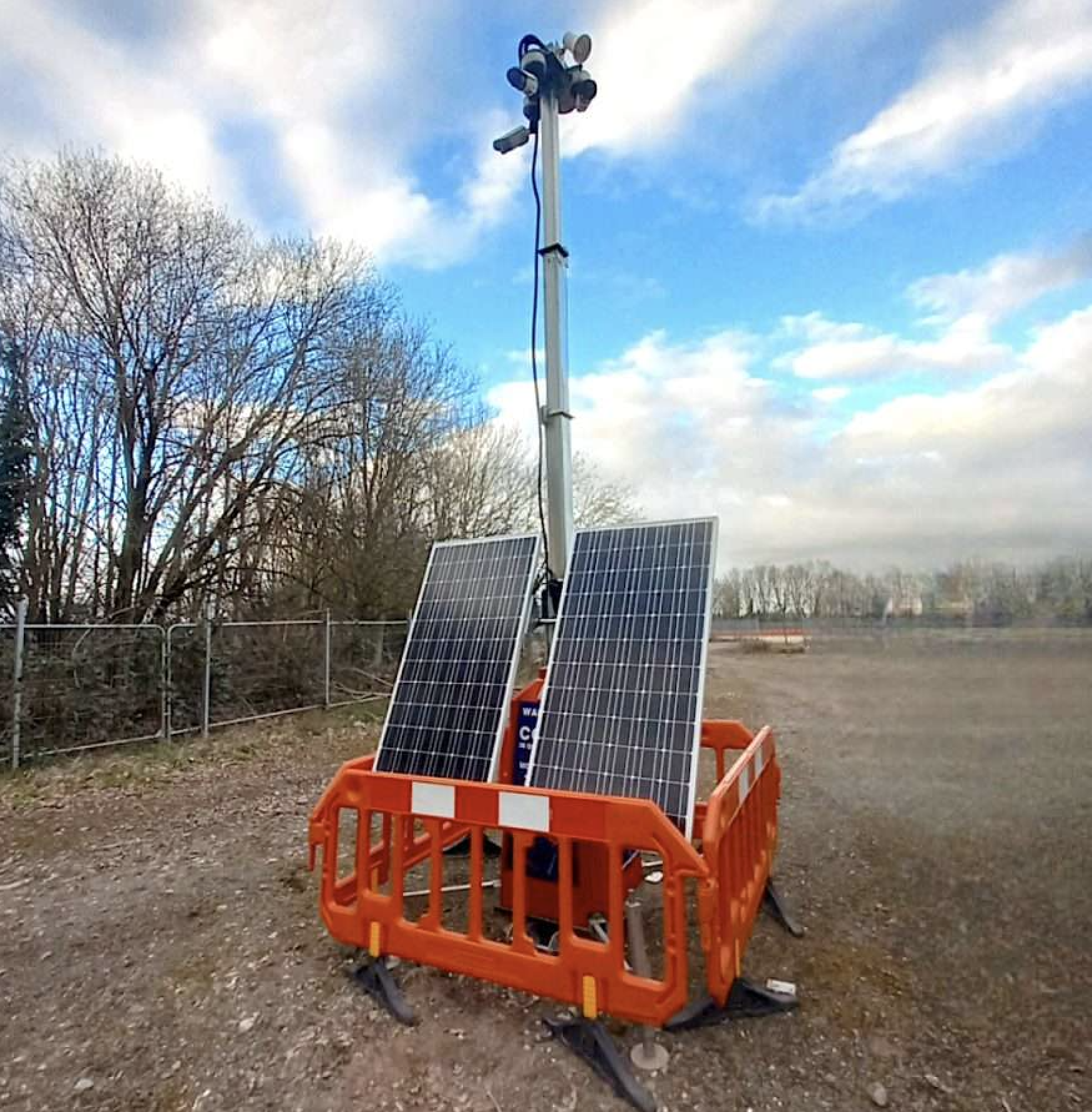
There are numerous features that enable these rapid-deployable surveillance units to be set up in minutes, while providing assurance of 24/7/365 monitoring and immediate transmissions to our Alarm Receiving Centre (ARC). They include:
- Three NDAA 4MP bullet cameras with low-light capabilities and sensor technology
- Smart-IR LEDs that have a 60 metre range of full HD capture overnight
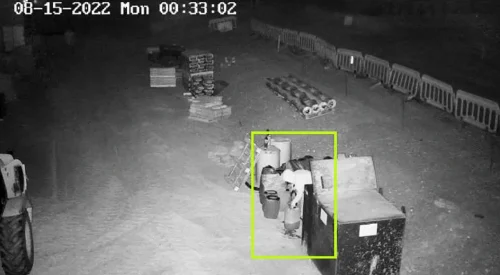
- Automatic recording and audible sirens when movement or activity is detected
- Mobile network communications with full weatherproofing for reliability
Business owners and supervisors can monitor their business CCTV system in real time via a mobile app, with rapid notifications of activations and supporting footage, ensuring the cause of the trigger can be swiftly identified to rule out false alarms.
What else can Wireless CCTV do?
Depending on the risks and security priorities in question, these CCTV towers can be integrated with more advanced tech, with some of the high-demand options including the following:
- AI-enabled monitoring, where cameras learn patterns and routines and pre-empt disturbances or attempted intrusions, such as raising an alarm when loitering or a stopped vehicle is detected.
- PPE monitoring, suited to construction, industrial and highway projects where management needs to know immediately if anybody on site isn’t complying with mandatory PPE policies.
- Automatic number plate recognition, which enables CCTV cameras to cross-check vehicles against approved databases and notify the appropriate parties when an unknown or unauthorised vehicle approaches.
- Environmental monitoring in both indoor and outdoor settings, using an air-quality system that collects data and tracks metrics such as pollutants, temperature, and dust levels.
These added features can integrate with other devices and security systems, such as using wireless CCTV to operate access controls, track footfall and traffic, identify vehicles leaving parking facilities without paying, or record vehicle speeds.
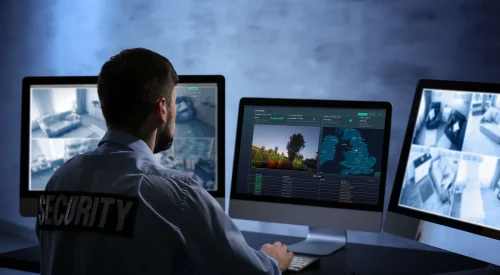
How CCTV Monitoring Enhances the Effectiveness of Wireless CCTV Cameras
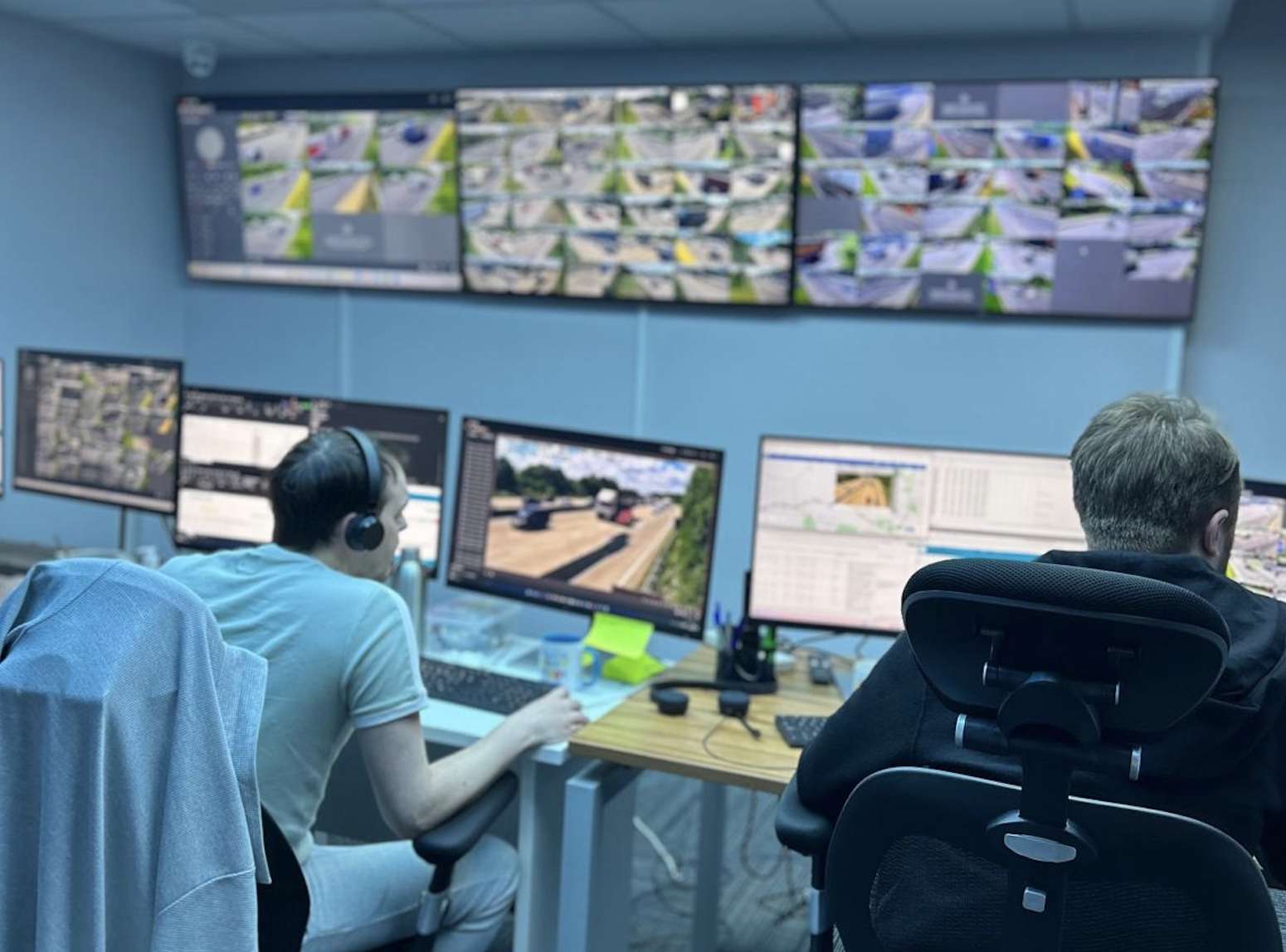
Every CCTV system, wired or not, is only as effective as the reactions of the security teams or responders monitoring it. If an alert is raised but the police aren’t called, and the alarm isn’t investigated, there’s a risk that an intrusion or theft could succeed.
Clearway’s wireless CCTV cameras are all available with continual monitoring by our NSI Gold II-accredited ARC, which means that qualified responders are on standby 24 hours a day, 365 days a year to manage alerts and deploy the appropriate response.
That could mean contacting emergency services, ensuring a blue light response is dispatched once an incident has been verified, liaising with on-the-ground patrols, or standing down false alarms to prevent wasted time and resources.
If you’d like more information on wireless CCTV options, get in touch with us today. For More information about all the wireless CCTV cameras in our range is available on our wireless cctv page.