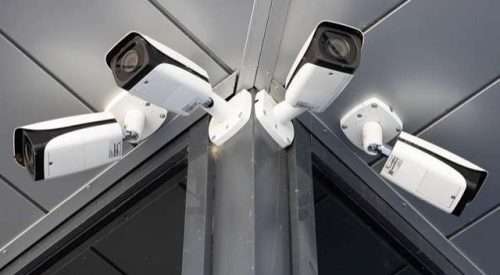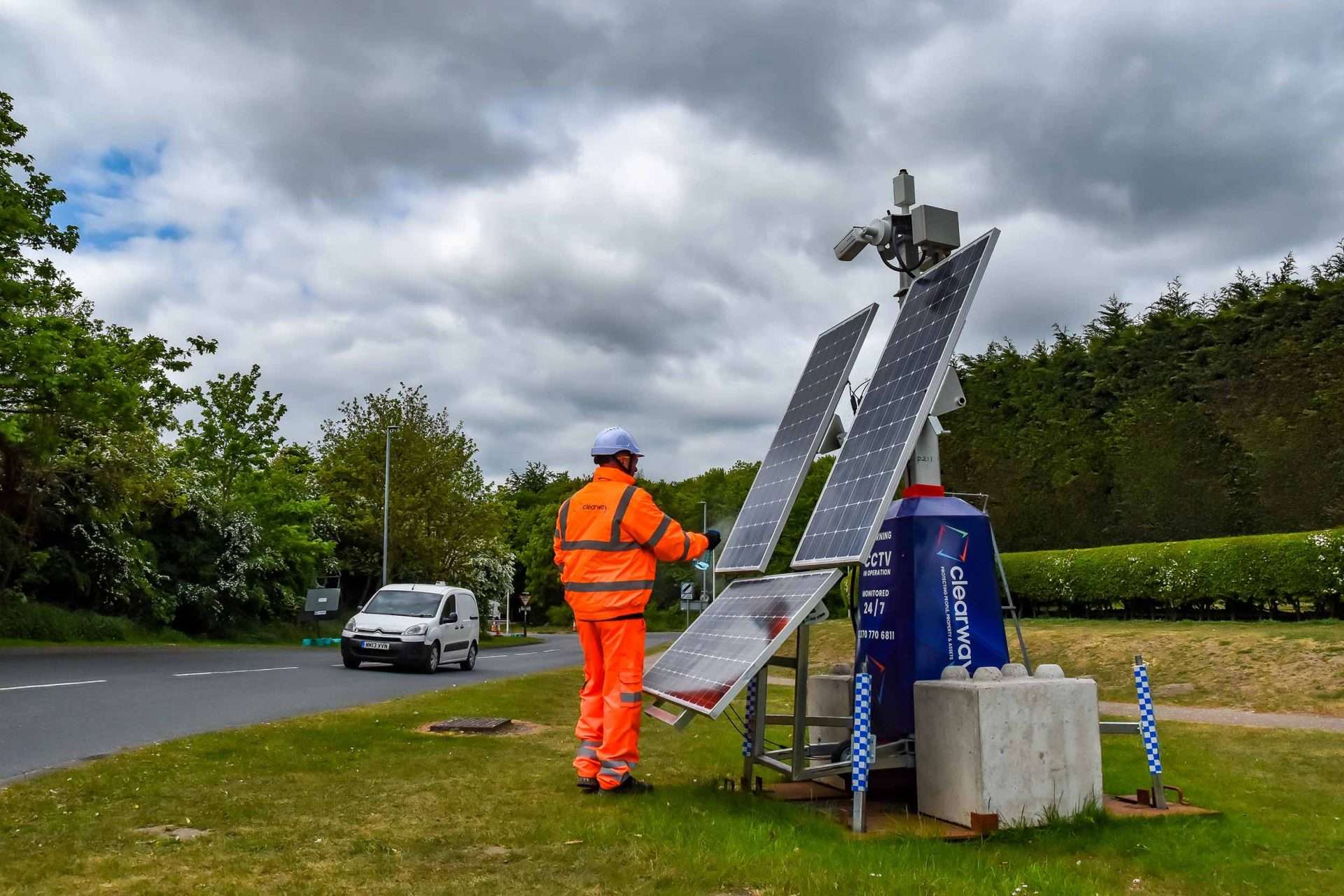


It isn’t illegal to record staff, but workforces should know if they are under surveillance, the reasons and locations of cameras, and how their personal data is being used. They may also be entitled to request all the information their employer stores about them.
CCTV is used in countless workplaces, and, with one camera for every 13 people, of which 96% are installed by companies or private homes, this isn’t unusual – but there are regulations that protect your rights and data as an employee. [1]
Staff worried about covert or unjustified recording, or who feel they are being scrutinised unfairly, could have a valid legal claim against their employer, including compensation claims for data breaches. [2] This is why businesses must proceed with caution and complete all due diligence before installing CCTV.
Being Recorded on CCTV at Work: Key Takeaways
- Managers and supervisors may be able to record staff at work, but they can’t do so without disclosing the purpose of CCTV, why it is there, and how they manage access to employee data.
- CCTV in places of work isn’t just about security, but about ensuring management respects employee privacy rights, prevents footage from being misused, and fulfils their obligations to their staff.
- The positioning of CCTV is just as relevant as the reasons for it, and intentionally disguised or concealed cameras, or recordings in private areas like bathrooms and changing rooms, are unlikely to be considered legally justifiable.

What Types of CCTV Recording Is an Employer Allowed to Use to Monitor Staff?
Office security systems and workplace CCTV are often used by businesses to prevent theft, aggression, trespassing, and break-ins, and, provided they follow the relevant rules and regulations, employers can use them mindfully and safely.
They might, for example:
- Install CCTV in communal areas such as lobbies or reception spaces.
- Implement spot checks or surveillance to prevent the removal of confidential data or high-value equipment from the building.
- Maintain oversight over the websites accessed from workplace devices.
- Use advanced CCTV detection to identify issues with non-PPE compliance.
However, recording staff without their knowledge or without stating a clear purpose for the CCTV can pose significant challenges, with reputational, financial, and even criminal claims made against them.
‘While workplace surveillance isn’t banned, it cannot be used discriminatorily, or, in many cases, covertly, because staff have a right to know if they are being recorded, and why.
However, businesses also have a duty of care to protect themselves from internal as well as external risks, which is why professional guidance is highly recommended to ensure you follow the right processes.’
What Are the Rules About Recording Staff at Work?
UK businesses must comply with all relevant CCTV rules, including employment legislation that dictates how they can and cannot monitor their employees.
Relevant legislation includes the following:
| Regulation | Scope |
| Data Protection Act 2018 | Provides a legal framework for the use and collection of personal data. |
| Human Rights Act 1998 | Enforces employees’ rights to privacy and respect in the workplace. |
| Telecommunications Regulations 2000 | Sets out limitations within which employers are allowed to intercept communications. |
| Regulation of Investigatory Powers 2000 and 2016 | Offers requirements to ensure CCTV is legitimate, responsible and appropriate. |
Employers may also need to consider additional factors in non-standard situations, such as when using workplace CCTV systems for remote or deployed teams, or using monitoring via bodycams for lone workers.
What Can I Do if I Think My Boss is Unfairly Recording Me?
If you believe you are being monitored unfairly or illegally, you may have grounds to file a formal complaint and to seek advice around breaches of the above laws, most often data protection breaches and human rights violations.
The repercussions for businesses are very serious, and if found in favour of the employee, they could face constructive dismissal claims, unfair dismissal tribunals, and criminal investigations.
Any business installing office CCTV is strongly advised to consult an independent, professional team to ensure compliance and to use employee monitoring only in a way that is legal and fair.
How Can Businesses Use Workplace CCTV Safely?
The essential aspect of using recordings within a place of work legally is to have full knowledge of the data protection rules, and to install CCTV only where there is a clear, justifiable need – without the temptation to fit cameras in every space where this isn’t necessary.
Businesses should:
- Create detailed policies that outline the nature and purpose of CCTV, including how monitoring is carried out, why it is in place, and how personal data will be used.
- Ensure they include provisions in contracts of employment that address consent, or that state that, by accepting a position, employees agree to abide by workplace CCTV policies.
- Develop an impact assessment before fitting CCTV. These evaluations examine the pros and cons of workplace CCTV, its impacts on staff, and how to mitigate any negative issues it may cause.
Alongside selecting the right CCTV camera models, units, functionality, and features, this will keep employers on the right side of the law while ensuring employees aren’t exposed to unfair or excessive monitoring that hampers their privacy and ability to go about their day.
Frequently Asked Questions
Does My Employer Have to Tell Me if They’re Recording Me?
Yes, an employer should advise all staff if they are being monitored, and ensure there is clear signage if any visitors or service users are also likely to be recorded when on site.
Can I Refuse to Be Monitored at Work?
Not necessarily, because if a business has a recognised, valid policy and has taken all reasonable measures to safeguard employee privacy, this might not be a choice.
However, employees do have the right to challenge or complain about monitoring that breaches their privacy rights or that is intrusive.
How Can UK Businesses Monitor Their Staff Safely?
The baseline is about proportionality – understanding why CCTV is deemed necessary, where cameras should be placed to mitigate risks or threats, and creating policies that explain to all stakeholders how, when and why their personal data might be collected, processed, used or stored.
References: