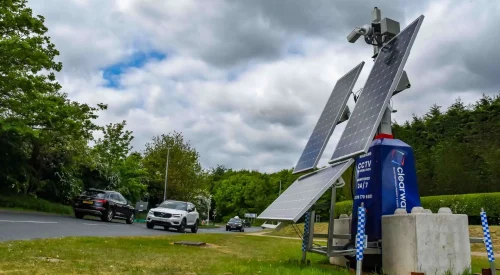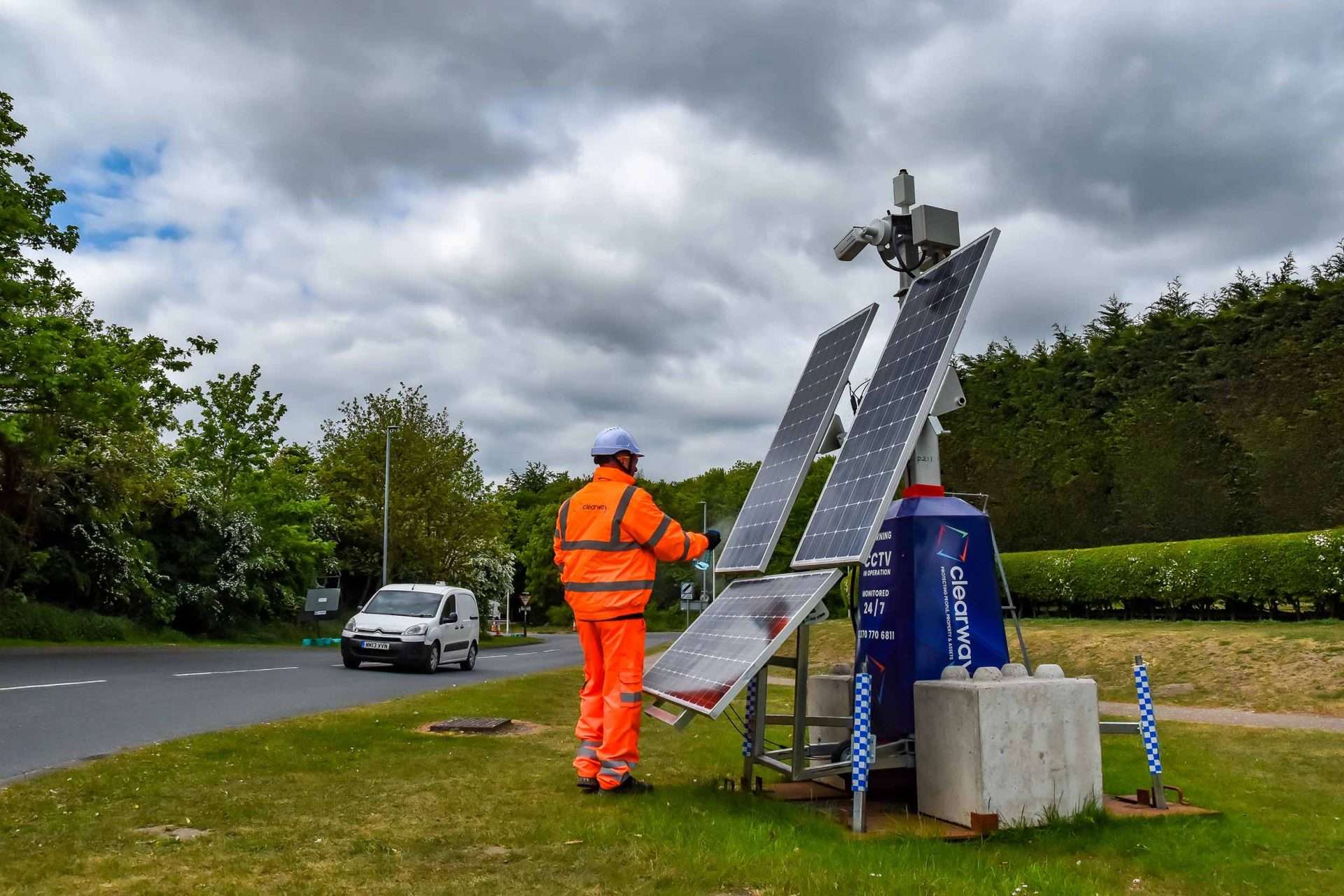


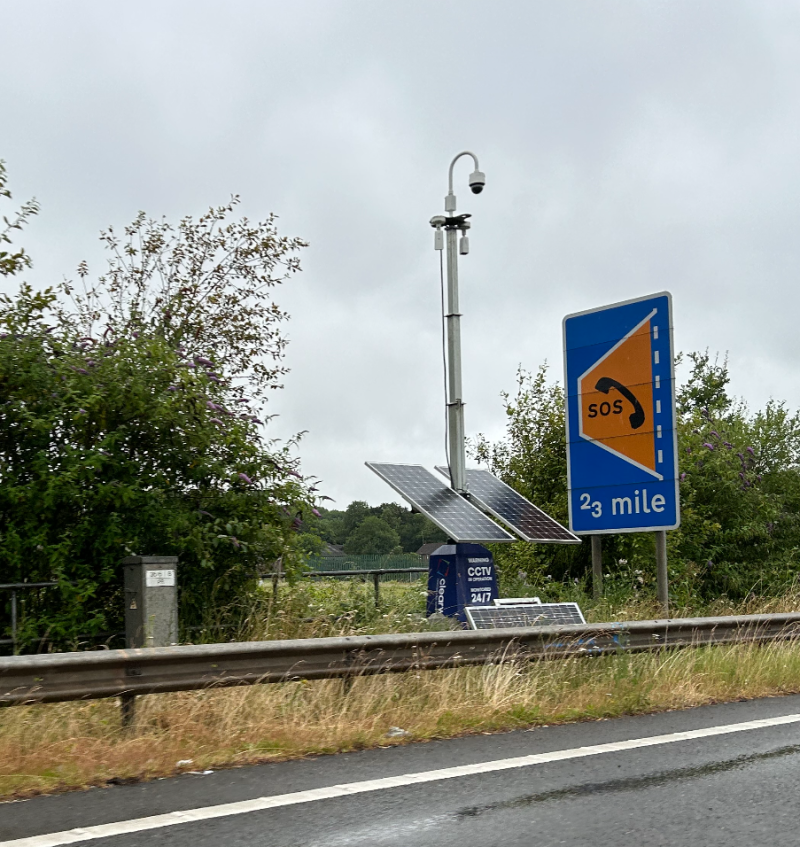
Installing CCTV towers on any site comes with clear legal responsibilities, mainly focused on privacy, data protection, and proportional use. In the UK, these obligations apply even though the site itself is private land.
CCTV towers might look different from conventional fixed CCTV units, but the legislation applies just the same, including the Data Protection Act and the UK GDPR.
Businesses and site owners must, for example, ensure that surveillance is limited to areas where it is necessary and justifiable, display clear signage advising of the presence of recording, and have a clear policy for data management and access.
In addition, some sites may need planning permission to be allowed to use CCTV towers over four metres in height, ensuring they comply with all application rules and regulations, and avoiding any potential fines.
Legislation Around CCTV Tower Surveillance: Key Takeaways
- UK laws, including the Data Protection Act 2018 and UK GDPR, cover CCTV towers in the same way as any other type of CCTV camera, which means owners must perform due diligence to ensure surveillance is legally acceptable.
- Rules cover aspects like the areas being monitored, such as public roads or pavements, the reason CCTV is necessary, and signage that informs all potential site users that they are being recorded.
- Non-compliance with CCTV legislation can be serious, ranging from investigations and legal action to claims against employers and even prosecution by the regulator, the Information Commissioner’s Office (ICO).
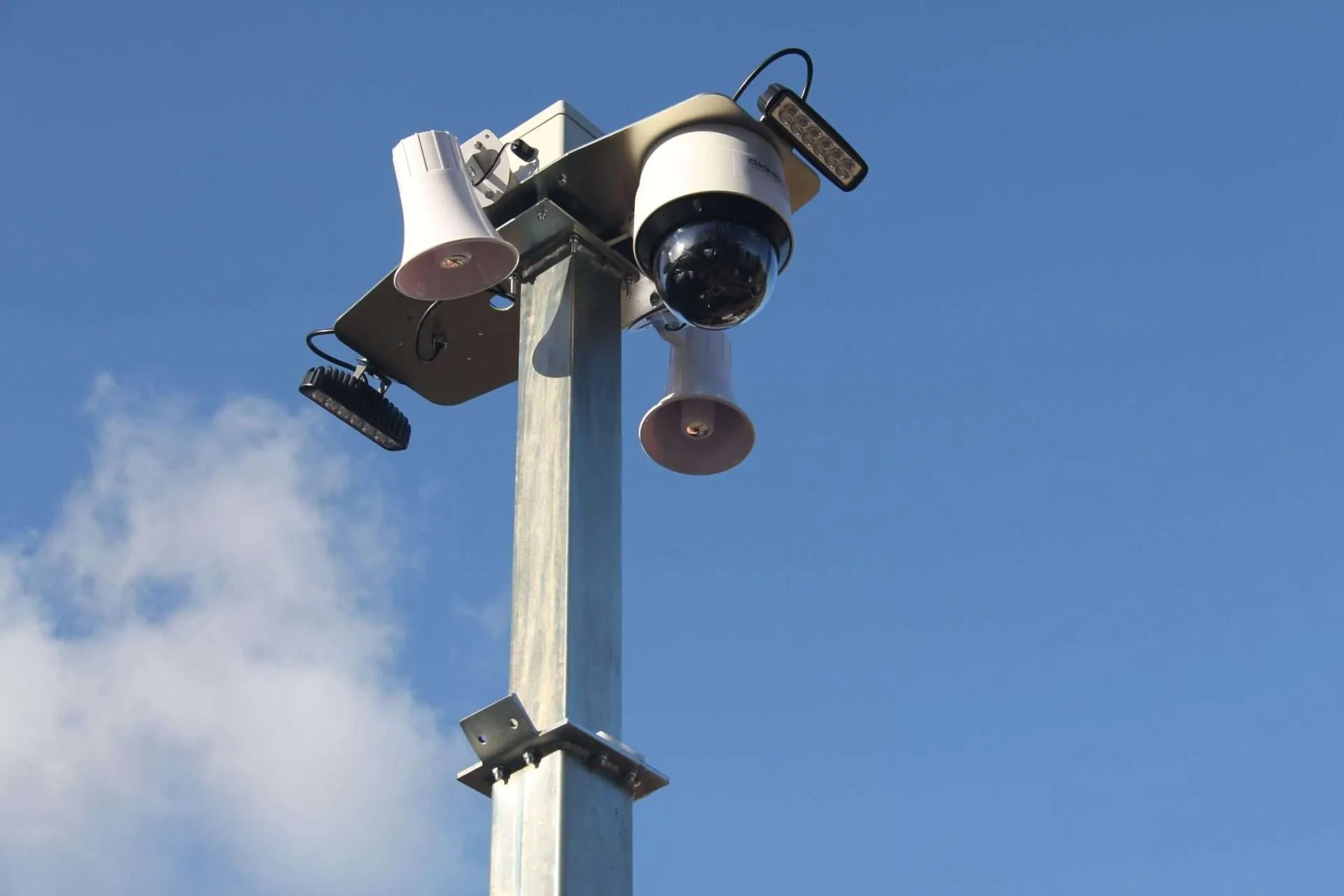
Understanding How to Install CCTV Towers Legally and Compliantly
The basic rules for CCTV towers match those for other types of CCTV, covering areas like signage, defined reasons for surveillance, limiting access to personal data, and having protocols in place to prevent the misuse of any footage captured by CCTV.
The Information Commissioner’s Office publishes more detailed guidance on the compliant use of commercial CCTV, which may be beneficial for organisations considering whether CCTV towers will be necessary. [1]
What Does Data Protection Law Say About CCTV Towers?
Data protection regulations set out eight CCTV rules, ranging from how data is processed to how it is protected from unauthorised access – we’ve set them out below.
| Data Protection Principle | Description |
| Fair and legal data processing | All data collected through CCTV towers must be used for a stated reason, with parity, and only be processed according to the law. |
| Establishing a reason for CCTV | Towers can only be installed and cover specified areas, where there is a clear reason they are needed. |
| Creating coverage zones | CCTV towers can cover any area, provided this is proportionate and relates to the stated need. |
| Accuracy of data collection | Data collected about individuals and their activities must be correct and remain up to date. |
| Data retention | Information cannot be kept for longer than necessary and usually needs to be deleted after 30 days. |
| Data processing | Data held about people can only be processed when it complies with the Data Protection Act and GDPR requirements. |
| Data protection | Businesses must take steps to prevent anyone without the necessary approvals from accessing or using data. |
Do CCTV Towers Need Planning Permission?
In some cases, CCTV towers must be approved before they can be installed, and although this varies depending on the specifics. You do not need planning permission for CCTV towers if the dimensions do not exceed 4m in height.
Planning permission is more likely to be required if the tower is being installed in a public area or where there are other considerations, such as the security of a listed building.
Depending on the planning rules in your area, you might need to:
- Check that the towers won’t be over 4m tall – anything over that might require planning permission
- Confirm that the tower isn’t extended more than one metre away from walls or fences.
- Install towers at least 250 cm above ground level.
These requirements are generalised to all types of CCTV, so it’s worth checking with the council if you’re concerned or aren’t sure if you’ll need official permission.

Will I Need to Erect Signs to Warn of Live CCTV Tower Recording?
You will, because UK law requires all organisations to take steps to advise staff, visitors, or members of the public when CCTV is in use.
Clearway, says, ‘CCTV Signage needn’t be complex, and the best advice is to check you’ve installed signs at all the entry and exit points, and around any areas that you’re monitoring.
CCTV signs should include the name of your business, contact details, and the reason for the surveillance, such as a notice that says surveillance is in operation for security reasons.’
The consequences of non-compliance can be serious because anyone recorded without their knowledge may have a legal right to take action.
In addition, CCTV warning signs might be an important deterrent, because although CCTV towers are large and hard to miss, these signs can also deter prospective intruders from attempting to gain access to a site that isn’t obviously under surveillance.
Why Do I Need a Data Protection Impact Assessment to Install CCTV Towers?
Impact assessments are all about showing how you’ve acted to protect the well-being and data privacy of anyone who might be recorded by your static CCTV towers – and can be even more important if you’re incorporating behavioural analytics.
These documents demonstrate that you’ve thought about any negative outcomes associated with your CCTV towers and have worked to prevent any harms or issues from arising.
More information on the legal responsibilities businesses must adhere to when installing CCTV towers is available on the Gov.UK pages. [2]
Frequently Asked Questions
What Happens if I Install CCTV Towers That Aren’t Legally Allowed?
In the worst-case scenario, a breach of GDPR and data protection rules can mean you need to pay heavy fines, face legal action, and could even be exposed to criminal prosecutions, which is why it’s never advisable to take any chances.
How Much Could a Business Be Fined for Non-Compliant CCTV Towers?
In the UK, non-compliance with CCTV regulations on a construction site doesn’t have a fixed penalty amount but falls under data protection law enforcement by the Information Commissioner’s Office (ICO). That means the fines relate to how you manage the personal data captured by your CCTV system (for example, identifiable workers, visitors or passers-by)
References:
Related content
Wed Jun 5 2024
Sun Aug 11 2024
Tue Apr 2 2024
Mon Mar 9 2026