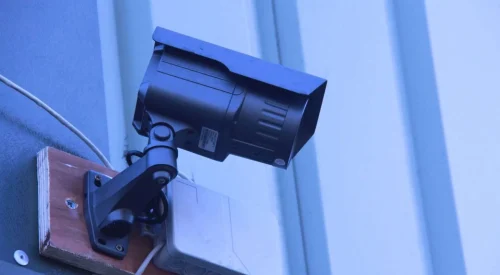


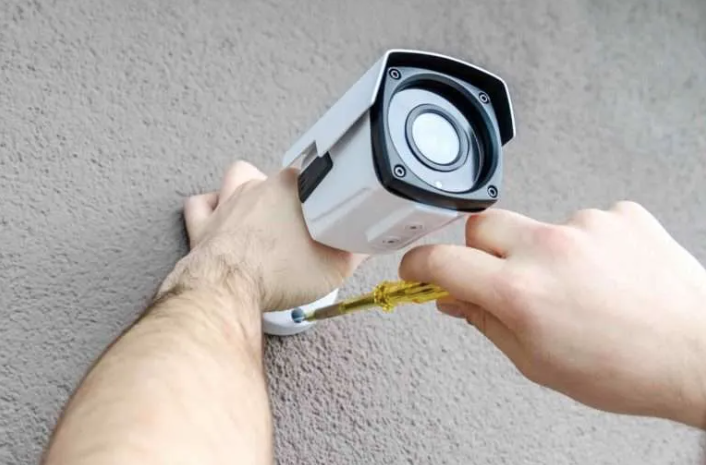
CCTV cameras provide the best possible protection for businesses, properties, construction sites and compounds – but do they work without electricity? CCTV won’t work without electricity. They depend on having a reliable, always-on power source to function, however, this doesn’t have to be a main power source.
CCTV can be powered wirelessly, through battery or solar means when there is no mains power available. Any CCTV camera you install, whether indoors or outdoors, permanent or temporary, wired or wireless, must have an electrical power feed, which ensures cameras are operational, transmit emergency alerts and capture unusual or suspicious activity.
The challenge for many site and business owners is that numerous instances exist where the mains power grid isn’t available, accessible or dependable – rendering even the most advanced CCTV security systems redundant. However – there are several options available to combat this and still install CCTV – even in the most remote locations.
In this article, the Clearway team explains the compelling advantage of wireless CCTV powered by solar and/or commercial-grade batteries, providing you with the assurance of comprehensive coverage, regardless of the location of your site.
Takeaways: Can CCTV work without electricity?
- CCTV cannot operate without electricity, because every camera needs a power source to function, even if it’s not mains power.
- Solar panels, batteries and generators still produce or store electricity, so while they remove the need for wired power, they don’t eliminate the need for electricity itself.
- In off-grid or remote locations, CCTV systems rely on these alternative power sources to stay operational, ensuring continuous surveillance where mains power isn’t available.
Why Use CCTV Without Mains Power on Remote Sites?
There are countless situations where mains power isn’t available, is subject to continual outages, or would be costly and complex to connect to. Some of the many scenarios may include:
- Vacant properties and empty commercial units.
- Remote buildings and developments.
- Restricted access premises at risk of wire cutting.
- Properties that rely on backup generators.
- Areas with an unreliable mains power grid.
- Sites with large outdoor spaces between buildings.
- Compounds where perimeters are broad or have a variable topography.
- Construction sites and developments where building work is incomplete.
- Remote working teams such as highways workers.
In all the above circumstances, a wired CCTV unit would be ineffective, either because it would be rendered redundant during power outages or because the cost and time involved in fitting CCTV surveillance would make the added security too costly to be viable.
We often recommend wireless CCTV solutions with autonomous power sources for locations where a mains electricity connection isn’t available or where there is a pronounced risk of outages and blackouts. This presents a perfect way for opportunist intruders to gain entry.
Solar or battery-powered CCTV is cost-effective and suited to short-term applications such as providing security surveillance for events, construction sites and work zones.
| Power Source | Does It Use Electricity? | How It Works | Best For | Limitations |
|---|
| Solar-Powered CCTV | Yes (generated by solar panels) | Solar panels convert sunlight into electrical power and store it in built-in batteries. | Remote outdoor sites, construction sites, compounds with good sun exposure. | Reduced efficiency in shaded areas or during long periods of bad weather. |
| Battery-Powered CCTV | Yes (stored in commercial-grade batteries) | Long-life batteries supply power continuously, often lasting several years. | Vacant properties, indoor areas, shaded sites, short-term deployments. | Batteries eventually require replacement; limited by capacity. |
| Generator-Powered CCTV | Yes (fuel-based electricity production) | A generator provides an off-grid power source for cameras and supporting systems. | Large sites, temporary projects, locations with very high power demand. | Requires fuel, servicing and produces noise. |
| Wired Mains Power CCTV | Yes (direct grid electricity) | Cameras receive continuous power from the electrical grid. | Permanent installations, businesses, warehouses, retail, commercial sites. | Useless during outages or where no mains connection exists. |
Note: Your backup power setup must cover the cameras plus the recorder (DVR/NVR), comms equipment (4G router), and any monitoring device on site.
For temporary and remote sites, any generator, temporary cabling, or power distribution setup should be installed and managed safely to reduce risk to workers and equipment. Use electrical safety guidance for temporary site setups as a baseline when planning off-grid CCTV power.
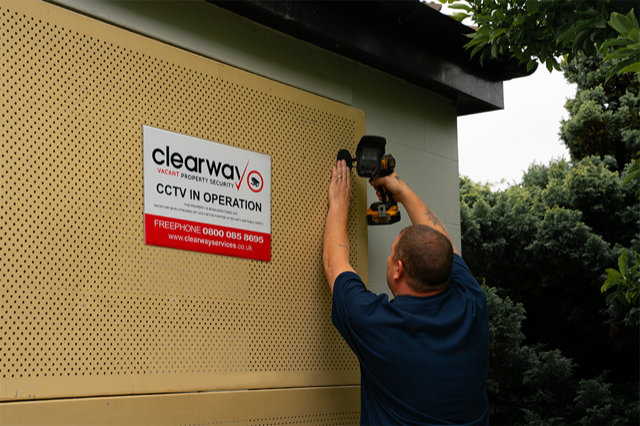
How to Run CCTV Without Mains Power (Solar and Battery Setups)
There are two primary options if you need the reassurance of always-on CCTV monitoring without a mains electricity connection:
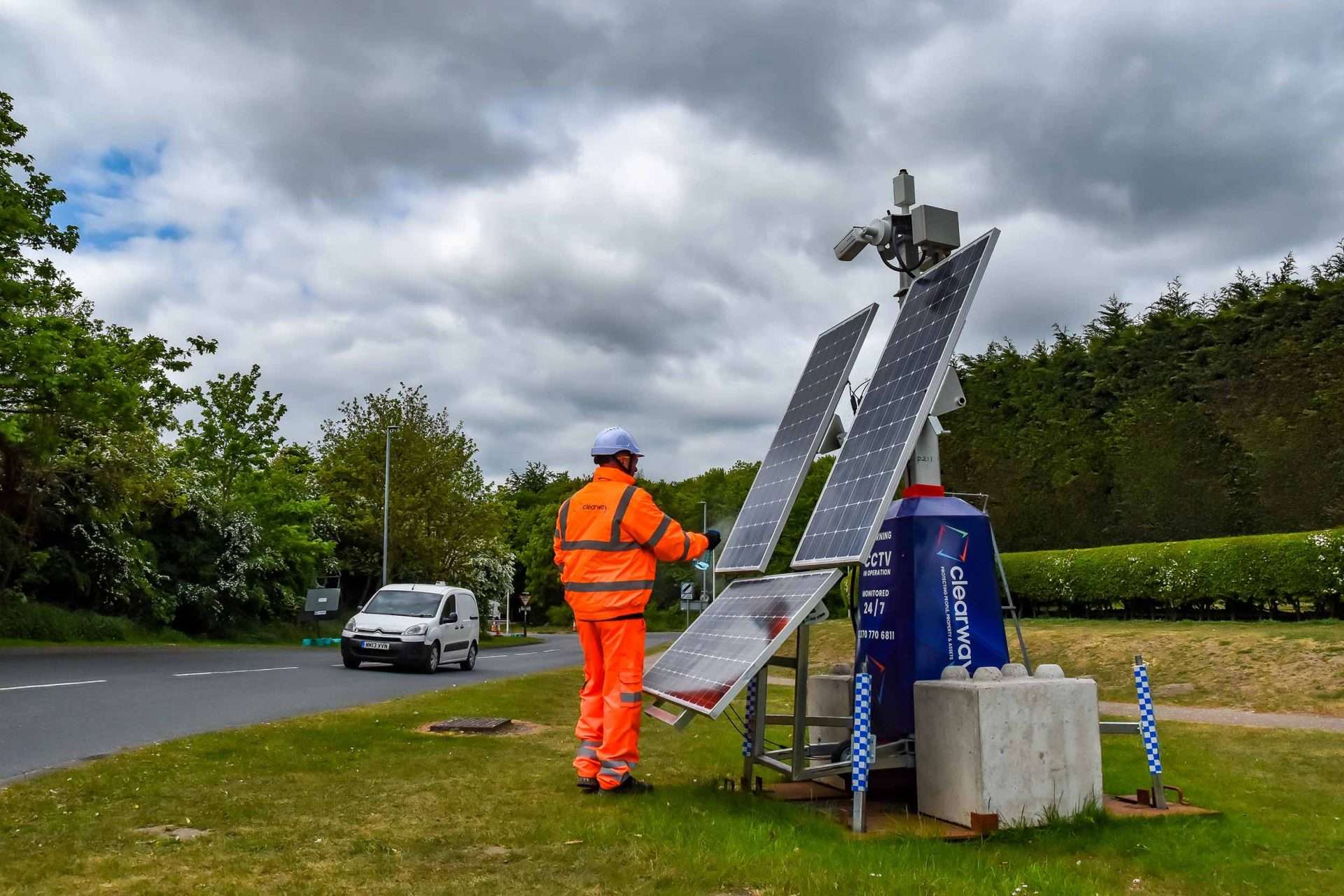
- Solar power: Solar-powered systems, such as outdoor CCTV towers, are fitted with advanced solar cells and solar energy storage devices. Each unit recharges to full capacity during the day, retaining a backup power supply to use overnight and during cloudy conditions.
- Battery power: Commercial-grade batteries provide continual, uninterrupted power for multiple years and often feature casing and fixings that prevent the battery from being detached, damaged or otherwise tampered with.
Our CCTV tower units are fitted with batteries and casings tested to the highest standards and resistant to water ingress, extreme temperatures, adverse weather conditions and deliberate tampering. The right options may depend on the location of the site or property, whether you need CCTV cameras positioned internally or externally, and exposure to natural sunlight.
If, for any reason, we believe that solar-powered batteries may be ineffective, for example, because the site has extensive tree cover or your CCTV cameras will be positioned inside an entranceway, an autonomous battery with a lifecycle of several years may be the ideal solution.
You are welcome to contact the Clearway security team at any time to arrange a professional site survey and risk assessment.
Types of CCTV With Independent Integrated Power Sources
CCTV cameras with autonomous power come in myriad sizes and structures. They can often be connected to other aspects of your security coverage, such as alarm systems, remote monitoring through the Alarm Receiving Centre (ARC) and access control protocols.
Below, we’ve summarised the key features and uses of some of our most popular CCTV models that work without mains electricity.
Wireless CCTV Cameras and Towers
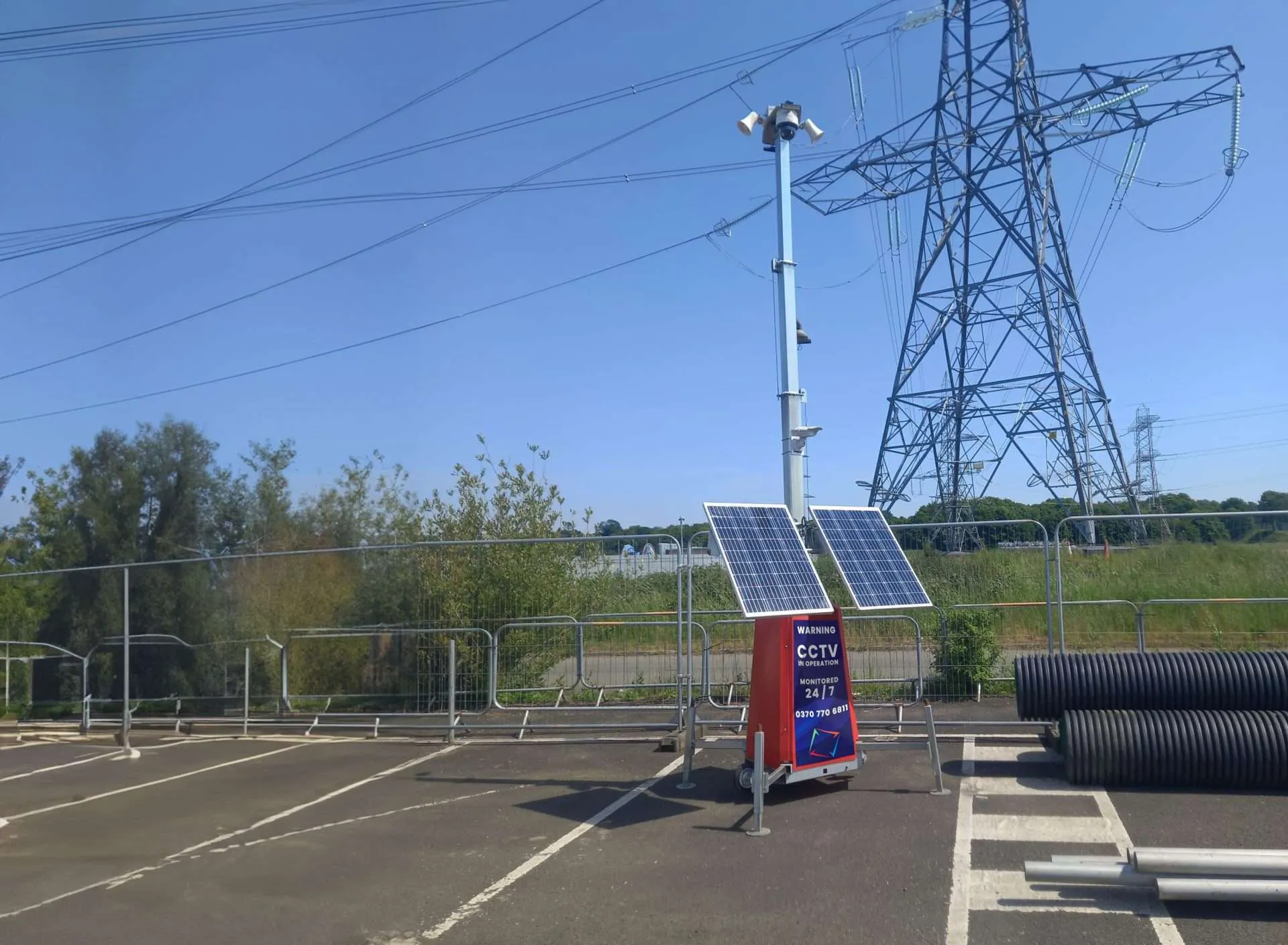
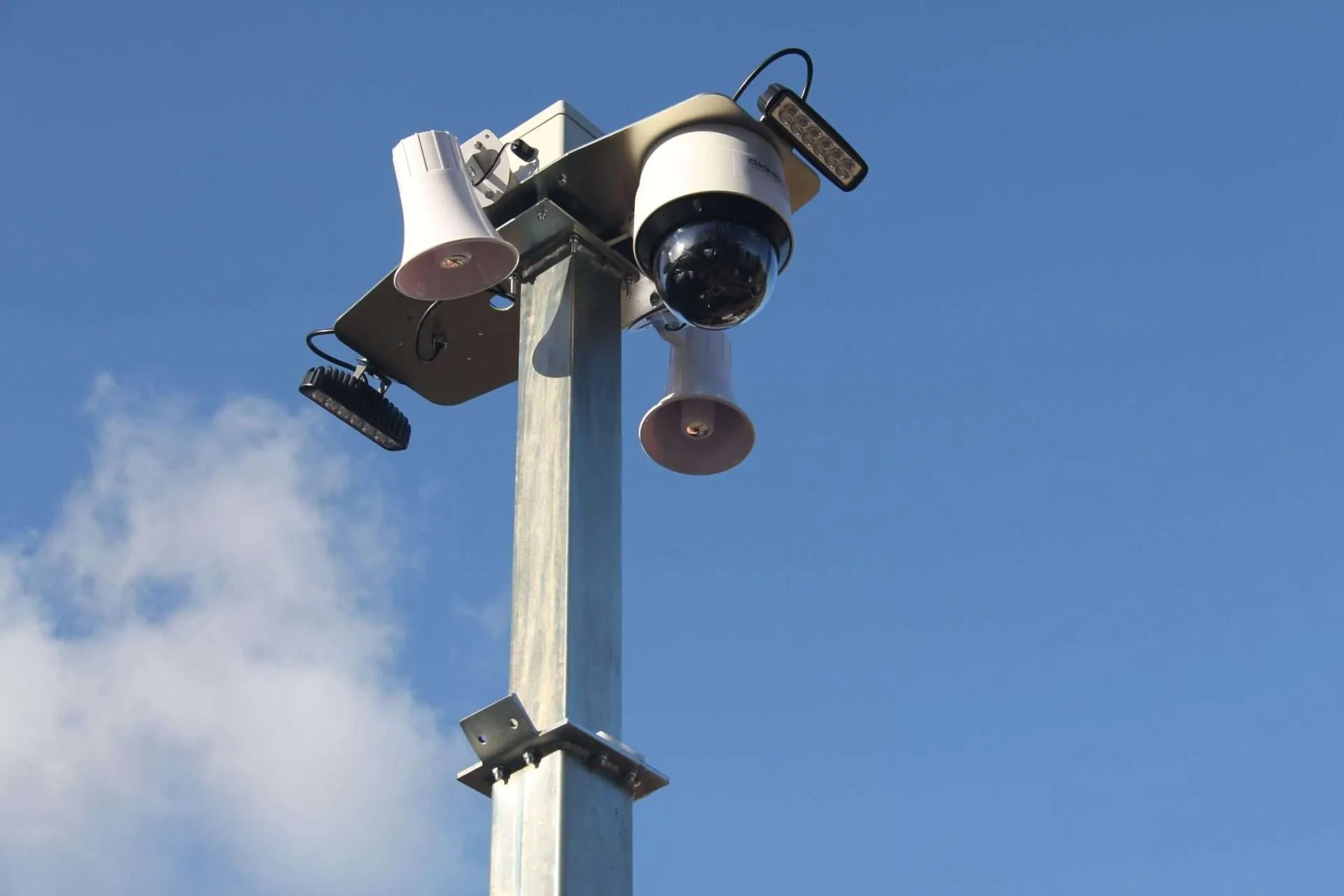
CCTV towers comprise purpose-built units engineered for rapid deployment in any outdoor setting. Available for short and long-term hire, these towers are fitted with either solar or standard batteries or can be configured with a mains power connection should this be more suitable.
Fitting CCTV cameras at height provides maximum visibility 24 hours a day without any ongoing maintenance requirements. Each camera manoeuvres with extensive coverage and can be programmed to transmit alarms, begin automatic recording, sound a siren, notify the ARC response team of an incident, or send wireless notifications to site owners and security teams.
Wireless CCTV cameras can also be fitted as standalone components of a security system within vacant and empty buildings, working with the same battery-powered technology. Often used for properties with temporary security risks or where a mains power supply is unavailable over the short term. Each camera works similarly to a tower-mounted system, circulating alerts and footage remotely to any designated device.
Batter y Powered Video Verified Alarms
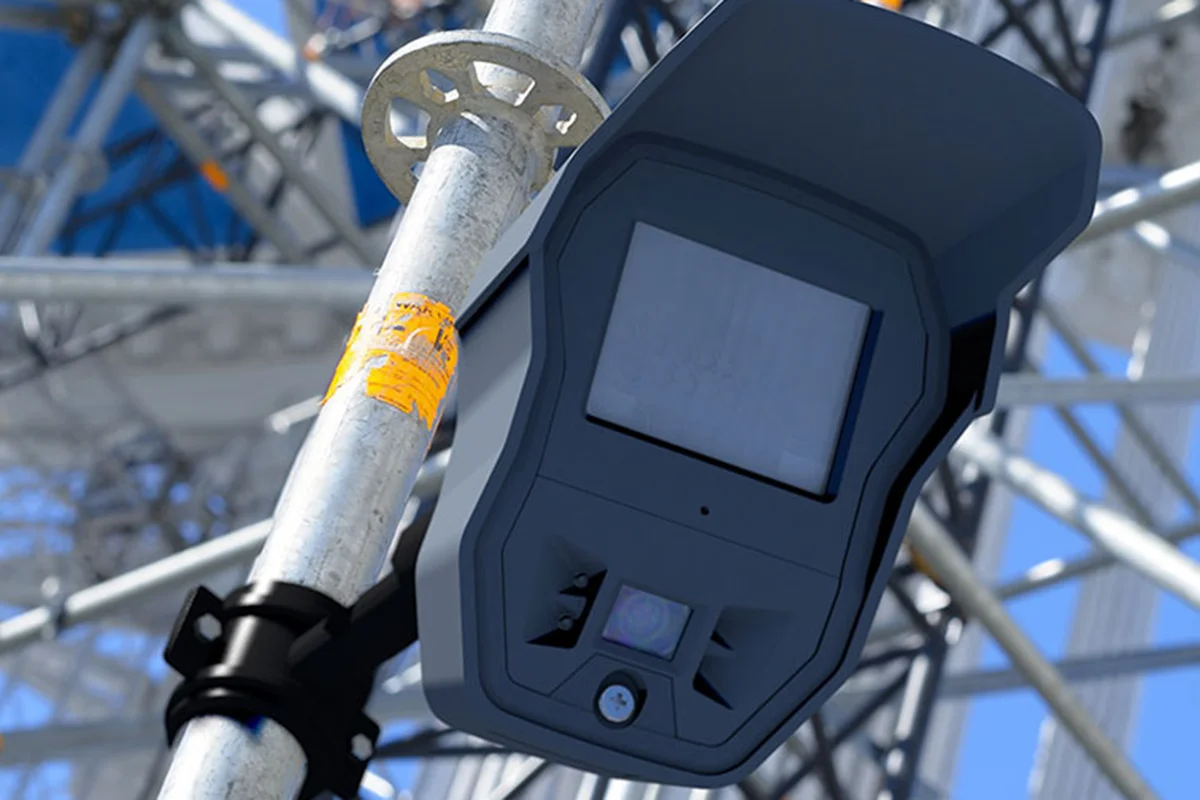
These alarm systems are intended for vacant properties, buildings without a main power connection, or empty commercial units. They operate like an intruder alarm but capture a short burst of photos whenever the alarm is triggered to verify the cause of the disturbance.
Each collated 10-second clip is circulated to the notifiable parties to ensure they can determine why the alarm has been sounded and respond accordingly.
Alarm units are completely wireless and operate with an in-built battery, without any need for wiring, cabling, an internet connection or other fixtures. The alarm uses cellular mobile signalling to notify owners and responders when the alarm has been triggered and to send the footage recorded.
Wireless Intrusion Detection Systems
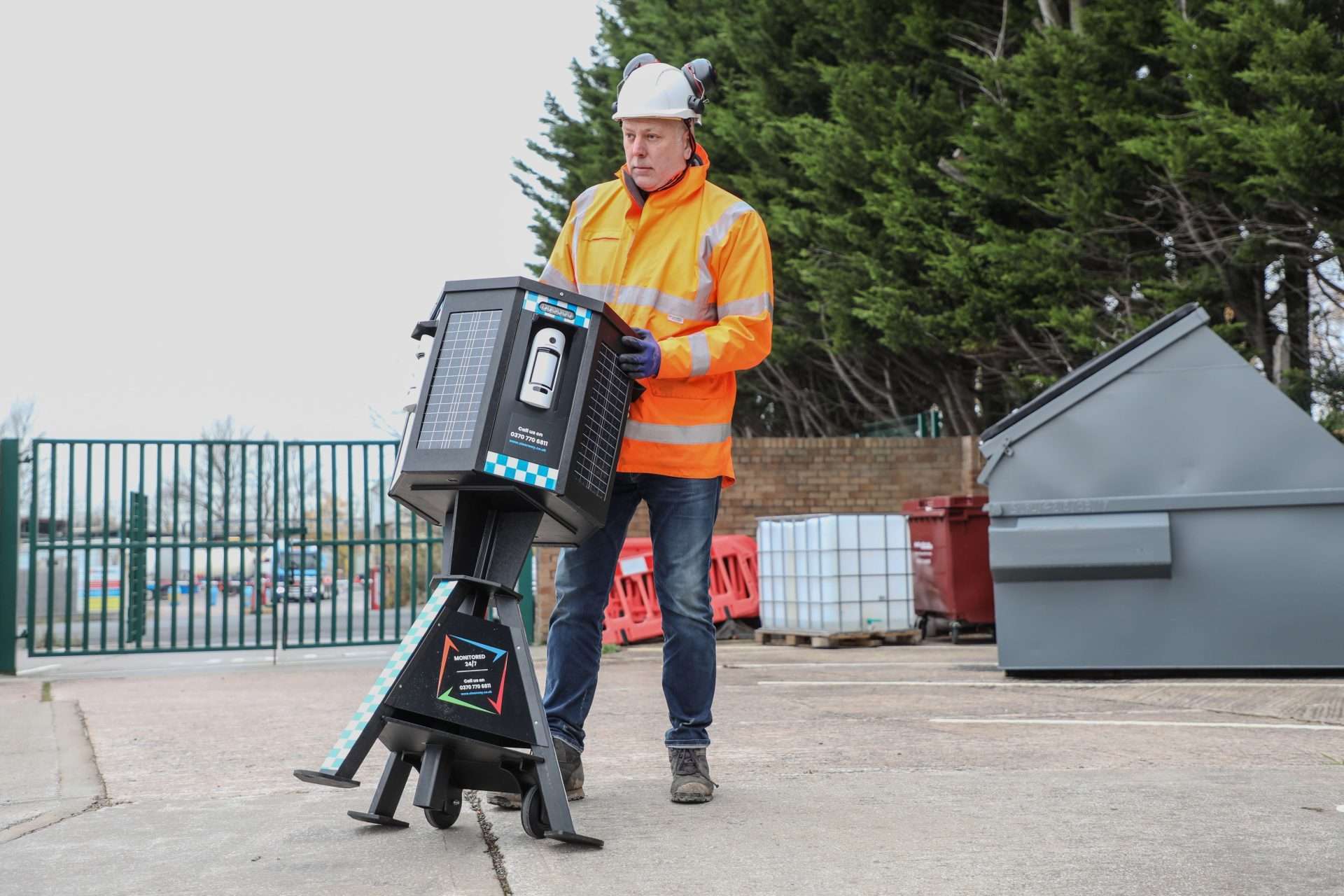
Finally, the inView Detect system is often used to supplement the security provided by a wireless video-verified alarm or CCTV system. This portable, adaptable intrusion detection device is equally free of wires and works independently of a mains power supply.
Linking CCTV cameras, wireless towers, and video-verified alarms with an intrusion detection system into one cohesive surveillance approach is the optimal solution for properties or sites with a higher risk.
These units can be positioned to secure your perimeter, adjacent to assets or storage bays, next to high-value machinery, or anywhere you’d like to introduce extra security surveillance.
Choosing the Right Power Source for CCTV
CCTV cannot run without electricity, but that does not mean you need mains power to secure a site.
Solar panels, commercial-grade batteries, and generator support can keep cameras recording and sending alerts in places where the grid is unavailable, unreliable, or too expensive to connect.
The right setup depends on site conditions. Strong daylight and open exposure often suit solar, while shaded areas, indoor placements, or long low-light periods tend to suit battery-first systems, sometimes with generator support for higher demand.
If you also need faster response, pairing cameras with video verification and perimeter detection can reduce guesswork and improve incident handling.
If you are securing a remote or off-grid location, explore solar CCTV and CCTV towers for rapid deployment, or add video verified alarms and wireless intrusion detection for stronger coverage across high-risk areas.
Frequently Asked Questions
Can CCTV run with no mains power at all?
Yes, if the system has an alternative electricity source like solar panels, commercial batteries, a generator, or a UPS. CCTV still requires electricity to operate.
How long will battery-powered CCTV last?
It depends on battery capacity, camera load, and how often it records or triggers alerts. Commercial battery setups can run far longer than consumer cameras, especially with low-power configurations.
Does solar CCTV work in winter or bad weather?
It can, but performance depends on daylight hours, panel positioning, and battery storage capacity. Sites with heavy shade or long low-light periods may need larger batteries or a hybrid backup.
Will CCTV still send alerts without mains power or internet?
Alerts can still work if the system uses cellular connectivity (4G/5G) and has power from solar or batteries. Remote viewing and alarms depend on having a working mobile signal and the right comms hardware.
What’s the best CCTV setup for shaded or indoor areas with no mains power?
Battery-powered systems are usually more reliable than solar in shaded locations. Pairing CCTV with a video verified alarm or intrusion detection can reduce false callouts and improve response speed.
Not sure what type of CCTV is right for you? Get in touch with Clearway today and we’ll discuss your CCTV options and advise on the best solution should you not have access to mains power.
Related content
Tue Jul 4 2023
Wed Jun 5 2024
Sun Nov 24 2024