

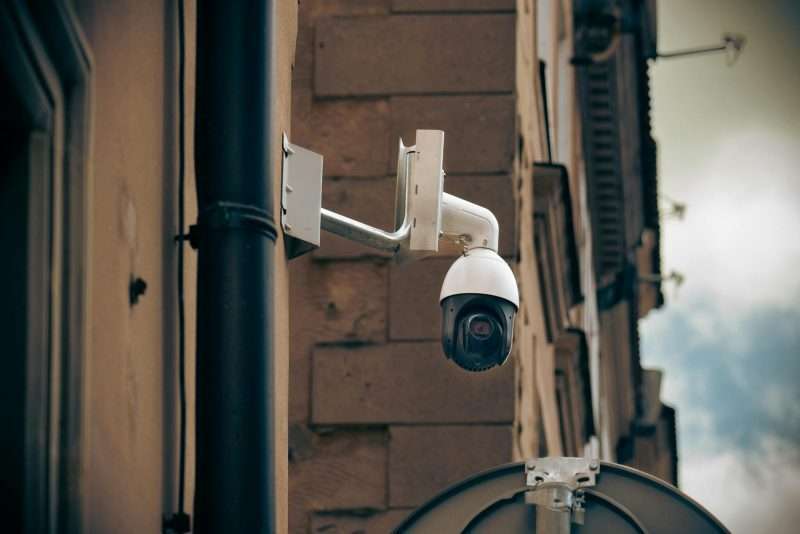
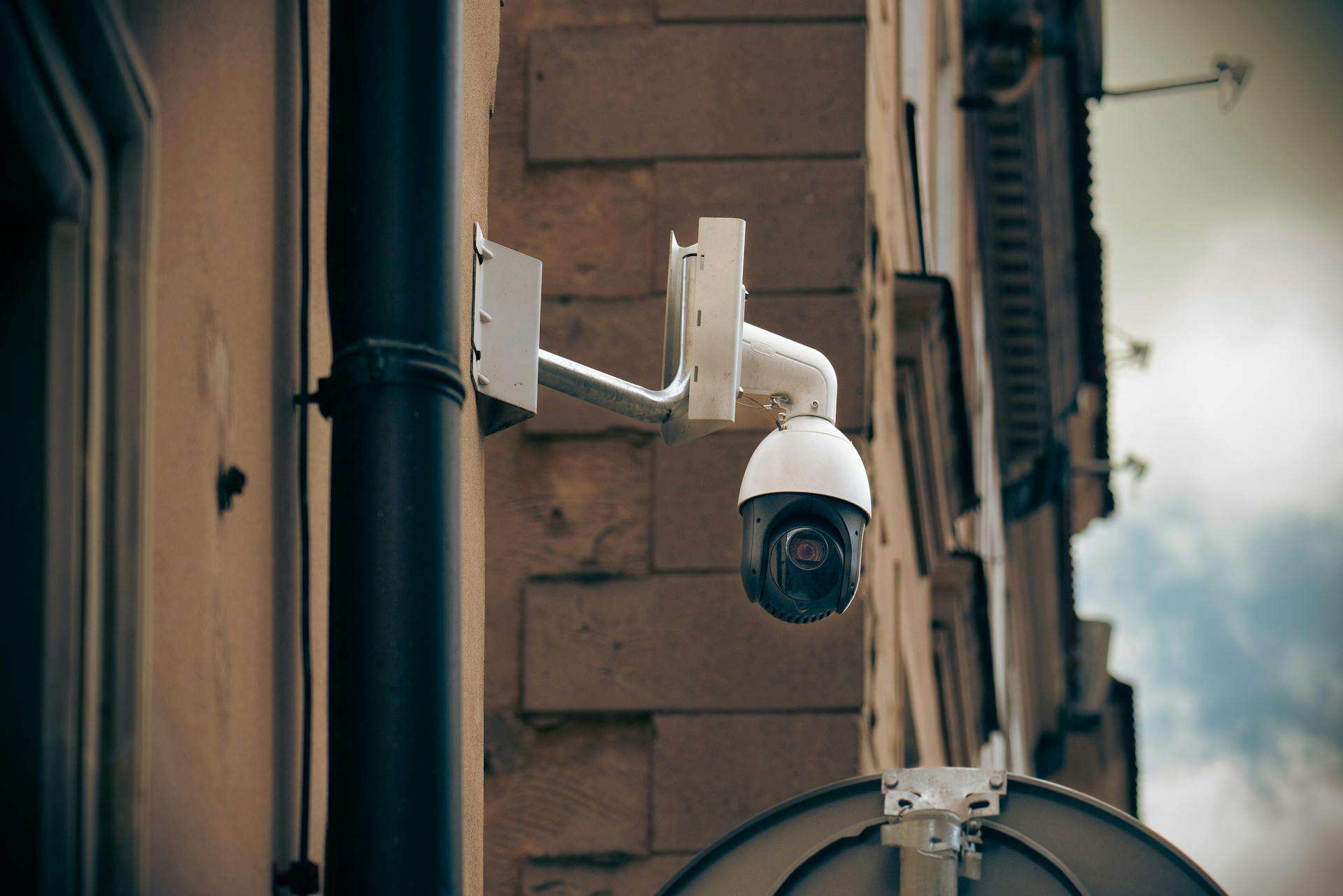
A Power over Ethernet (PoE) camera is a CCTV device that transmits data and draws power over a single Ethernet cable, offering all the advantages of IP surveillance with simplified installation and maintenance.
PoE cameras are a variant of IP cameras, offering the benefits of high-resolution capture, remote access to feeds, and internet connectivity without the additional cabling or wiring requirements that can make alternatives more expensive.
This guide explains how PoE cameras work, but as always, it’s worth discussing your requirements with a security surveillance professional to ensure you’re compliant with all relevant CCTV rules and only use PoE cameras where they meet data security regulations.
POE Cameras Explained: Key Takeaways
- PoE security cameras use a single cable that provides power and communications, eliminating the need for multiple wires and enabling connection to PoE switches and cloud solutions for remote access to footage.
- The main benefits relate to the flexibility of where PoE cameras can be installed and to their costs, allowing businesses to install these devices in hard-to-access positions.
- Compared with Wi-Fi-reliant cameras, PoE cameras are more dependable, with a hardwired connection that is well-suited to settings where continuous recording and surveillance are vital for security.
What Are PoE Surveillance Cameras?
A PoE (Power over Ethernet) camera is an IP-based security camera that receives both power and data transmission through a single Ethernet cable (Cat5 or Cat6)
PoE cameras provide video-based security using a single Ethernet cable, making them more convenient and cost-effective than alternatives that require a separate power source and communication cable.
To reduce installation and maintenance costs and issues, PoE cameras transmit footage either to Network Video Recorders (NVRs) or to cloud-based communication services.
Their simplicity has made PoE cameras highly sought after, with this segment of the CCTV surveillance market growing 10.2% year on year and projected to be worth over £22 billion globally over the next five years. [1]
Clearway advises that ‘PoE cameras offer a great balance of cost-efficiency and easy installation, especially for sites where unreliable Wi-Fi or limited access to mains power makes other types of IP cameras unviable or prohibitively expensive.’
What Is the Difference Between a PoE and an IP Camera?
PoE cameras are similar to IP cameras, but only PoE cameras can transmit video and power over a single Ethernet cable, whereas IP cameras rely on the internet.
That doesn’t, though, mean that there are limitations on the types of CCTV cameras you can install that are configured with Ethernet connections:
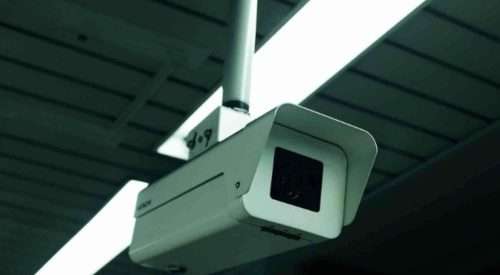
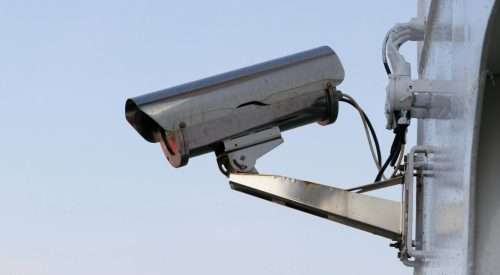
- Bullet PoE cameras can cover longer distances and feature low-light capabilities that ensure they capture events and activities even in low ambient light.
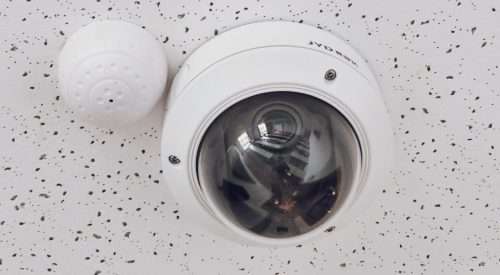
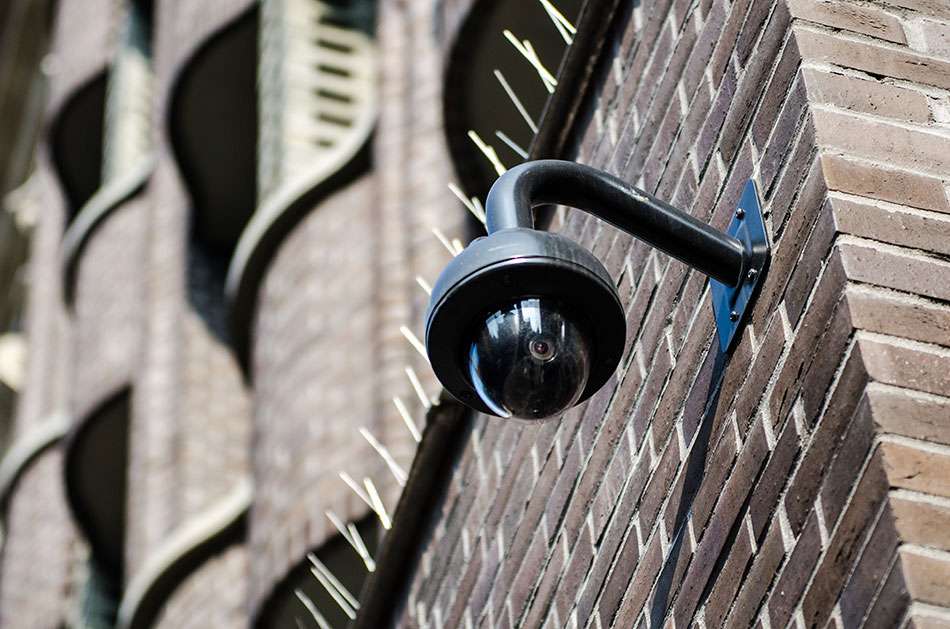
- Dome PoE cameras offer wider fields of view and are often used in retail, office, and storage settings.
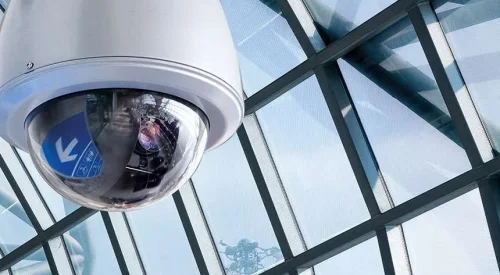
- PoE cameras with PTZ capabilities are more versatile, allowing responders to adjust the camera’s angle or direction to zoom in to determine whether an alert requires an urgent response.
Businesses can also choose PoE cameras with multiple sensors, which extend the area under surveillance and incorporate extra image sensors to remove blind spots.
What Is the Benefit of Installing a PoE Camera?
The biggest advantage of a PoE camera is its simplicity: fewer components and less technical know-how are required than for an IP camera system, while offering similar functionality.
| PoE Camera Benefit | Explanation |
| Versatile design | PoE cameras are powered and transmit data over Ethernet cables, so they don’t need to be near a socket or outlet. Relocation is straightforward, and options such as PoE extenders and switches can address distance limitations. |
| Camera quality | While image quality is comparable to IP cameras, PoE devices easily outperform analogue systems, capturing, encrypting, and sending data in real time at high resolution. |
| Low maintenance | These cameras are easy to maintain, with fewer cables and components, and offer the option to integrate PoE cameras with cloud-based storage, eliminating reliance on recording hardware. |
| Reliability | Because each PoE camera relies on a single power source, the likelihood of outages affecting surveillance is reduced compared with Wi-Fi. |
| Installation | Fitting PoE cameras is low-cost and quick, with no need for additional electrical cables beyond the Ethernet connection. |
| Scalability | Businesses facing changing or increasing risks can add extra PoE cameras as needed, with low costs for extending CCTV coverage. |
What Are the Most Common Applications for PoE Cameras?
PoE cameras are used in commercial, industrial, and residential settings to monitor movement and activities indoors and outdoors, with frequent use in office spaces, warehouses, and educational facilities.
- Offices use PoE cameras for quick, easy installation and low-cost maintenance, helping protect workplaces with remote access to real-time footage.
- Warehouses and depots install PoE cameras to simplify installation, using 4K systems equipped with features such as night vision and video analytics to protect against thefts, break-ins, and safety breaches.
- Schools and colleges choose PoE cameras to cover complex site layouts, with weatherproof outdoor units fitted along perimeters to deter vandals and intruders.
This is just a summary of the uses of PoE cameras, which are also prevalent in retail and hospitality, where the ability to detect unusual movement or suspicious patterns can be vital for keeping personnel and site users safe.
There are also niche and specialised uses of PoE surveillance systems, including public space analytics to assess the suitability of pavements and walking paths in outdoor environments for people with disabilities. [2]
Frequently Asked Questions
Are There Drawbacks to Installing PoE Surveillance Cameras?
Potentially, yes, which is why it’s always advisable to consult an experienced professional, as there’s no single CCTV camera type that suits everyone.
Depending on your site layout, the distances between the spots where you’d like to install cameras may require extra resources to run Ethernet cables, though extenders can resolve this.
Why Is a PoE Camera Better Than a Wi-Fi Connected Surveillance Device?
There’s no single solution for every business or site, but generally, a PoE camera outperforms a Wi-Fi camera if you need assurance that your cameras are stable and won’t be vulnerable during outages.
Wi-Fi cameras are more flexible and very easy to install if fitting or laying cables would pose a problem, but they’re also reliant on the strength and continuity of your Wi-Fi connection.
Do PoE Security Cameras Only Provide On-Site Access to Footage?
No, despite misconceptions, PoE cameras are advanced and adaptable. Each unit records and encodes footage on the device itself and transmits data over an Ethernet cable so you can access it on any device you’re using.
This means business owners and site managers can tap into live feeds or alerts through both secure closed networks and via the internet, depending on their requirements.