

Common CCTV problems include poor image quality, camera outages, connectivity failures, lack of monitoring, outdated equipment, and systems that no longer match the risks of the site. Fixing common CCTV problems depends on the nature of the issue, the type of cameras you have, and what is causing the outage.
While it’s advisable to speak with a qualified CCTV engineer if you can’t find a quick fix or are having consistent issues with your CCTV, some basic problems should be simple to resolve.
This guide highlights the most common challenges business owners encounter with their CCTV and summarises the likely contributing factors to help you diagnose the underlying fault.
Fixing Common CCTV Faults: Key Takeaways
- Modern CCTV is designed for flawless operation. Sudden issues or outages may be due to a lack of CCTV maintenance, which means a service visit may be urgent.
- Common problems with CCTV also relate to power: power cuts, intermittent supply, or damage to cables and wires that will need to be replaced.
- If you’ve tried to fix your CCTV but haven’t been successful, the best advice is to call a professional, as attempting to reset devices or reconfigure settings could make a straightforward problem harder to fix.

What are the most common problems with CCTV?
While it’s impossible to be certain about the issue without inspecting your system, the cheat sheet below might help you figure out what to check, based on the nature of the problem or fault.
| CCTV Problem | Possible Cause |
| Issues with the colour | Incorrect white balance settings |
| Black and white images only | Insufficient ambient light or lack of night vision |
| Lines running through the video | Electrical interference |
| Flickering CCTV feeds | Intermittent power |
| Noises or humming | Cable damage or electrical interference |
| Lost video signal | Power outage |
| Black CCTV camera screen | Blocked vision, lack of night vision or power outage |
| Poor functionality at night | Misconfigurations, damaged LEDs or power outage |
| Lost remote connectivity | Issues with IP or VPN settings |
| No recording function | Lack of data capacity or connection issues |
| Blurry or choppy feeds | Low network bandwidth |
The list below highlights some of these problems and looks a little closer at the possible resolutions.
Other common problems with CCTV
1. My CCTV Feed Is Flickering
Hardwired CCTV systems that rely on mains electricity are most often impacted by power cuts, a poor power supply, or damaged wires that mean images can flicker, glitch, or cut out – either now and again or repeatedly.
That might be due to wildlife damage, such as wires being chewed through, a malfunction in your camera or cabling, or interference.
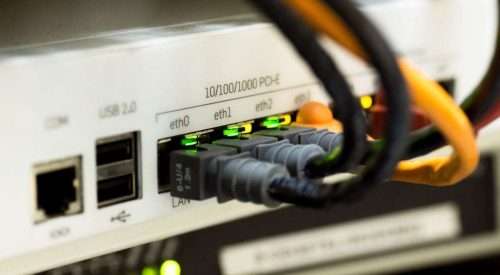
You can visually inspect all cables and power connections, disconnect and reconnect your camera, and ensure there aren’t any devices positioned very close to your CCTV that could be interfering with the signal.
If you have ongoing issues with your power supply that are impeding your ability to protect your business or facility, you might want to consider wireless CCTV as an alternative.
2. I’m Not Getting CCTV Notifications on My Mobile
Most modern CCTV solutions can transmit notifications via 4G or 5G, which removes reliance on an internet connection, but losing remote access is often due to your configuration, not the equipment itself.
In some instances, you’ll find a VPN connection is blocking the feed; in others, you’ll need to reset cloud access permissions.
If your camera hasn’t been configured properly, this will also need to be looked at, including gateways, local networks, and IP addresses.
3. I Can’t See a Clear Live Feed Through My CCTV Stream
One of the biggest issues with CCTV is that cameras aren’t providing the right coverage, leaving blind spots that are easy to exploit. Therefore, if you only have a partial view, it’s worth having the camera reprogrammed by a technician. [1]
You could also discover that something simple like a tree branch is obscuring the live feed, remembering that if your cameras are using digital zoom, even small objects can disrupt the lens.
A more serious problem is damage to the lens or camera itself, because damaged sensors won’t be able to display live feeds, even if the camera has an adequate power supply.
4. My Night Vision Features Aren’t Working
Night vision and infrared LEDs are now common features and ensure you can monitor sites and movement outside working hours. They are used everywhere, from residential homes to supermarkets and retail centres, where theft is significantly more likely overnight.
If you’ve lost night vision, it could be a configuration error with the camera, which means the system isn’t automatically switching to night mode. This is usually controlled by ambient light settings.
This is also another problem that can be caused by insufficient power, as infrared LEDs require extra power to function, or by damage to the LEDs, which may need to be replaced.
How to fix your CCTV problems
Most CCTV issues can be resolved by identifying whether the fault is caused by configuration, power, connectivity, or physical damage.
Problems such as incorrect colours, black and white images, or poor night-time performance are often linked to misconfigured settings, insufficient lighting, or faulty infrared components, all of which can usually be corrected through recalibration, improved illumination, or component replacement.
Interference-related issues, including lines on the video feed, humming noises, or flickering images, are commonly caused by damaged cabling, poor grounding, or unstable power supplies. These faults typically require cable inspections, electrical checks, or the installation of surge protection and stable power sources to restore consistent performance.
Connectivity and recording failures, such as lost remote access, missing footage, or choppy video, are usually network-related. Resolving these issues may involve correcting IP or VPN settings, increasing bandwidth, upgrading storage capacity, or ensuring the system is correctly integrated with the network.
Regular maintenance and professional system checks are key to preventing these problems from recurring. By routinely testing cameras, power supplies, cabling, and software settings, CCTV systems remain reliable, effective, and fit for purpose as site conditions change.
When Should I Try to Fix a Problem With My CCTV Myself?
Some CCTV outages are quick and simple to fix, often because a cable or plug has become loose; in that case, it’s just a matter of correcting the connection, which should get your surveillance back in action.
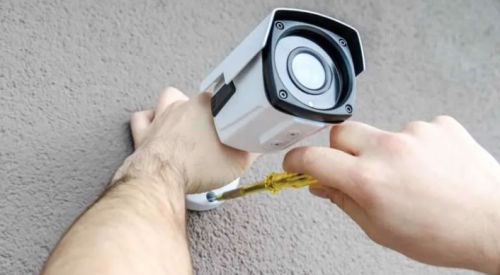
However, it’s also common for CCTV to be poorly configured, usually due to a DIY installation, so if your CCTV is fairly new or has just been fitted, that is more likely the culprit. [2]
‘While there are some minor issues that you’ll be able to correct yourself, we can’t overstate the importance of avoiding any electrical wiring or trying to fix a camera if you’re not 100% confident you know what the problem is and have the skills and equipment to do so.
It’s far better to call a professional engineer who can diagnose the fault quickly and replace components as necessary rather than injure yourself or make the problem worse.’
We can help fix your CCTV Problems
Many common CCTV problems stem from poor maintenance, outdated equipment, or systems that are no longer suited to how a site is used. Without regular checks, faults can go unnoticed, footage quality can degrade, and protection can fail when it is needed most.
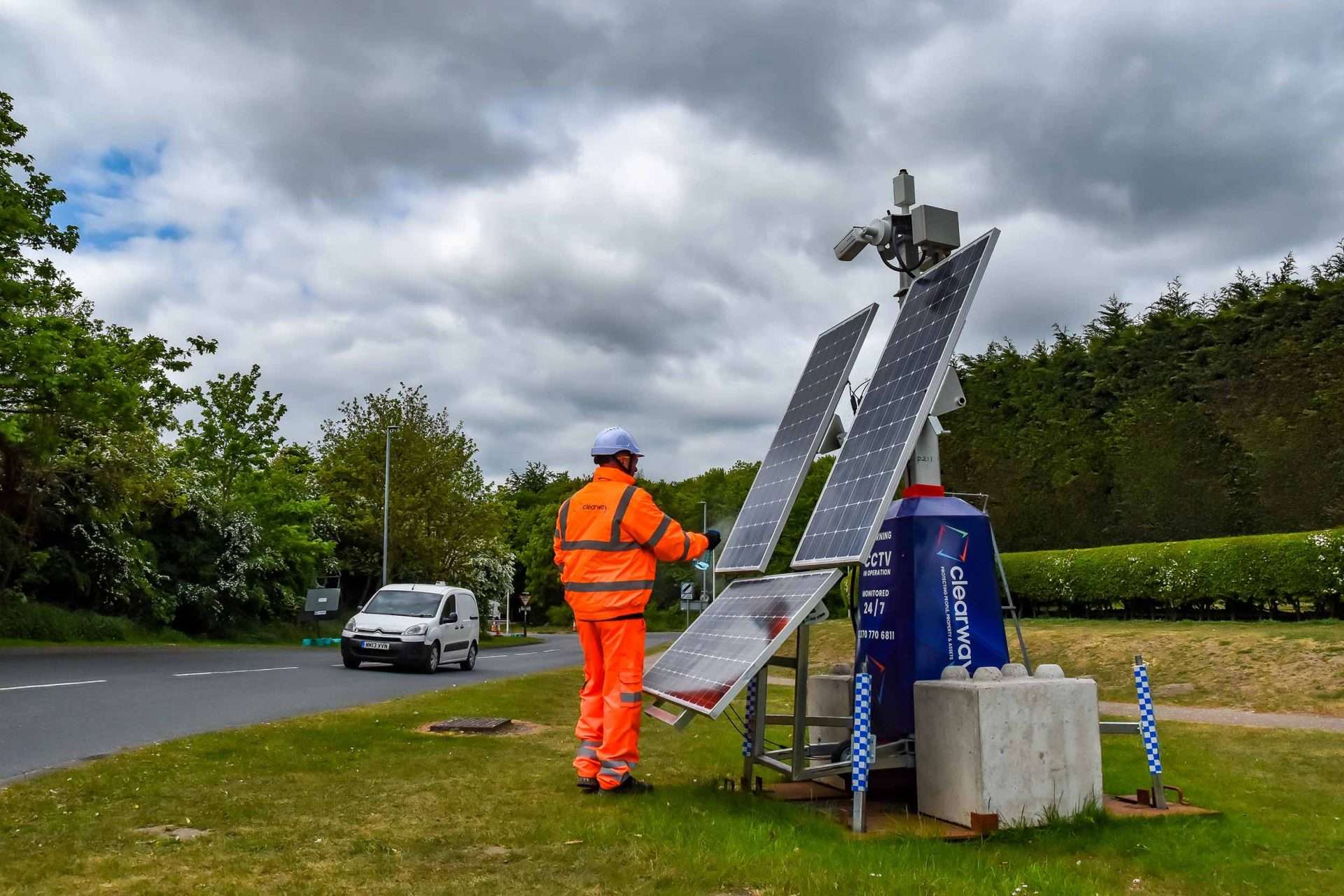
Clearway provides professional CCTV maintenance to keep systems reliable, compliant, and performing as they should. From routine inspections and fault diagnosis to upgrades and ongoing support, Clearway ensures your CCTV continues to protect your site effectively, day after day.
Frequently Asked Questions
How Can I Tell if My CCTV Isn’t Working Because it’s Been Tampered With?
Visual inspections should make it obvious whether a wire has been cut or disconnected, but jamming is less easy to identify. If you’re worried that criminal activity could interfere with your surveillance, it’s best to call a security specialist urgently.
How Long Should CCTV Cameras Last on Average?
It’s difficult to give a direct answer because there are thousands of CCTV models, systems, and designs, each with very different lifespans. As a rough estimate, even a basic camera should last at least a few years, though a lack of regular maintenance could reduce that.