

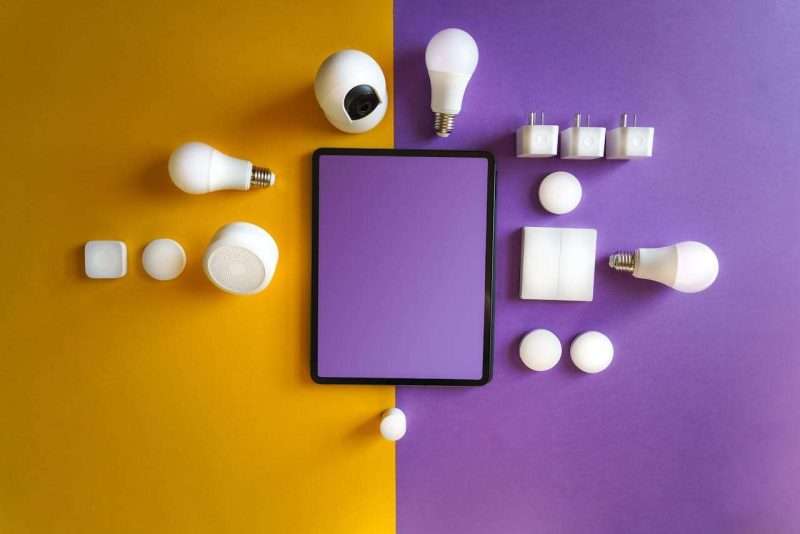
IoT stands for the Internet of Things, which refers to networked objects and assets that communicate and work interconnectedly via the Internet.
Examples of IoT-enabled devices you might use every day include smartwatches and voice assistants, which use the same technology as you’ll find in self-checkouts, cars, transport systems, and security.
The core benefit of IoT cameras is that they introduce intelligent and dynamic security. They adapt to the environment to extract real-time information and notifications in cohesion with other assets and network features.
Security cameras with IoT functionality transmit and receive data via local area networks or an Internet connection, offering instant streaming, immediate alerts, and alarms. They also enable supervisors and security teams to remotely access footage and captures from anywhere with a live connection.
How Do IoT Security Cameras Work?
In recent years, the speed of advancements has meant that the technology available has evolved significantly, introducing extensive communication systems and networks to provide excellent reliability without a significant investment in wiring or telecom infrastructure.
Most areas already have sufficient Internet speeds to support IoT architecture.
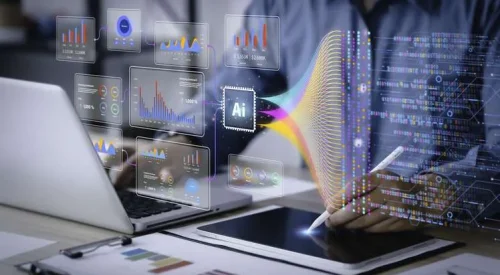
Many IoT cameras incorporate the latest AI and deep learning capabilities, with features like facial recognition and behavioural analytics, to broaden the responsiveness and intelligence security professionals use to manage risks and emerging threats.
Combining always-on communications and smart functionality means that a set of IoT surveillance cameras can:
- Differentiate between normal, everyday activities and anything suspicious, unusual, or that requires investigation.
- Streamline surveillance over broad areas and complex sites, with ongoing data sharing to correlate information or cross-check potential alerts.
- Integrate with almost any other Internet-connected device, providing a more comprehensive secure ecosystem where intelligent software supports the full use of all relevant assets within your network.
Examples of IoT surveillance in action in commercial and public settings might involve wide-scope networks connecting alarms, AI CCTV cameras, smoke detectors, motion sensors and perimeter intruder detectors, working autonomously to interpret events and raise accurate, timely alerts where necessary.
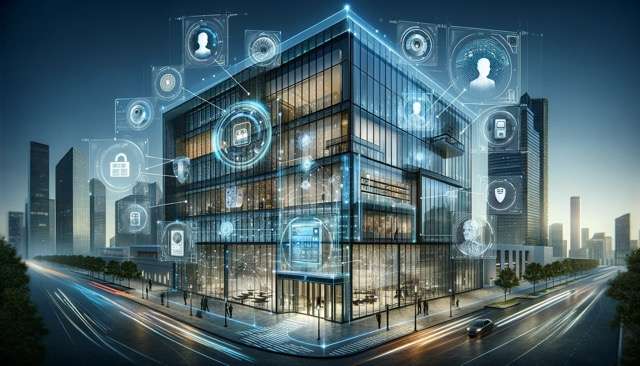
Applications for IoT Cameras in Your Security Approach
IoT cameras improve operational efficiency for many businesses and commercial entities, reducing reliance on manual supervision and removing the need to physically watch live CCTV streams to monitor for unusual or suspicious activity.
IoT cameras are already used across higher-risk sectors, such as banking, retail spaces, and complexes with a high level of theft, as well as in events management, where businesses need dependable ways to detect suspicious movements quickly.
One of the standout benefits is that smart IoT cameras can manage surveillance over multiple locations, devices, alarms, touchpoints and cameras, bringing all that security intelligence together on one platform.
Some of the existing examples of IoT surveillance include:
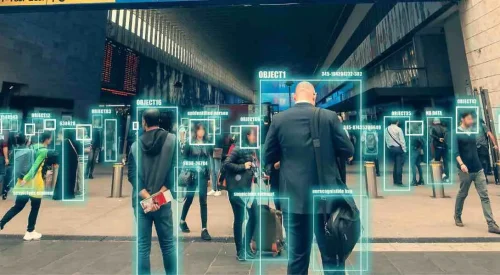
- Tracking foot traffic in shops and supermarkets, flagging potential shoplifters, and identifying known previous perpetrators.
- Monitoring higher-risk facilities for any threats, from intrusions to fires, equipment malfunctions, and unauthorised entry attempts.
- Supervising gatherings and crowds at events, ensuring any disturbances or issues are flagged quickly to support a targeted security response.
- Monitoring hospital and healthcare settings, particularly in controlled environments where staff need to know immediately if a person at risk attempts to move or leave, without the intrusion of continual physical supervision.
Many experts anticipate the emergence of smart cities or urban settings in the future, with intelligent cameras able to monitor traffic flows, support public safety, and track environmental factors like pollution, weather conditions, congestion, and sunlight.

Using IoT Cameras as Part of a Smart Security Protocol
The communication speeds and connectivity between devices, operators and responders ensure that IoT cameras provide an end-to-end solution, giving commercial organisations better ways to safeguard assets and detect unusual behaviour.
Operators can, for instance, rely on IoT camera systems to provide real-time alerts when people enter or leave a facility, including an analysis of whether those individuals are approved as verified visitors or personnel via a live database.
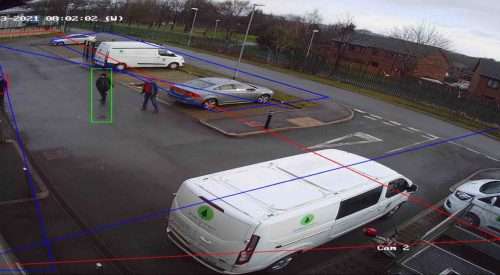
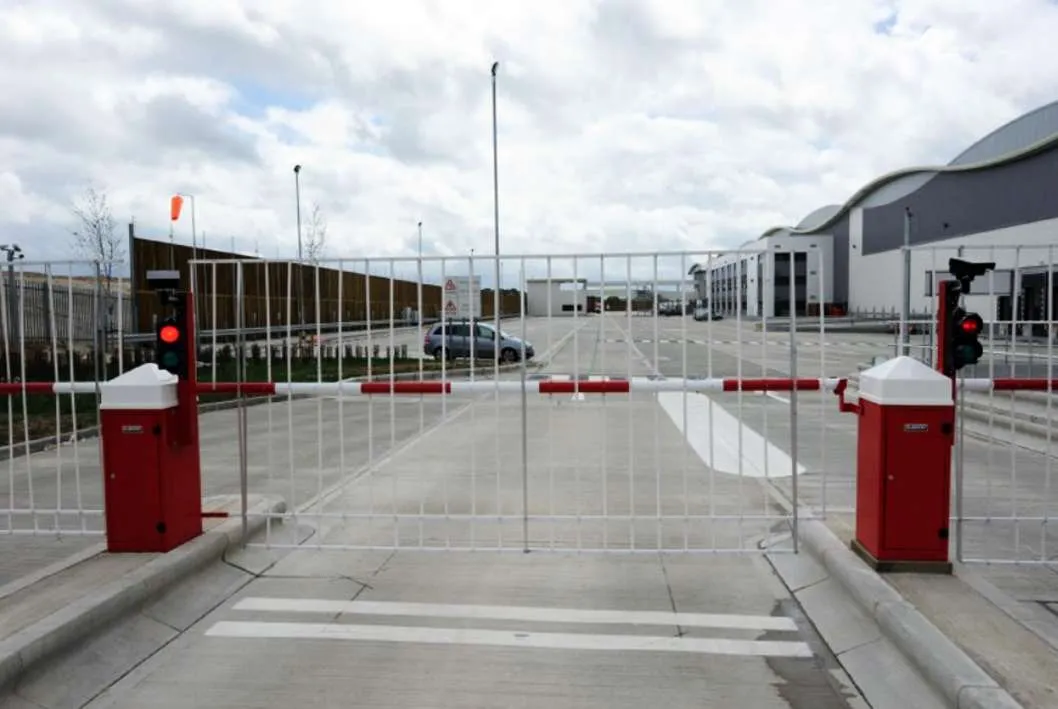
This same functionality provides the ability to track vehicular movements and introduce automated, fast access controls. Cameras can determine the nature, credentials, and type of vehicle on approach to perform the appropriate action—such as lowering a bollard or raising a security gate.
However, IoT cameras are far from being suited only to outdoor applications. They can be integrated into your security system to track anything from high-value stock to business-critical assets, equipment, and machinery.
Companies might incorporate IoT surveillance to ensure stock is traced, to assist in workflow and productivity management or advanced stock and shipping controls, with on-demand oversight of where any item of inventory is at any given point.
They can also use IoT surveillance to aid in fast reactions, such as monitoring the temperature and humidity to ensure conditions are well controlled without the risk of damaging inventory—highly relevant in food and pharmaceutical production, among other industries.
The key is knowing that your security network is always operational and will not fail to advise if something falls outside of the norm or hits a trigger that requires an immediate human response.
Many opt for dual communications to ensure that crucial notifications and alerts will not be interrupted or delayed in the event of an outage or connectivity glitch.
How Can IoT Surveillance Systems Be Used in Public Safety Management?
Alongside using IoT cameras in site security, crowd monitoring and access controls, these intelligent surveillance assets and the algorithms that support ongoing analytics and behaviour monitoring are ideal for spaces with elevated safety risks.
These could include sites involved in high-heat production processes or public buildings like local council offices, job centres, schools, hospitals and libraries.
A set of IoT cameras monitors everything across the whole premise simultaneously and can prove enormously effective in fast emergency responses.
If the sensors detect smoke or changes to the air quality, they might activate evacuation protocols, turn on sprinklers, or turn on ventilation systems to prevent avoidable accidents, health risks, or incidents.
Conversely, in the event of a serious security event or attempted intrusion, the IoT controls might activate secure locking mechanisms to prevent break-ins, protect the wellbeing of everybody inside, and notify security responders and the emergency services immediately, with precise, accurate information about the location, nature and time of the alert.
Related content
How Is Artificial Intelligence and Machine Learning Used in Video Surveillance?
Mon Oct 28 2024
How to Prevent False Alarms for Your Business
Mon Sep 23 2024
AI Security: What Is AI in the Context of Security?
Tue Sep 24 2024