


AI and machine learning have become intertwined with countless aspects of our everyday lives, from using facial recognition to unlock your mobile to intelligent product recommendations at checkouts and software that predicts the words you intend to write.
In the world of security, artificial intelligence has been a game-changer, providing innovative, advanced tools and functionalities that can anticipate aggression, movement patterns, or criminality before they occur and learn normal routines to differentiate between people, objects, or instances that are non-suspicious – and those that are.
In this article, we’re discussing the use and effectiveness of AI within security applications, the way smart analytics transform conventional security camera applications, and the benefits of replacing static, non-responsive surveillance with AI-enabled alternatives.
Applications for Machine Learning and AI Within CCTV and Security
- The core reasons so many higher-risk environments, commercial entities and public organisations are turning to AI-powered surveillance is that it provides improvements in accuracy, risk management, proactivity and threat prevention.
- Rather than working like a traditional CCTV system, which requires manual around-the-clock monitoring or depends on the instincts and reaction times of security guards, AI can apply deep learning functionality that identifies even subtle indications of a disturbance and becomes even more precise over time.
- Within video analytics, for example, a surveillance system with AI integrations doesn’t passively record but continually applies algorithms to scour footage across multiple cameras and huge sites to flag any event, item, or movement that poses a possible concern.
These surveillance units can trace and monitor almost anything, including movement, dropped objects, vehicular activity, entry requests, return visits, items removed from their usual place, and individual facial and physical characteristics.
Should a person previously ejected from the premises, behaving suspiciously, or who is not authorised attempt to enter, smart CCTV will instantly cross-reference their face or mannerisms with previous data and raise the alarm to enable security responders to react.
While this is just one theoretical scenario, the uses of video surveillance equipped with AI are sweeping. We’ll run through some of the functionalities below to demonstrate how these work.
Intelligent Video Surveillance for Behaviour Analysis
Part of the reason it can be difficult for physical guards to monitor all possible issues is that they have a limited field of vision and may not have the capacity or time to trace every visitor or site user, especially in busy settings like festivals, events and retail spaces.
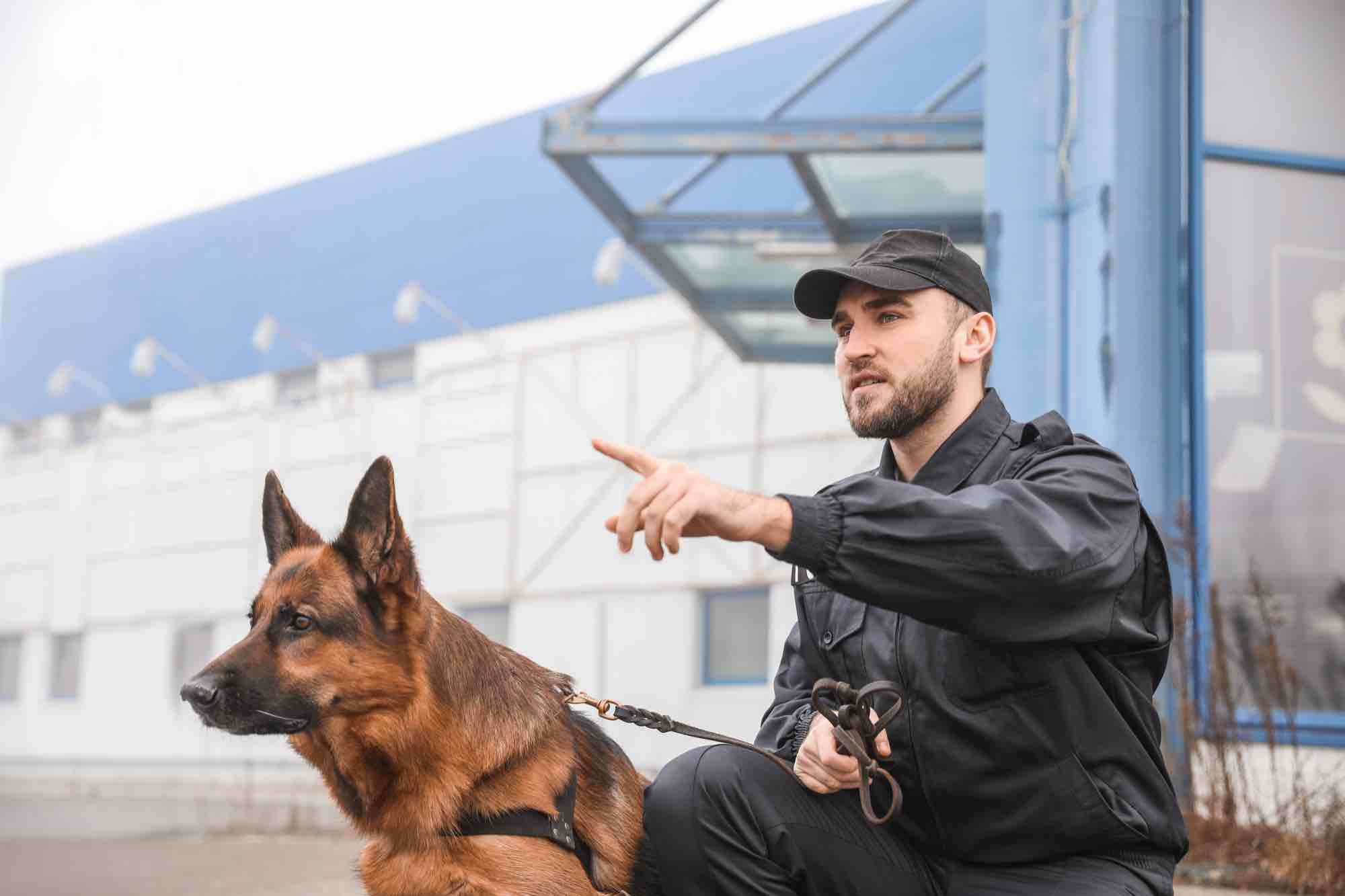
AI video surveillance has no such restrictions on capacity and can develop an understanding of any activities that are potentially unusual or outside of the norm, including:
- Loitering without any legitimate reason
- Remaining on-site for longer than expected
- Returning to the same place repeatedly
- Attempts to enter controlled areas
- Movements that appear aggressive
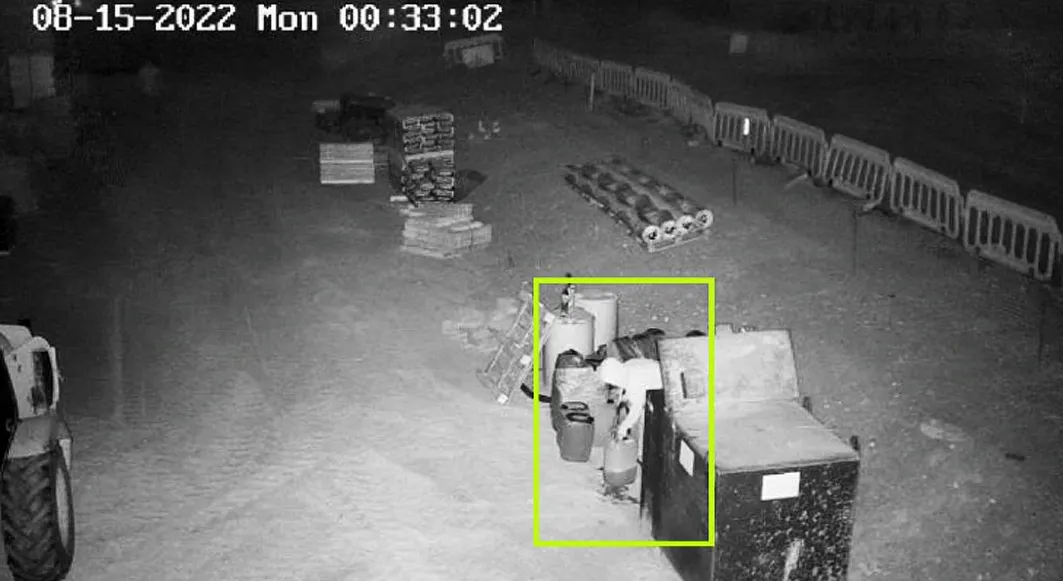
Within larger environments, AI video surveillance can pick up on even small signs of unwanted behaviour or suspicious activity, either warning on-site security teams or following the individual until the concern has been verified or eliminated.
Predictive Analytics Within AI-Enabled Surveillance
One of the advantages of an AI CCTV camera is that it behaves proactively. In real-world scenarios, that means a video surveillance system can spot something that could be an emerging or developing threat before it happens.
The benefits are compelling. Security teams can remove an individual, investigate an escalating incident, deploy resources, and prevent security issues, from serious crimes related to suspicious items left in concealed places to calming down tensions between visitors.
Because alerts are automated and immediate, security teams do not need to focus their time on monitoring multiple feeds or depend on their experience to notice something unusual. Instead, they can use their time as a visible deterrent, monitoring access controls or providing AI crowd control, safe in the knowledge that anything untoward will be detected swiftly.
Using AI in Video Surveillance to Classify and Categorise Alerts
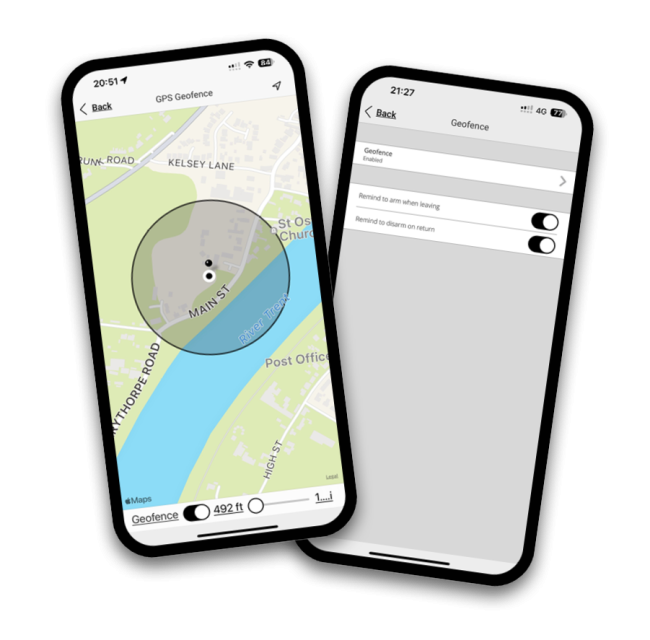
Another excellent function AI offers is the ability to identify the nature or type of object or movement with precision, which allows security teams to react accordingly and proportionately, whether they are dealing with:
- A deliberate act of trespass or a perimeter breach
- An object left unattended or stopped vehicle
- Unusual behaviours within crowds of queues
Instead of over-responding to minor incidents or failing to recognise the severity of a serious unfolding issue, security teams can respond with full oversight of what has happened, where, and whether to contact the emergency services.
High-resolution captures that trace movements and actions across a site can also be used to support prosecutions and investigations. Fast and intelligent search capabilities enable AI to scan even vast data banks using data mining techniques to discover any correlations or similar occurrences.
Limitations of Machine Learning-Enabled Video Surveillance
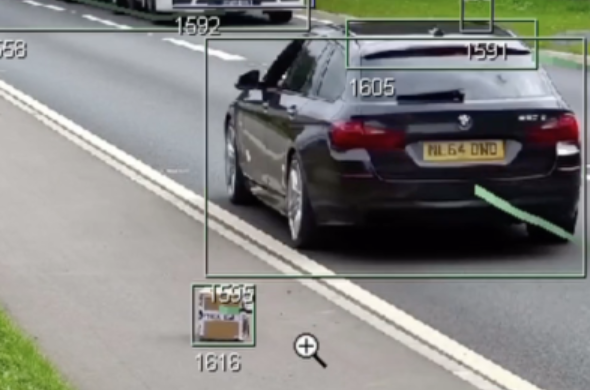
The adoption of AI and machine learning technologies in surveillance and critical security applications is inevitably likely to continue at pace, with the ability to incorporate facial recognition, vehicular detection and intelligent video analytics.
However, there is no suggestion that AI can replace experienced security teams or act as a one-stop solution to mitigate and prevent all potential threats and risks.
We always recommend companies, corporations and public sector bodies interested in the usage of AI within their surveillance consult the Clearway Labs team to make informed decisions, with complete oversight of possible concerns such as:
- Risks of connected networks exposed to cybersecurity vulnerabilities. Video feeds and notifications must be robustly protected with encryption and updated security controls to prevent the potential for data theft or for signals to be intercepted.
- Data security, where organisations must comply with regulations and legislation to prevent any breaches of privacy rules, especially when using technologies such as facial detection and continual monitoring.
- Complete reliance on AI surveillance, where human oversight remains essential, and sites need to ensure they have the right policies, resources and security responsiveness to react to CCTV alerts at all times, day or night.
For more information about automated monitoring, real-time behavioural analysis and the advantages of video surveillance equipped with machine learning and AI functionality, you are welcome to get in touch.
Our specialist security consultants can suggest the ideal solutions and surveillance upgrades to prevent risks, ensuring the algorithms embedded into video surveillance have the right training and analytical performance to identify relevant threats, whether violence, fire, vandalism, intrusions, thefts or loitering.
Related content
Fri Jan 12 2024
Thu Feb 15 2024
Sun Aug 11 2024