


A large proportion of people work alone, whether they operate as independent professionals or tradespeople, work as drivers or home care visitors, are freelancers, or work from home some or all of the time – and there are several personal safety issues to consider in any of these scenarios.
While employers have mandatory requirements to protect lone-working staff, it’s also sometimes down to the individual to take action to ensure they’re not injured or unwell without a way to call for help, or left in a situation when they’re confronted by an intruder and don’t know what to do. So how do you keep yourself safe when working alone?
Clearway’s lone working experts and security advisers have collated our top tips and recommendations, from conducting clear risk assessments to organising training and investing in next-gen personal safety devices.

Protecting Lone Workers: Quick Facts
- Working alone might be a necessity or a preference, but if you don’t have anyone supervising your work, are isolated, and can’t summon help in an emergency, you might be taking unnecessary risks.
- Lone worker safety threats can be considerably higher in some sectors, especially in public-facing roles, healthcare, and security, and in positions that involve attending callouts in individuals’ own homes, which means careful thought should be given to how to bring those risks to an acceptable level.
- Responsibilities for lone worker safety fall on both employers and lone workers, and it’s far preferable to spend some time implementing safeguards rather than assuming a threat will never materialise.
7 Steps to staying safe when working alone
1. Assess the Risks of Every Job, Callout, or Environment
Lone worker risk assessments should always be in place and are a legal requirement for businesses to ensure they’re mitigating threats to worker safety – but you may also need to use your own judgement and experience if you’re facing a situation outside the norm, or that hasn’t occurred before.
While we can offer far more detailed insight into the risk assessment process on request, you’ll need to consider the likelihood of accidents, medical emergencies, falls, equipment malfunctions, or aggression, and what happens next.
Lone workers should have a way to communicate, raise an alert, summon help, or contact the emergency services, even when working in very remote, rural, or isolated spaces overnight. A lone worker device is perfect for this.

2. Get Professional Advice and Training Support
One of the reasons lone working is considered so high-risk is that there are no second opinions and no one to tell if you’re unsure or uneasy, which is why independent guidance and high-quality training can make all the difference.
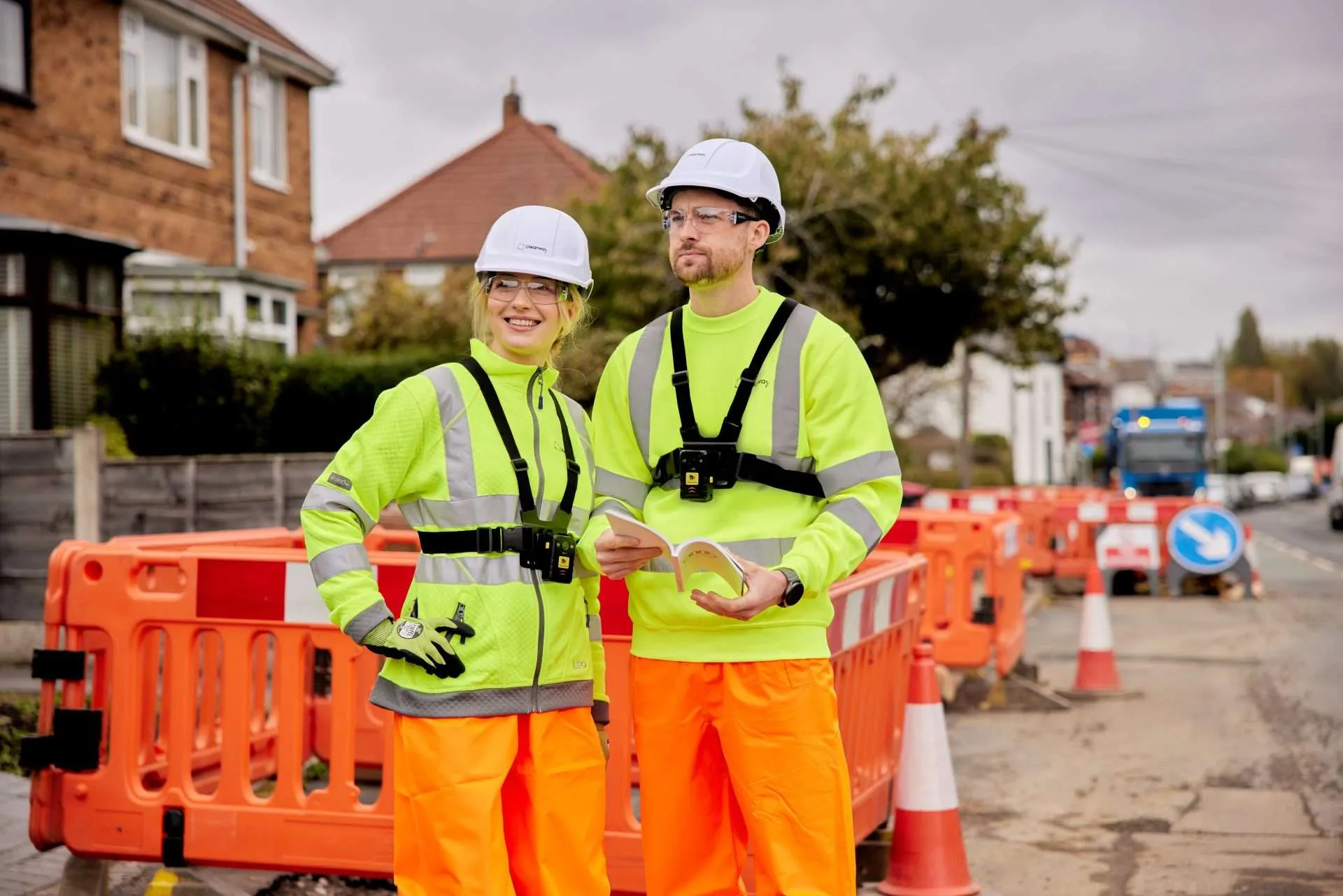
From safety briefings to implementing wearable bodycams for all lone workers, setting up a panic alarm with 24/7 monitoring, and attending emergency first-aid training, having the right information and know-how is essential.
There are countless ways to enhance safety without impacting productivity, such as digital communication systems that allow lone workers to check in, advise when they are leaving, and report back to a central office if they’ve been asked to complete additional work or will need longer than originally expected.
This matters because, without a form of live, any-time communication, there is a serious risk that a lone worker might have fallen or had a bag or vehicle stolen, and their absence might not be noticed for some time.
3. Deter Opportunist Security Threats
Most thefts, break-ins, and intrusions are opportunistic – a criminal or trespasser might see a toolbox or a vehicle with the door open and the engine running and take a chance.
Taking sensible precautions to deter threats is a great way to improve the outcomes of your risk assessment and ensure you’re not taking unnecessary risks with your personal safety. You might, for example:
- Use body-worn cameras so it is obvious a lone worker has someone available to help, or can live-record interactions if necessary.
- Put up signage at sites where lone workers are operational, stating that 24/7 recording or alarm monitoring is in progress, or advising prospective intruders of manned guard patrols or K9 perimeter security teams.
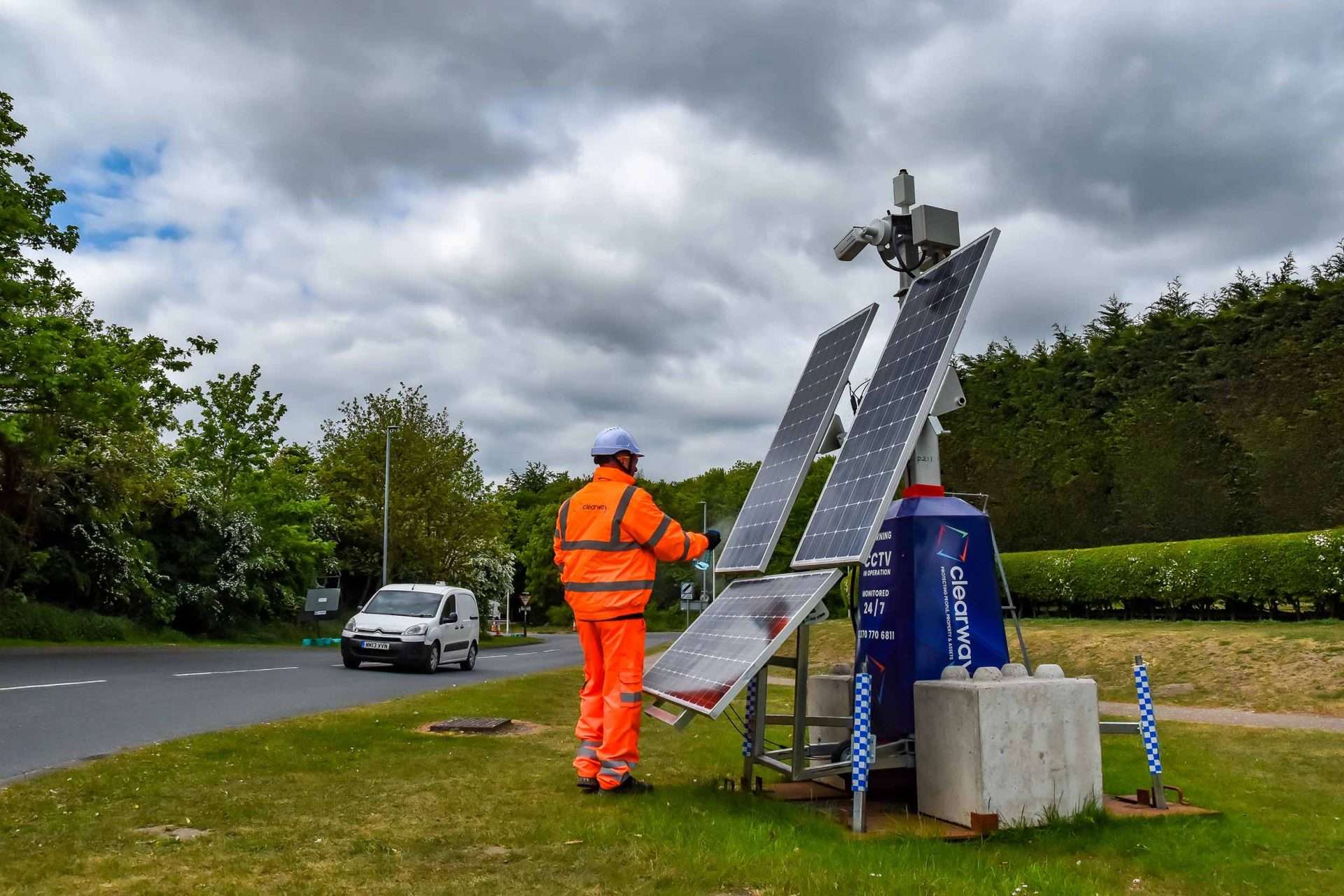
- Install CCTV towers at construction or highway work sites to make it clear that the site is under surveillance.
In other situations, you might want to have subtle security solutions, such as when working in healthcare or supporting vulnerable people. There are ample options, such as GPS-enabled personal alarms that trace your location at all times, and SOS systems that activate a rapid transmission circulated to our Alarm Response Centre (ARC).
4. Develop Agile and Up-to-Date Lone Working Policies
If you employ lone workers, you must have a lone working policy and adhere to the relevant legislation on workplace safety and worker protection, but this remains advisable for independent professionals and businesses alike.
Policies create a plan you can follow and refer back to, which details who is working alone, when, and for what reason, the risks involved, how those threats are being managed, and how they can communicate in an emergency.
This can lead to identifying a need for additional training, personal safety devices, advanced site-specific security, and other measures, enabling you to update your risk assessment to reflect the actions taken.
5. Review your lone working policies often
We’ve talked about risk assessments and their importance, but we recognise that a static, once-a-year risk assessment isn’t going to be relevant for all lone workers.
For example, a tradesperson or health visitor might attend several calls to private homes each day and be unable to produce a detailed risk assessment that covers every potential circumstance.
In this situation, we’d recommend following all of the above steps while also creating dynamic risk assessments that provide a framework against which you or your lone workers can quickly assess whether they are comfortable, and whether they need to take additional steps to protect themselves.
Further Support With Lone Working Safety
As we’ve seen, lone worker risks can be serious, and it’s vital that employers and lone workers take action to ensure they’re not unnecessarily exposed to threats to their personal safety, well-being, or health during the working day.
If you’d like a chat with the Clearway team about any of the advice covered here, or about how best to manage specific risks you encounter in your role or business, you are welcome to get in touch.