

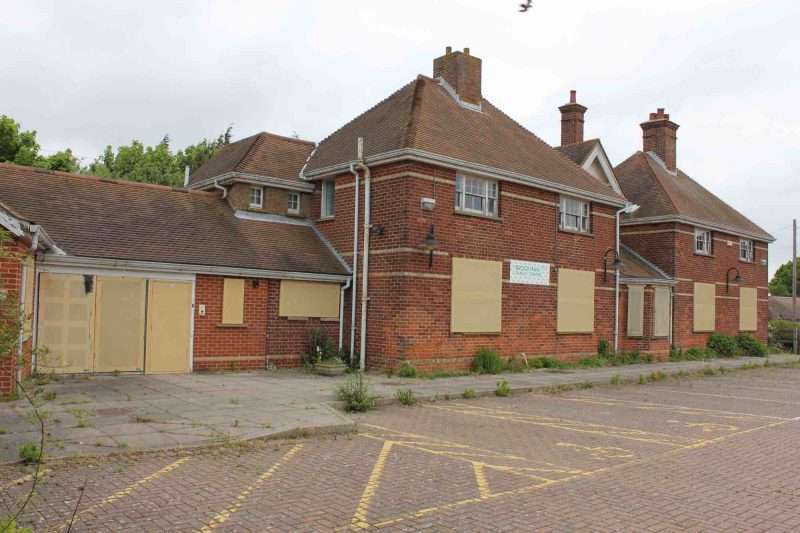
If you own commercial property that is currently sitting empty, you might be asking yourself – do I have to pay business rates on an empty property?
Unfortunately for UK property owners, having your commercial property empty will not make you exempt from paying business rates. You’ll be liable for business rates within the first 3 months of your property being empty. However, there are some instances where you can avoid paying business rates on your commercial property that we’ll discuss in this article.
Avoiding business rates on an empty property – quick facts:
What are Business Rates?
Business rates are the tax rates that an owner pays on commercial property, with some long-standing exemptions. In England*, you are fully exempt from paying business rates if your commercial property falls under one or more of the following categories:
- Properties registered for religious use
- Properties used to help or educate disabled people
- Properties related to agriculture (in which the main purpose of the building is agriculture, fish farming etc)
*(For properties in Scotland, Wales and Ireland, these rates differ and you’ll need to consult each official government website for updated regulations.)
What does empty mean for business rates?
If your commercial property is currently empty, you may still be liable to pay business rates. While all commercial properties will benefit from a 3-month period of relief from business rates, there are also several types of commercial properties that will enjoy an extension to this relief period.
If your commercial property belongs to one or more of the following categories, you’ll be eligible for an extended period of relief for business rates, provided that your property is fully empty and not in use:
- Industrial commercial properties (3 month extension, 6 months in total of business rates relief)
- If your building is a listed building, you will only begin paying business rates once the property is occupied once again
- If your property is worth less than £2,900, you will only begin paying business rates once the property is occupied once again
- If the property is owned by a known and registered charitable organisation, business rates will re-apply only when the building is occupied again (provided that the building will be again used for charitable purposes)
- If your building is used exclusively as an amateur sports club, business rates will only re-apply once the building is occupied once again for the same purpose
3 ways of avoiding business rates on an empty property
If you own commercial property and it’s currently empty, there are a number of ways that your building might be exempt from paying business rates until it’s re-occupied. Don’t forget that the 3-month exemption from business rates applies uniquely to the property, not the landlord. You cannot avoid business rates by constantly switching or changing ownership, as the rates apply to the building, not the landlord.
Here are some ways you can avoid paying business rates on an empty property:
Damaged building (incapable of occupancy)
If your building has recently experienced severe damage, you can make a case against paying business rates as your property will be considered unsuitable for “beneficial occupancy.” If you make this claim, you’ll need to prove that the building has experienced severe damage that has rendered it impossible or unethical to let.
Fire damage, flood damage, and damage to the structural integrity of the building would make this case, while some other moderate damage (faulty electricity or lighting) may also be covered. Some property owners try to interfere with the functionality of their property in order to avoid business rates, but this is not recommended and in no way guarantees exemption.
Lease the building to a charitable or religious organisation
If your property will remain empty for the foreseeable future, you can avoid business rates by leasing the building to a charitable or religious organisation. Provided that the building will be used exclusively for charitable purposes, properties used for charity will enjoy an 80% reduction in business rates. Businesses used for religious purposes will enjoy business rates exemption at 100%, again provided that it will be used exclusively for religious purposes.
Make use of property guardians
If you want to avoid paying business rates on an empty property, one of the easiest ways to achieve exemption is to make use of “property guardians.” Property guardians will live temporarily in the building, switching the property from a commercial property to a residential building. When you switch from commercial property to residential, you’ll stop paying business rates and pay council tax instead, saving around 90%.
Find out more about vacant property rules
If you’re new to the nuances of vacant property, get in touch with Clearway today and enquire about our vacant property management services. We’re experts in empty property security, offering everything from temporary alarms to metal security doors and screens. We secure, monitor and protect.
Frequently Asked Questions
Do I have to pay business rates on an empty property?
Yes, most empty commercial properties are liable after a 3-month relief period, though some exemptions and extensions apply.
Which properties are exempt from business rates?
Buildings used for religious, charitable, agricultural, or disability-related purposes may qualify for full exemption.
Can I reduce or avoid business rates on an empty building?
You might if the property is damaged, leased to a charity, or temporarily converted for residential use.
How can I protect an empty commercial property?
Vacant property specialists like Clearway can secure, monitor, and manage unoccupied buildings to keep them compliant and protected.
Recent posts
Security Trends for 2026: How Technology and Insight Are Reshaping Commercial Protection
Tue Mar 10 2026
Mon Mar 9 2026
CCTV Signage Rules: Do you need signs for CCTV?
Mon Mar 9 2026