

If your business alarm system is ageing, frequently triggers false alerts, or can’t be monitored remotely, it may be time to upgrade. Alarm technology has advanced rapidly in recent years, and today’s systems are faster, smarter, more secure, and often more cost-effective to run.
We regularly speak with businesses whose legacy setups no longer meet modern standards or expectations. Whether it’s unreliable sensors, outdated wiring, or lack of AI integration with monitoring and video systems, these shortcomings can leave properties vulnerable and compliance at risk.
With that in mind, we’ve outlined:
- When and why your business should consider upgrading its alarm system
- Key features and benefits of modern alarm technologies
- The types of legacy systems that are becoming obsolete
- A side-by-side comparison of old vs new alarm solutions
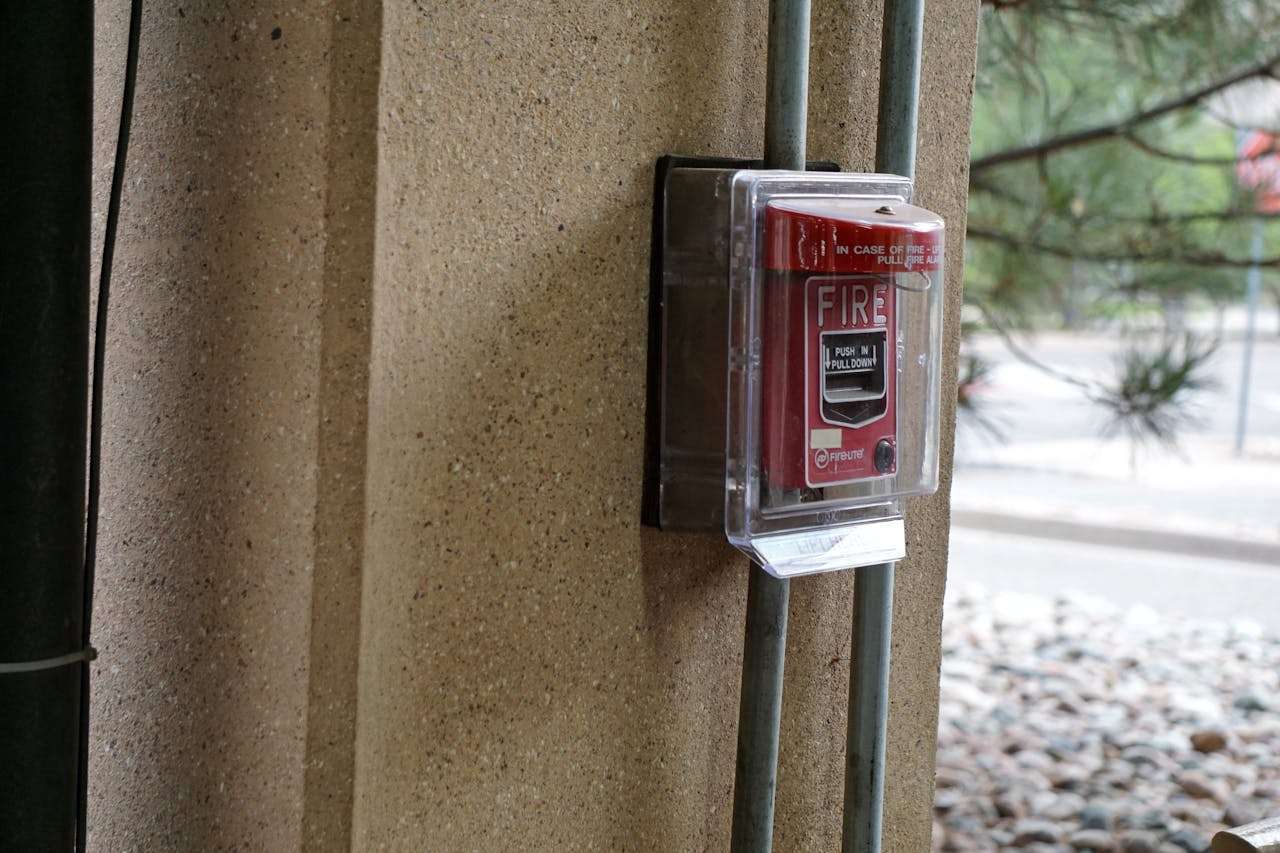
Is It Time to Upgrade?
Many businesses operate with the same alarm systems they installed ten or fifteen years ago. While these setups may still function, they’re unlikely to meet current standards for threat detection, emergency response, or insurance compliance.
“Technology has moved on. Today’s smart alarm systems use AI, mobile access, and integrated monitoring to respond more intelligently to threats. Businesses still relying on wired or analogue systems risk being left behind — and exposed.”
Why Upgrade? Common Business Drivers
Upgrading doesn’t always mean starting from scratch. But knowing the limitations of your current setup is crucial.
1. False Alarms and Callout Charges
Older systems often lack the calibration or logic to differentiate between genuine threats and environmental triggers, leading to regular false alarms. These not only waste time but can result in expensive monitoring callouts — and staff fatigue from repeated out-of-hours alerts.
2. Insurance and Compliance Issues
Modern commercial insurance policies frequently require monitored intruder alarms that comply with British Standards (BS EN 50131). Failing to meet these standards may invalidate your policy, or prevent police response during an incident.
3. Limited Functionality and Integration
Legacy alarms are often standalone, hard-wired systems with minimal flexibility. They can’t be monitored remotely, don’t integrate with access control or CCTV, and offer no real-time updates. Today’s systems offer remote management, event logging, smart analytics, and live notifications as standard.
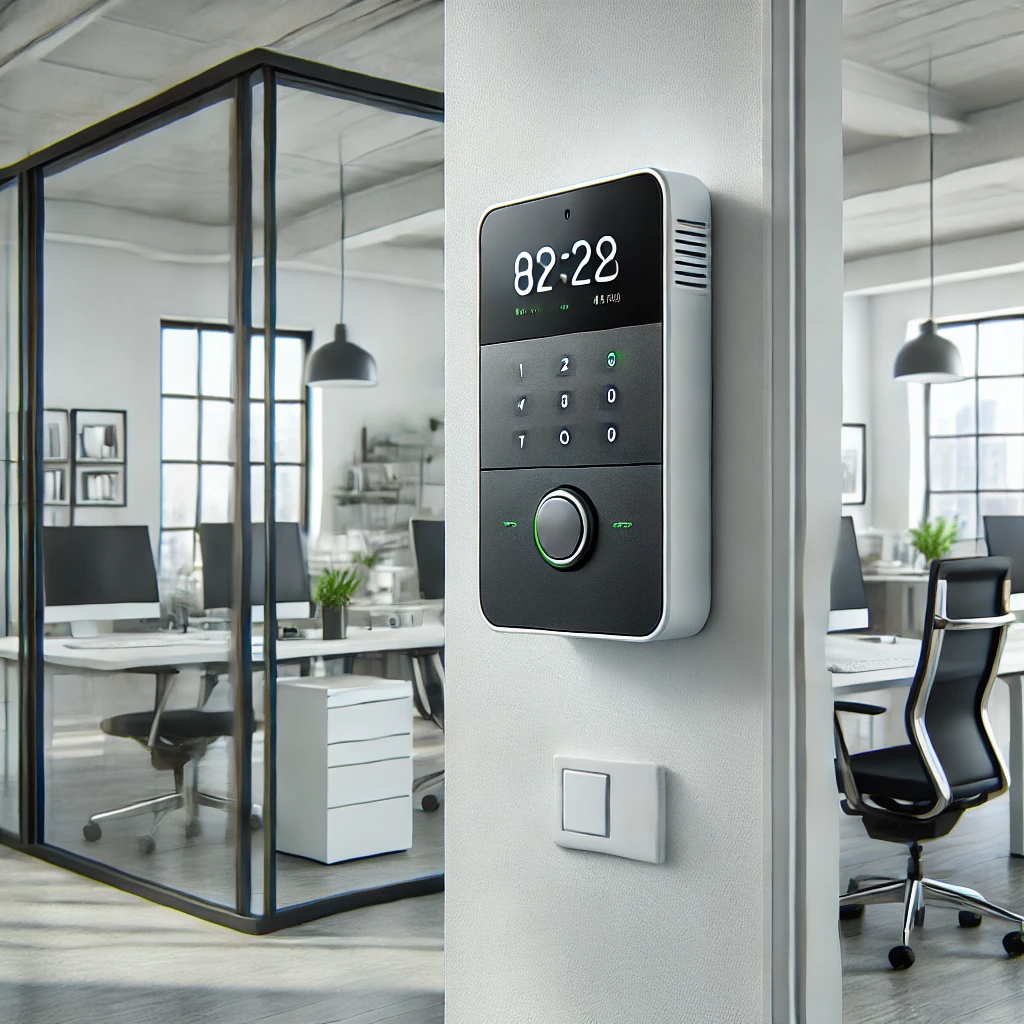
Outdated Alarm Systems: What’s Going Out of Fashion?
Some of the most common legacy systems we encounter include:
- Hard-wired alarm panels installed over a decade ago, with minimal ability to expand or upgrade
- Dialler-based monitoring, which calls out a list of numbers but doesn’t integrate with live response or video verification
- Passive infrared (PIR) only setups with no AI assistance or logic to reduce false positives
- Standalone systems that operate in isolation from your other security assets, like CCTV, lighting, or access control
- Systems reliant on old copper phone lines, which are being phased out across the UK
These setups might still work — but they fall far short of what’s possible with current technology, and may leave your premises exposed to risk or compliance issues.
Who are the main culprits for out-of-date security systems?
At Clearway, we frequently conduct site audits and alarm takeovers for businesses across the UK. In our experience, certain sectors are more likely to be relying on alarm systems that are no longer fit for purpose — either because they were installed over a decade ago or have been neglected over time. Below are the most common culprits.
Industrial Estates and Warehousing
We often find that warehouses and industrial sites still depend on hard-wired, zone-based alarm systems installed many years ago. These setups typically lack remote access, produce regular false alarms, and don’t integrate with modern CCTV or perimeter protection systems. The “it still works” mindset often masks serious gaps in coverage.

Multi-Tenant Office Buildings
In shared office blocks or business centres, the responsibility for alarm systems usually falls to landlords or property managers. We frequently encounter fragmented systems — with outdated panels, patchwork upgrades, and no central monitoring or smart control. This can create inconsistent protection across tenants and introduce compliance issues.

Retail (Independent and Franchise)
Independent retailers and smaller franchise locations are often locked into long-standing contracts with legacy alarm providers. We find that these businesses commonly operate outdated dialler systems, no longer meet insurance requirements, and suffer from a high rate of false alarms due to basic sensor setups.

Residential Portfolios and Lettings
We frequently support landlords and property managers with large portfolios, and it’s common to see ageing alarm systems in use — especially in older buildings. These systems are often standalone, non-monitored, and based on discontinued equipment. We also find that there is limited awareness of how these systems affect insurance compliance.
Healthcare, Clinics and Care Facilities
Healthcare sites and care homes are often overlooked when it comes to alarm upgrades. Many still rely on legacy systems installed during original construction. Because of the operational sensitivity of these environments, upgrades are often delayed, yet we regularly find serious limitations — including no integration with emergency response, lack of remote access, and outdated user interfaces.

Construction and Temporary Sites
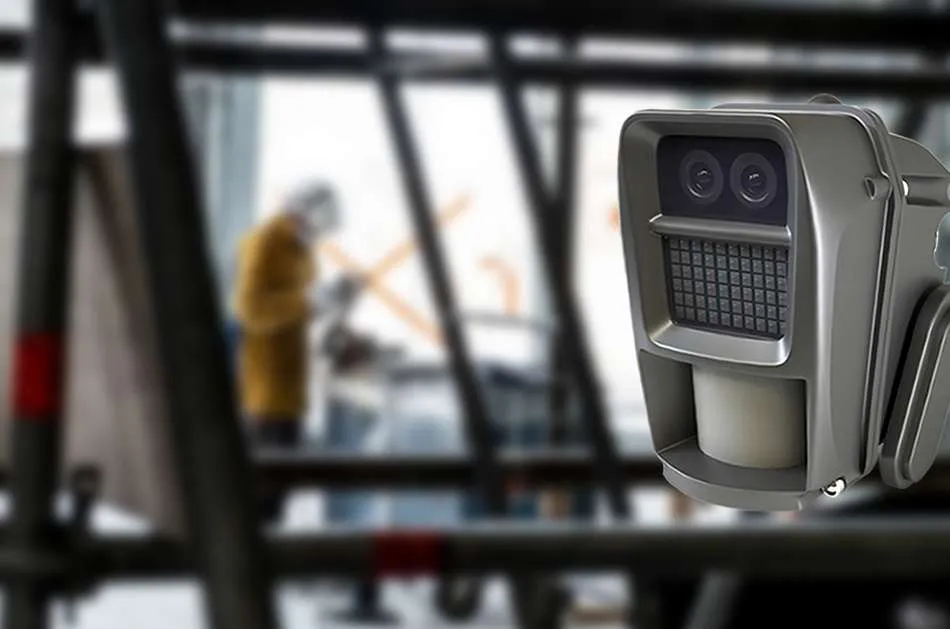
We’re frequently asked to step in where reused or DIY alarm kits have failed to deliver. Construction sites, in particular, may rely on portable systems that haven’t been updated in years. We find a heavy reliance on motion-based detection, minimal camera coverage, and systems without live monitoring or AI-based threat detection.
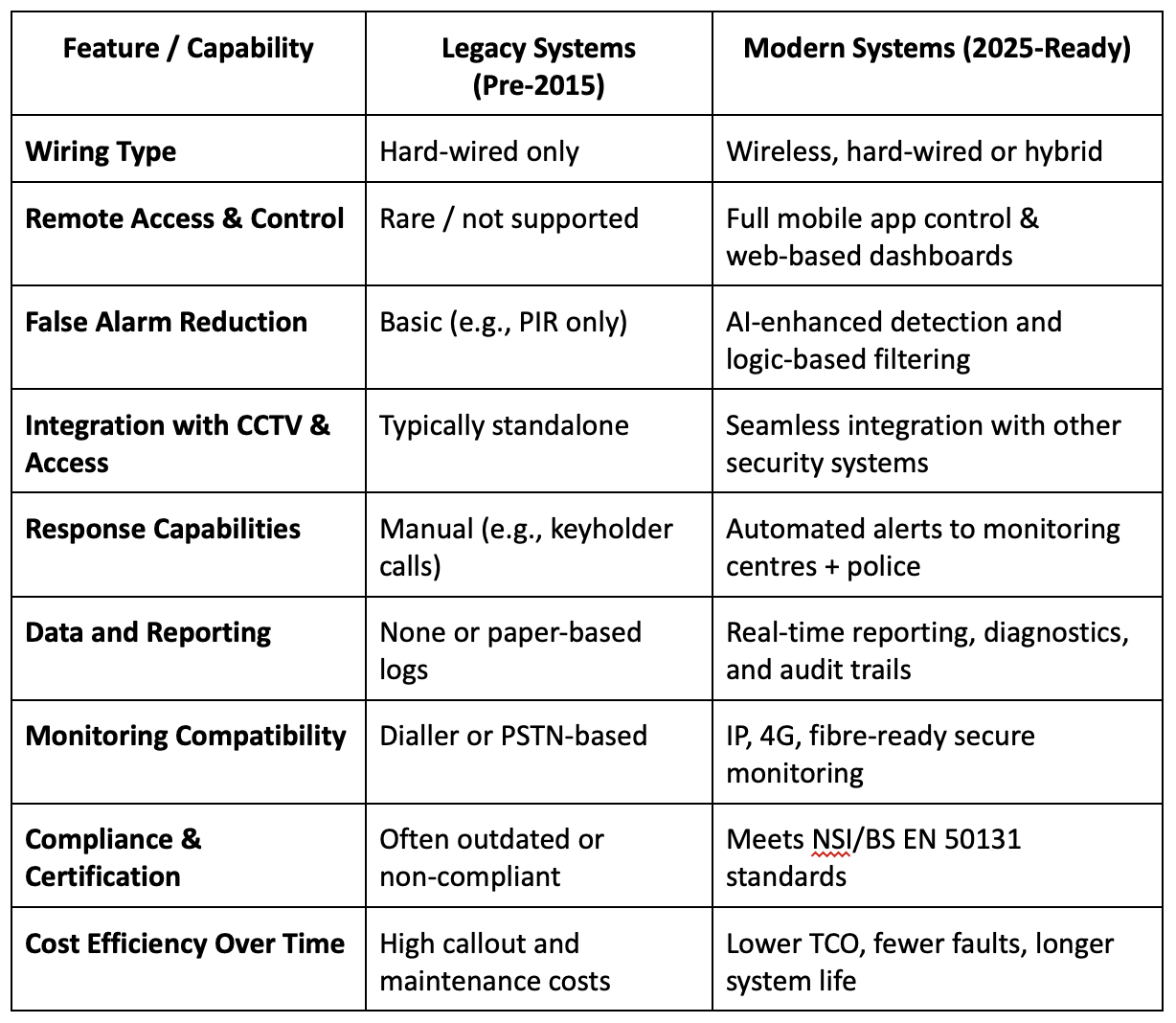
Comparison Table: Legacy vs Modern Business Alarm Systems
The Case for Upgrading your alarm now
Even if your current system is still operational, relying on legacy infrastructure creates blind spots. Failing to upgrade can mean:
- Increased false alarm penalties
- Poor emergency response outcomes
- Higher insurance premiums — or denied claims
- Missed incidents due to lack of real-time data
- A loss of confidence from staff, clients, and stakeholders
Modern alarm systems are designed to protect your assets and reputation. With features such as remote access, AI threat detection, and instant notifications, they support a more proactive, efficient approach to security.
Ready to Upgrade? Clearway Can Help
We specialise in helping businesses modernise their alarm systems with minimal disruption. Whether that means replacing outdated hardware or designing a fully integrated smart solution, we’ll work with you to ensure your site is fully protected and future-ready.
Contact our security experts today to discuss your upgrade path — and bring your alarm system in line with the standards your business deserves.
The Clearway Team 
The Clearway Team
Clearway is one of the UK’s most successful, innovative and rapidly expanding integrated security services and intelligent protection organisations – designed to protect people, property and assets.
Related content
Commercial Fire Alarm Installation
Mon Jul 25 2022
Mon Jan 20 2025
Commercial Intruder Alarms for Businesses
Sun Dec 15 2024