

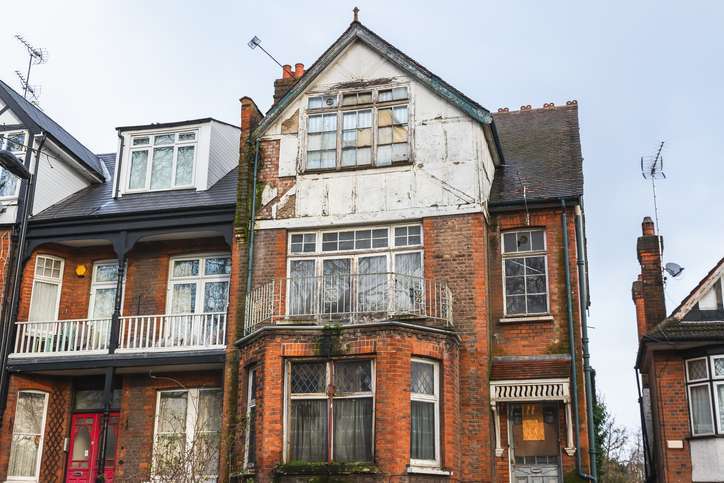
If you’re purchasing a new property, investing in a renovation project, or buying a vacant home with plans to develop it for residential or commercial use, you may need to review the details about the length of time the structure has been uninhabited.
Rules can vary between local councils, but the norm is for owners to be able to claim discounted or zero council tax for a finite period, avoiding unnecessary expenditure when renovation or development work is underway.
It is also essential that you consider the security and safety of a vacant property, safeguarding the value of the investment and preventing targeted thefts, asset stripping, and vandalism, which could put your project on hold and increase the likelihood of incurring empty property premiums.
Summarising the Rules on Council Tax Levies Against Empty Homes
- Local councils have a degree of autonomy over council tax, and most will waive any liability for a period, usually up to around one year. This enables new owners, commercial buyers, or investors to focus on their renovation projects without additional cost.
- Properties that have been empty for a long time may, conversely, attract a higher charge. Council tax premiums are applied as a punitive cost intended to urge owners to bring unused homes back into habitable condition.
- The exact obligations associated with council tax charges on an empty property will depend primarily on whether the home is vacant, has been empty for an extended period, or is a second property in occasional use.
1. Paying Council Tax on an Unfurnished and Unoccupied Residential Property
Depending on the council and whether there are grounds for appeal or negotiation, many owners discover that discounts are available during the initial period when a property is empty, usually because it has changed ownership.
The standard is to offer a discount of 100% but up to a maximum of 30 days, although it’s worth verifying this with the appropriate department, since that could vary if the property is empty and will remain so for the duration of repair works.
2. Council Tax Discounts on Uninhabitable Vacant Properties
Should an investor or residential buyer purchase a vacant home that requires significant repair work to bring it into a safe, habitable condition, discounts tend to be available for a longer period.
As a rough indication:
- Most renovation properties that cannot be used as residential homes can attract a 100% council tax discount valid for up to 12 months.
- Renovation works usually need to include structural alterations for the full discount to apply.
- Discounts are granted from the date that the property becomes vacant or falls into disrepair. This means that if you intend to invest in a new remodelling project, you may need to check whether the discount has already been claimed and whether it has reached the end of its eligibility.
There is, of course, an assumption that major repairs will be completed within one year. If the work is completed early and the property remains unoccupied, there may be the option to extend the discount until six months after completion or the end of the 12 months, based on the date that falls first.
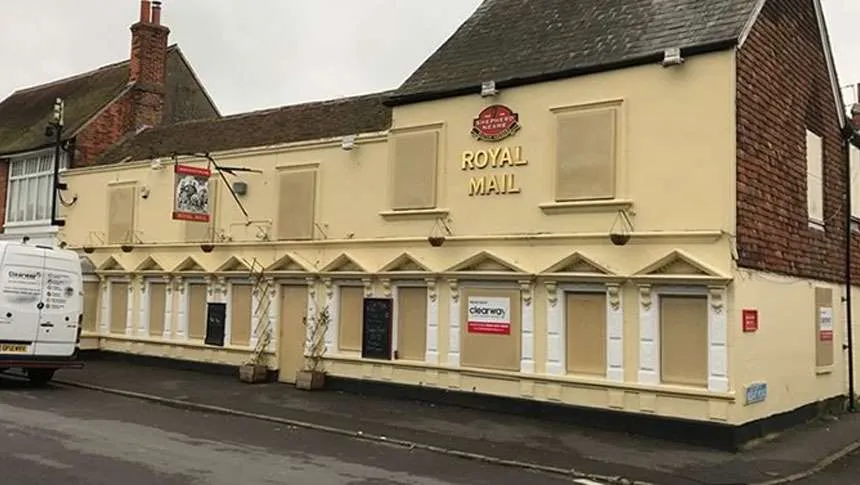
3. Council Tax Premiums on Long-Term Empty Properties
Long-term premiums are applied to properties that should be available as part of the local housing stock but have been left vacant for a year or more.
These charges are linked to the property, not the ownership, which means a newly acquired home or a change in tenancy will not impact the premium. A new buyer may inherit a council tax premium if the home has already been empty for a long period.
The only viable way to claim exemption from the premium is to bring the property into use, and the costs can be considerable:
- Homes that have been empty for more than 12 months but for less than five years usually attract a 100% premium, effectively doubling the council tax liability.
- That increases to 200% if the property has been unoccupied for between five and ten years.
- Longer-term vacant homes unoccupied for 10 years or more attract a significant premium of 300%.
Given that the council tax rates for 2025-26 are set to increase across 294 local authorities and that annual charges can reach as high as approximately £5,000 per year for Band H properties valued over £320,000, these premiums are clearly best avoided.
4. Paying Council Tax on a Property Acquired as a Second Home
Homeowners with a property that isn’t a main residence but is furnished can apply for discretionary discounts, although some councils will not grant any discount whatsoever and will require the owner to pay the full council tax liability.
It is also worth noting that you do not have autonomy over choosing which home is classed as your main residence. This is determined by reviewing aspects like the location where you live the majority of the time, which address is registered on the electoral roll, and where you are registered with a GP.
Safeguarding the Value of a Property Investment During Renovation Works
As we mentioned earlier, the priority for most developers, investors and buyers is to complete their planned renovation or improvement works as quickly as possible, not least to ensure they don’t end up paying additional premiums to their local authority.
Vacant properties and those undergoing construction work are commonly exposed to myriad security threats.
We offer a broad range of security solutions, services and technological assets designed specifically to protect empty homes and units.
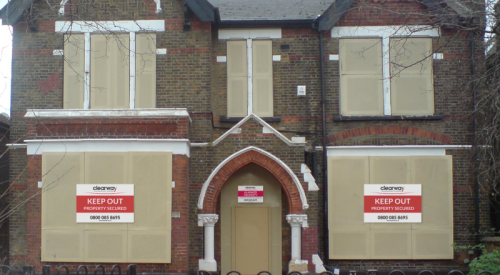
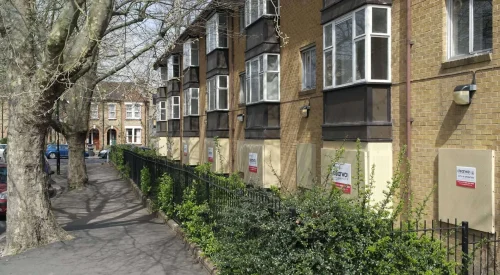
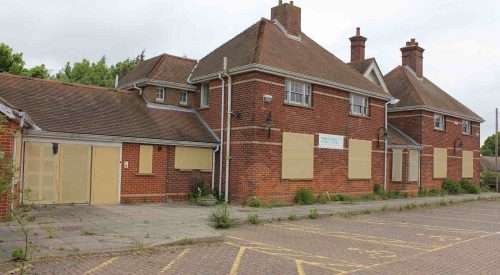
These include, for instance, vacant property doors and window screens, keyless entry locks, commercial CCTV monitoring and vacant property alarms, and regular property inspections that can highlight any indication of attempts to trespass, enter the property or damage the locks or windows.
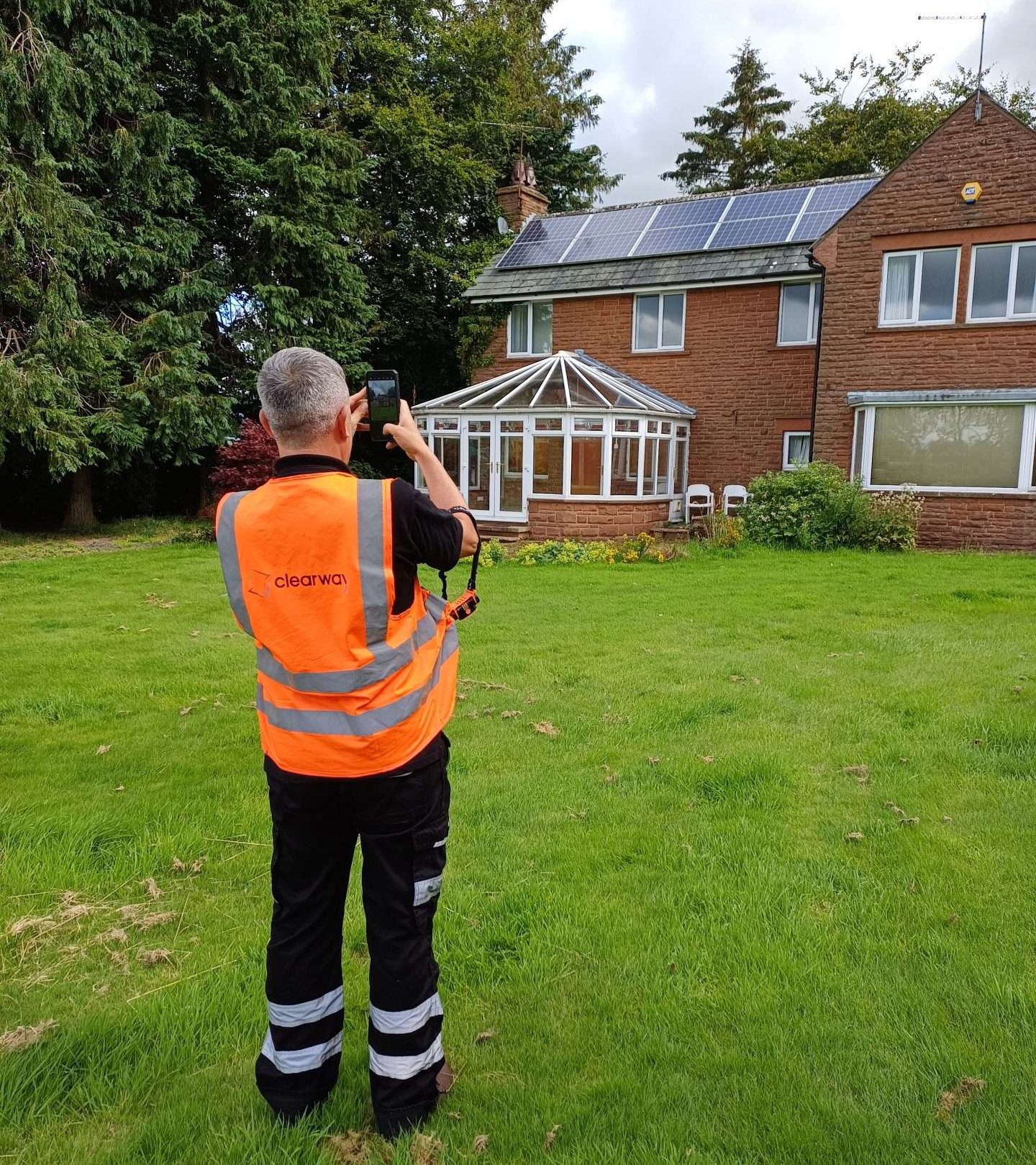
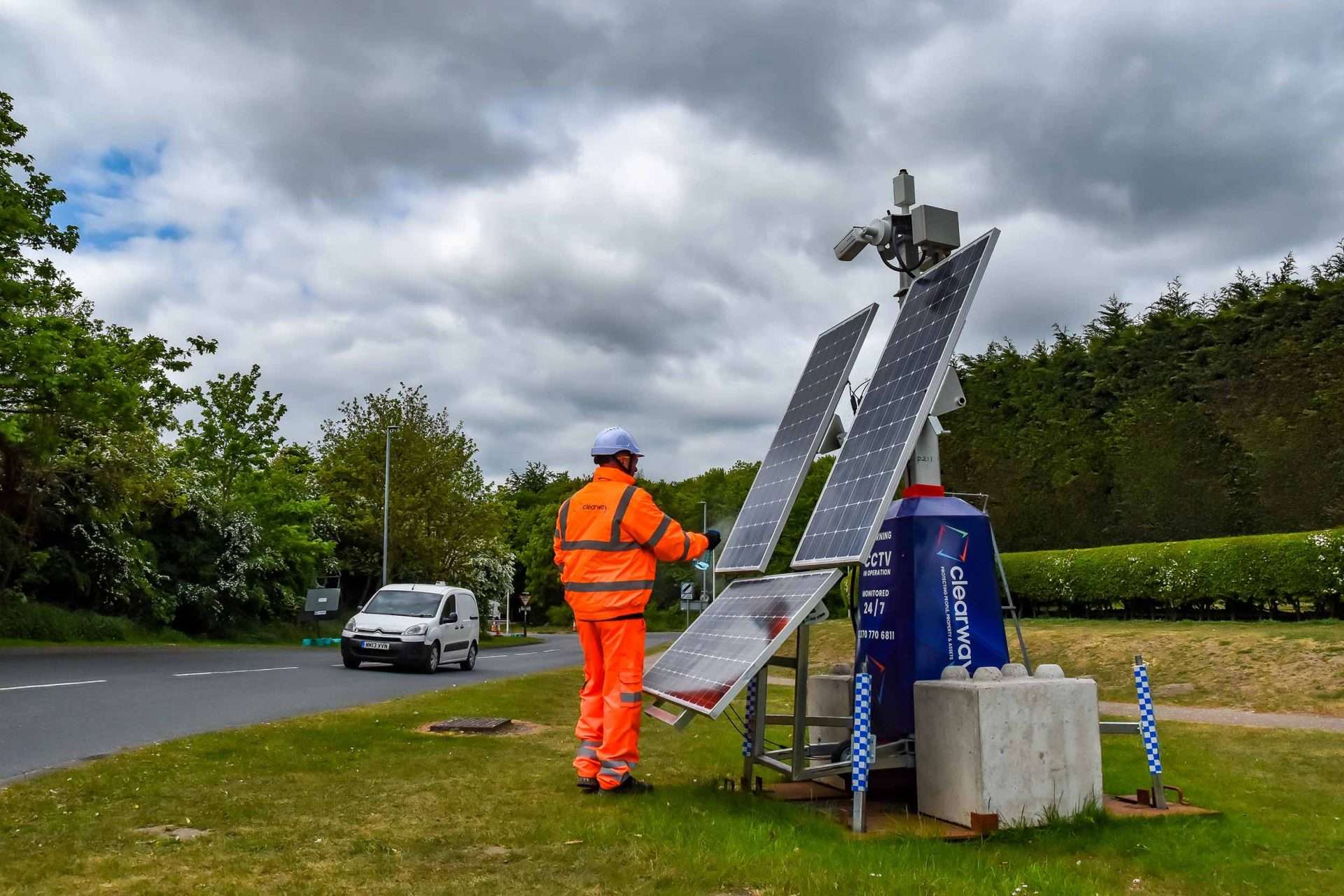
We also protect the exterior of your property, with PID security systems and CCTV towers designed to alert our monitoring centre in the event of a security breach.
Please contact the Clearway vacant property management team at your convenience for more tailored advice, or browse the advanced and innovative vacant property security solutions available through our informative guides, resources, and web pages.

Gideon Reichental 
Vacant Property Security Consultant
Gideon is an experienced property specialist with a commitment to excellent customer service and support. With over eight years dedicated to the niche field of vacant property security and services, Gideon has been at the forefront of developing and implementing best practices and successful strategies for safeguarding vulnerable properties, demonstrating a profound understanding of the complexities involved. His hands-on experience includes managing portfolios of over 200 vacant properties directly, alongside senior management roles overseeing broader portfolios that encompass more than 2000 properties.
Related content
Does a landlord have to pay council tax on an empty property?
Sat Apr 5 2025
An end of tenancy checklist for landlords
Sat Nov 15 2025
How to Protect a Vacant Property: 3 Steps To Secure a Vacant Property
Sat Feb 1 2025