

The Asset Management Plan 8, often referred to as AMP 8, is an initiative to regenerate the British water industry over a five-year period. Its aims are to build better water services, resilience, and sustainability.
Depending on the location and nature of your business, that could mean large-scale project work will cause disruption during construction and development. It may also increase the need for temporary security in much the same way that organisations adjacent to other major construction zones need to step up their defences.
Here, we’ll explain AMP 8, what it aims to achieve, the new measures being introduced through a revised regulatory framework, and some of the steps businesses can take if they’re concerned about the ramifications.
A Summary of AMP 8: What the Asset Management Plan 8 Means
- AMP 8 is a scheme running from April 2025 until 2030. It is so-called because it is the eighth cycle in a series of Asset Management Periods.
- The framework includes new measures to boost the reliability of water supplies and the sustainability of water infrastructure. It is targeted at the environment, emissions, water quality, supply chain risk, and customer service provision.
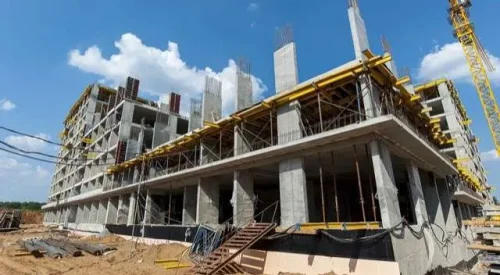
- Some of the £104 billion being invested by water companies will contribute to huge construction projects in rural and urban areas, representing four times the value invested in the previous five-year cycle.
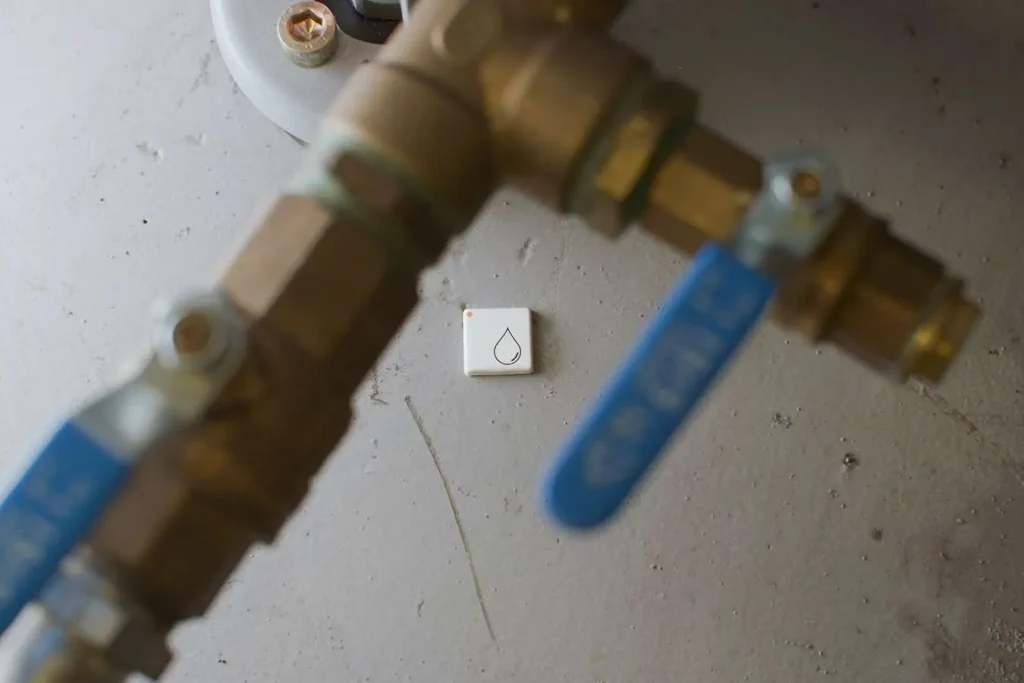
The General Impact of AMP 8 on UK Businesses
The overarching targets are widely seen as beneficial, with improvements to outdated and crumbling infrastructure to prevent outages, some of which were widespread and left entire towns and regions without access to water supplies for weeks last year.
For commercial entities, the investments are also intended to provide changes in the availability of water supplies, including industrial-scale water supplies required for business applications.
They will equally bolster wastewater services and how this is managed – without impacting the safety and cleanliness of rivers and coastal waters.
Part of a broader focus on achieving Net Zero by 2030, this latest iteration of the scheme plans to reduce water-based disruptions and improve response times, promote biodiversity around water plants, and generally make mains water more reliable and less exposed to vulnerabilities.
The Environment Agency assesses each of the largest water companies. It shares an annual report covering the nine main providers, ranking them on a star-based system and highlighting how most are considered underperforming.
This depth of scrutiny has contributed to the more ambitious and sweeping goals linked with AMP 8 while placing greater accountability and expectation on water companies to deliver on the targets to which they have collectively committed.

UK Locations Most Impacted by AMP 8 Construction Planning
Much of the building work and upgrades to water infrastructure are concentrated across broad regions, meaning real-world impacts for local businesses could be considerable.
Wessex Water, for instance, has announced delivery partners in Dorset, Somerset, Bristol, and parts of Gloucestershire, Wiltshire, and Hampshire.
United Utilities, the equivalent provider in the North West, has released details of 30 firms that will deliver civil engineering and other services in Cumbria, Manchester, Merseyside, Cheshire, and Lancashire.
Security Concerns Associated With AMP 8 Developments
For localised businesses, the ramifications may be less desirable, including:
- Increased risk of trespass and intrusion across construction sites, from inadvertent trespassing to deliberate and targeted thefts.
- Construction hazards that could impact businesses outside of construction zones, with possible issues around damages, injuries, and public health hazards.
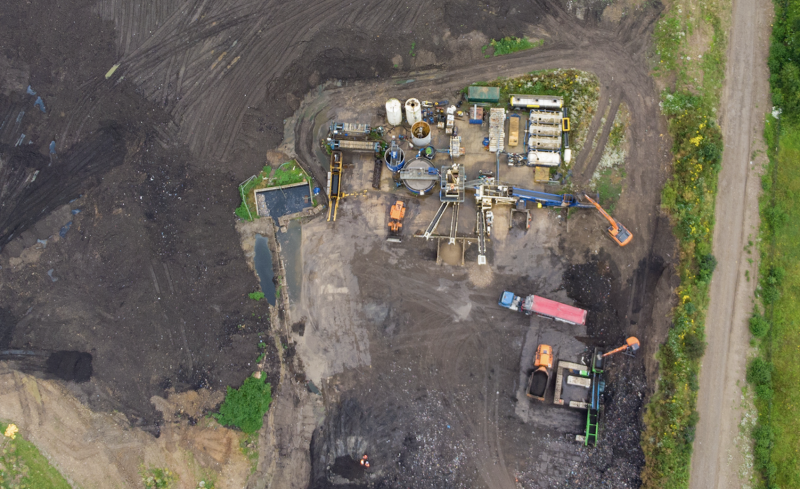
- Dangers related to utility infrastructure construction and the transport of major assets such as piping, cabling, towers and heavy equipment.
- Access concerns, with new routes required in many areas, including to reservoirs and water processing plants, which could affect commercial and private property.
Those with greater and more immediate concerns are advised to consider their current security, perimeter controls and surveillance and ensure they have the right coverage in place to mitigate or eliminate these risks.
Likewise, we suggest businesses conduct updated risk assessments when adjacent AMP 8 work has the potential to introduce new or greater security threats than those present during their last assessment.

How to secure your construction site during remedial works and upgrades
As always, Clearway’s temporary construction security providers offer a huge range of solutions from consultancy and independent risk appraisals to audits of your current infrastructure and approaches, and custom recommendations about the most cost-effective and reliable ways to augment your defences during construction projects.
Fortunately, many of the proven security strategies and approaches used in construction and development apply directly to the risks we’ve outlined above and can be easily integrated into legacy systems to avoid unnecessary expenditures.
Below, we’ve summarised some of the many potential provisions we might suggest, and we welcome businesses to contact us at any time for more specific guidance and advice.
Temporary Security Protection for Business Sites
Modern, AI-enabled security solutions are well-suited to short-term or time-limited use, which may be ideal for companies with specific concerns that are unlikely to continue indefinitely.
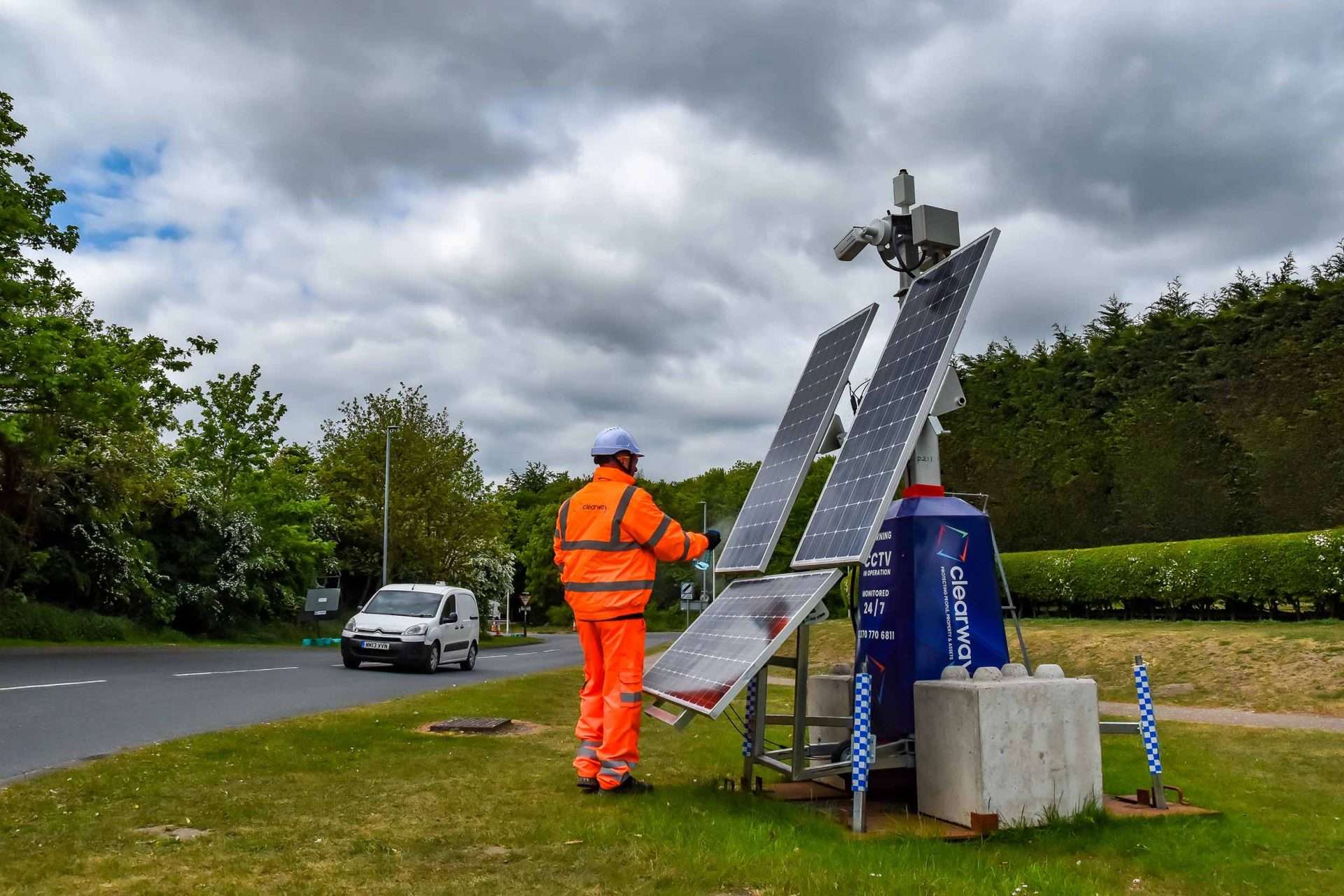
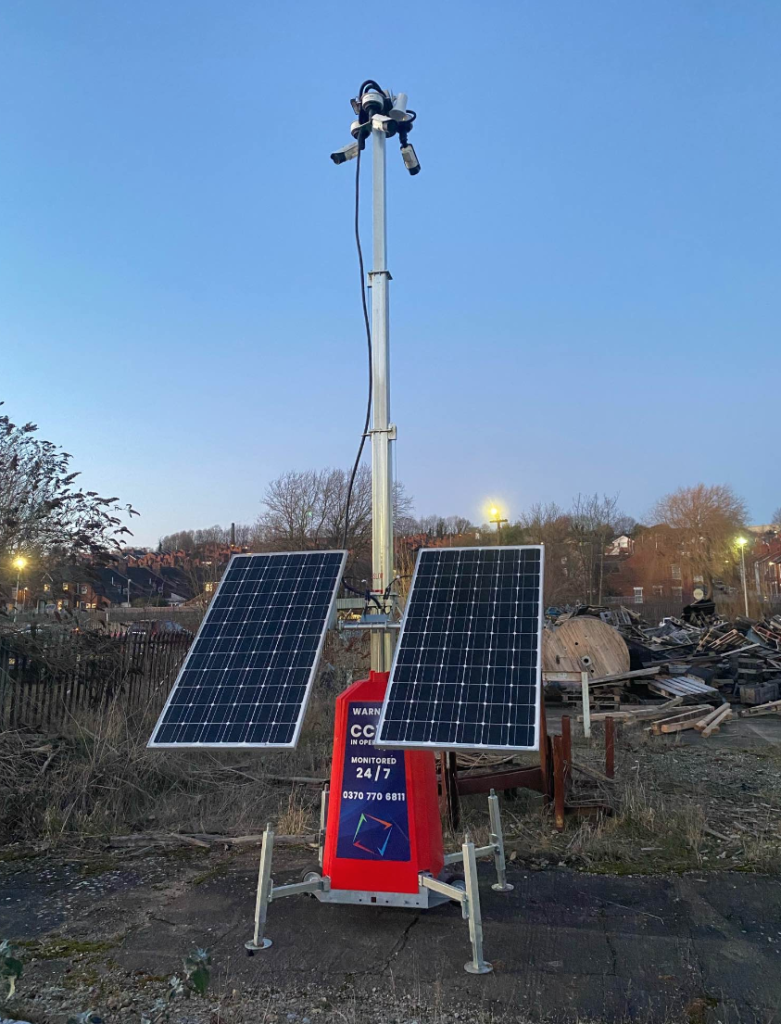
Options like temporary CCTV towers can cover vast areas of land, loading bays, car parks, outdoor spaces, and perimeters. They use commercial-grade batteries or solar power to ensure they operate seamlessly even without any mains electricity connections.
Video-verified alarms are also a good option. They provide a burst of captures to enable responders to verify whether an alarm is genuine or a false alert.
Increasing Ongoing Surveillance and Alarm Coverage
Perimeter protections are often a key concern, especially where trespassing is a primary issue. Our inView Detect wireless intrusion detection systems lend themselves well to commercial sites, integrated with monitoring solutions and alarms as required.
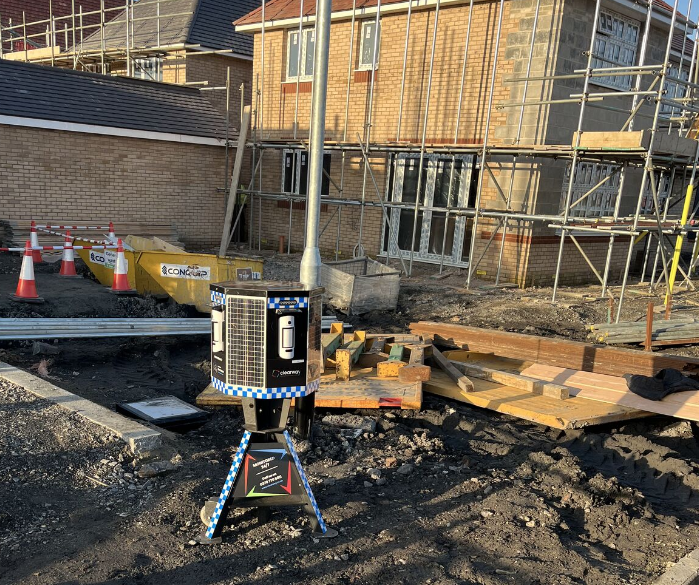
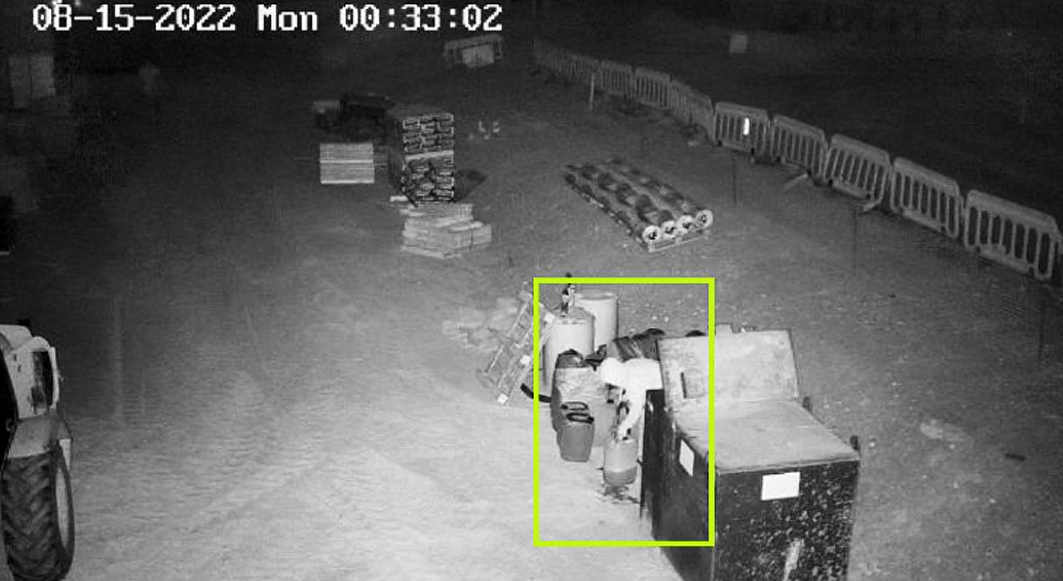
Companies can also consider CCTV monitoring, alarm response and commercial intruder alarms, with intelligent video analytics that can track unusual or suspicious activity, detect specific events and number plates, and feed into automated access controls for 24/7 security.
Physical Safeguards for Commercial Sites Adjacent to AMP 8 Construction
Finally, physical concrete barrier blocks, anti-climb fencing, physical guard patrols, and around-the-clock security monitoring all augment the effectiveness of technological security assets.
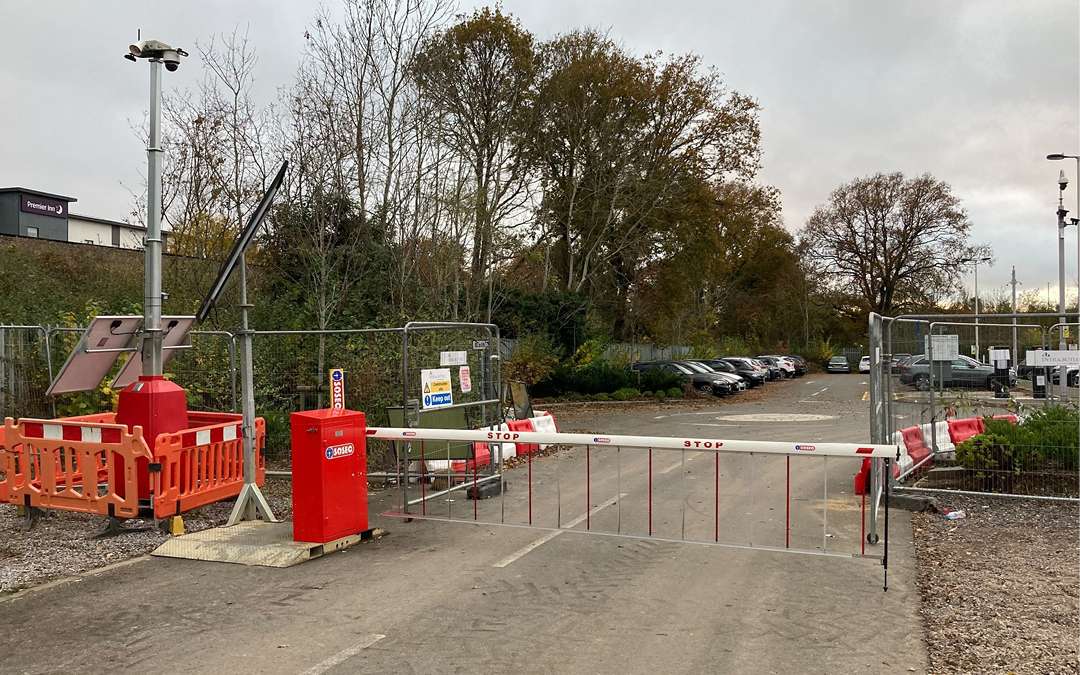
That could involve blocking off entrances, preventing vehicular access, looking for indications of crime or intrusions, and ensuring any incidents are immediately logged, investigated, and actioned as necessary.
Get ahead and contact Clearway today
AMP 8 represents a transformative investment in the UK’s water infrastructure, but with it comes significant construction activity that could pose security and operational challenges for nearby businesses. From trespassing and theft risks to access disruptions and safety concerns, it’s crucial for businesses to stay proactive in safeguarding their sites.
At Clearway, we specialise in tailored security solutions to protect businesses during major infrastructure projects like AMP 8. Whether you need temporary CCTV, perimeter protection, or on-site security patrols, our expert team is here to help. Get in touch today to discuss your security needs and ensure your business remains protected throughout this period of change.

Daniel Meeajane 
Business Development Director, Clearway Fire and Security
Daniel Meeajane is a Business Development Director for Clearway Fire and Security.
Having been involved in some major projects and achieving successful results Daniel uses his knowledge and experience to leverage awareness in Fire Protection. To do this a deep understanding of the BS 5839 PT1 is required along with keeping updated on the latest technology.
Related content
Wed Jun 5 2024
inView Detect PIDS Security System
Sun Jun 9 2024
Sun Jun 9 2024
Intelligent Water System Monitoring
Thu Mar 16 2023