


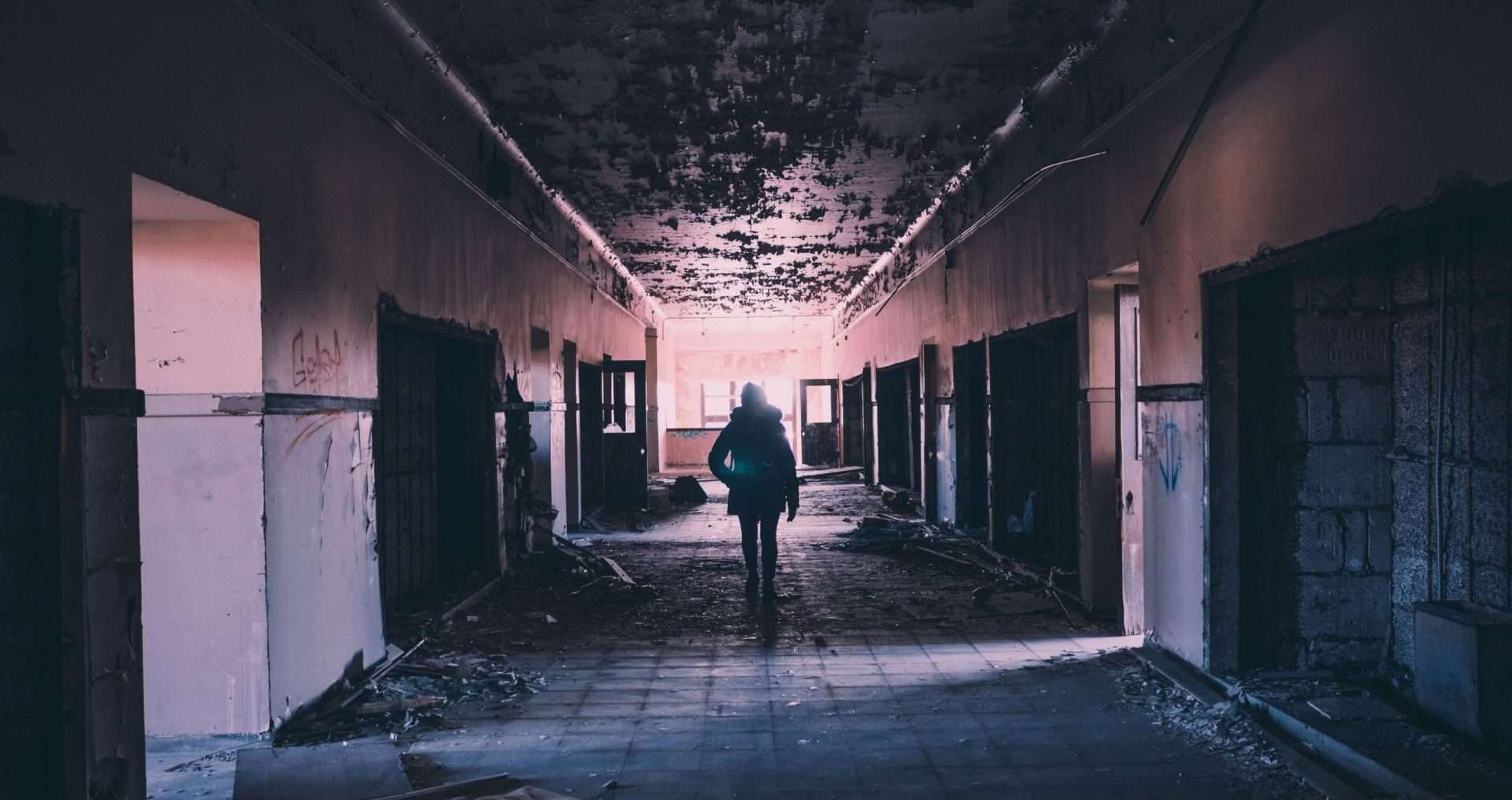
Curious children tend to wander onto derelict building sites unaware of the dangers that could face them. In 2017, there were two very sad cases of children dying as a result of playing in buildings that were left unprotected.
The responsibility for protecting the public against the potential risks of a vacant property lies entirely with the property owner. In fact it’s a requirement of their insurance to protect the vacant property against any visitors, be they property inspectors, developers, fly-tippers or squatters.
In this article, we review why children trespass and who is responsible for securing buildings for public safety.
Children Trespassing in Abandoned Buildings: What Landlords Need to Know
Abandoned and empty buildings often attract the curiosity of children and teenagers. From the thrill of exploring a derelict site to the temptation of social media trends like ‘urban exploration’, vacant properties can quickly become magnets for trespassers. For landlords, this presents a significant risk not just to the safety of those involved, but also from a legal and financial standpoint.
So, what responsibilities do landlords have when it comes to securing their properties? And what steps can you take to prevent unauthorised access?
Why Do Children Trespass?
Children and young people are naturally curious. Abandoned buildings, with their sense of mystery and adventure, often become enticing playgrounds. Social media has only amplified this, with trends encouraging young people to explore and document their visits to off-limits locations. However, these spaces are typically unsafe, with risks including falling debris, sharp objects, unstable floors, and potentially harmful substances like asbestos.
The Legal Responsibilities of Landlords
Under UK law, property owners have a duty of care to protect anyone who might enter their premises — including trespassers, particularly children. The Occupiers’ Liability Act 1984 states that property owners must take reasonable steps to prevent harm if:
- They are aware of a danger on the property.
- They know people might come into contact with the danger.
- They can reasonably mitigate the risk.
Children are given special consideration under this law because they are less able to recognise and avoid danger. Even if children are trespassing without permission, the law may still hold landlords responsible if adequate precautions haven’t been taken.
Steps to Secure Your Property
Protecting your property isn’t just about mitigating liability — it’s also about safeguarding lives. Here are some practical steps to take:
- Install Secure Fencing: Erect strong, tamper-resistant fencing around the site to prevent easy access.
- Board Up Entry Points: Secure doors, windows, and any other potential entry points with sturdy materials.
- Use Warning Signs: Clearly display signs such as “Danger: Keep Out” to deter potential trespassers.
- Regular Inspections: Inspect your property regularly to identify and address vulnerabilities.
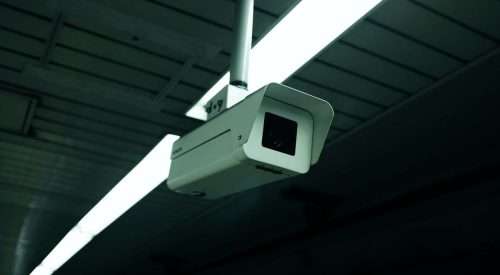
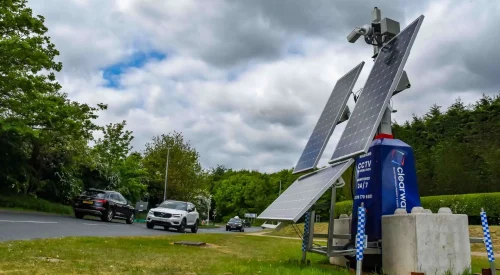
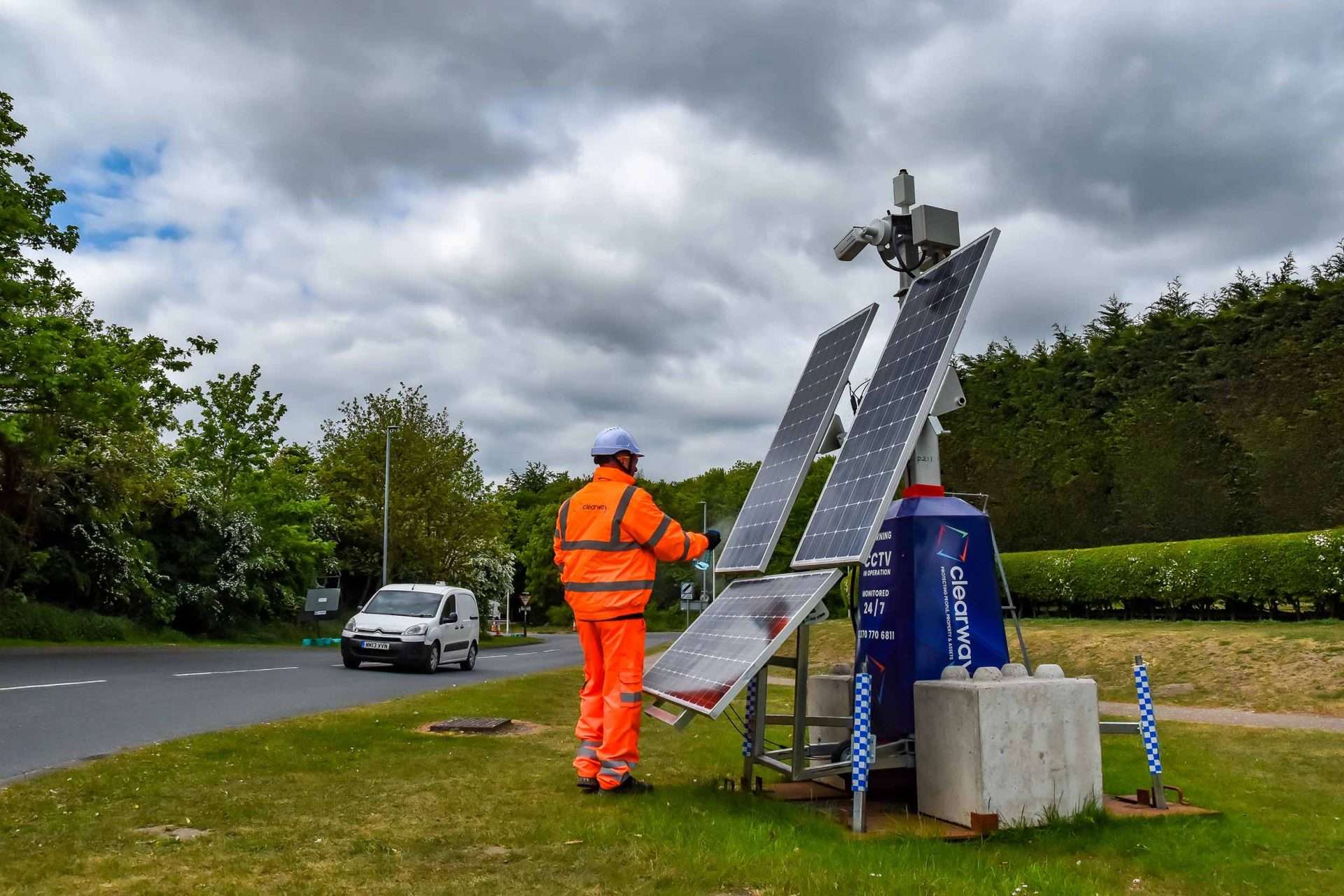
- CCTV and Alarm Systems: Consider installing security cameras and alarms to monitor activity and alert you to unauthorised access.
- Hire a Professional Security Service: For high-risk sites, professional monitoring services can provide peace of mind.
The biggest risk is to children as vacant properties and sites are such attractive places to explore. Learn more about void property inspection.
Clearway is a site security and vacant property management company; we are specialists in electronic and physical perimeter security (guards for hire and security dogs), steel security, concrete barriers and CCTV.
FAQs: Landlord Liability and Abandoned Buildings
Q: If children are trespassing, am I still liable if they get injured?
Yes, potentially. The Occupiers’ Liability Act 1984 requires property owners to take reasonable steps to prevent foreseeable harm, even to trespassers.
Q: What are ‘reasonable steps’ to secure a vacant property?
This varies depending on the nature and location of the property but typically includes fencing, securing entry points, warning signs, and regular inspections.
Q: Can I be held responsible if I’ve hired a security company?
If you’ve taken reasonable measures and outsourced security to a reputable firm, you’re less likely to be held liable. However, it’s essential to choose a qualified and insured provider.
Q: What should I do if I discover children trespassing?
Don’t confront them directly. Instead, contact the police if necessary, address any security weaknesses immediately, and document the incident.
Q: How often should I inspect my empty property?
The frequency depends on the site’s location and risk level, but a monthly inspection is a good starting point. High-risk sites may need more frequent checks.
Empty buildings may attract curiosity-seekers, but as a landlord, you have a legal and moral duty to minimise the dangers they present. By taking proactive steps to secure your property, you can protect both young trespassers and your own liability. Investing in security now can prevent costly legal complications later — and most importantly, it can save lives.

Gideon Reichental 
Vacant Property Security Consultant
Gideon is an experienced property specialist with a commitment to excellent customer service and support. With over eight years dedicated to the niche field of vacant property security and services, Gideon has been at the forefront of developing and implementing best practices and successful strategies for safeguarding vulnerable properties, demonstrating a profound understanding of the complexities involved. His hands-on experience includes managing portfolios of over 200 vacant properties directly, alongside senior management roles overseeing broader portfolios that encompass more than 2000 properties.
Related content
How to Protect a Vacant Property: 3 Steps To Secure a Vacant Property
Sat Feb 1 2025
How to make your vacant property appear occupied
Sat Jun 22 2019
The Rise of the Commercial Squatter – And What To Do About it
Mon Jan 22 2024