

Legionella is a type of bacteria that can grow in water systems and cause Legionnaires’ disease – a potentially fatal lung infection. The infection is typically contracted by inhaling tiny airborne water droplets containing the bacteria, often from taps, showers, or air conditioning systems.
While it can affect anyone, the elderly, people with pre-existing conditions, or those with weakened immune systems are especially vulnerable. For landlords, the risk of legionella presents a serious health concern and a legal duty of care.
Key Takeaways
- Legionella is a serious lung infection caused by inhaling contaminated water droplets
- Voids increase the risk of legionella due to stagnant water in unused pipes and systems
- Clearway offers flushing, inspection and testing services to minimise the risk before re-letting
Why Are Void Properties at Higher Risk?
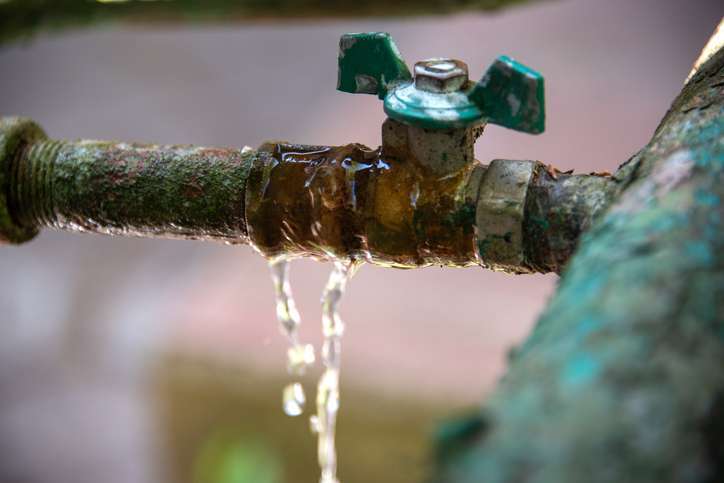
In an occupied property, water systems are used regularly. In a void property, however, water often remains stagnant in pipes, tanks, and outlets. When water is left unused for weeks or months, it creates the ideal conditions for bacteria like legionella to grow – especially in warm environments or where water temperatures fluctuate.
Showers, taps, toilet cisterns and even external hosepipes can all be potential sources of risk. Without regular flushing, these systems may become unsafe by the time a new tenant moves in.
How Can Clearway Help?
At Clearway, we offer a range of water hygiene services to help landlords and managing agents keep their void properties safe and compliant.
Our services include:
- Routine flushing of hot and cold water systems, including showers and toilets, during property inspections
- Legionella testing to detect bacterial presence in water systems
- Water treatment where required, to eliminate contamination before re-letting
- Documentation and reporting to show evidence of compliance and due diligence
These steps help reduce the risk of infection and ensure that your property is ready for safe reoccupation.
Legal and Regulatory Considerations
While there is no legal requirement for landlords to carry out regular legionella testing, you are required to assess and manage the risk. The Health and Safety Executive (HSE) states that all landlords, including private and social housing providers, must ensure water systems do not present a health hazard.
This means taking reasonable steps to prevent exposure to legionella, particularly after periods of disuse. Regular flushing and maintenance, supported by documented inspections, show that you are actively managing the risk.
FAQs
How often should water systems be flushed in a void property?
Ideally, water systems should be flushed weekly, but at a minimum they should be run at each inspection to prevent stagnation.
Do I need to test for legionella in every void?
Not always. A risk assessment may determine that regular flushing is sufficient. However, testing is recommended if the void period is prolonged or if there’s a known history of water hygiene issues.
What happens if legionella is found in the system?
Our team can treat the water system using approved disinfection methods and retest to confirm it is safe before re-letting.
Can legionella grow in cold water systems?
Yes. While it thrives in warm water (20°C to 45°C), it can also survive in cold systems if temperatures rise or water remains stagnant.
If your property is currently vacant, don’t leave water safety to chance. Contact Clearway to arrange regular inspections, flushing services and professional legionella testing, so you can re-let with confidence and protect tenant wellbeing.
Related content
Fri Jan 14 2022
Intelligent Water System Monitoring
Thu Mar 16 2023
Utility Isolation and Drain Down
Mon Jan 24 2022