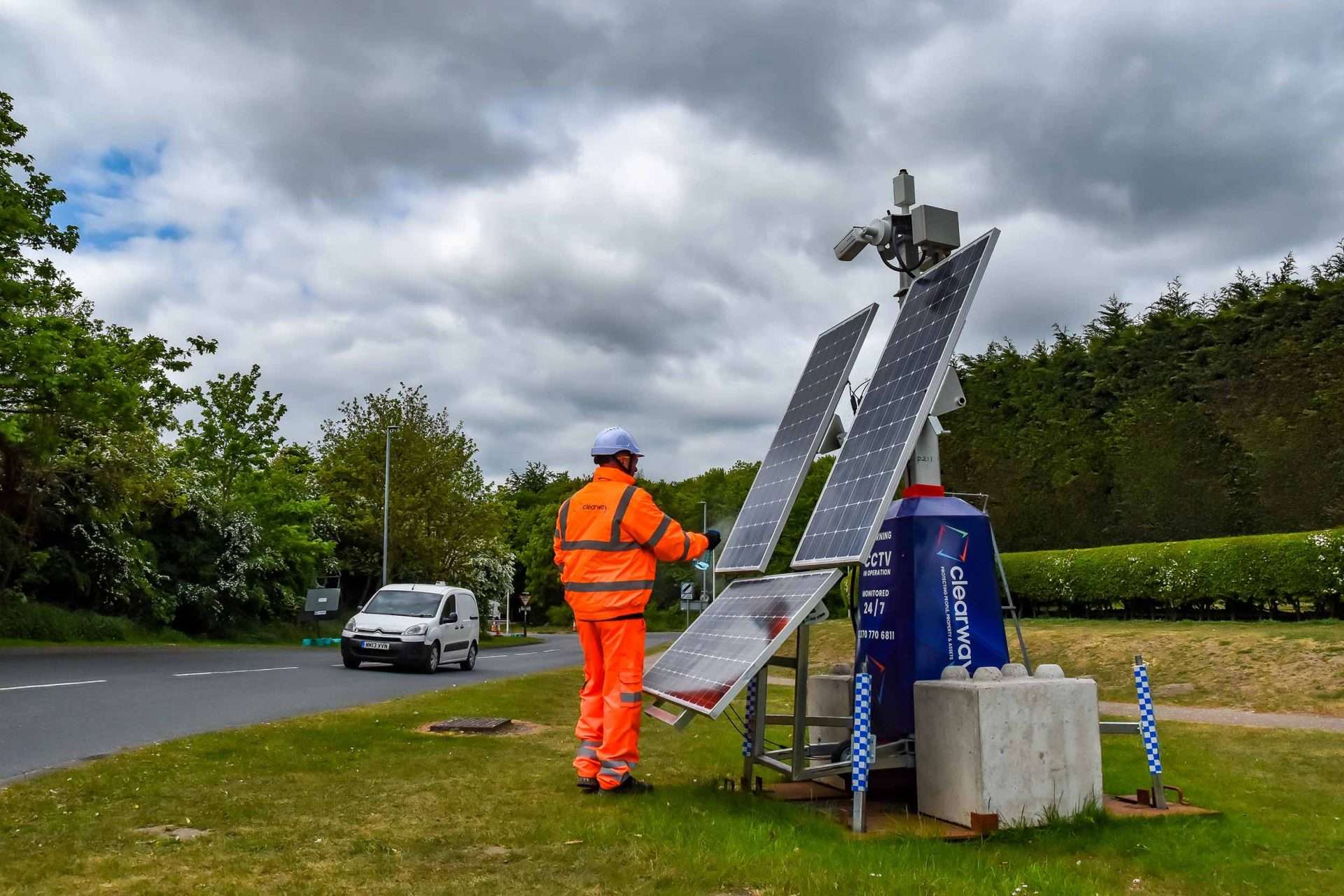


For decades, security has been a key operation for millions of businesses, organisations, and public sector bodies. While the advent of alarms, CCTV, and cameras has been transformative, the introduction of deep learning functionality takes the protection available to the next level.
Deep learning is a key part of the way artificial intelligence works. It offers more accurate and insightful data captures and video analytics and provides huge advancements in behavioural recognition, detecting emerging threats, and circulating real-time alerts.
In the field of next-gen security, AI surveillance solutions with deep learning capabilities can provide sweeping improvements to the reliability, processing speeds, and precision of CCTV and other monitoring systems. They can differentiate between objects, recognise facial characteristics, and even determine when human movement appears suspicious or unusual.
How Is Deep Learning Beneficial in Security?
The basics of deep learning are that the AI doesn’t solely depend on a pre-configured list of settings or raise the alarm when a specific incident occurs – much as an intruder alarm might activate when a door is opened after the alarm is set.
Instead, it is trained on enormous amounts of data and continues to track and log events and scenarios to gain an ever-more comprehensive understanding of the environment it is monitoring.
That provides adaptable security surveillance that can:
- Determine the contrasts between a person, animal and vehicle.
- Match individuals to a database of approved personnel.
- Flag loitering, repeat visits or unusual movement patterns.
- Track items that are missing, left, or that remain in a place away from their usual setting.
Although there are unlimited applications, an AI security camera might, for instance, predict when a person entering a shop intends to shoplift, instruct security teams to investigate when somebody keeps returning to the same place, or identify a pattern of events that could indicate an intention to attempt a break-in after hours.

Features And Functions Of Deep Learning Video Surveillance
Every deep learning-enabled CCTV system and network can be set up to cover specific zones, areas, and sites, or they can be instructed to monitor certain movements or activities. The uses for AI surveillance will naturally differ for a construction site, a retail complex, a secure commercial site and a public space.
Below, we’ve summarised some of the key features and functions in high demand.
Automatic Vehicle Number Plate Recognition (ANPR)
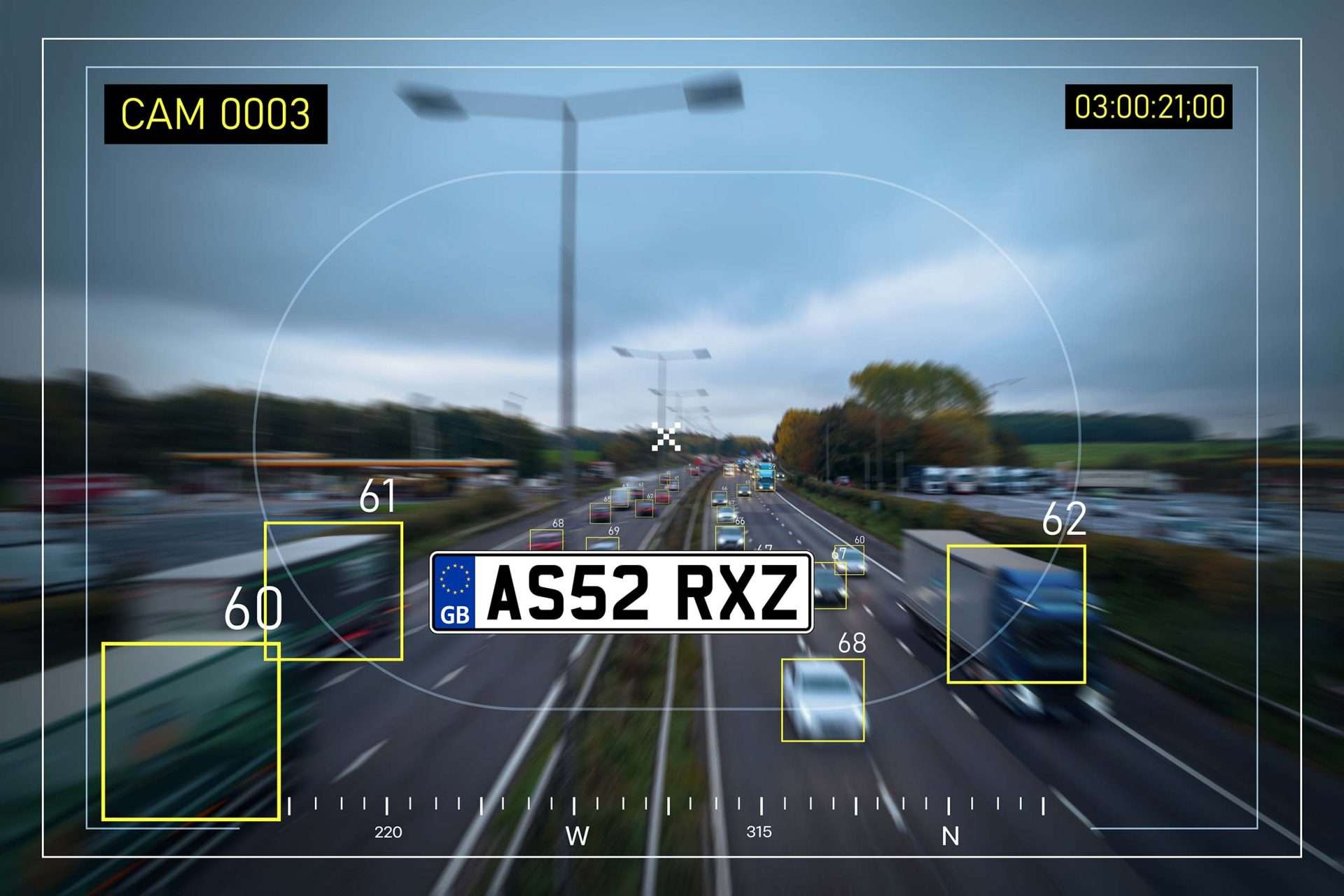
ANPR cameras provide seamless management of access controls, where a camera can scan the number plate of an approaching vehicle, verify whether it is approved, and decide whether to open an electronic gate or lower a bollard to permit entry.
This type of surveillance can also be used to monitor driving behaviours, trace speeds, and use intelligent programming to determine when a vehicle may pose a threat. That could be if a car is approaching at an excessive speed, driving erratically, or committing an offence.
These tools are also used in traffic management, to confirm whether vehicles using a parking facility have paid and to check that cars are appropriately taxed and insured.
Item and Object Detection
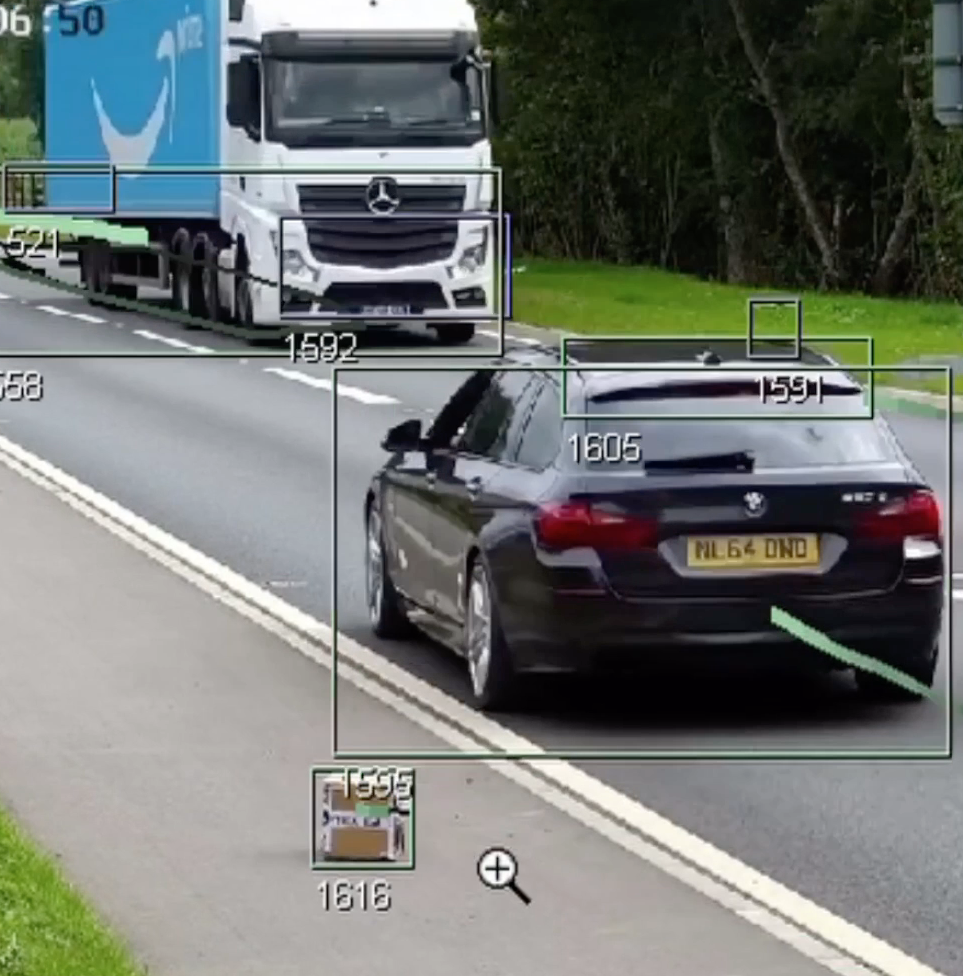
Object detection is used in an equally broad range of places. In airports and train stations, for instance, it can raise an alert if a bag or piece of luggage has been left and assist in rapid evacuations if there is any reason to think the discarded item threatens public safety.
Autonomous systems learn movement patterns and normal occurrences so they can recognise the difference between a harmless piece of dropped litter and something far more suspicious.
Unlike machine learning, deep learning is at the pinnacle of advancements. It can detect missing items, from controlled-used tools and equipment to inventory and keys, monitor their movement, and notify security teams if they need to react before a crime, theft, or assault occurs.
Read more about how object detection cameras work here.
People and Crowd Monitoring
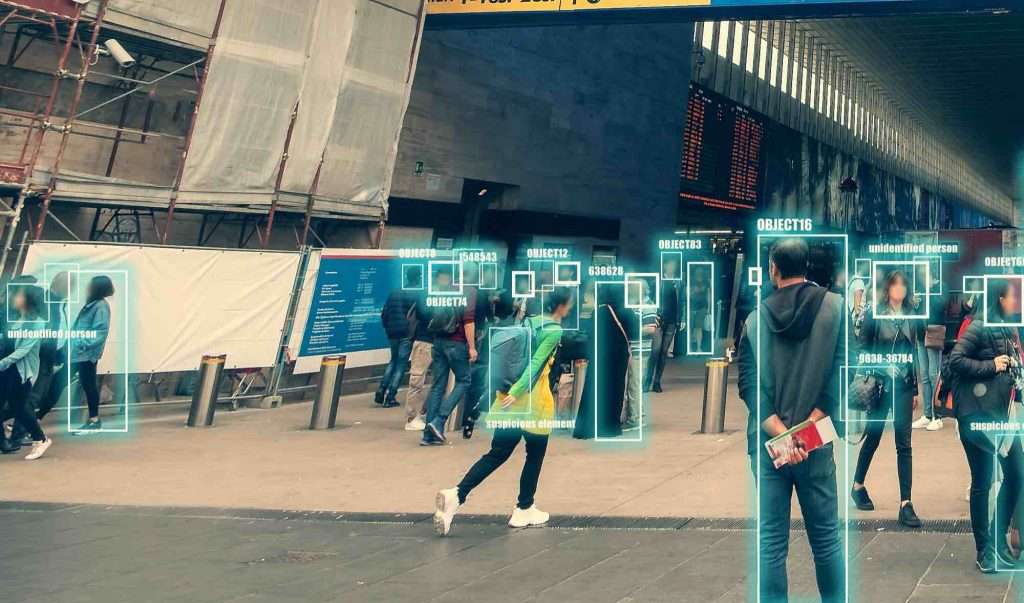
Crowd control and identifying unusual and suspicious activities in busy places like events and shopping centres have long been complex, and the capacity of a deep learning-equipped video surveillance system resolves this problem.
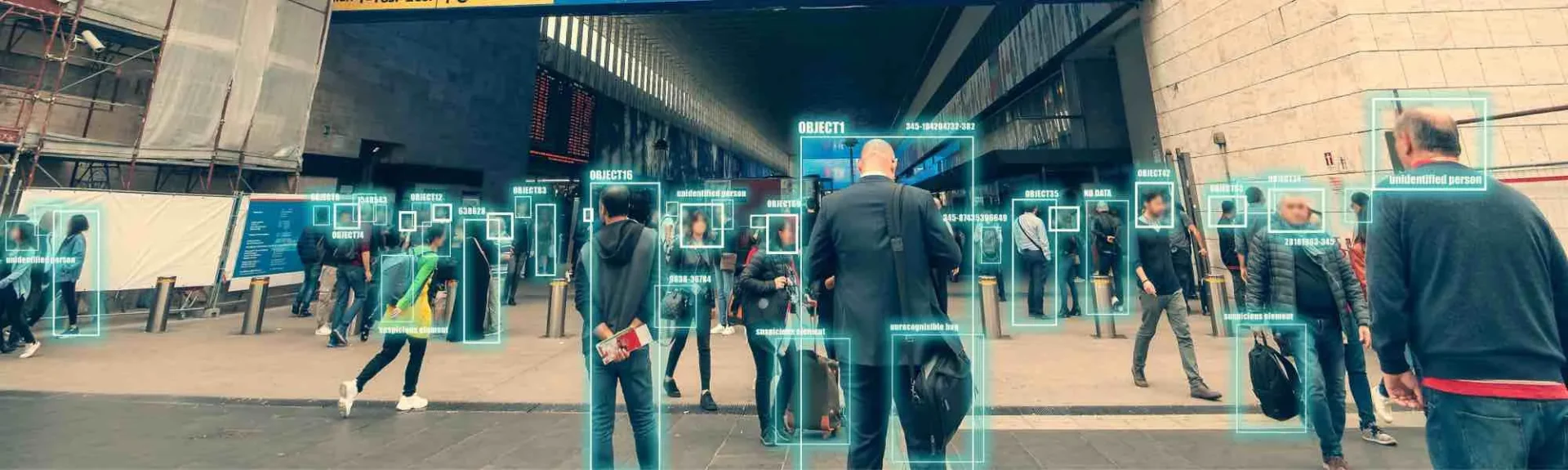
Cameras can scan spaces and crowds of every size, provide accurate counts of attendees, recognise signs of potential aggression or conflict, and even notice when a person appears to be showing signs of anxiety, stress or fear.
Predictive analysis provides advanced warnings when the security system suspects a threat may be emerging, ensuring that anybody on the premises who is acting outside of the norm, moving against traffic flows, or behaving strangely can be intercepted.
In short, this means that security teams can be deployed accurately and appropriately in premises and facilities of all sizes without depending on manual supervision to try to ascertain when a person may be intending to cause a disturbance.
Read more about using AI cameras for crowd control.
Settings Leveraging the Advantages of Deep Learning Video Surveillance
Retail spaces and controlled-access facilities such as hospitals, pharmacies, and dispensaries have been among the first to adopt deep-learning CCTV technology.
Government departments and organisations dealing with the manufacture of controlled substances, transport networks, and event security providers have also introduced high-level AI surveillance.
Installing AI Cameras can provide immediate returns by:
- Identifying intended thefts before they happen
- Recognising banned or unauthorised individuals
- Preventing access to any suspicious person or vehicle
- Notifying security teams when something is moved or left
- Tracking behaviour like loitering
Deep learning goes beyond any conventional security surveillance solution, picking up on even the subtlest movements common in retail theft, such as hiding items in sleeves, keeping a face mask or motorcycle helmet on, or concealing thefts within a pushchair.
It can also prevent false alarms and perceived discrimination, modifying analyses continually to ensure that any potentially suspicious activities are monitored and cross-checked with past data before activating an emergency response.
The Practicalities of Implementing Video Surveillance With Deep Learning Functionality
One potential barrier to adoption is that some businesses assume that AI and deep learning features are too expensive or complex.
In reality, they can be integrated with existing security assets and CCTV relatively quickly without the need to replace all legacy systems that continue to meet requirements.
Alerts can be targeted to the relevant security manager or response team, and surveillance can be programmed to understand the boundaries, perimeters, and nature of threats most likely to occur. This ensures that your security systems are adapted to the needs and layout of your site or business.
While we recommend any organisation considering integrating a deep learning surveillance approach speak with our specialist consultants here at Clearway Labs to understand how to comply with data protection regulations, the commissioning and installation process is minimally disruptive.
Please contact us at your convenience to learn more about deep learning and other beneficial technological developments in the security industry.